ANATOLIAN PHOENIX 2026 EXERCISE
Story and photos by Buğra Yiğit
The Anatolian Phoenix 2026 Exercise was conducted this year under the motto: ”Wiser than a phoenix, fiercer than a wolf…” This expression reflects the spirit of the exercise, symbolizing not only combat search and rescue capability but also information superiority, coordination, and determination in the modern operational environment. The Anatolian Phoenix Exercise, one of the most comprehensive training activities of the Turkish Air Force in the field of Combat Search and Rescue (CSAR), was first conducted in 2008. Following the establishment of the 135th Squadron in 2011, it gained an institutional structure and is now conducted annually in two different concepts. The first is the International Anatolian Phoenix, involving allied and partner nations, while the second is the National Anatolian Phoenix, conducted exclusively with Turkish Armed Forces elements.
Although Combat Search and Rescue missions form the core of the exercise, the activity is not limited to this alone. Close Air Support (CAS), Time-Sensitive Targeting (TST), dynamic targeting, operations in electronic warfare environments, and air-to-ground coordination are tested through scenarios close to real operational conditions. At the same time, participation from various countries contributes to improving interoperability between air and ground forces, which remains one of the key objectives of the exercise.
This year’s Press Day provided an opportunity to follow the entire process from planning to execution on site. The opening briefing focused on the evolving nature of modern air operations, long-range engagement capabilities, and new systems developed by Türkiye’s domestic defense industry. Particular attention was given to the METE missile and the Şimşek and Super Şimşek platforms, highlighting the technological capabilities featured throughout the exercise. This was followed by an overview of the exercise structure and the 2026 scenario, providing participants with the operational framework and mission objectives for the day’s activities. The briefing covered a wide range of missions including close air support, personnel recovery operations, electronic warfare contested missions, air strike operations, high-altitude parachute insertions, critical asset protection, and evacuation missions. Detailed information was also provided regarding daily sortie planning, mission cycles, participating air assets, and international teams involved in the exercise.
After the briefing, the program proceeded to the static display area where participating aircraft were exhibited.
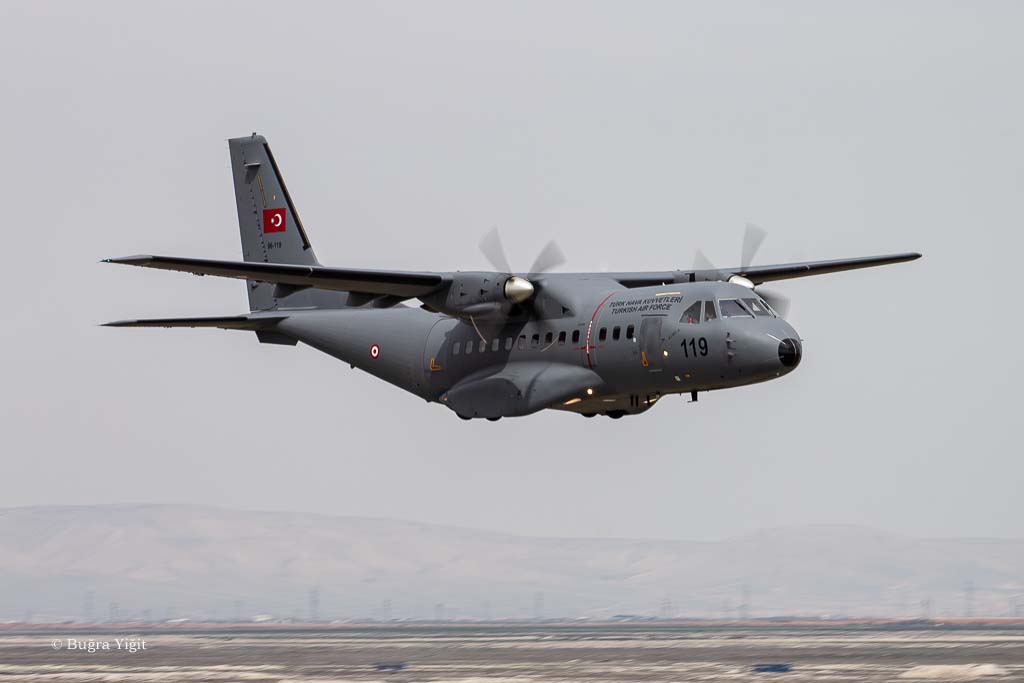
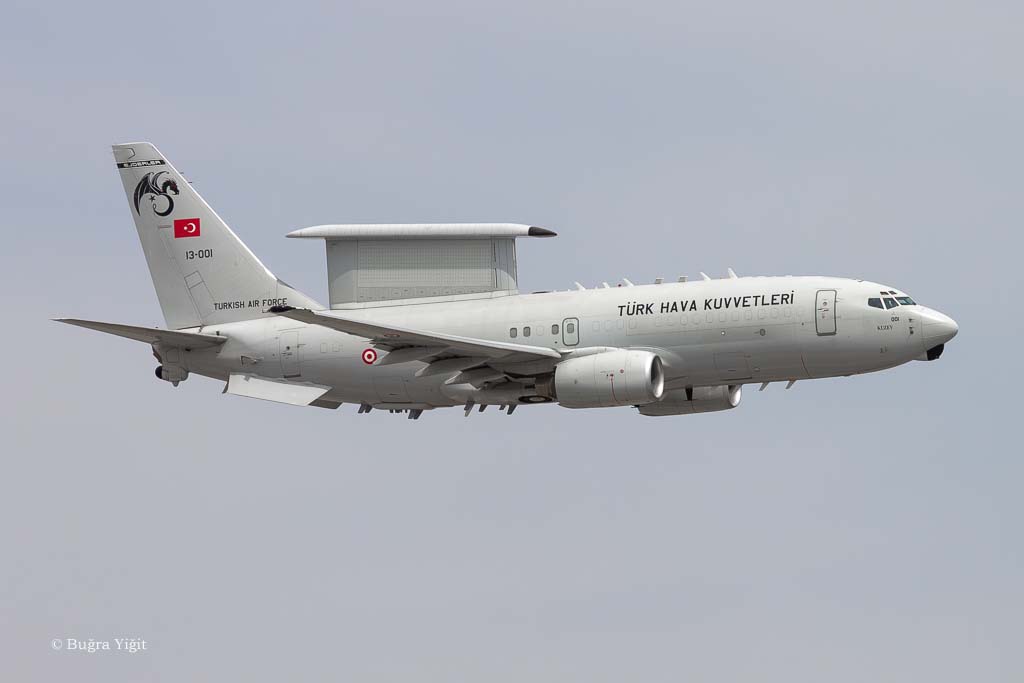
Following the briefing, the program continued to the Anatolian Eagle parking area. This section, where aircraft were displayed statically, provided an opportunity to closely examine the platforms involved in the exercise and observe assets from different branches side by side.
One of the first noticeable aspects was the change in the structure of international participation compared to previous years. While earlier exercises featured a higher number of foreign aircraft, Anatolian Phoenix 2026 showed a shift toward personnel and mission team participation. This change can be attributed to evolving regional security conditions and the operational priorities of participating nations. Many countries opted to contribute not with air assets, but with CSAR and JTAC teams deployed directly to the exercise.
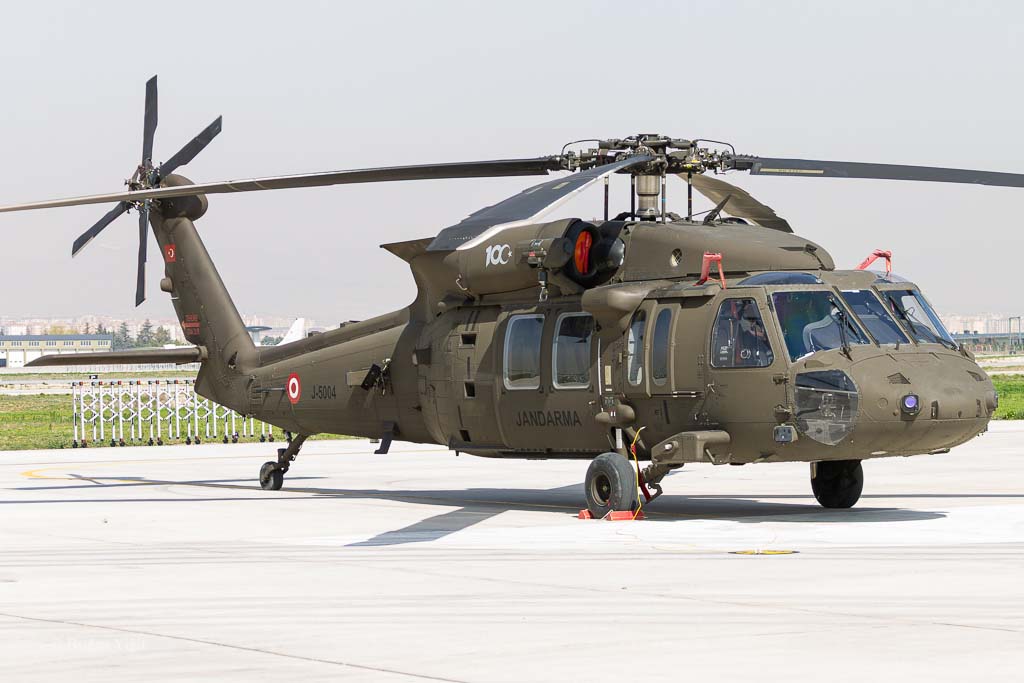
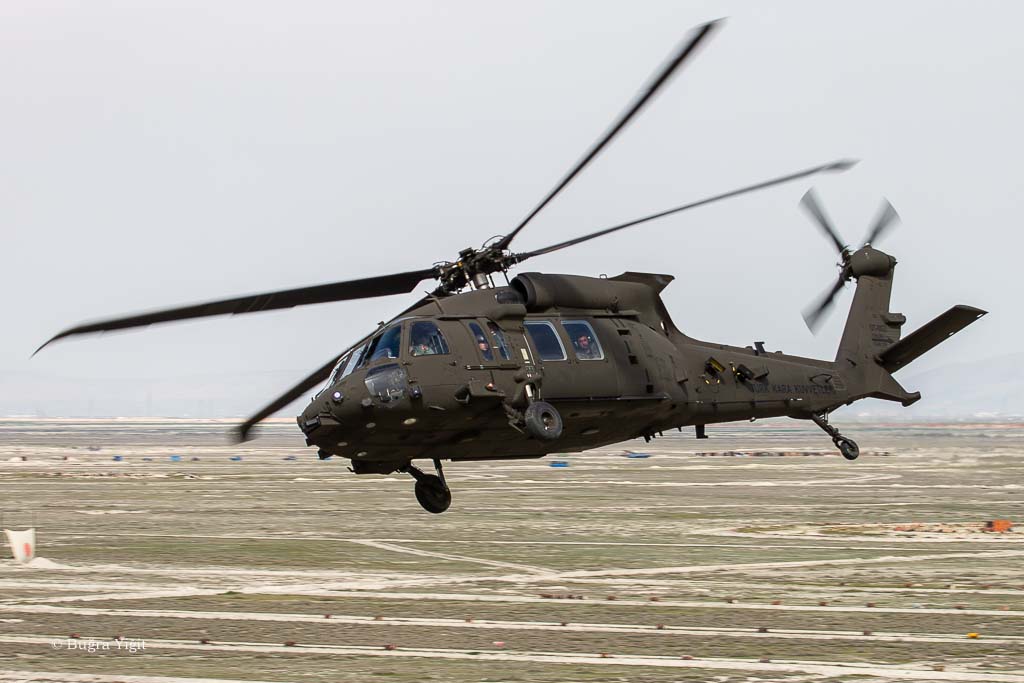
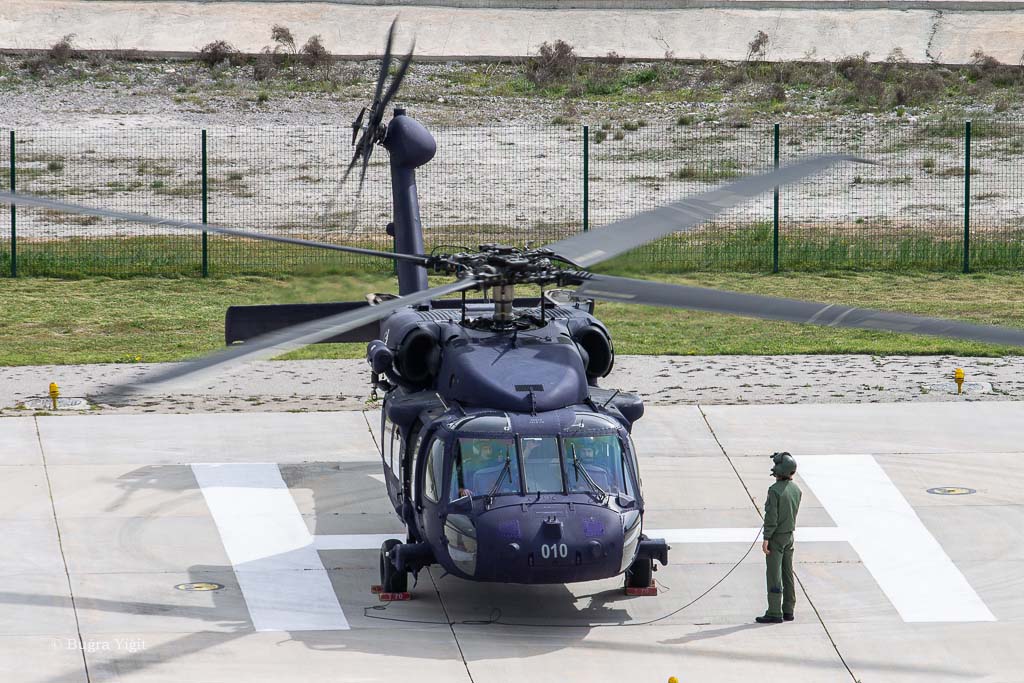
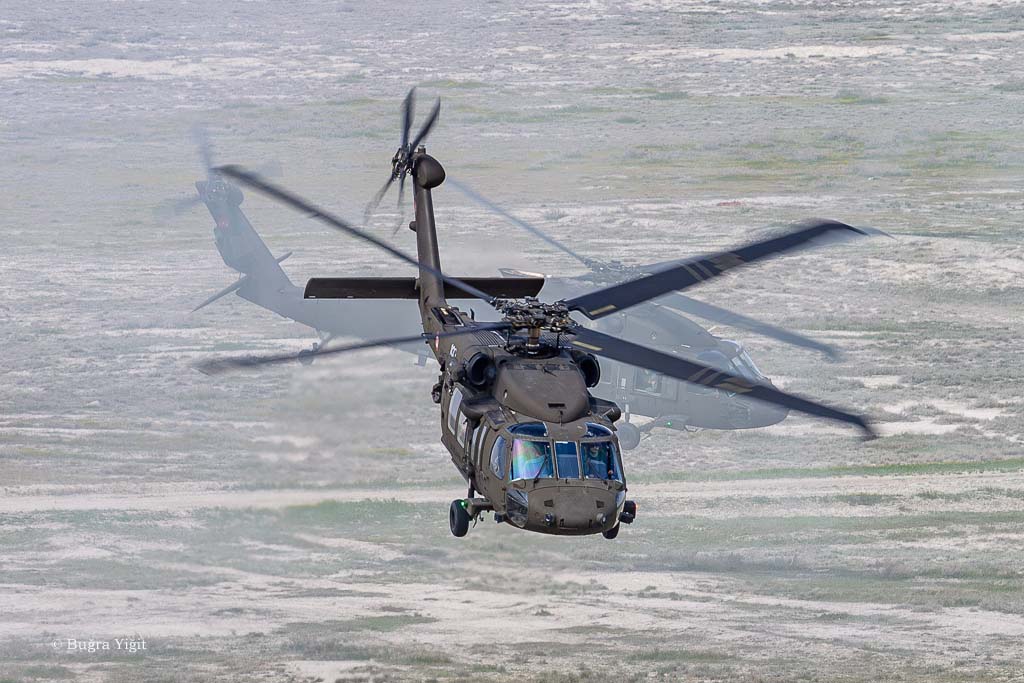
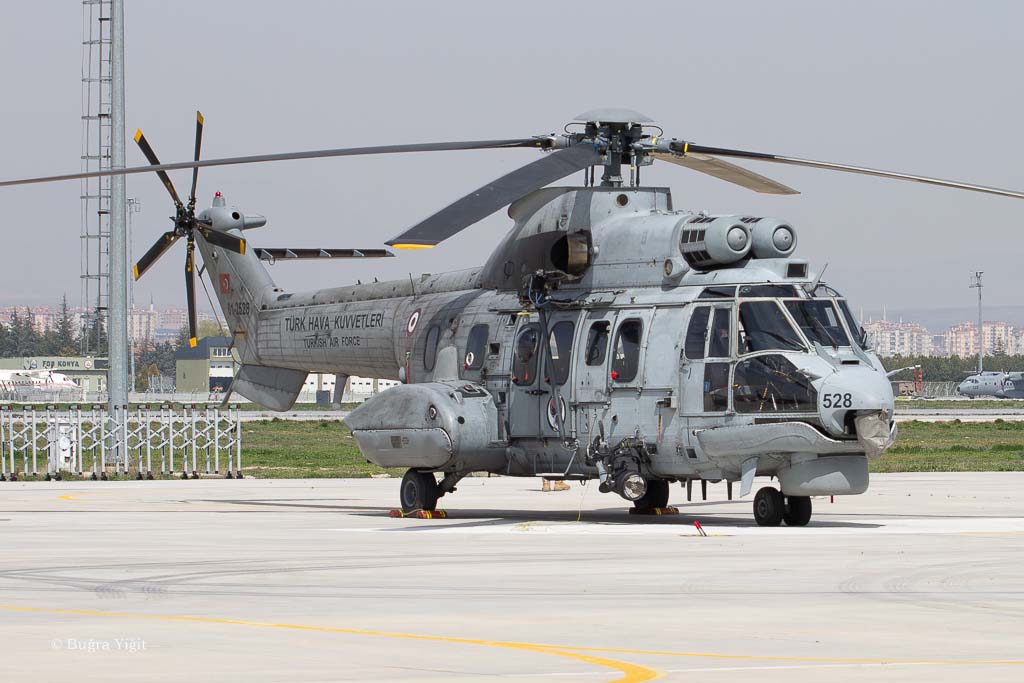
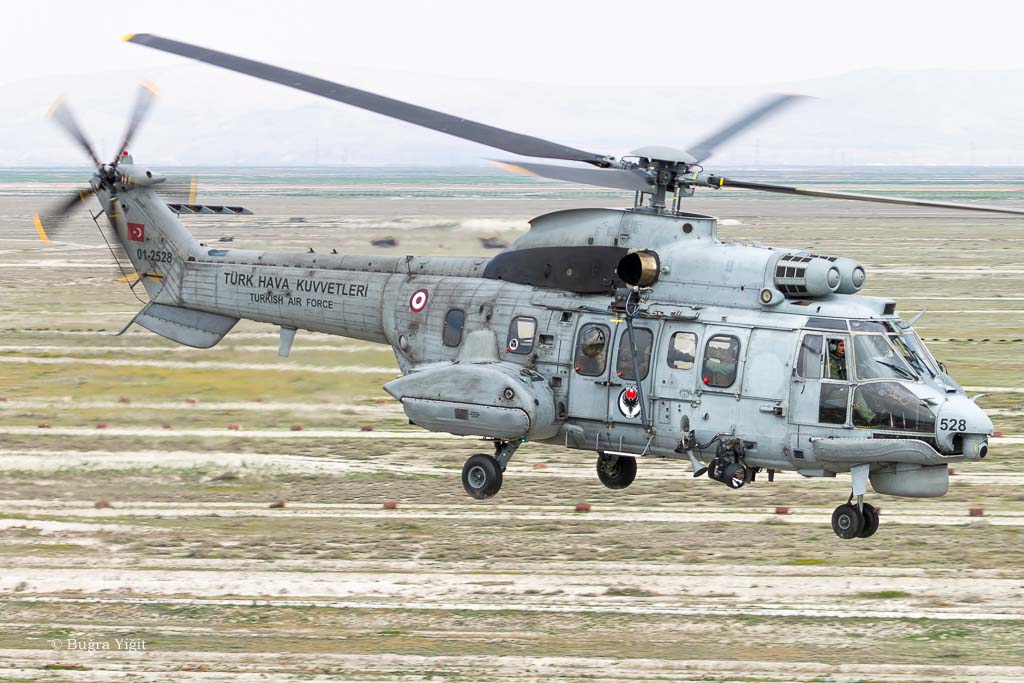
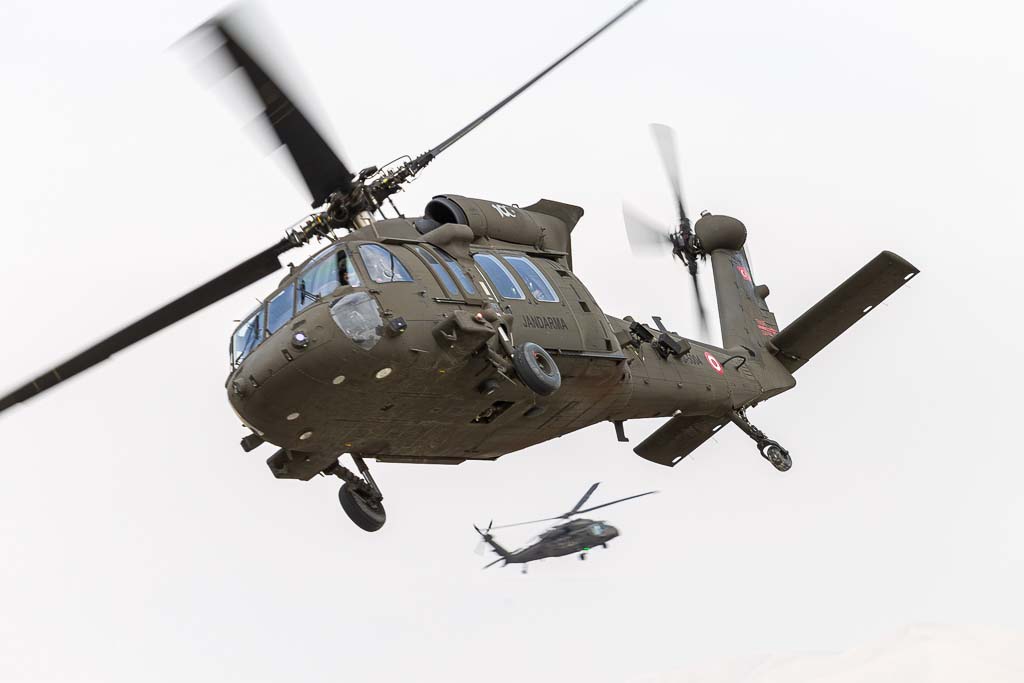
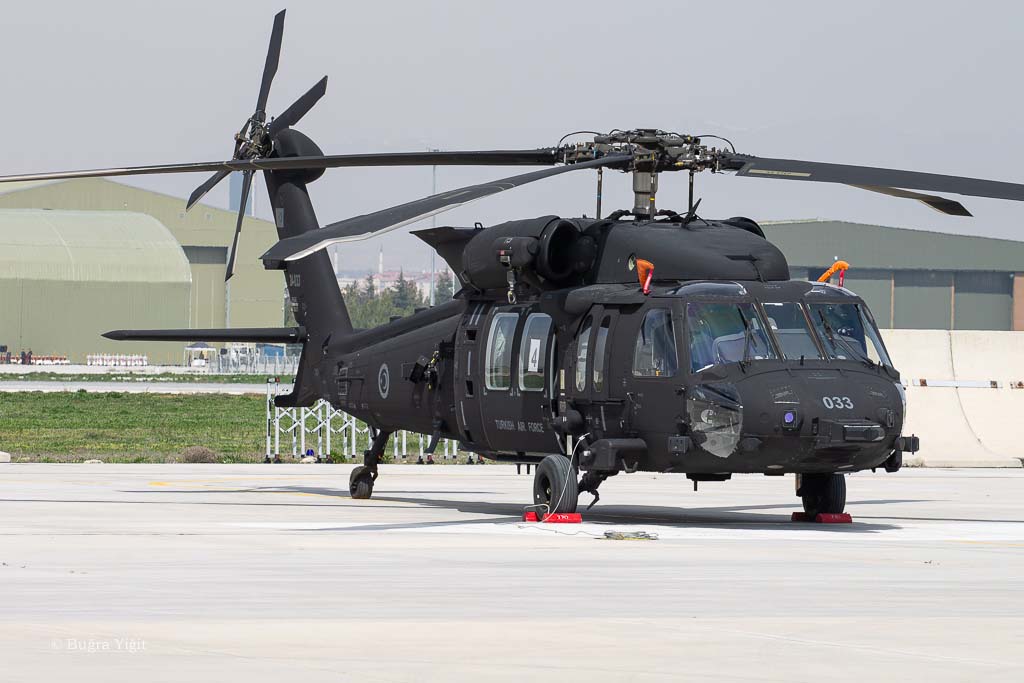
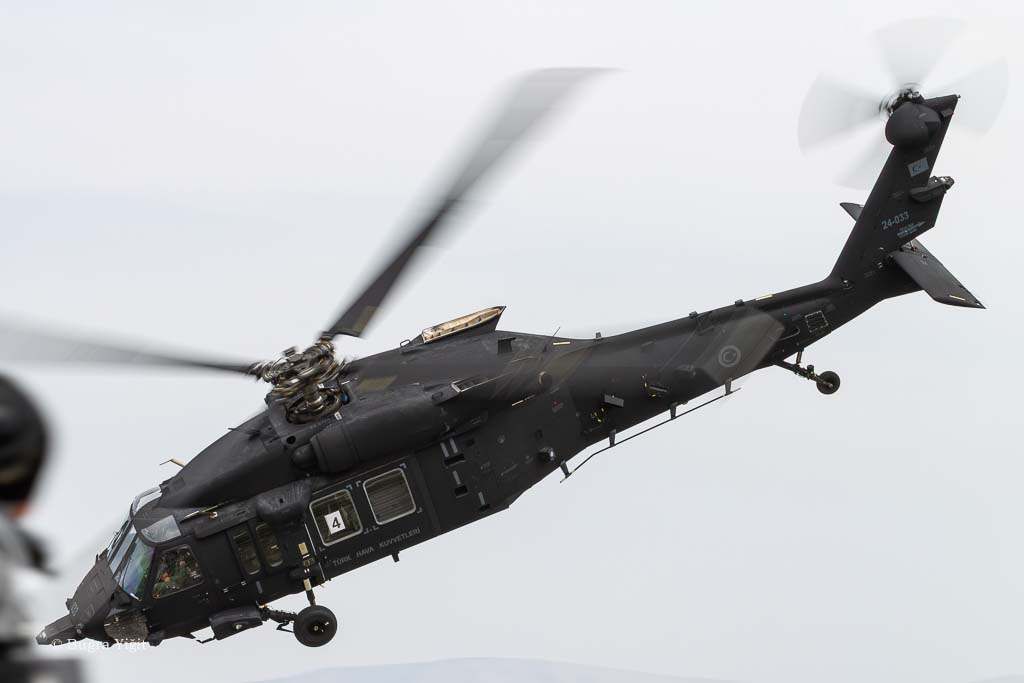
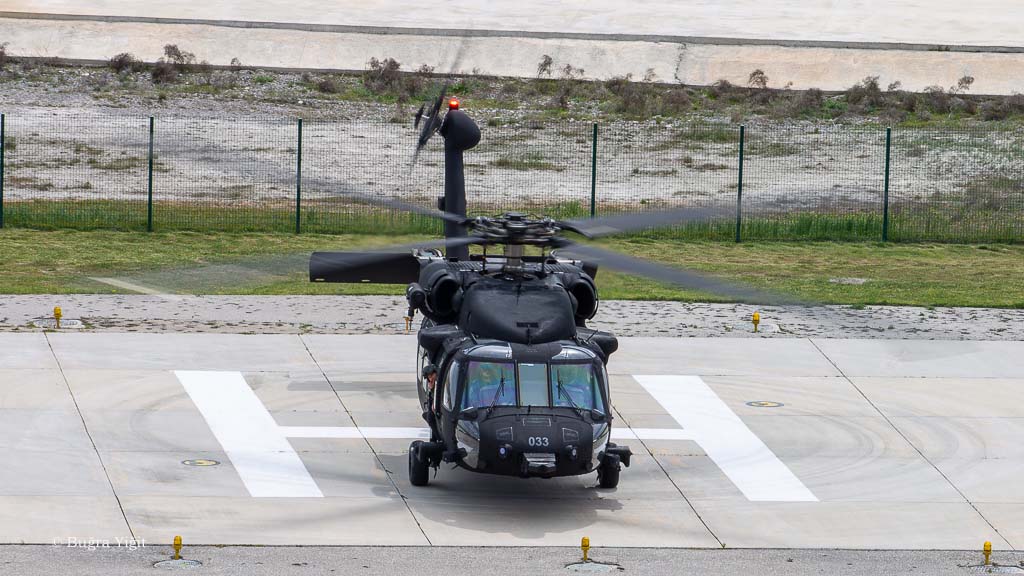
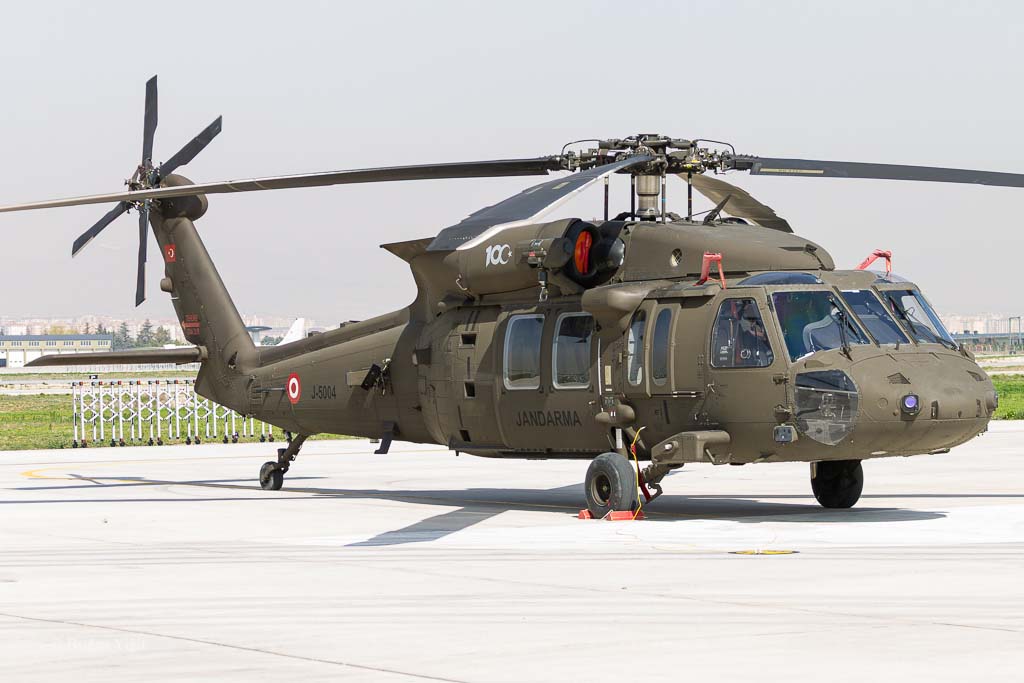
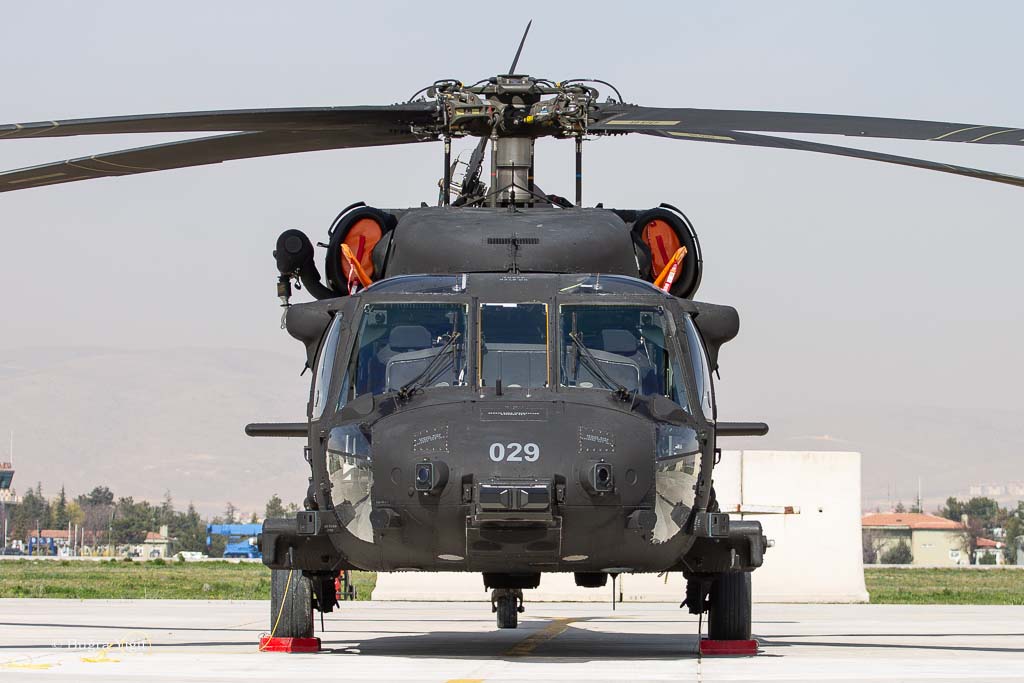
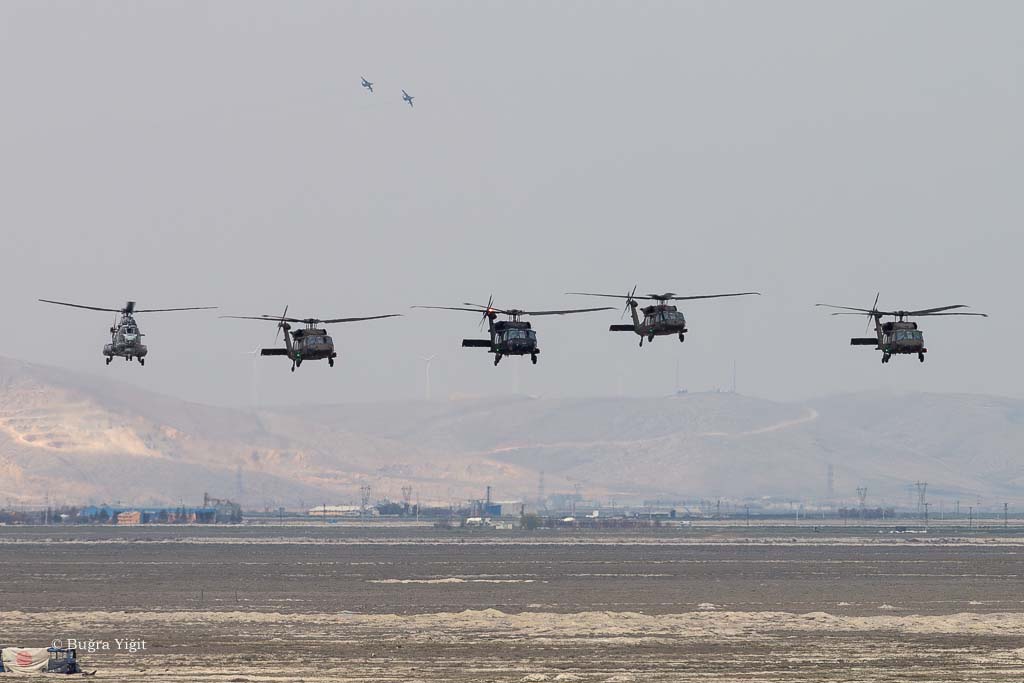
The most prominent platforms in the static area were the T-70 GMH helicopters, produced in Türkiye by Turkish Aerospace under Sikorsky license. Modernized with various avionics systems developed by Turkish engineers, these platforms stood out as a significant example of domestic integration capability. A total of eight T-70 helicopters from the Air Force, Land Forces, Gendarmerie General Command, and Special Forces Command were deployed for personnel recovery and transport missions. These helicopters were accompanied by AS-532AL Cougar helicopters from the Turkish Air Force inventory.
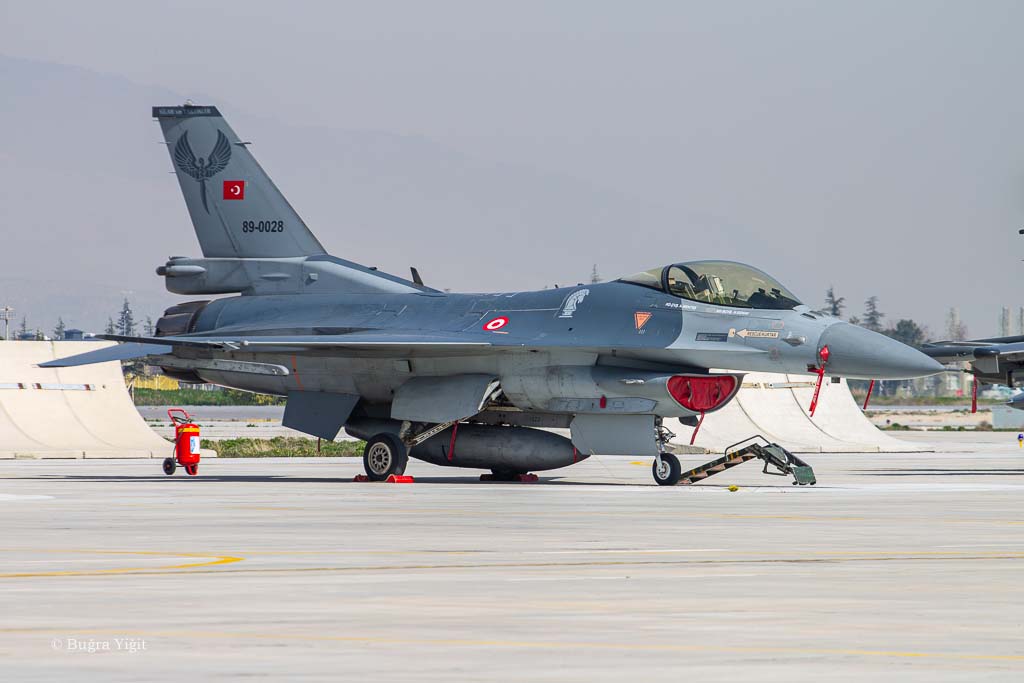
Among fixed-wing platforms, the F-16C Fighting Falcon belonging to the 132nd Squadron, tail number 89-0028, drew particular attention. Known as “Tango 1 – Never Dies,” this aircraft stood out not only for its operational capability but also for its symbolic significance.
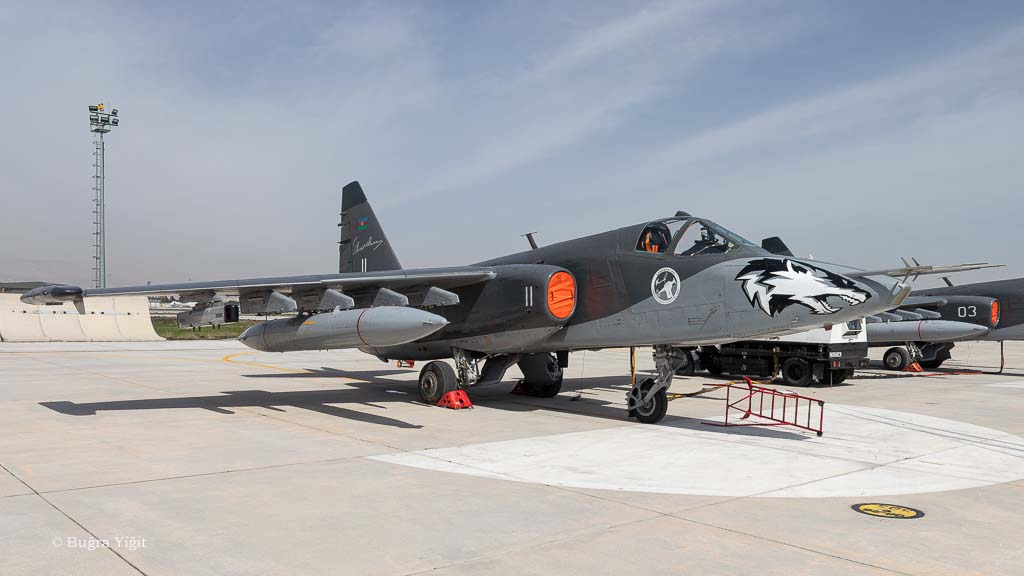
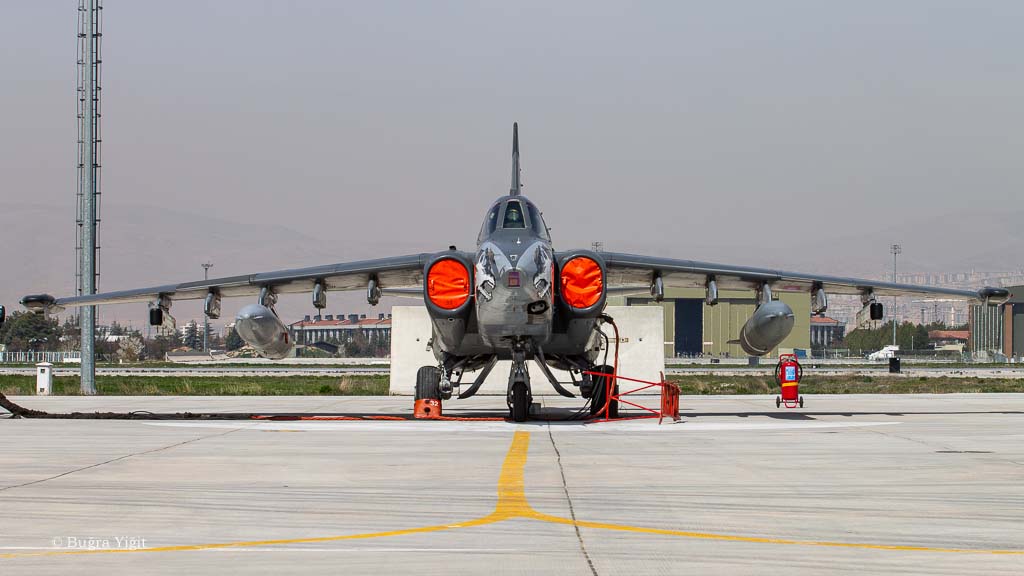
The most notable international participants in the static area were two Su-25ML close air support aircraft from the Azerbaijani Air Force. Modernized by Turkish Aerospace, these aircraft stood out both for their role in close air support missions and as a tangible example of defense industry cooperation between Türkiye and Azerbaijan.
The static display visit provided an opportunity to closely examine platform configurations and technical details, serving as an important preparation phase before the upcoming flight demonstrations and operational scenarios of the day.
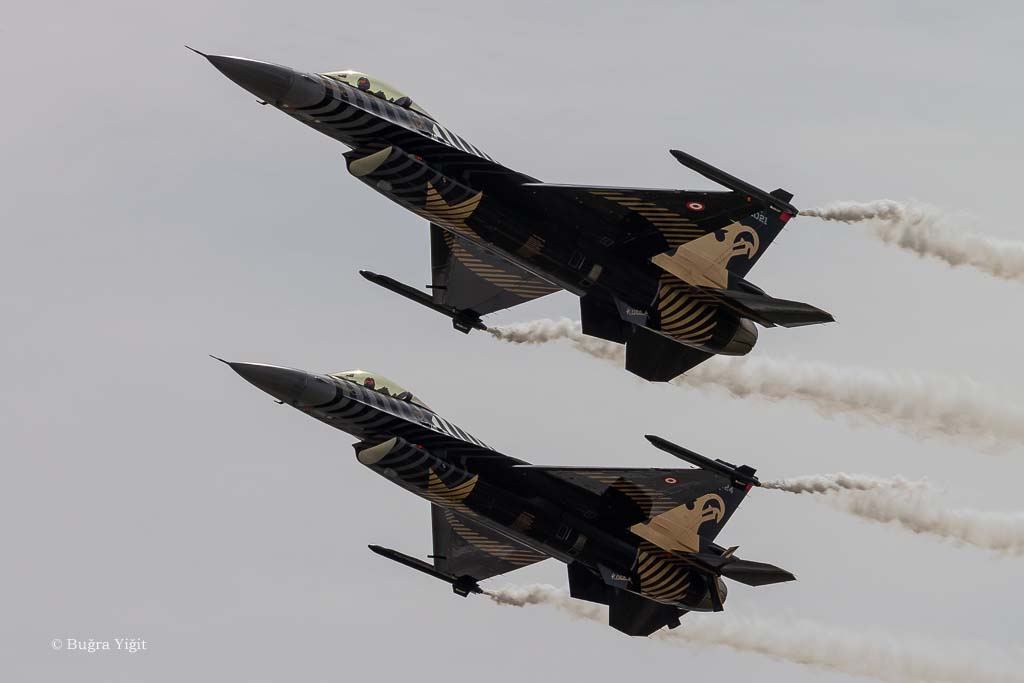
After the static area visit, the program continued from a different observation point. As part of the Turkish Air Force’s centennial activities, SoloTürk marked its 15th anniversary with a special demonstration flight performed by two F-16 Fighting Falcons.
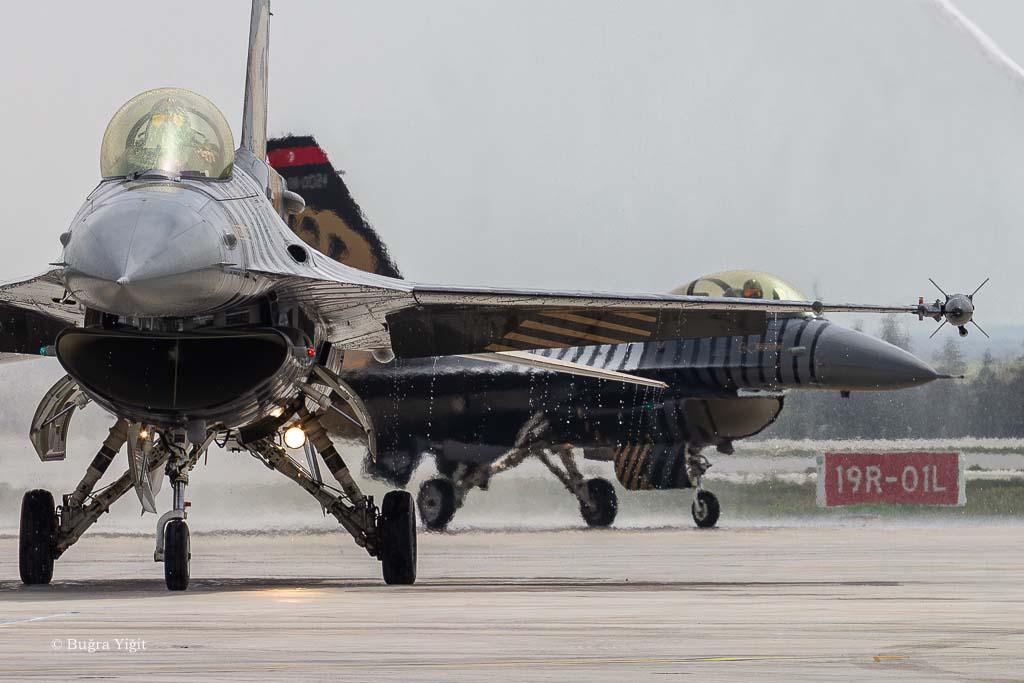
The demonstration flight was conducted by Air Pilot Lieutenant Colonel Murat Bakıcı and Air Pilot Major M. Erhan Aydemir. This time, SoloTürk departed from its traditional “solo” concept and performed with two aircraft flying in formation. The high-precision maneuvers and formation discipline once again demonstrated the F-16’s capabilities within its flight envelope.
Among the most striking moments for observers were synchronized low-altitude passes and high-G maneuvers. The ability of the two aircraft to maintain millimeter-level separation highlighted not only pilot skill but also the precision of mission planning and coordination.
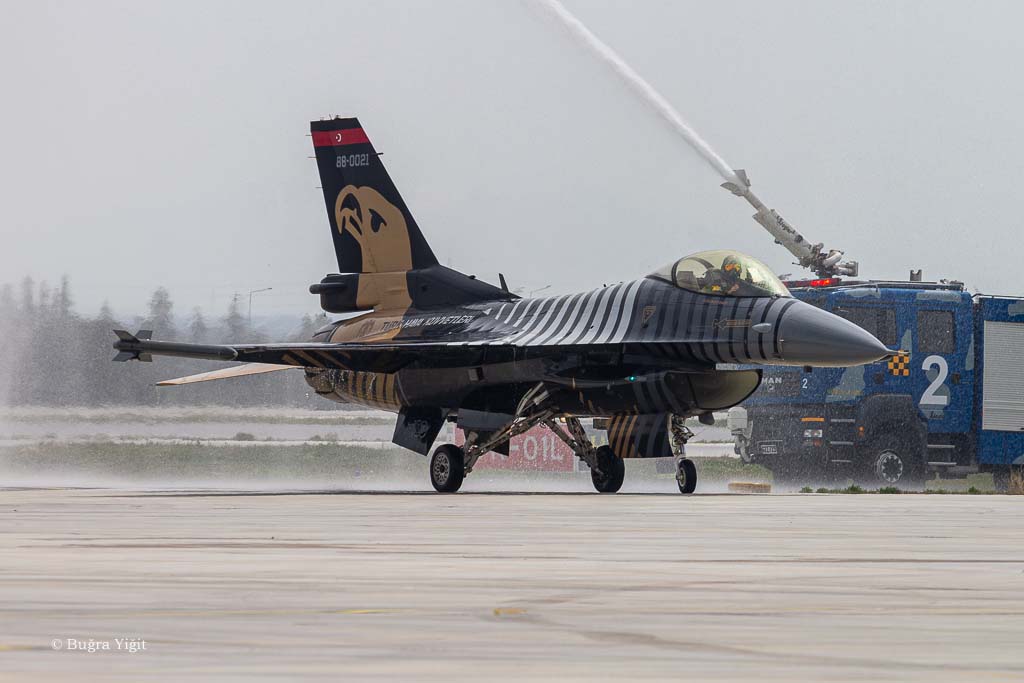
The water salute performed after the display served as a symbolic closure to SoloTürk’s 15th anniversary. This traditional aviation ceremony created a visually impressive finale for the audience on the ground.
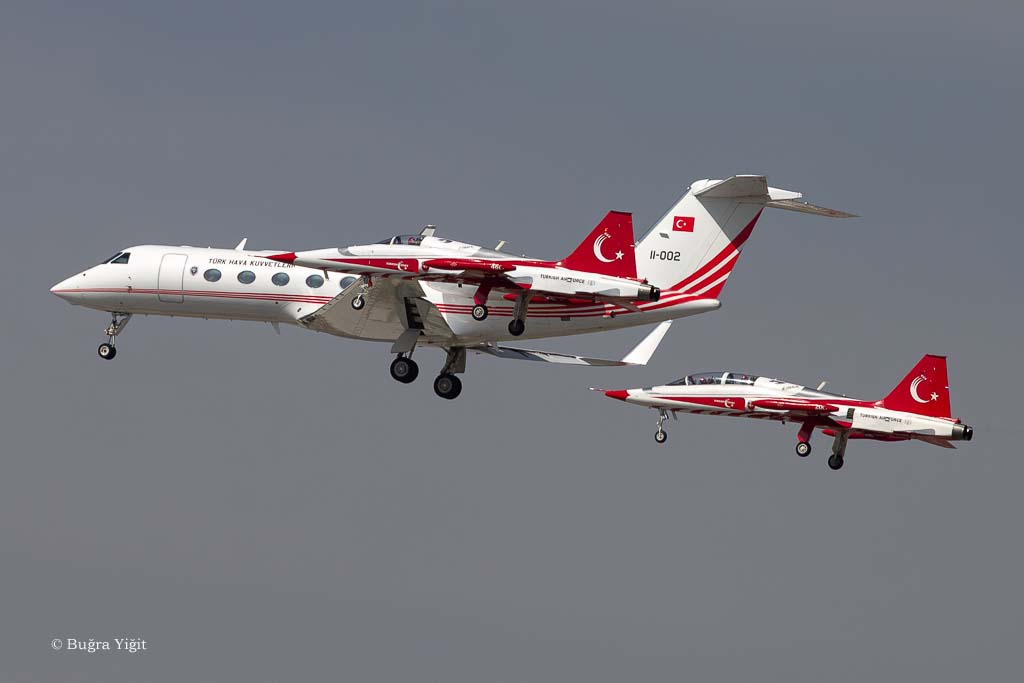
With the passage of participating air assets, the ceremonial phase was completed and the operational phase of the exercise officially began.
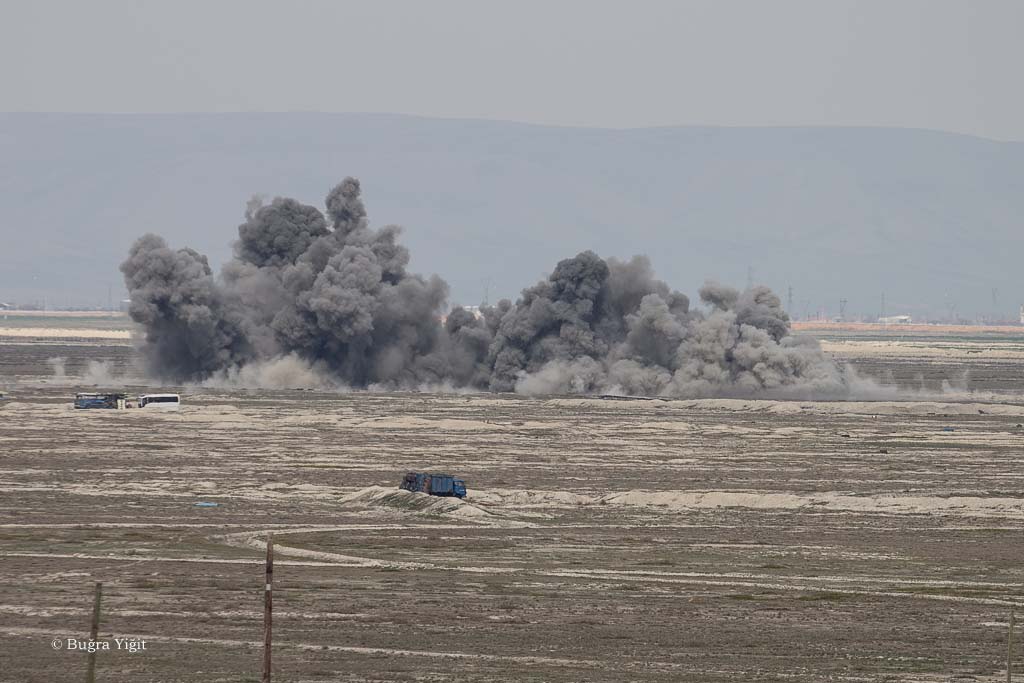
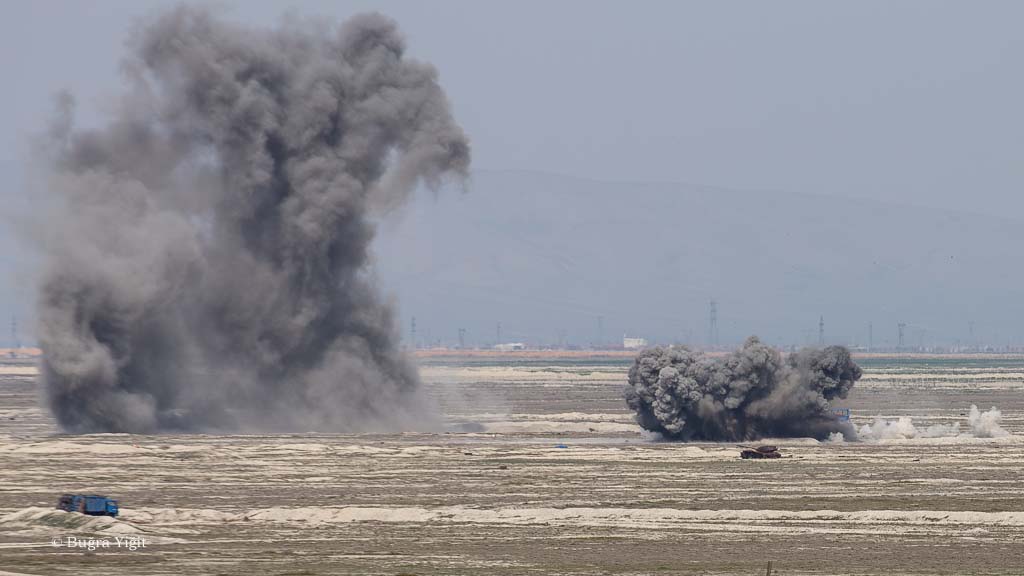
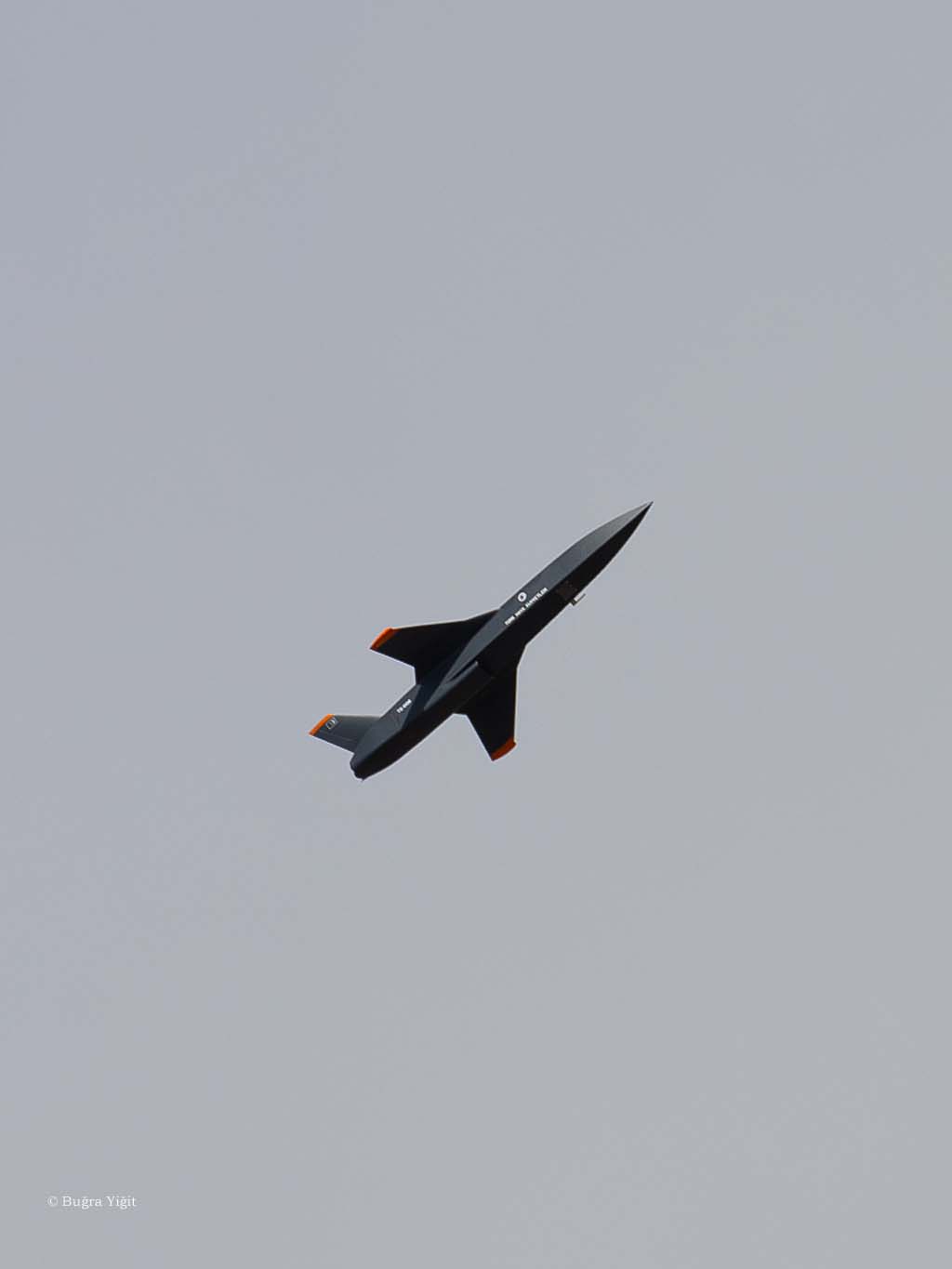
In the active phase of the exercise, an initial strike was conducted using the METE missile from an unmanned aerial platform against an SA-12 air defense radar. Target detection and engagement were coordinated through the command and control chain, resulting in successful neutralization of the target.
During the engagement process, sensor-to-shooter integration and data-link-based targeting were employed. The impact area was observed following the strike, and the mission was successfully completed.
In the following phase, the use of the “Super Şimşek” tactical UAV system was conducted via the TAI Aksungur platform. The system’s high-speed characteristics and low radar cross-section were tested within an electronic warfare and decoy scenario.
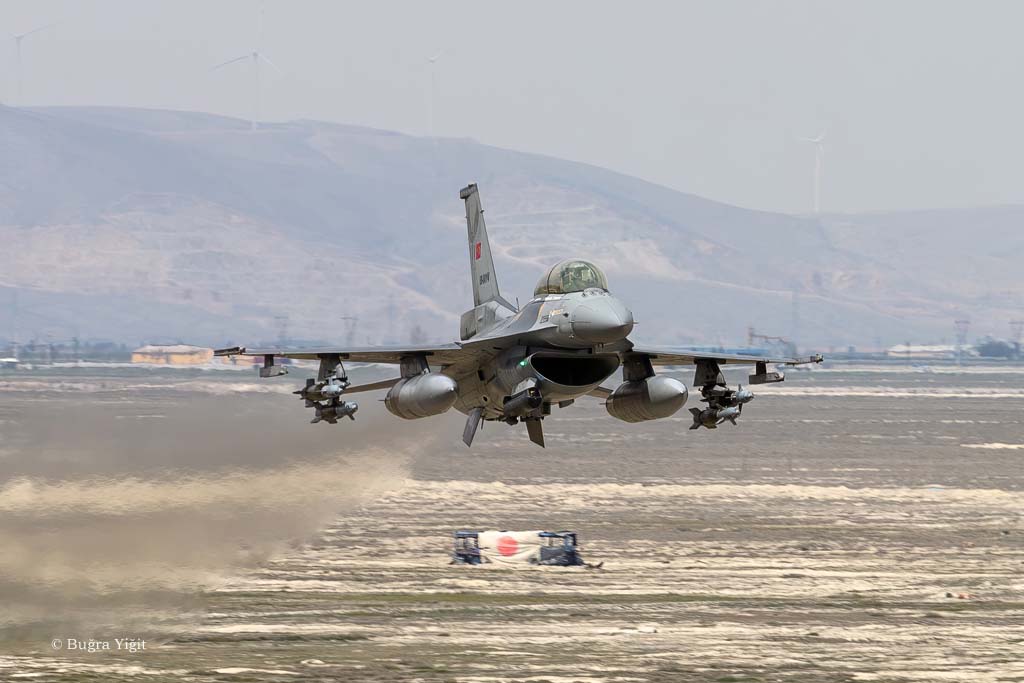
Subsequently, the employment of the SOM cruise missile from the F-16 Fighting Falcon was simulated. Conducted as a scenario-based execution rather than a live firing, the mission demonstrated long-range precision strike capability and operational planning concepts.
In the next phase, a TEBER guided munition was employed from the Bayraktar Akıncı platform against an SA-8 air defense system. The engagement demonstrated precision strike capability and the suppression of air defense threats.
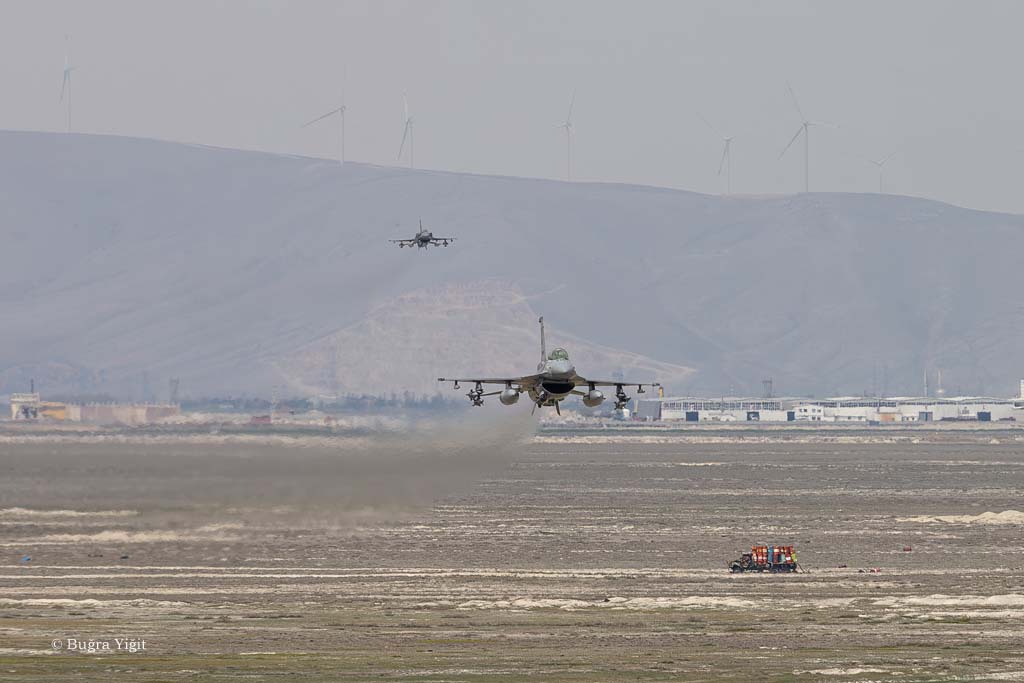
Simultaneously, F-16 Fighting Falcon aircraft engaged the ZSU-23-4 air defense system using LGK-82 and Mk-82 munitions. This mission represented one of the close air support (CAS) elements of the exercise.
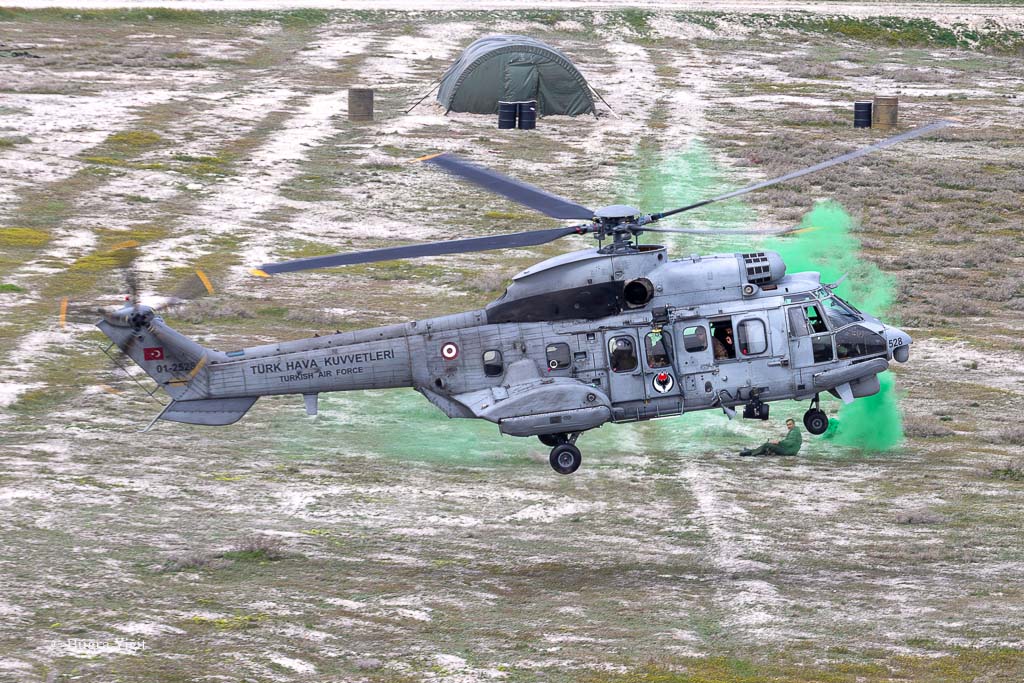
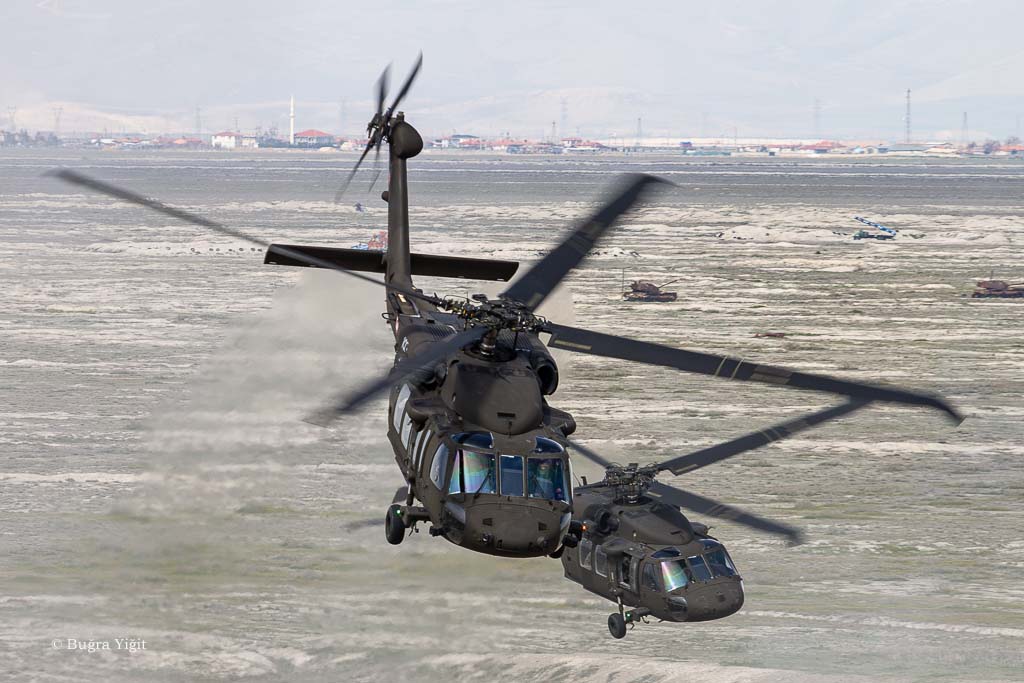
With the inclusion of rotary-wing assets, the scenario evolved into a more complex structure. Helicopter platforms conducted an operation involving the identification and evacuation of a high-value target. Coordinated air and ground elements executed low-altitude ingress profiles to reach the target area and complete the evacuation.
Following this phase, the scenario transitioned into Combat Search and Rescue (CSAR). A simulated emergency was conducted in which a pilot ejected from an F-16 due to a malfunction. Search and rescue assets, in coordination with ground control elements, secured the operational area.
Simultaneously, F-16 aircraft conducted “gun strafe” runs against identified hostile elements in the area, clearing the landing and recovery zone. After air superiority was established, helicopter assets entered the area, located the pilot, and successfully completed the extraction.
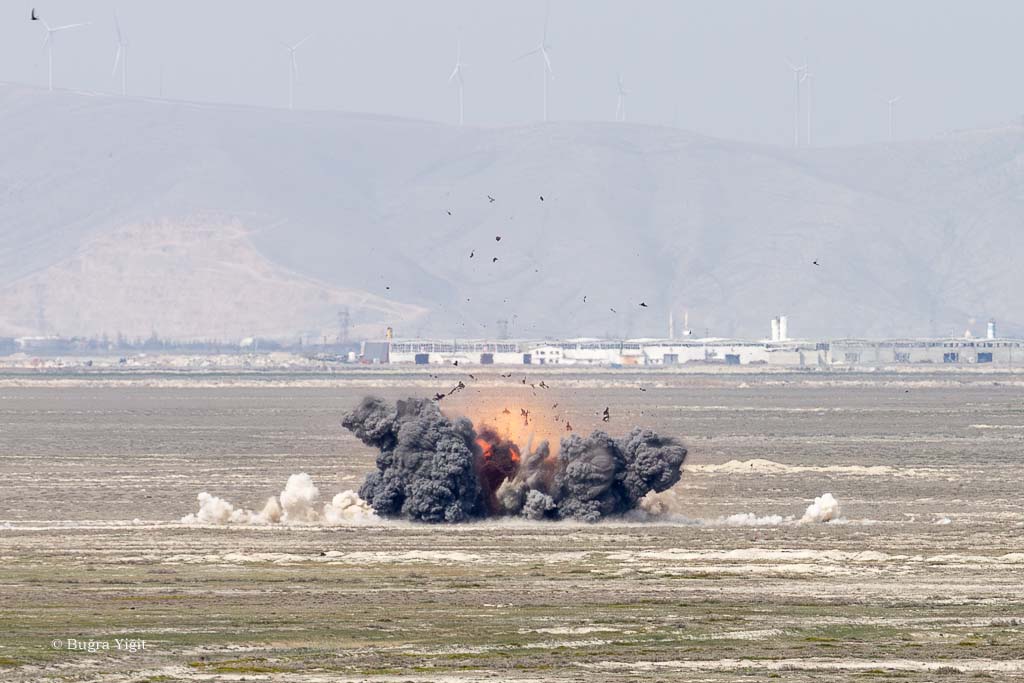
This phase represented one of the most intense demonstrations of air-ground integration during the exercise.
Upon completion of the active phase, participants returned to base. The missions conducted throughout the day combined multiple aspects of modern air operations into a single high-tempo operational scenario.
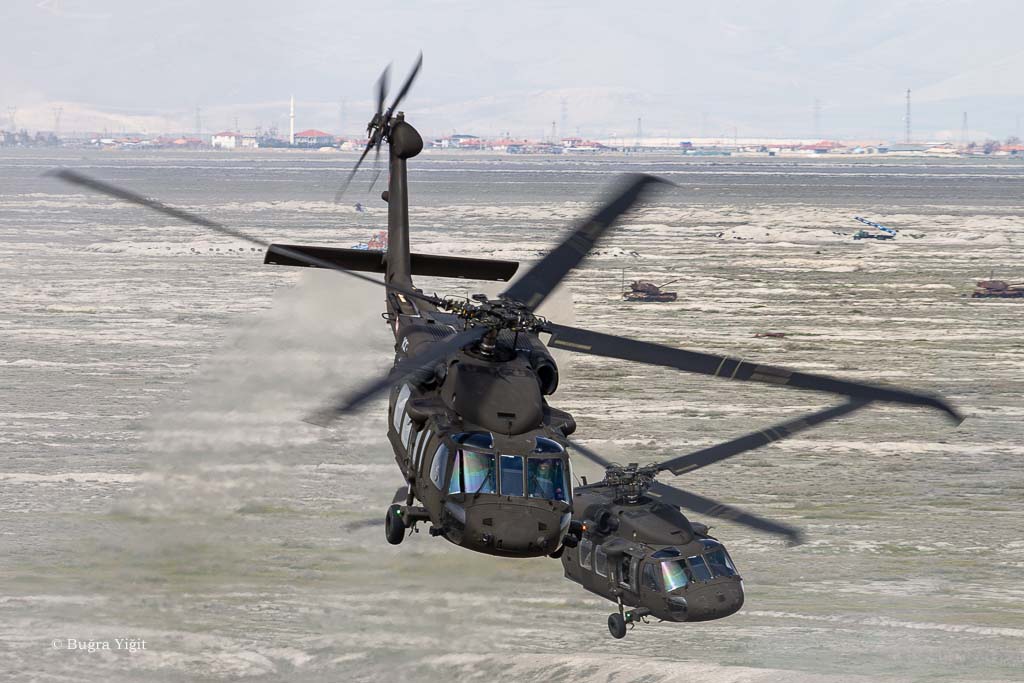
The time spent in the field was not merely an observation of an exercise, but an opportunity to witness how air-ground integration and multinational interoperability are shaped in practice. At the end of the day, what remained was a dense and immersive experience demonstrating the discipline of a planned operation and its close resemblance to real-world mission tempo.
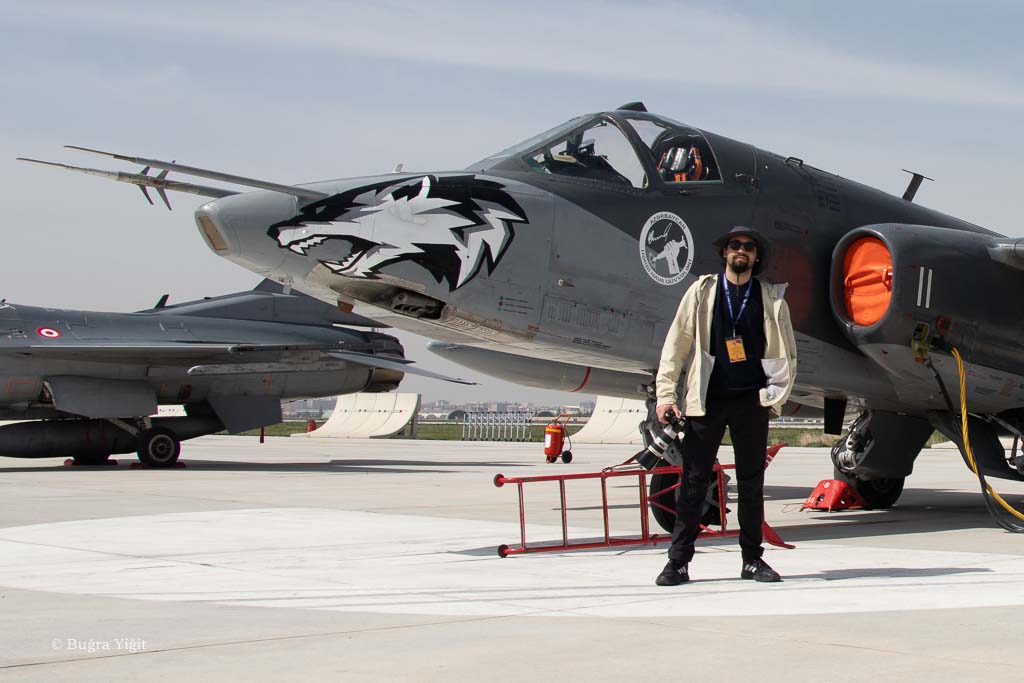
The author in front of one of the Su-25s of the Azerbaijani Air Force