Story and photos by Scott Jankowski
Nearly 70 years ago the United States Air Force decided to solicit designs from smaller aircraft manufacturers under the code name “Bald Eagle”, it would give contracts for a new reconnaissance aircraft. This aircraft would need to be capable of flying at 70,000 feet and have a range of 1,700 miles. The thought process at the time was an aircraft that could fly at 70,000 feet would be beyond the range of Soviet fighters, radars, and missiles. Lockheed was not one of the selected companies to provide a proposal but did hear about the project and submitted an unsolicited proposal. This is where our story of one of the most iconic aircraft of the Cold War and beyond was born.
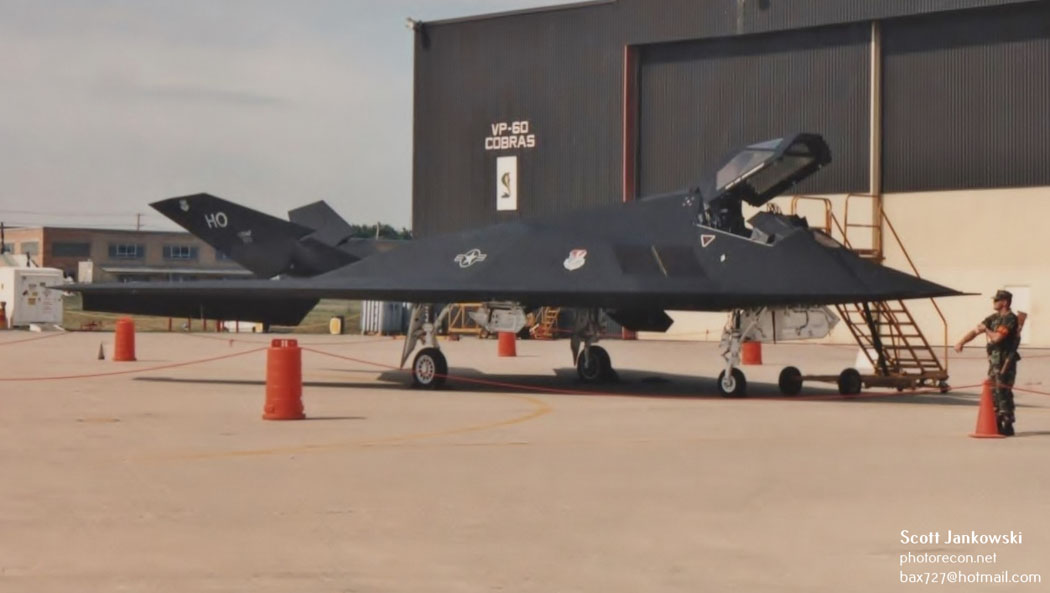
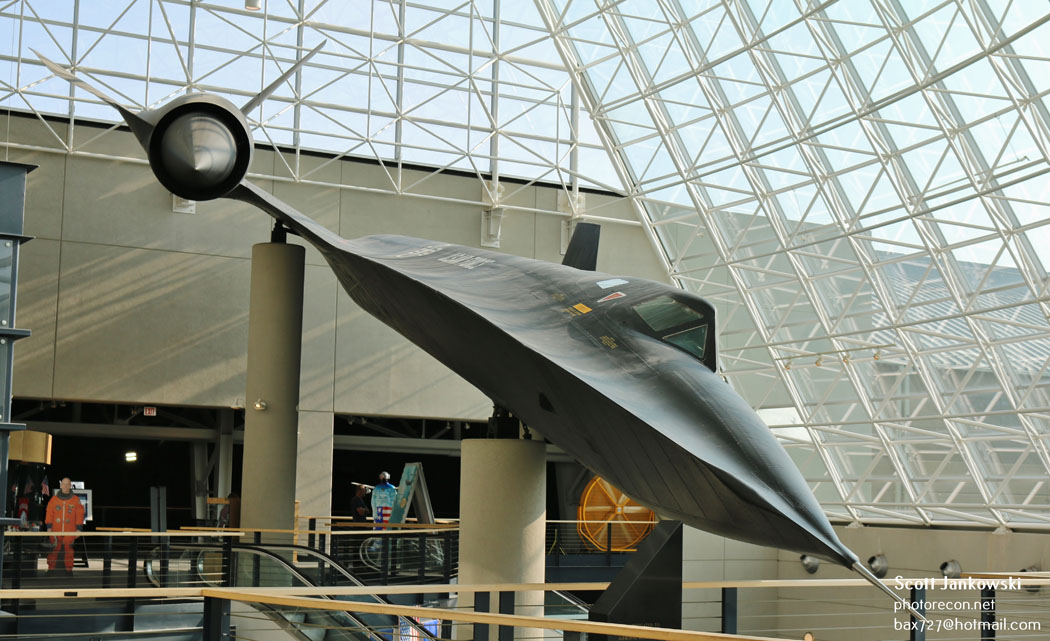
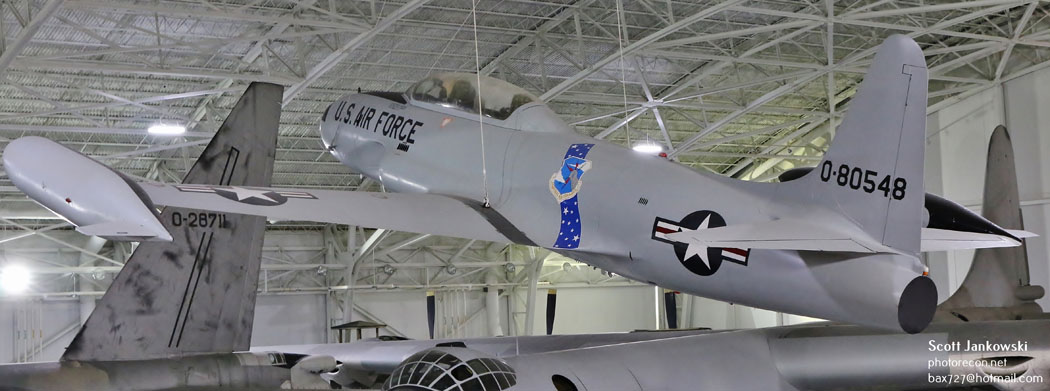
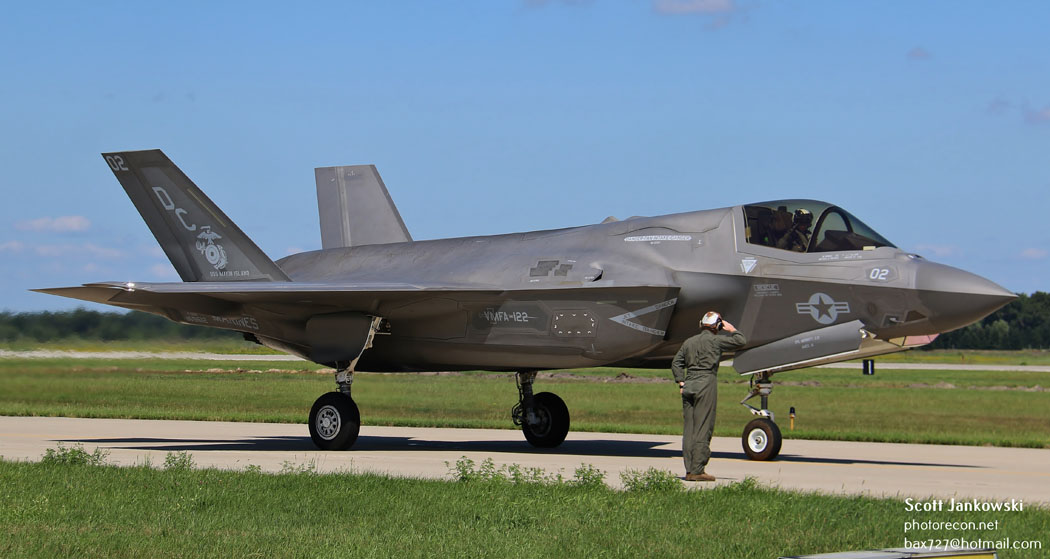
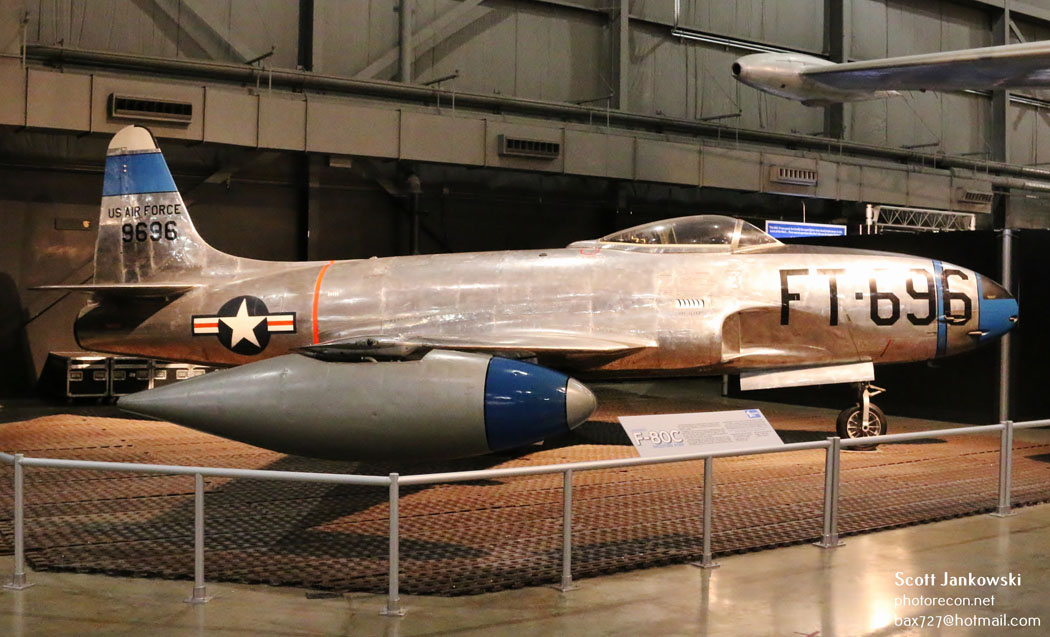
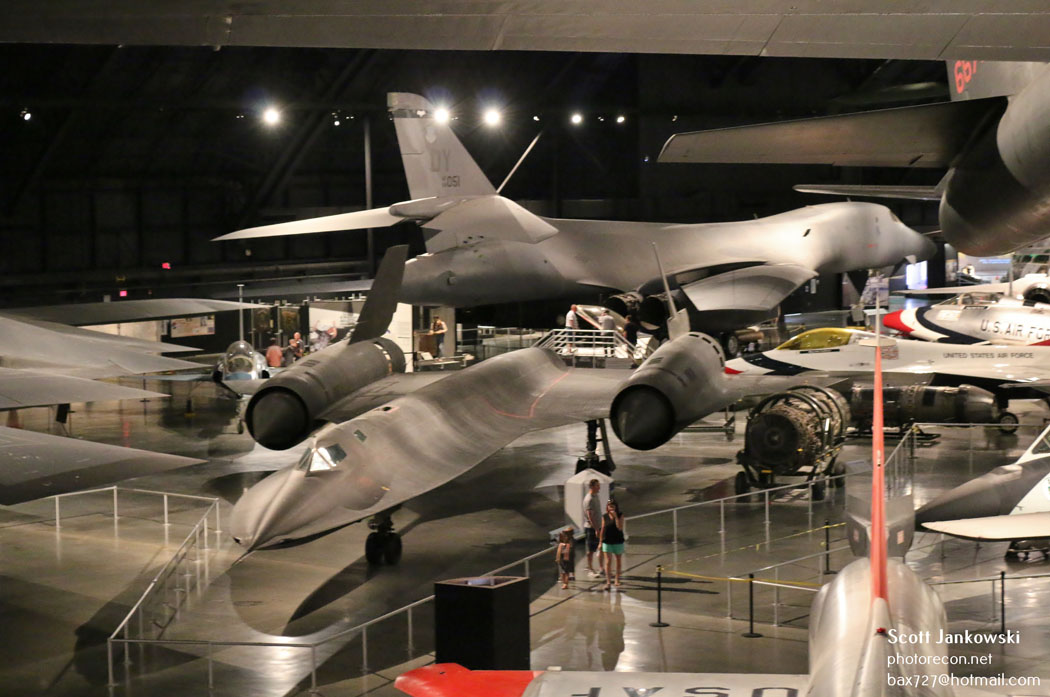
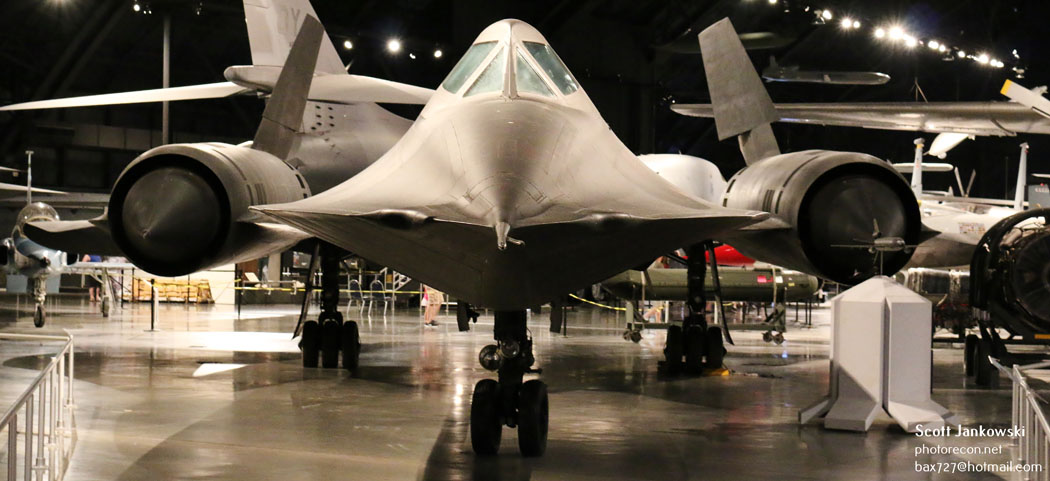
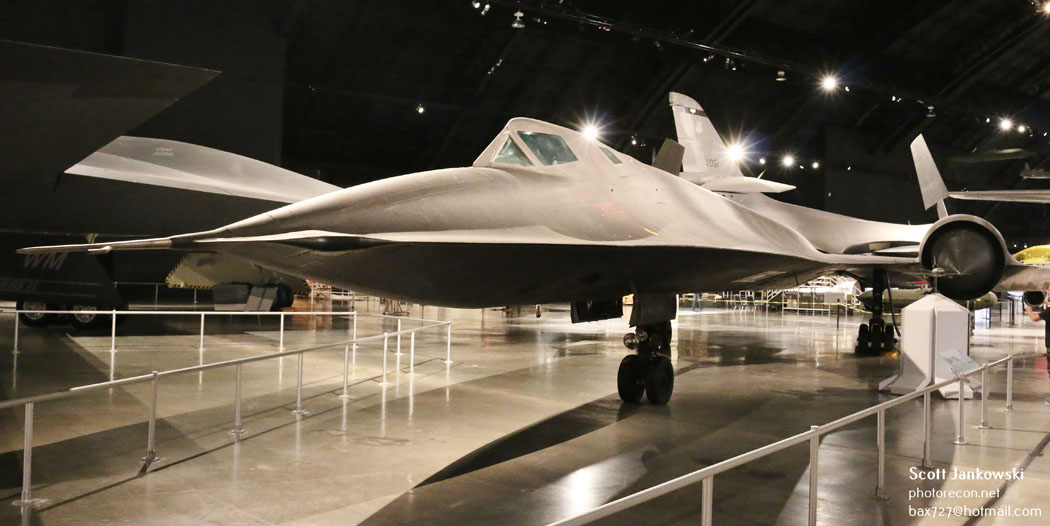
Lockheed would task Clarence “Kelly” Johnson to come up with a design, Johnson worked for a separate division of Lockheed known as the “Skunk Works.” “Skunk Works” is an official pseudonym for Lockheed’s Advanced Development Programs. This division is responsible for a number of aircraft designs, highly classified research and development programs, and exotic aircraft platforms. The “Skunk Works” name came from Al Capp’s comic strip Li’L Abner which was very popular from 1935 to the 1950’s. In the comic Skonk Works was a dilapidated factory in the backwoods of Kentucky that brewed and barreled oil from skunks and worn-out shoes. The toxic fumes of the smell would kill several locals by the Skonk Oil. When Lockheed was developing the P-80 Shooting Star, the team was located adjacent to a very odiferous plastic factory. One of the engineers referred to the facility as the “Skonk Works” and even answered the phone identifying the group as the “Skunk Works.” In the 1960’s the comic strip copyright holders asked Lockheed to change the name, hence “Skunk Works” was chosen, a name which Lockheed copyrighted and still uses today. The “Skunk Works” division is responsible for the design and development of iconic aircraft like the P-38 Lightning, P-80 Shooting Star, U-2 Dragon Lady, SR-71 Blackbird, F-117 Knighthawk, F-22 Raptor and the F-35 Lightning II.
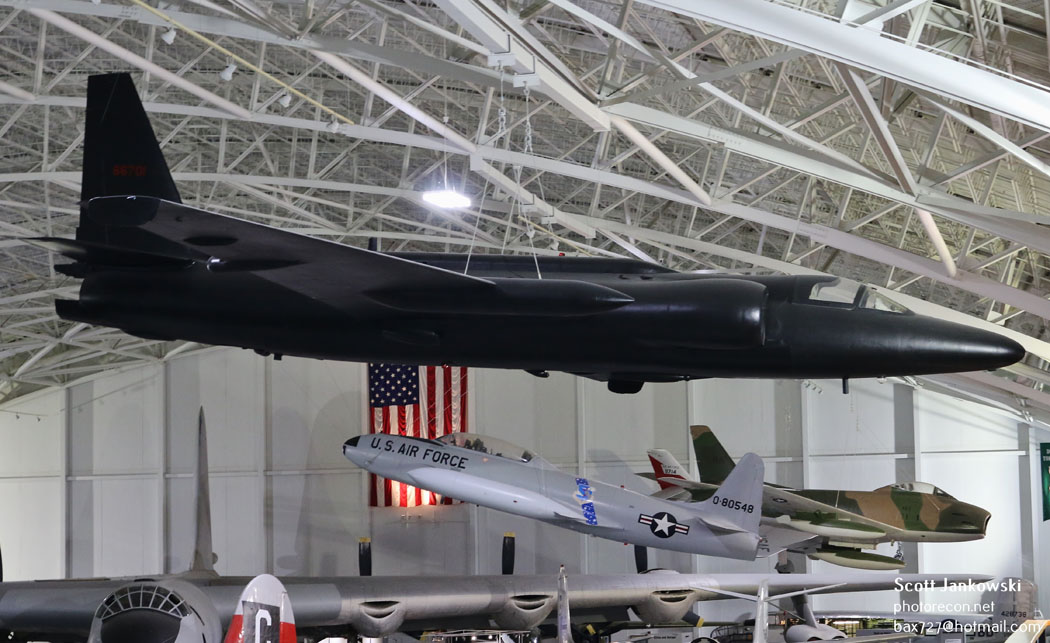
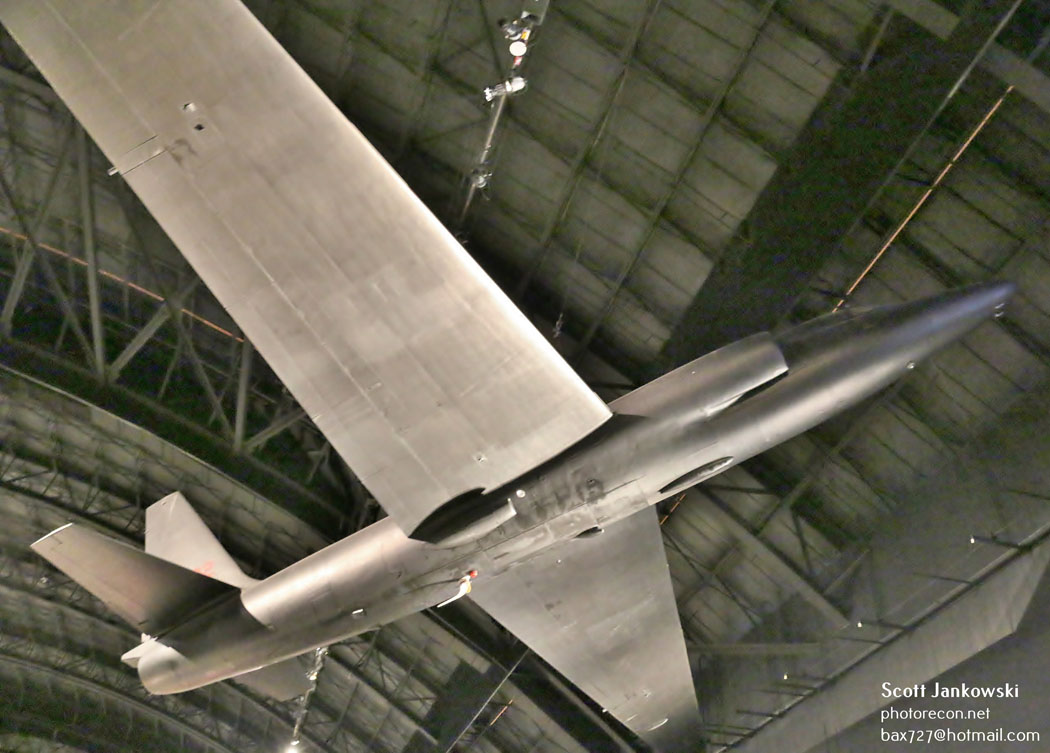
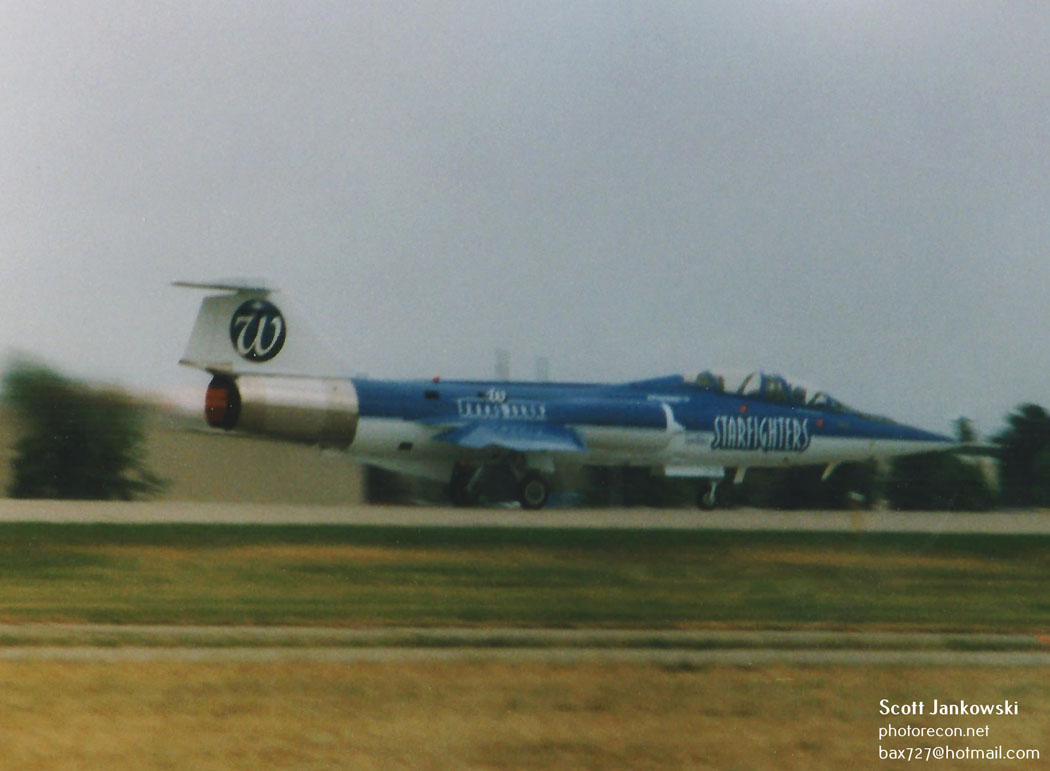
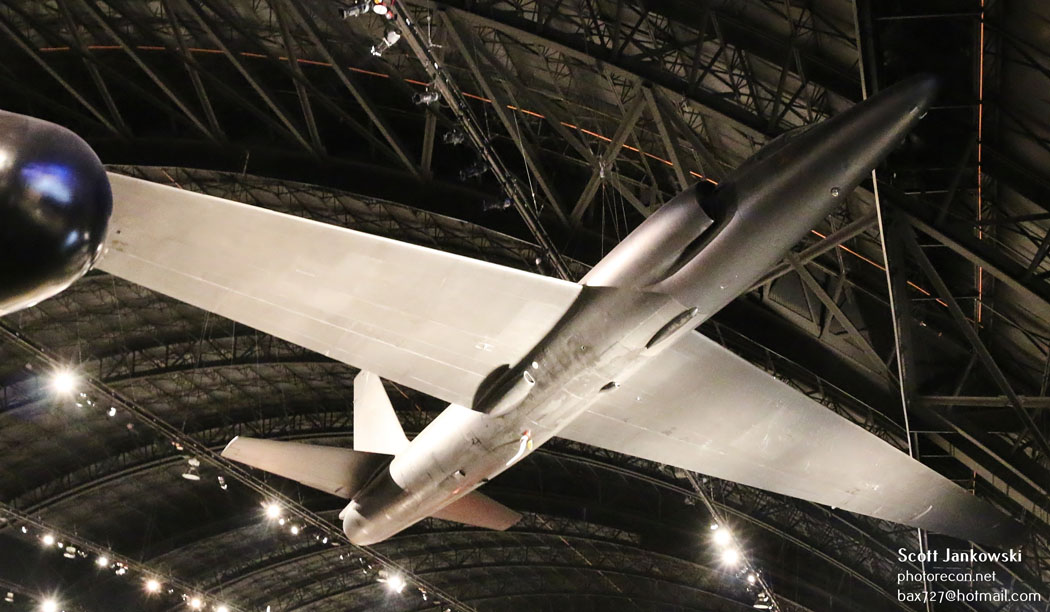
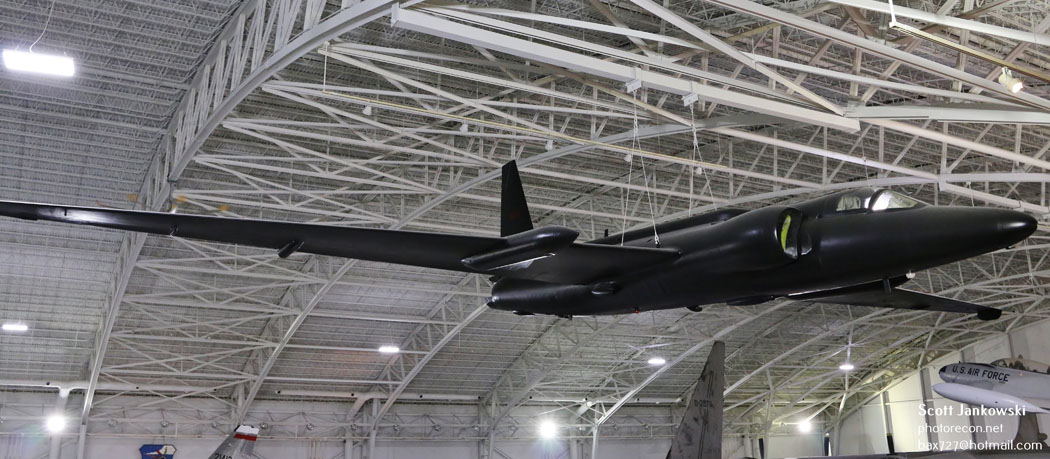
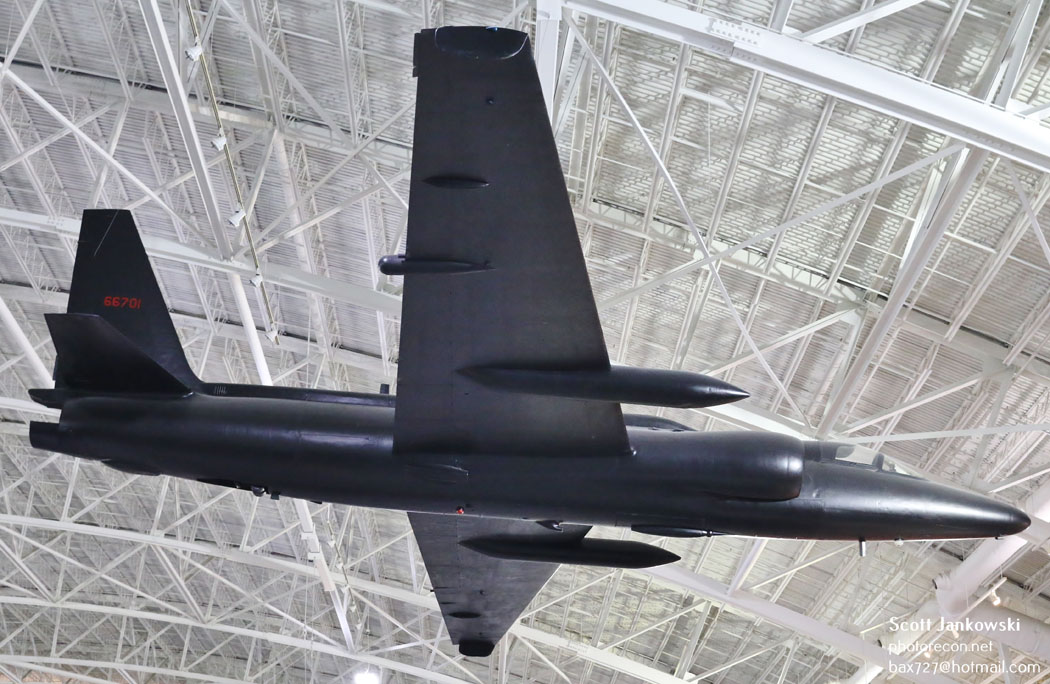
In the days after World War II the United States Military desired a better strategic aerial reconnaissance platform to help monitor the Soviet Union and to prevent another sneak attack like Pearl Harbor. In the 1950’s the highest-flying aircraft at the time was the American license-built Martin B-57 originally built by the English Electric company and named the Canberra. The American version designated the RB-57D, it had a maximum altitude of 64,000 feet and a range of 3,115 miles. The RB-57D was a decent platform at the time, but it was showing its age and needed to be replaced. The design that Johnson came up with was referred to as the CL-282 and was based off the Lockheed F-104 Starfighter. The design took off from a special cart and landed on its belly, it was basically a jet powered glider with a shortened fuselage and long slender wings.
In 1954 the CL-282 was selected as the next high altitude reconnaissance platform. The initial aircraft would not be operated by the United States Air Force; however, it would be the CIA (Central Intelligence Agency) that would be the operator. The initial design work would be done at the Burbank factory under the CIA cover story that involved experimental rocket aircraft. Naturally, the aircraft could not be tested out of Burbank to keep it top secret, so land was acquired in the area that would become Area 51. The first aircraft known as “article 341” was dismantled and flown to Groom Lake Neveda for testing. In July of 1955, the aircraft would be officially renamed the U-2, the “U” (very vague) designation was deliberately used as this designated a utility aircraft as opposed to “R” for reconnaissance, U-1 and U-3 were already used. The CIA assigned the cryptonym AQUATONE to the project, while the United States Air Force used OILSTONE for their support they provided to the CIA.
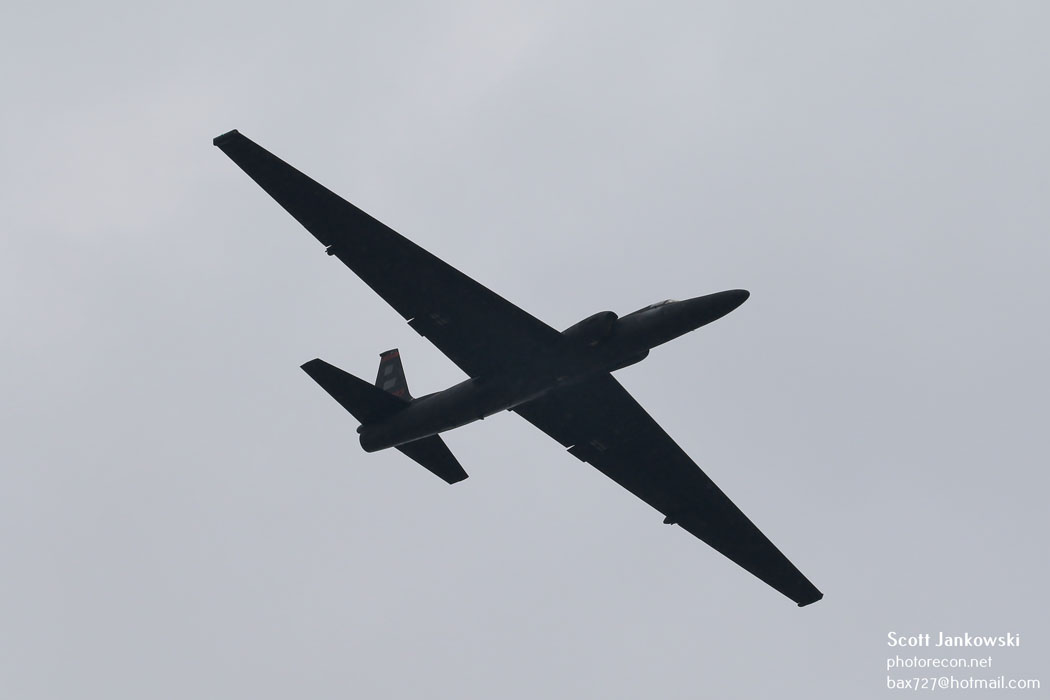
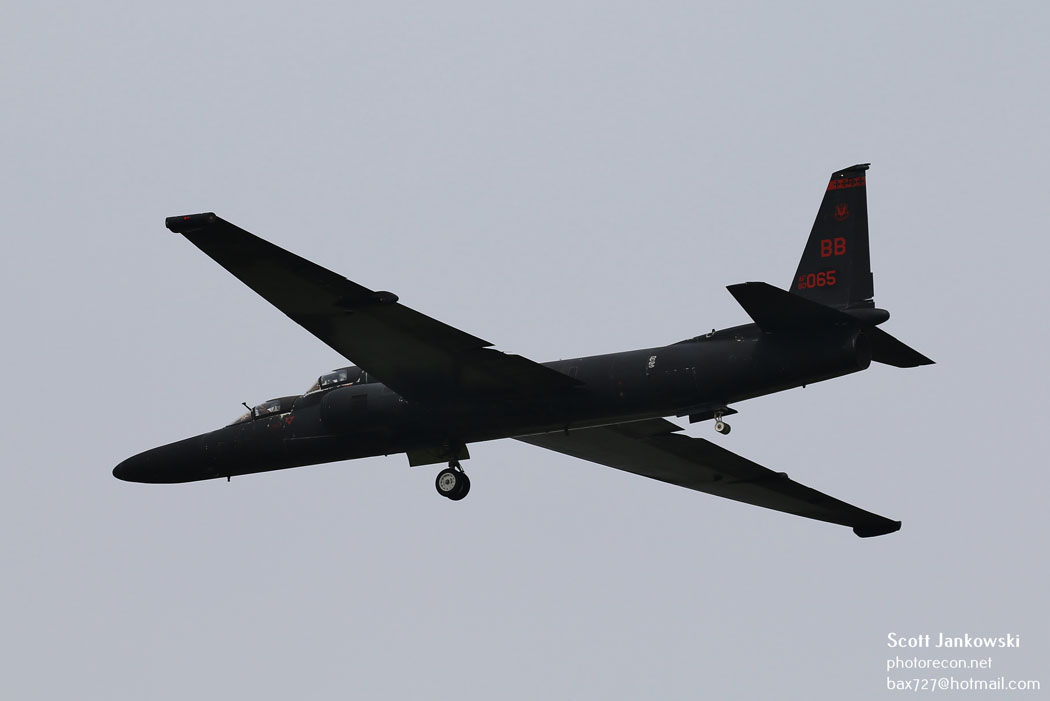
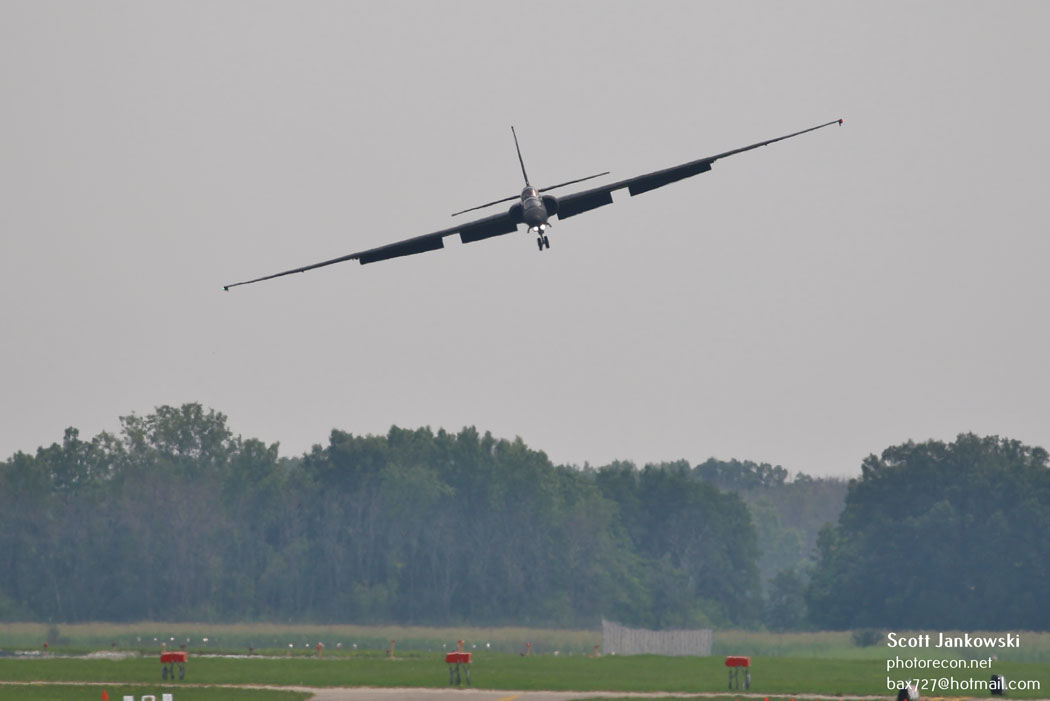
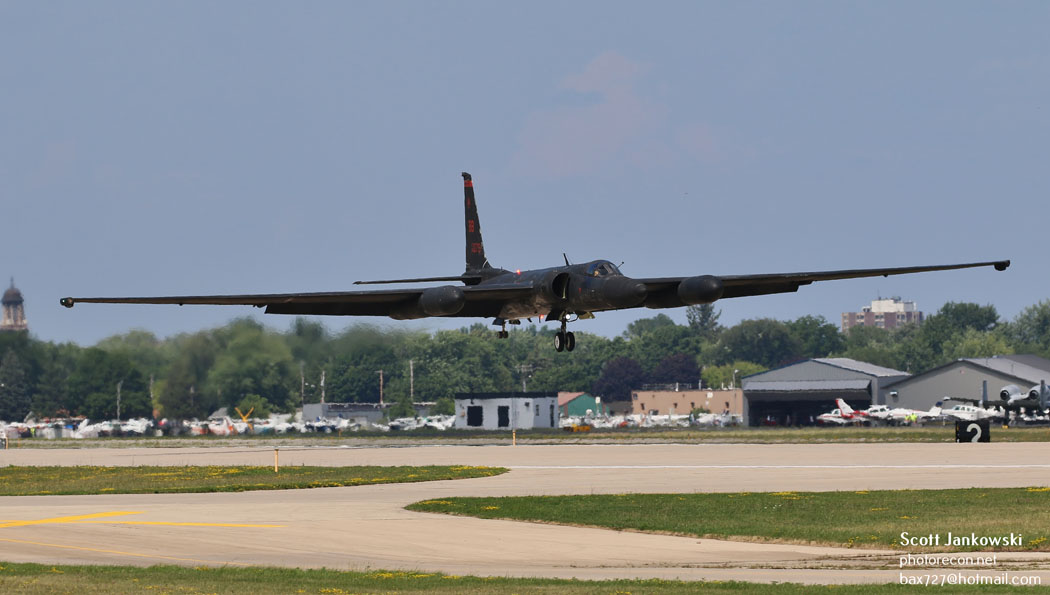
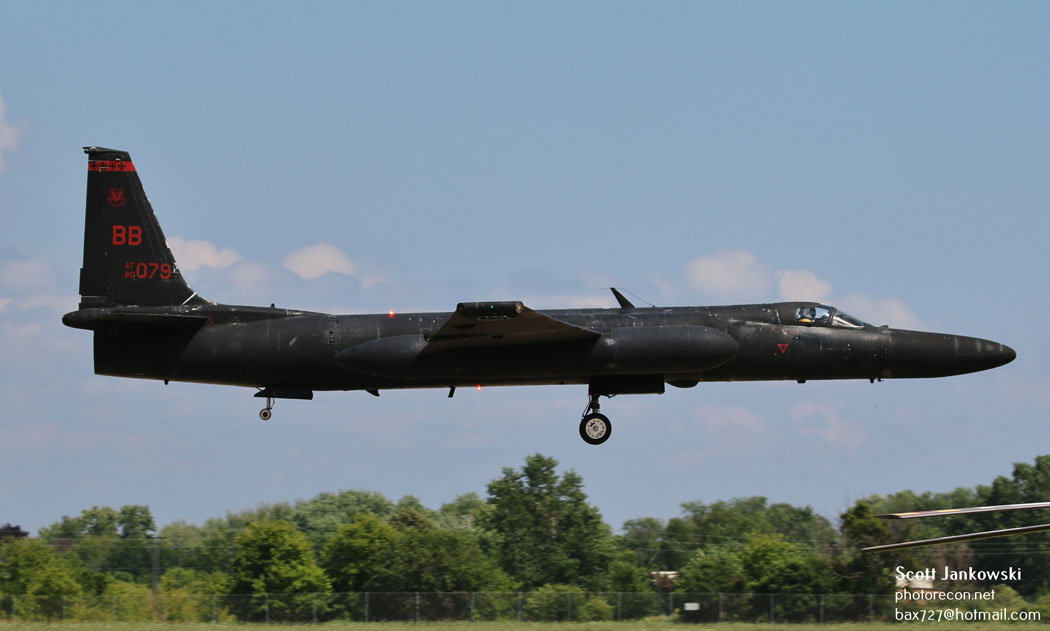
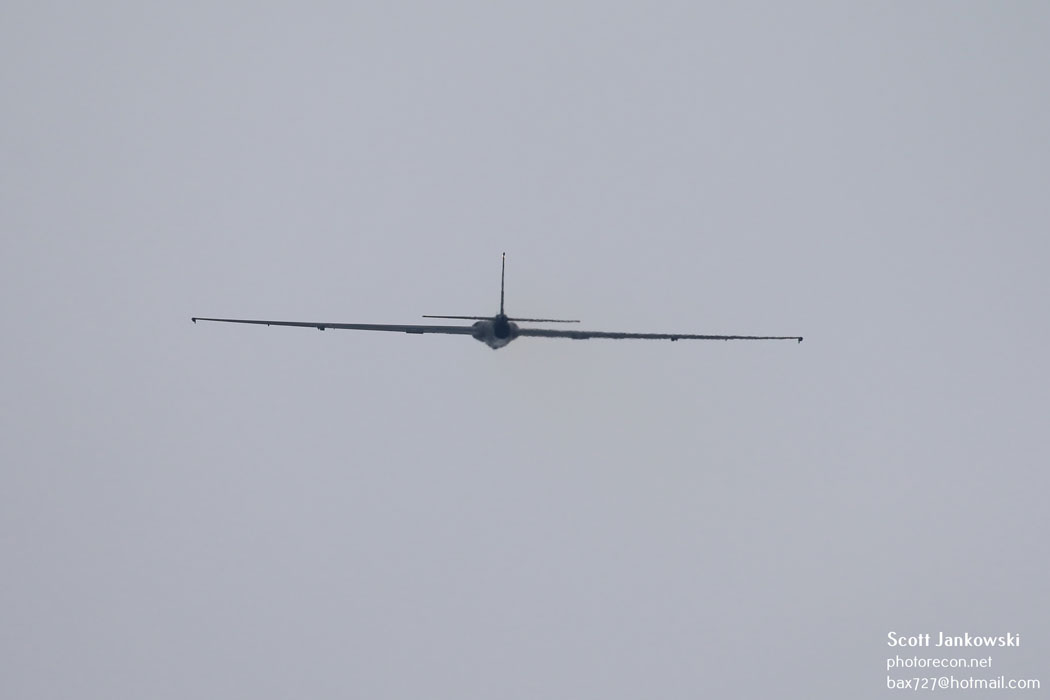
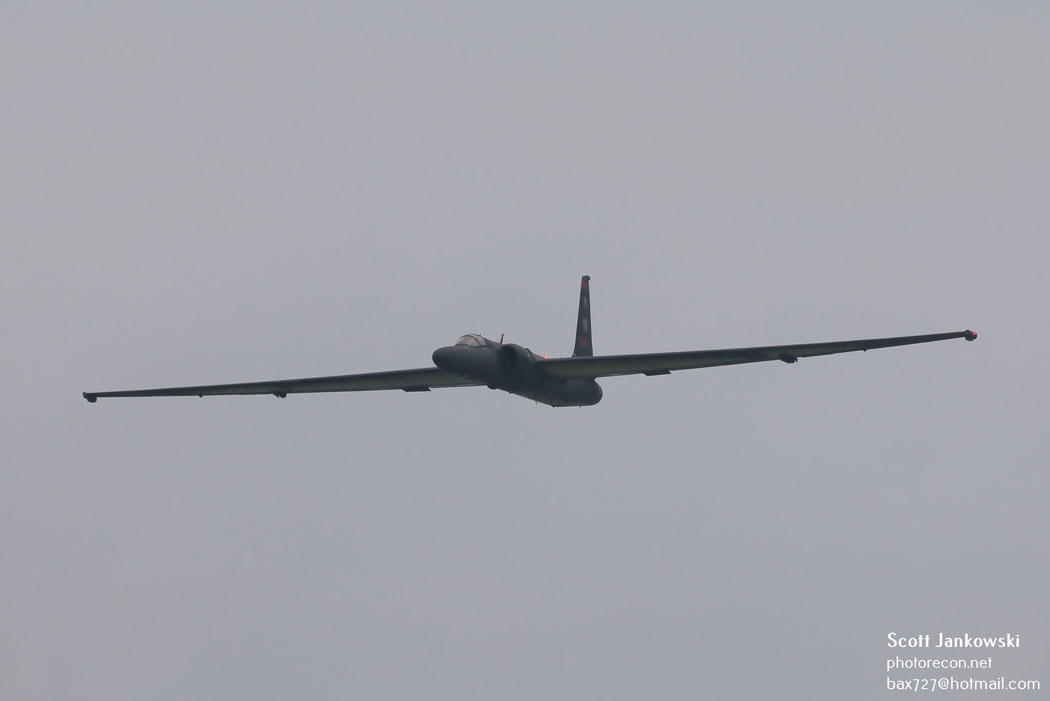
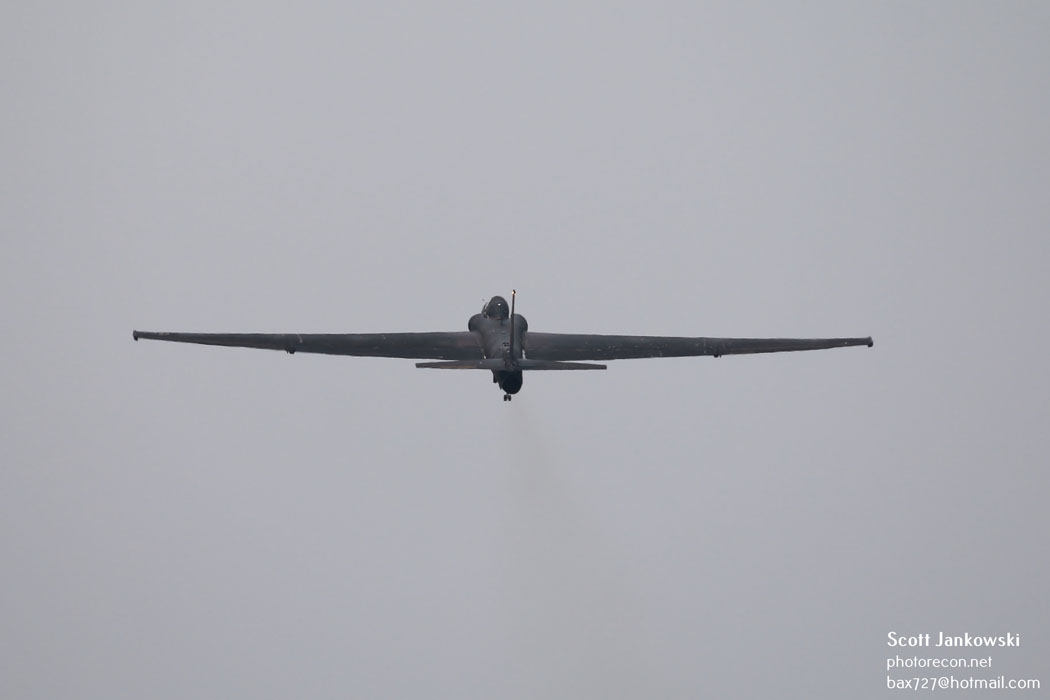
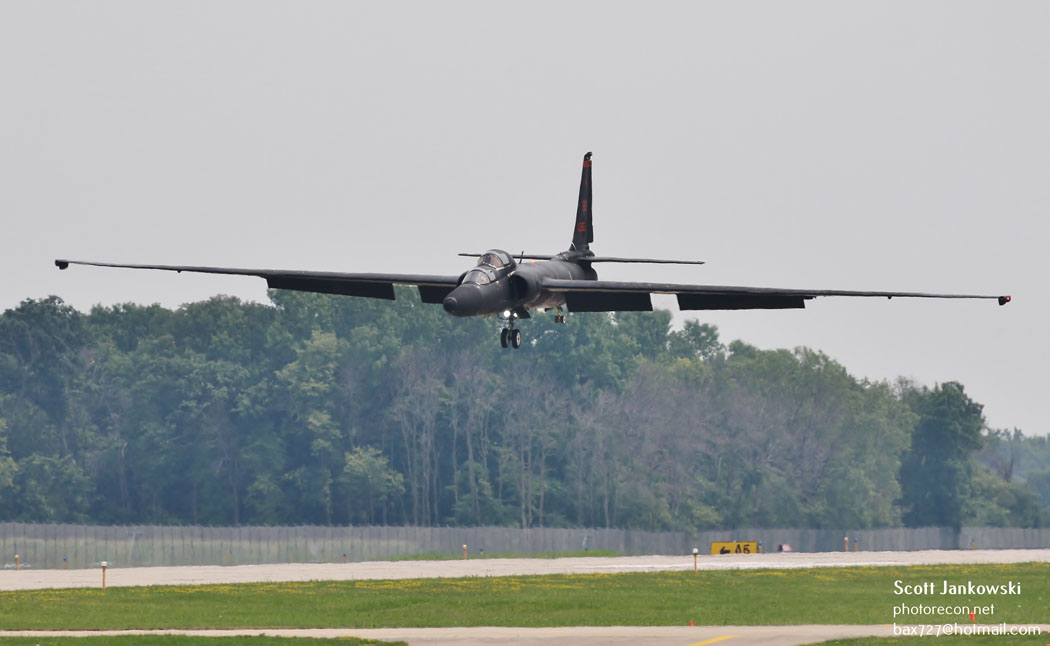
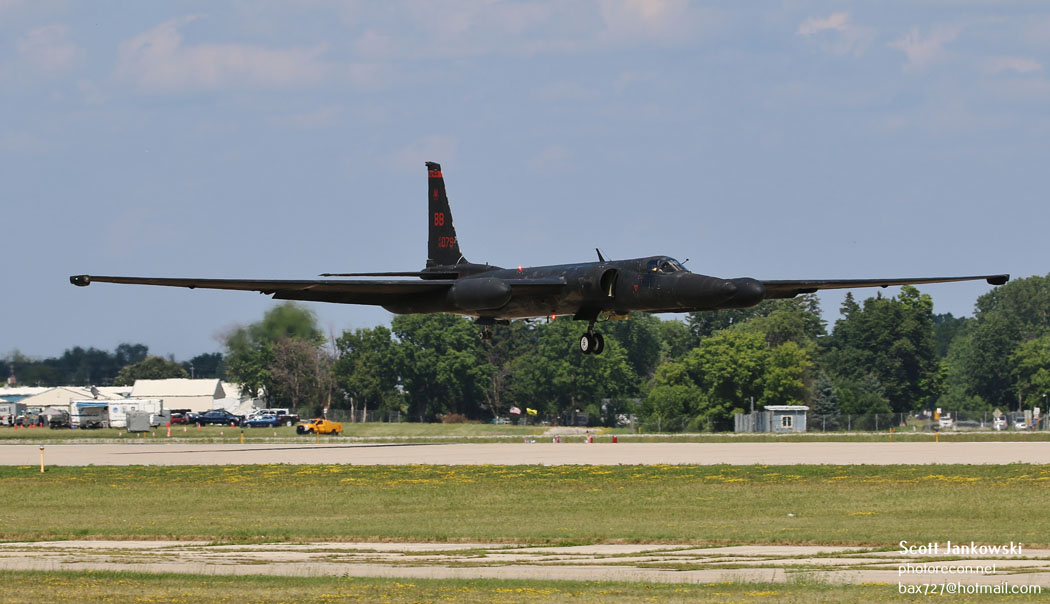
The design of the U-2, which gives it its remarkable performance, also makes it a very difficult and tricky aircraft to fly. The U-2 was designed and manufactured for minimum airframe weight which results in an aircraft that leaves little margin for error. The U-2’s high aspect ratio wings give the U-2 glider like handling characteristics, the early models had to fly near the never exceed speed which is only 10 knots difference from the stall speed to maintain operational altitude, this narrow window is called the “coffin corner.” Most of the time during a typical mission the U-2 flies at 70,000 feet and the aircraft is being flown less than 5 knots above the stall speed. The flight controls are designed for high altitude flight, the controls require light inputs and at operational altitude in the thinner air, however at lower attitudes in the denser air the lack of a power assisted control system make the aircraft difficult to fly. The control inputs must be extreme to achieve the desired response and a great deal of physical strength is needed to operate the controls. The U-2 is also very sensitive to crosswinds which together with the tendency to float over the runway make it difficult to land. As the U-2 approaches the runway the cushion of air provided by the wings in ground effect is so extreme that it will not land unless the wings are fully stalled.
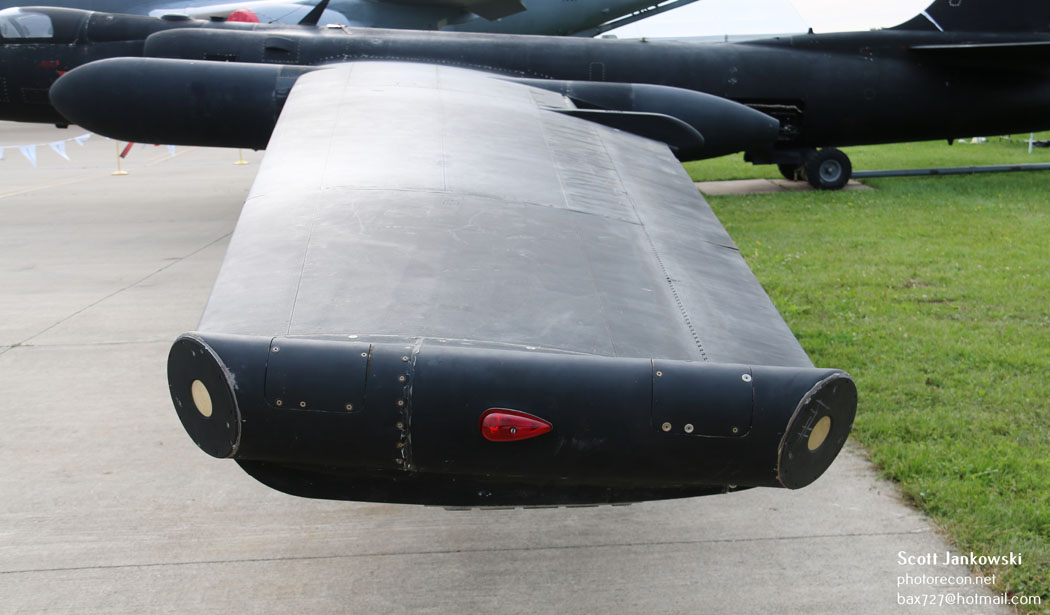
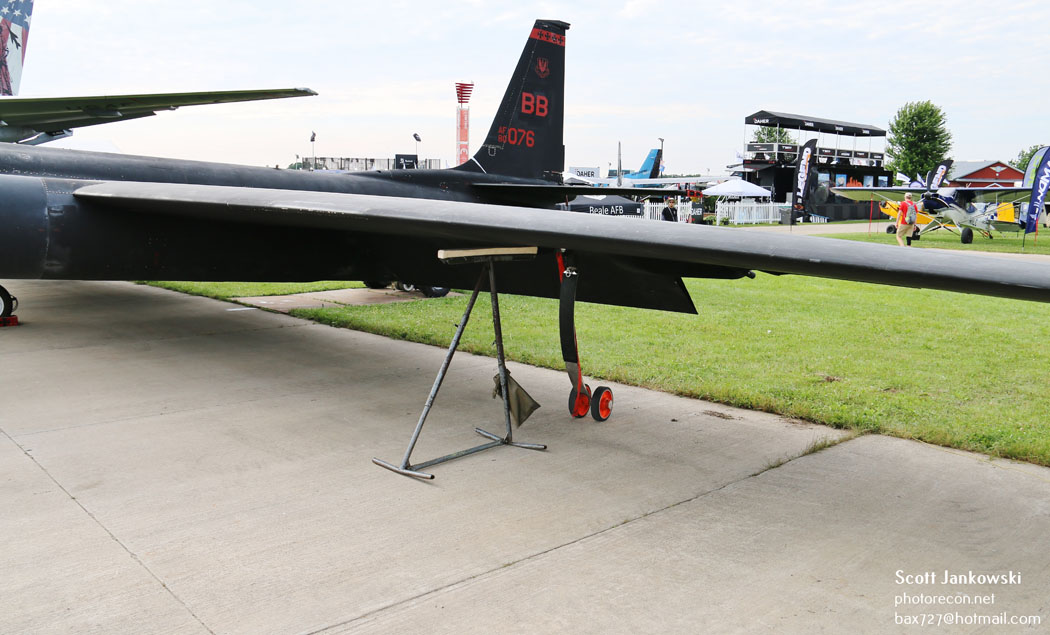
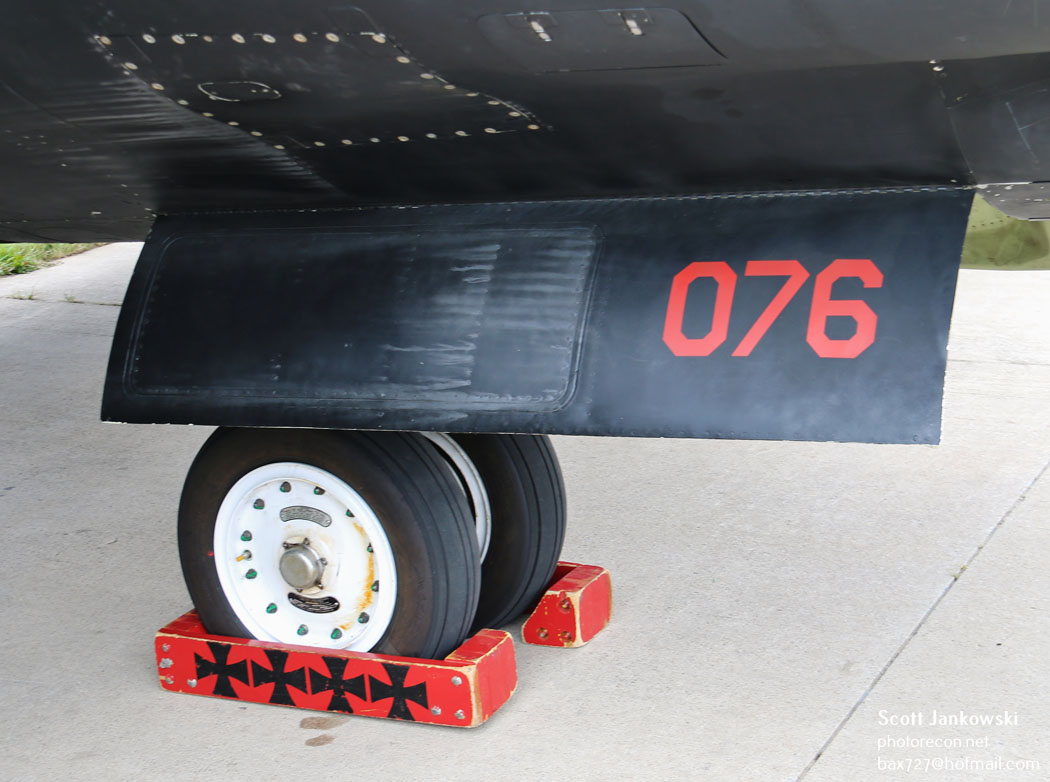
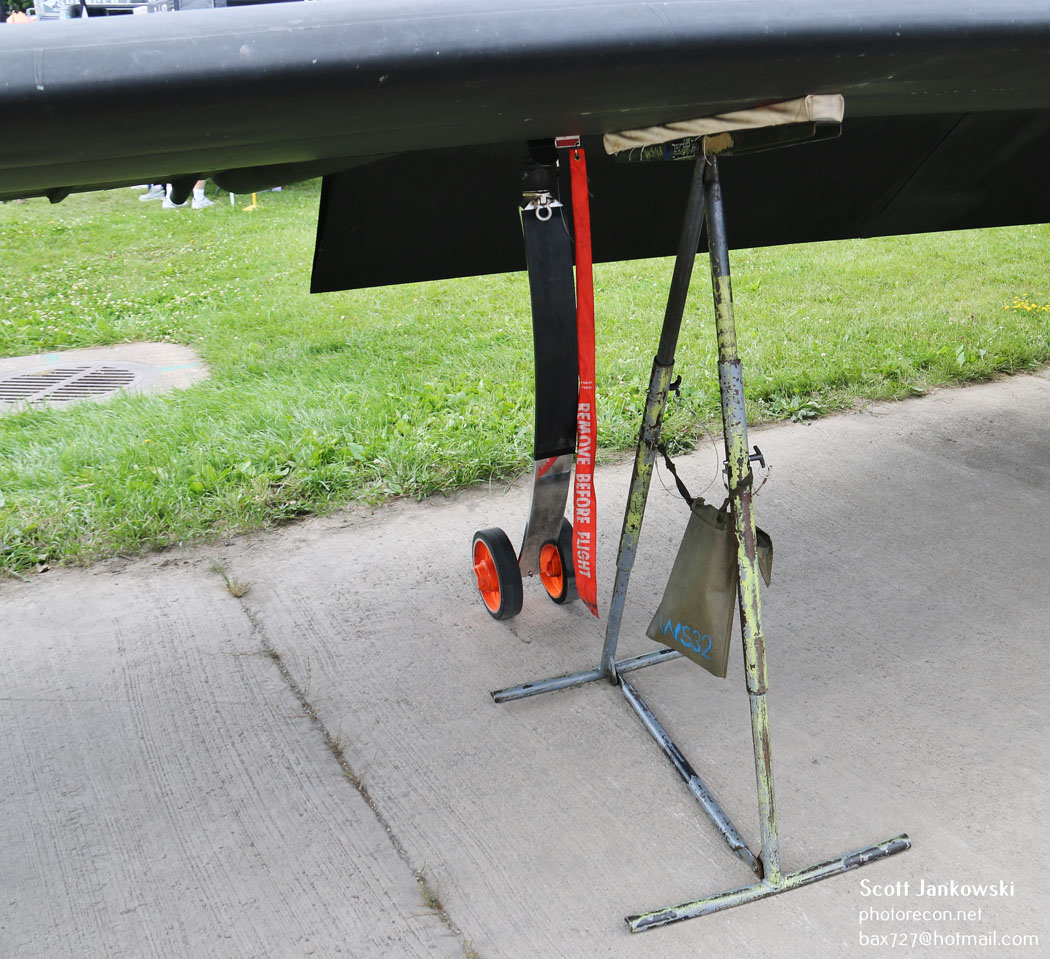
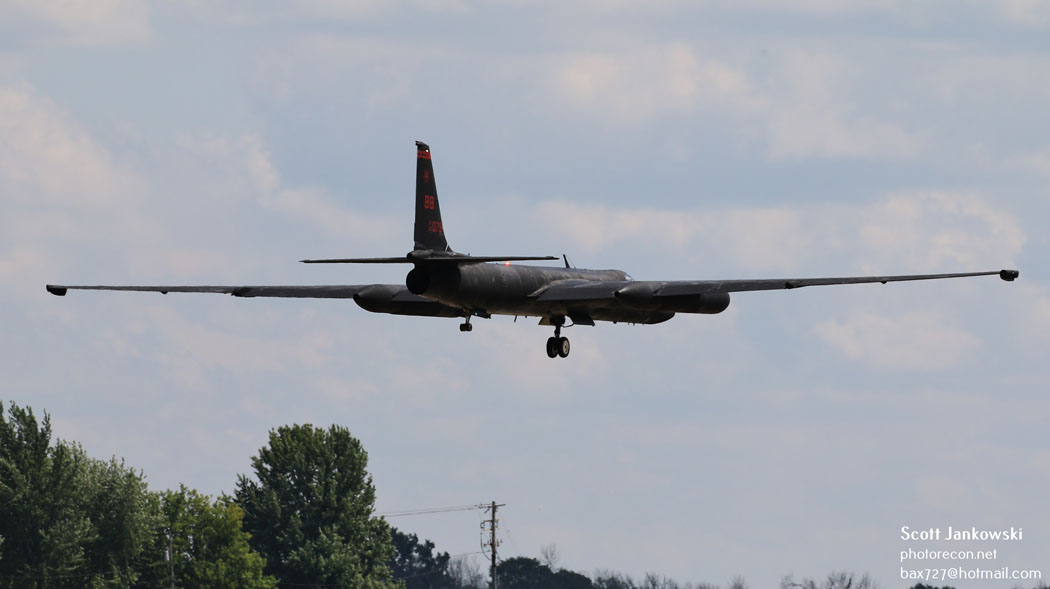
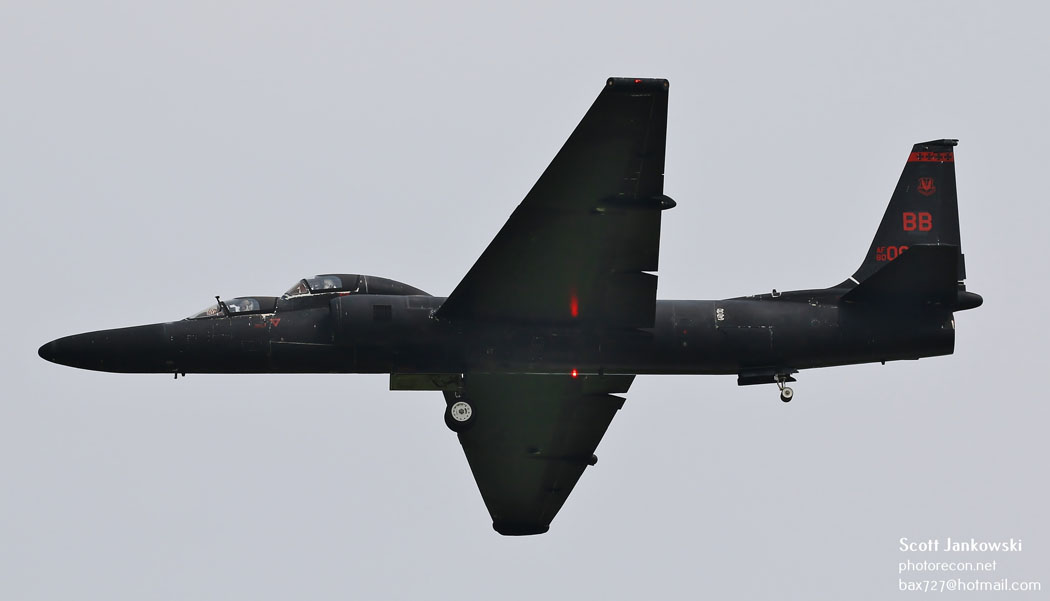
Accompanying the aircraft on landing is a chase car driven by a fellow U-2 pilot who assists the flying pilot by calling out the aircraft’s altitude. Once the aircraft has descended to an altitude of 2 feet above the runway, the flying pilot initiates the stall, and the aircraft basically falls to the runway. This is vital as the landing gear is not designed to absorb the weight of the aircraft if it falls from much above 2 feet. Instead of the typical tricycle landing gear the U-2 uses a bicycle configuration with a forward set of wheels located just behind the cockpit and the rear set of wheels located behind the engine. The rear wheels are coupled to the rudder to provide steering while the aircraft is taxiing. To maintain balance while the aircraft is taxiing a set of “pogos” (auxiliary wheels) are attached under the wings. These are inserted into sockets, mid-way along with wings and fall off during takeoff, also the wing tips have titanium skids to protect them during landing. After the U-2 comes to a stop the pogos are re-installed prior to the aircraft taxing back to parking.
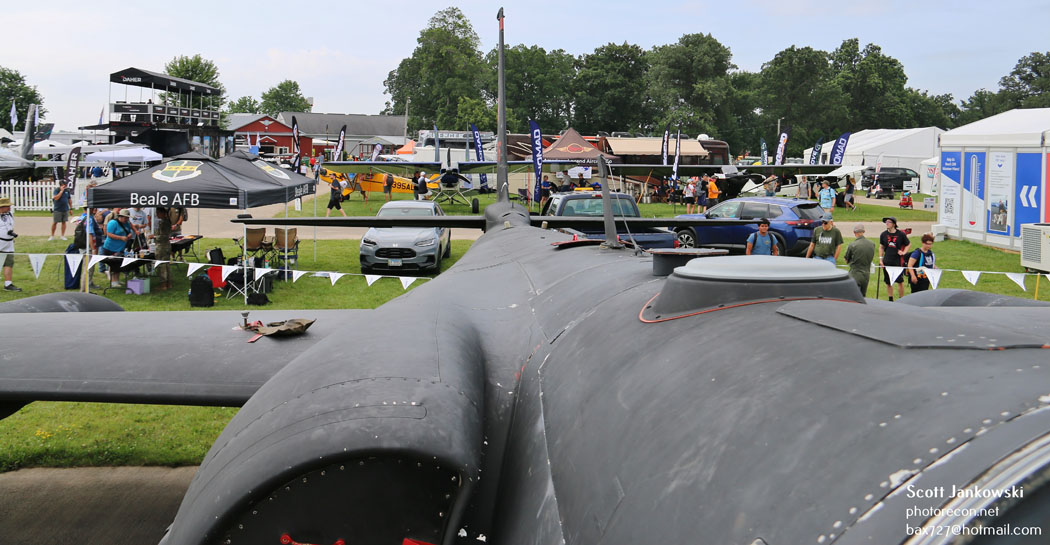
Because of the high operating altitude and the cockpits partial pressurization set at 28,000 feet the pilot wears a S1034 pressurized space suit which delivers the pilot’s oxygen supply and provided protection in case cabin pressure is lost. The U-2 carried a variety of different camera systems as well as a variety of sensors in the nose, wing pods, and the Q-bay (The camera bay located behind the cockpit. The U-2 is capable of simultaneously collecting signals, imagery intelligence, and air samples. Imagery intelligence sensors can include either wet film photography, electro-optic, or radar imagery using both line of sight and over horizon data links.
All though the United States Air Force and Navy would eventually fly the U-2, the CIA had majority control over the project code-named DRAGON LADY. This is where the origin of the aircraft’s nickname would come from. The CIA handled cameras, project security, process film and arrange foreign airbases. The United States Air Force would handle pilot selection and training which initially were not American military personnel. They would also handle mission plotting. This process was quickly dropped with United States Air Force Pilots being used after they had resigned and the CIA as civilians and were referred to as “drivers” not pilots. After AQUATONE was funded and security handled by the CIA, they referred to all of its high-altitude aircraft as “articles.” This intended to reduce that chance of a security breach, the three digit “article” numbers were assigned at the factory. In 1956 the United States Air Force decided to obtain its own aircraft and initially purchased thirty-one through the CIA, the transaction was code named Project DRAGON LADY. The CIA produced a cover story for the U-2 that described the aircraft as used by NACA (National Advisory Committee for Aeronautics) for high altitude weather research; the cover story would be used if one of the aircraft was lost over hostile territory. This cover story led to further disaster after the May 1960 U-2 shootdown. In the mid to late 1950’s overflights of Eastern Europe, the Warsaw Pact, and the Soviet Union began with overflights of the middle east following.
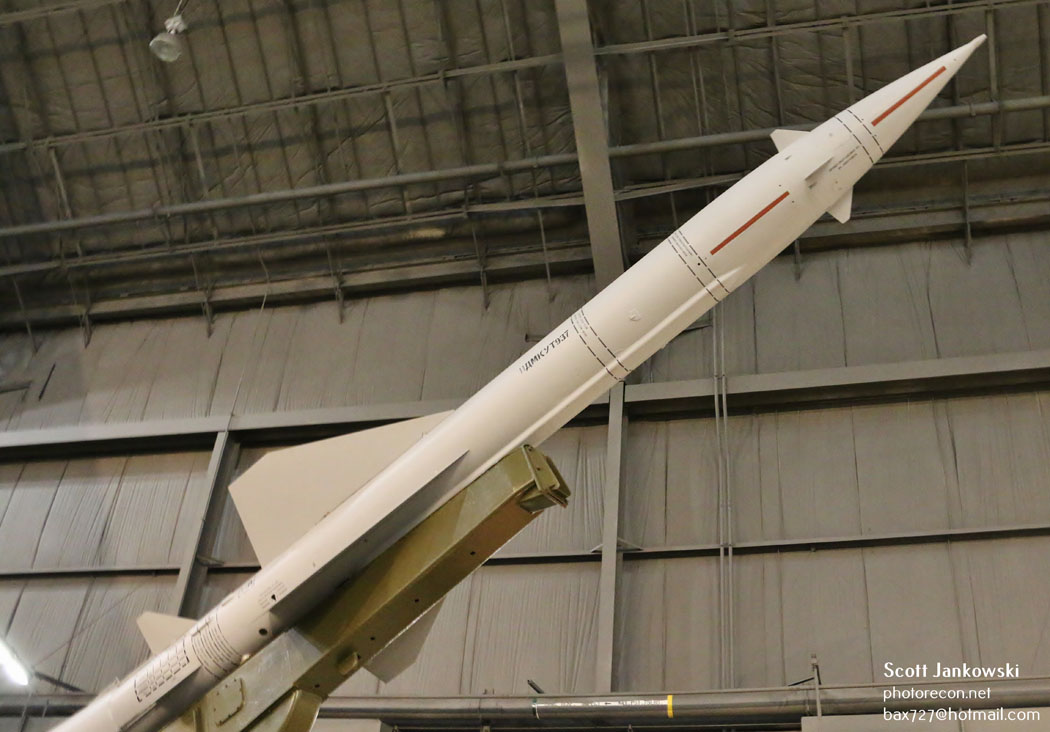
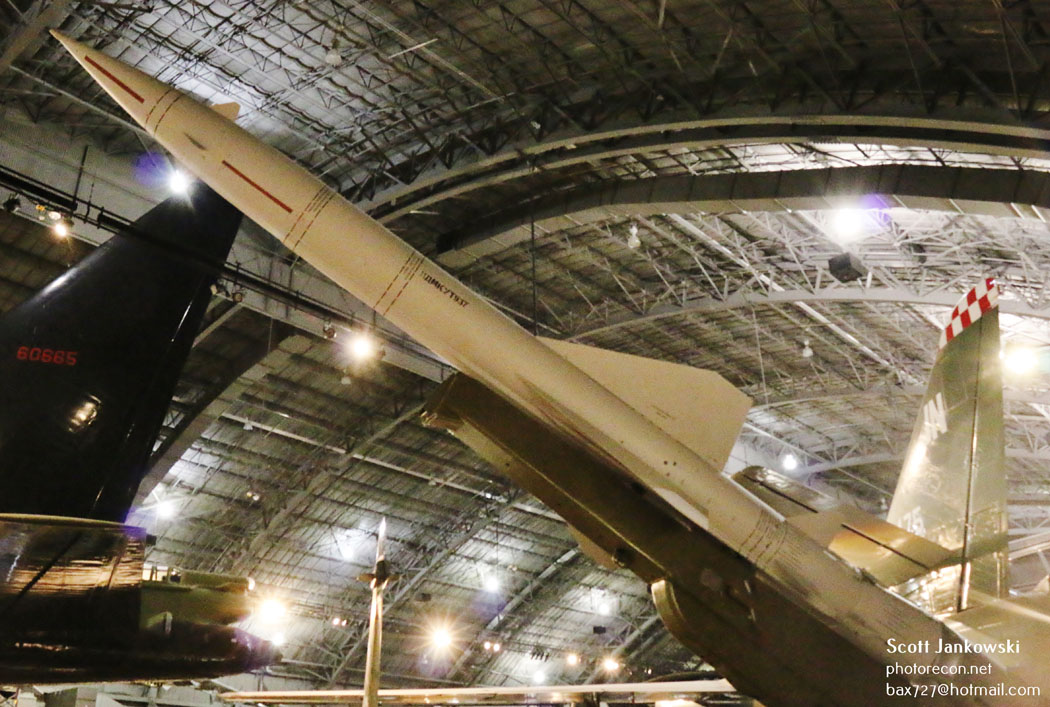
By 1960 the pilots and the CIA were aware that Soviet Surface to Air Missiles had improved and that the risk of a SAM finding its target had increased. On May 1st, 1960, the 24th deep-penetration Soviet overflight codenamed Operation GRAND SLAM would be carried out. This overflight from Peshawar Pakistan to Bodo Norway would be flown by the most experienced U-2 pilot of the time, Francis Gary Powers with twenty-seven total missions. The flight would begin on May Day, one of the most important of Soviet holidays, this was a big mistake as with a lot less air traffic than usual it made tracking the U-2 a lot easier. This flight would be routed over several major Soviet cities and military installations with good weather that would resolve missile, nuclear, and nuclear submarine intelligence issues with one flight. Approximately four ½ hours into the flight and at an altitude of 70,500 feet one of three SA-2 missiles (code name “Guideline”) detonated behind the aircraft. What was left of the aircraft began to spin, nose to the sky and tail to the ground, according to Powers he delayed activating the camera’s self-destruct mechanism to ensure he was clear of the detonation. The G Forces of the spinning threw him out of the aircraft, as a result he could not activate the self-destruct switches, Powers deployed his parachute and was immediately captured. When the U.S. government learned of Powers disappearance over the Soviet Union, they lied that a “weather aircraft” had strayed off course after the pilot had trouble with his oxygen equipment. What the CIA did not know was that the plane crashed virtually intact and that the Soviets had Powers and most of the U-2’s equipment including the camera system.
The CIA and the National Aeronautics and Space Administration (NASA the successor to NACA) stuck to the story, Soviet Premier Khruschev revealed 6 days later that Powers was alive and confessed to spying on the Soviet Union. U.S. President Eisenhower took full responsibility of the incident on May 11th, at that point all overflights were terminated. Powers was tried and convicted of espionage and sentenced to 10 years of confinement, he would spend 1 year 9 months and 10 days in captivity after he and U.S. student Frederic Pryor were exchanged for captured Soviet spy a KGB Colonel Rudolf Abel. After all of this transpired all U-2’s were pulled out of the secret overseas bases and returned to the United States at Edwards Air Base California. The intelligence that the U-2 provided during these overflights disproved fears of a “bomber and missile” gap as it revealed the Soviet arsenal was not as large as feared. In the early sixty’s overflights of Cuba commenced especially during the failed Bay of Pigs Invasion and during the Cuban Missile Crisis. In 1961 Lockheed modified 6 CIA aircraft into aerial refueling capable U-2F’s. On October 27th, another U-2 would be lost to a Soviet SA-2 Guideline SAM when Major Rudolf Anderson would be shot down over Cuba.
CIA overflights of Asian targets began in 1958 and was used during several regional crisis situations including uprisings in Indonesia and Tibet as well as the Second Taiwan Strait Crisis. U-2’s would start overflights of North Vietnam in 1962 initially operated by the CIA out of bases in The region. In 1963 the CIA started project Whale Tale to develop a carrier-based version of the U-2 designated the “G” model. This was done to extend the operating range of the aircraft and to eliminate the need for foreign government approval to operate the U-2 from bases in foreign countries. A total of three aircraft were modified with the installation of an arresting hook along with carrier qualified Naval Aviators to fly them. The tests were successful with the U-2 operating off the USS Ranger in 1964 and the USS America in 1969. The Lockheed C-130 was also tested for use in carrier operations to support the U-2. In 1969 the larger U-2R’s were also flown off the USS America, the project was halted shortly afterwards. Strategic Air Command would take over all U-2 high altitude reconnaissance missions over Indochina in 1964 and would do so for the remainder of the Vietnam War. The CIA would terminate all manned reconnaissance missions in 1974 with the United States Air Force assuming all operations.
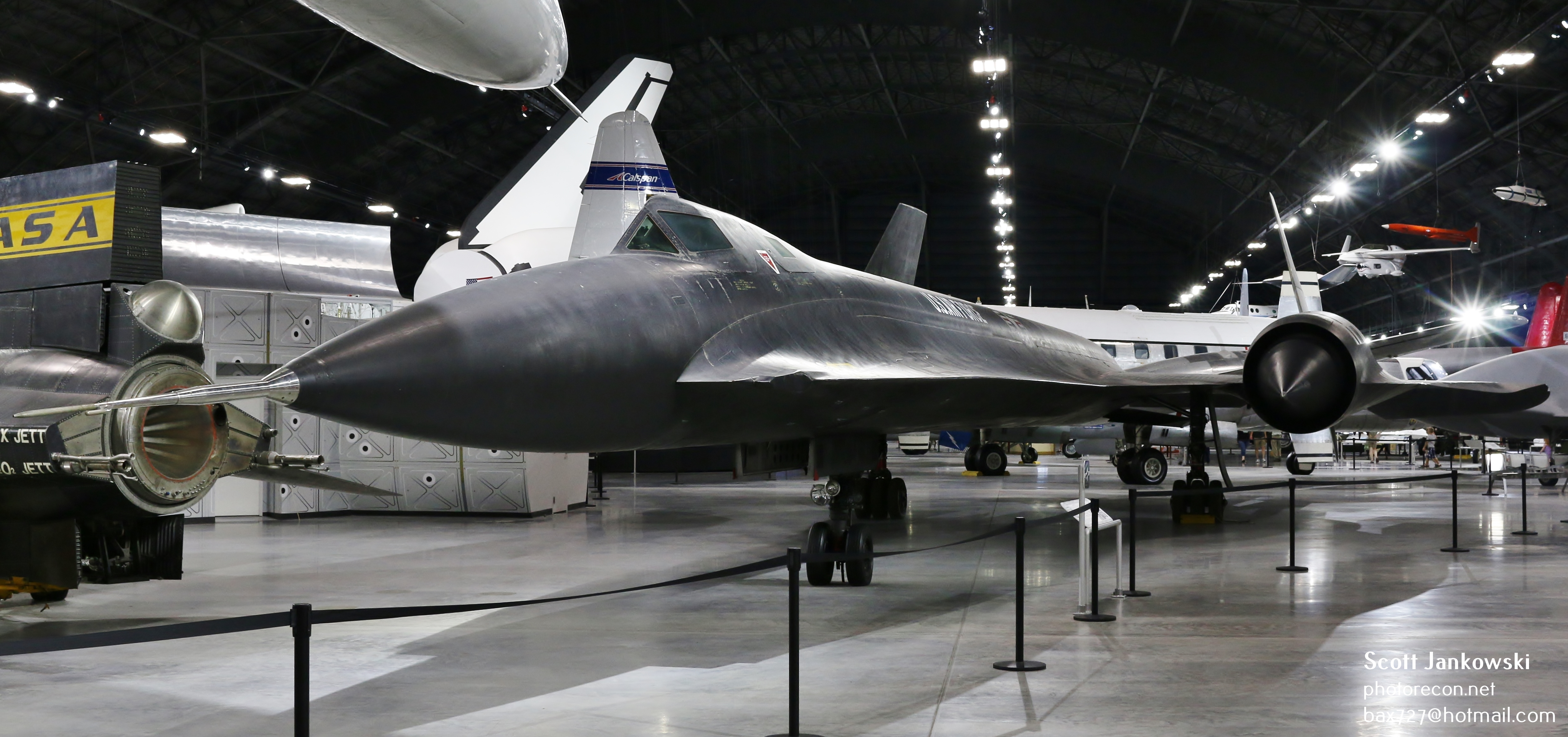
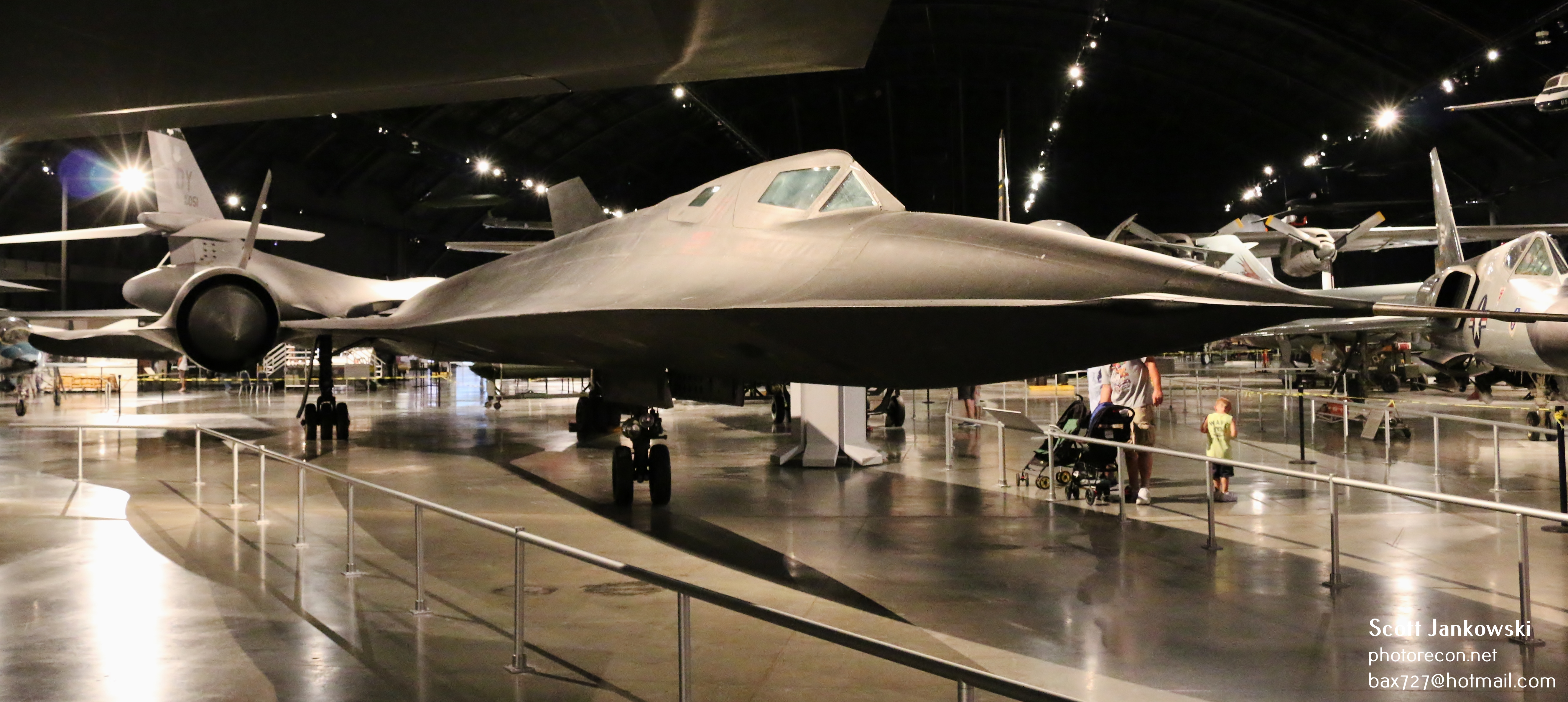
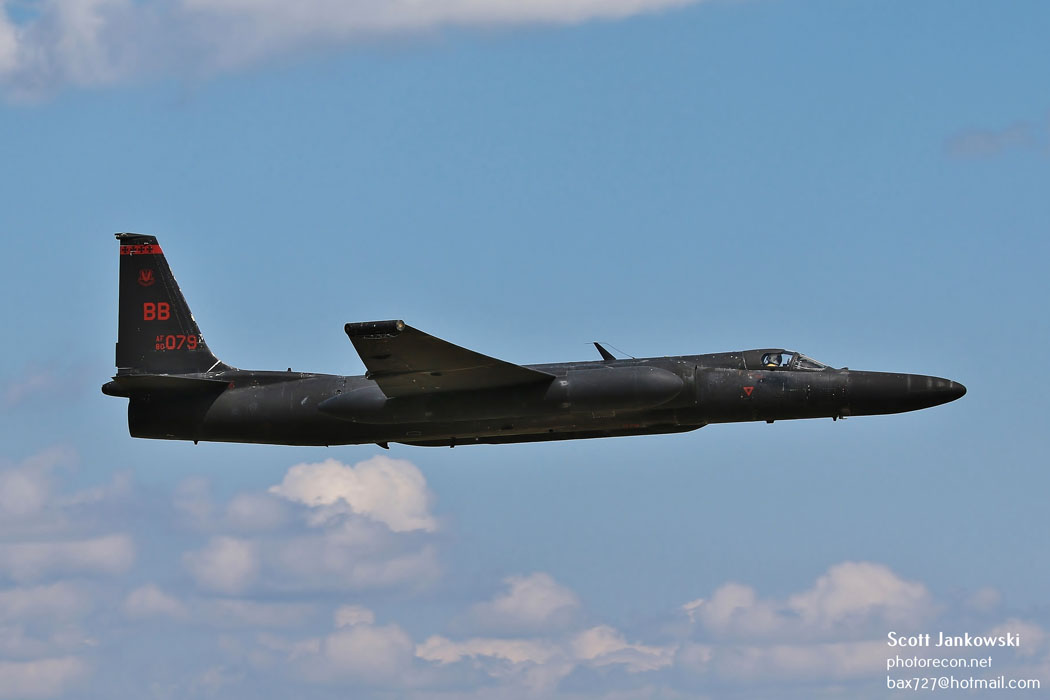
In June of 1976 U-2 operations would be consolidated at Beale Air Force Base California alongside another Lockheed product, the legendary SR-71 Blackbird as part of the 9th Strategic Reconnaissance Wing. Detachments continued to operate around the world at bases around the world such as RAF Akrotiri Cyprus, Osan Air Base Korea, and RAF Fairford United Kingdom and continue at these locations today. When SAC (Strategic Air Command) was disbanded in 1992, the wing was transferred to Air Combat Command and redesignated the 9th Reconnaissance Wing. The U-2 would once again participate in post-Cold War conflicts when war would break out in Iraq, Libya, Bosnia, Kosovo, Syria, and Afghanistan. During Operation Desert Storm the U-2 would provide invaluable intelligence in located Iraqi Scud missile sites, they would also enforce and monitor no-fly zones over Iraq established after Desert Storm. The U-2 would also be used heavily during Operation Enduring Freedom, the war in Afghanistan, and provided day and night surveillance. The U-2 provided intelligence to help ground forces detect threats such as improvised electronic devices (IEDs) and prevented Taliban ambushes. The U-2 would outlast its counterpart the SR-71 Blackbird as the SR-71 was formally retired in 1990, but a few aircraft would be reactivated briefly until the final flight in 1999, but the U-2 would face several retirement battles itself.
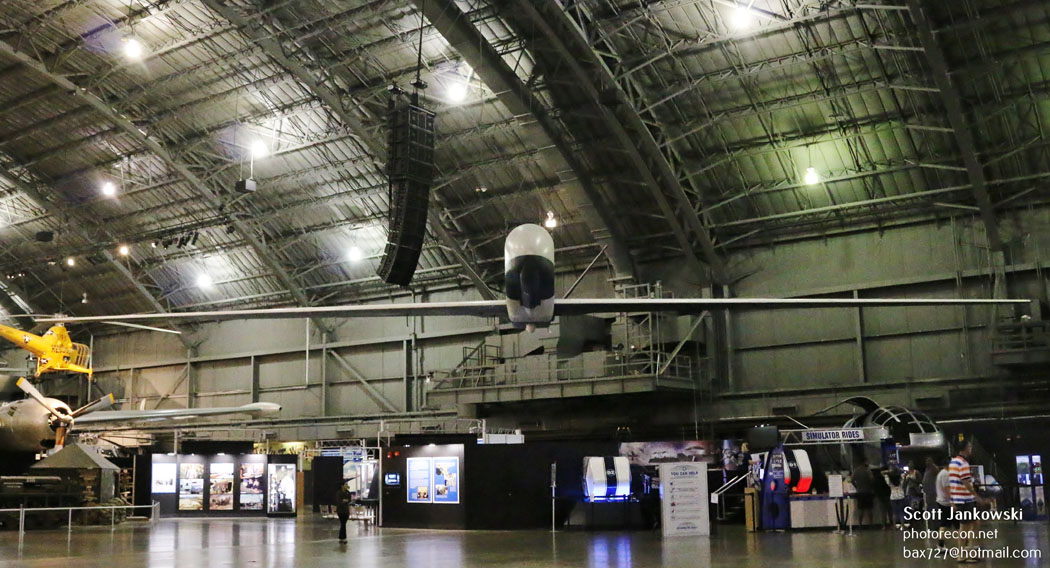
The unmanned Northrop RQ-4 Global Hawk was touted as the successor to the U-2 in 2011 with plans to replace the fleet of 32 U-2’s by 2015, it was though the RQ-4 would have a much lower operating cost. In 2014 Lockheed Martin determined the U-2 fleet had only used a fifth of its service life. The RQ-4 would not have a lower operating cost per flight hour, along with cameras and sensors that were less capable than the U-2 plus it was not all weather operating capable. It was planned to update and upgrade the RQ-4, but it was feared that during these upgrades would create an intelligence gap, the U-2 would get a reprieve. In 2015 it was determined that it would take 8 years before the RQ-4 could support 90% of the coverage of the U-2 fleet. In the same year, the RQ-4 was proposed to take over by 2019, by the year 2018 those plans were scrapped completely. In 2022 the United States Air Force announced plans to retire the RQ-4 in 2027. It was announced that the Air Force plans to start retiring the U-2 fleet in October of 2025 citing a desire to transition to space-based and unmanned systems, increasing reach of adversary air defenses, operating costs, and a lack of spare parts. Despite the threats of retirement, the U-2’s mission continued with the U-2 being used to monitor the Chinese balloon that crossed the US in 2023 and in 2025 it was being used to surveil the US-Mexico border. On July 31st, 2025, a two seat TU-2S trainer and 70 years to the day after the first flight set records for distance covered and endurance on a single mission. Tail number 80-1078 covered some 6,000 miles flying over all forty-eight of the contiguous U.S. states which took more than 14 hours.
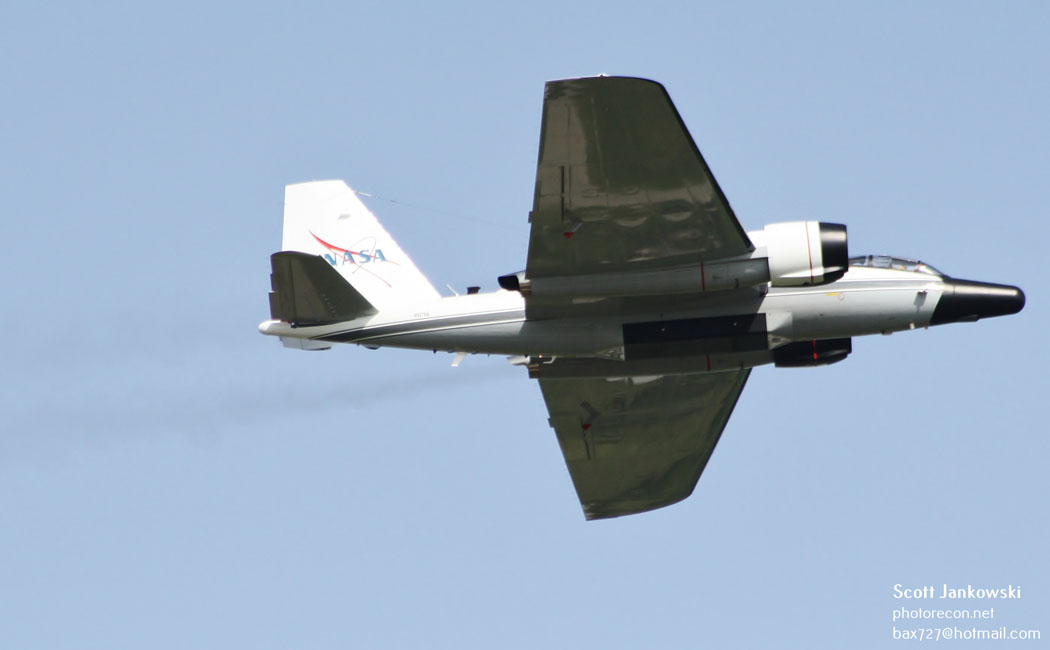
NASA would also become a U-2 operator and started using the aircraft in 1971, replacement aircraft would be obtained in 1981 and 1989 these being the ER-2 version. The ER-2 is used for a variety of environmental science, atmospheric sampling, and satellite data verification missions. NASA currently has 2 ER-2’s in their fleet, both based at the Armstrong Research Center, building 703 Palmdale California. The ER-2 operates at altitudes ranging from 20,000 to 70,000 feet which is 99% above the Earth’s atmosphere. The ER-2 can typically reach an altitude of 65,000 feet in about 20 minutes and typically cruises at 410 knots. The range for a typical mission is approximately 3,000 nautical miles yielding about 7 hours of data collection. A maximum payload of 2,600#’s of equipment can be carried in the equipment bay, nose area, and wing pods.
A total of 104 U-2’s of several different variants were produced between 1955 and 1989, with the most recent models being the TR-1, U-2R and the U-2S. Lockheed initially built 55 “A and D” models along with 13 “R/T” models which are redesigned airframes which were enlarged by 30% with underwing pods and increased fuel capacity. The final production batch of thirty-six aircraft were designated the TR-1A and the 2 seat TR-1B. These aircraft were built with the ASARS-2 side looking radar, new avionics, and improved ECM (Electronic Counter Measures) equipment. When the Soviet Union fell these aircraft were redesignated the U-2R and the TU-2S. The 9th Strategic Wing currently operates 24 single seat and 3 two seat trainer aircraft.
The U-2 will eventually be retired, that will finally close the book on one of most iconic aircraft to ever grace our skies. When the U-2 is retired it will have faithfully served this nation for many years and will have certainly earned its retirement. In part 2 of this article, I will recap my time with 2 current U-2 pilots, Lieutenant Colonel Jon “Huggy” Huggins and Lieutenant Colonel “GoGo”. They graciously spent some time with me telling their story and providing an inside look at what it is like to fly the Dragon Lady. Until next time, “Blue Skies To All!”