Story and photos by Scott Jankowski
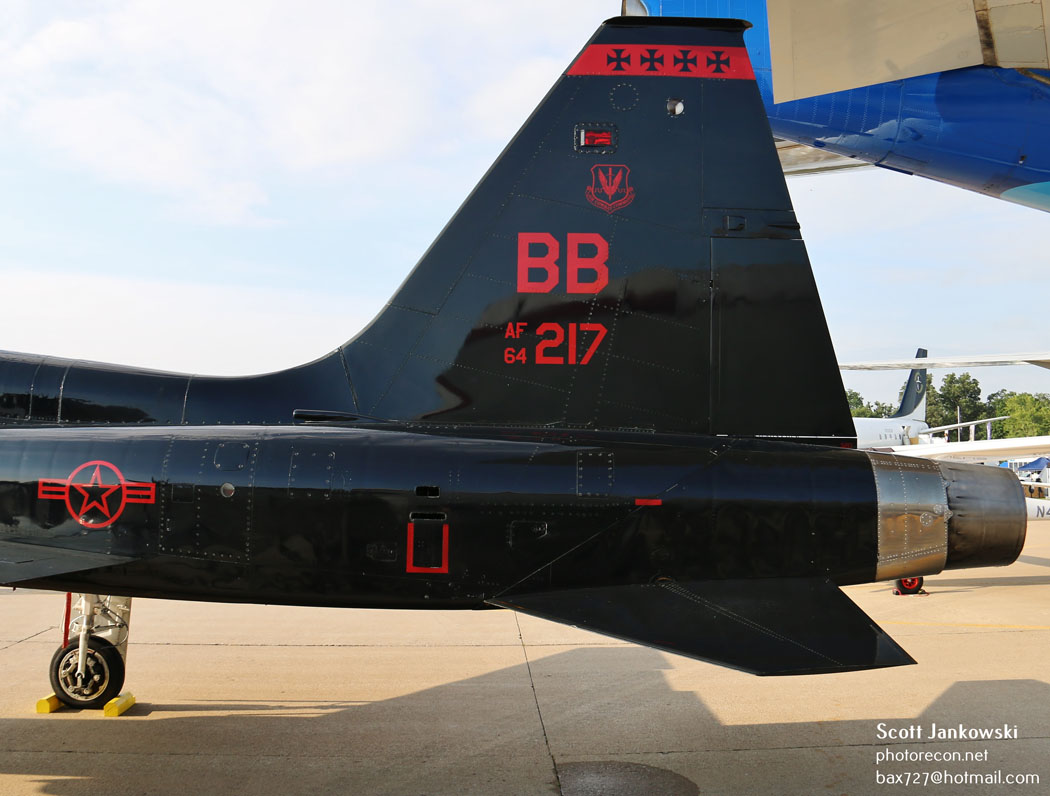
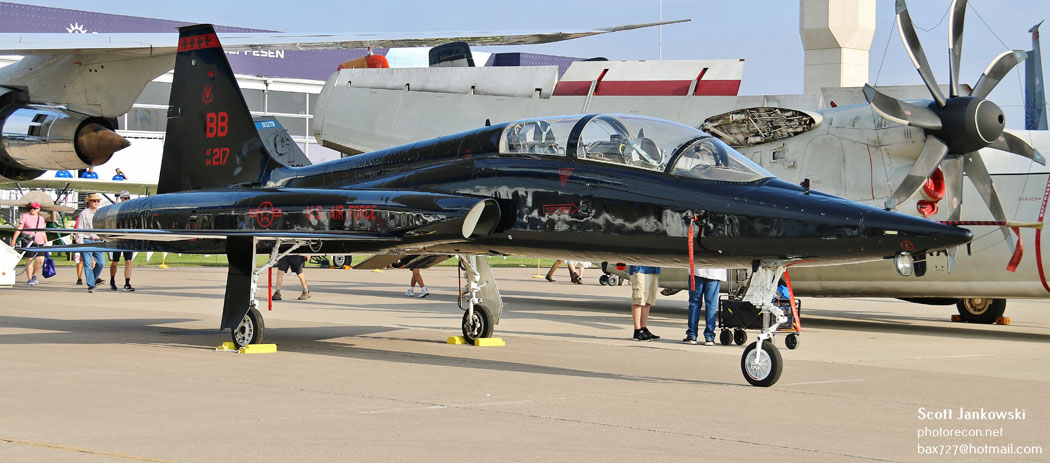
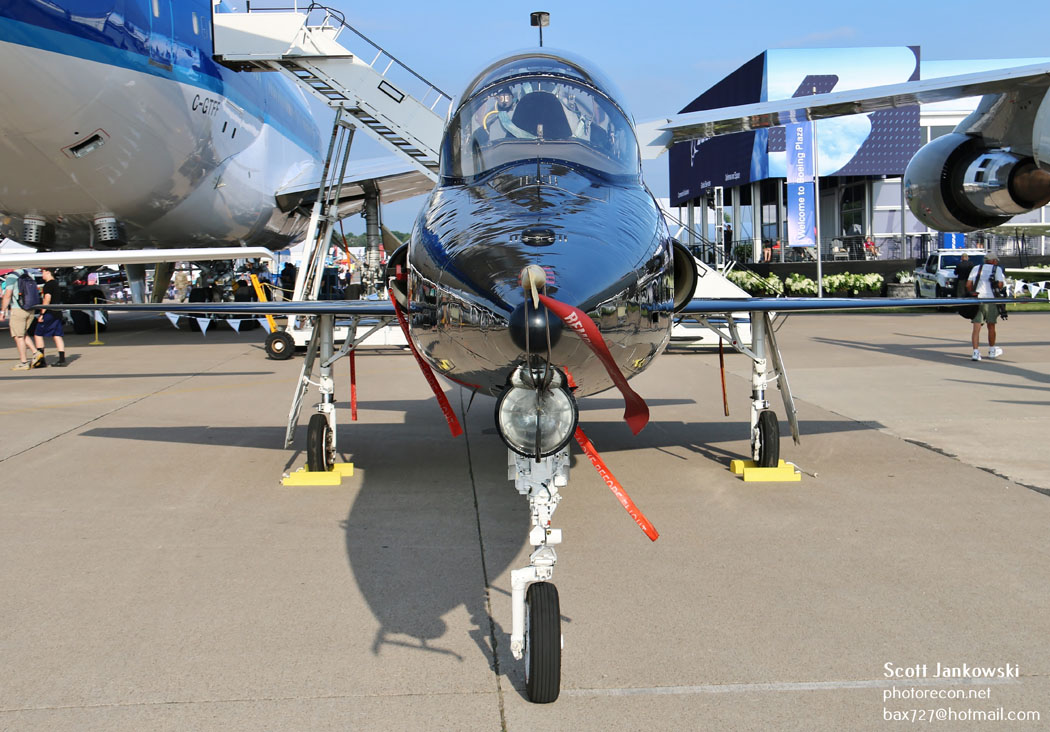
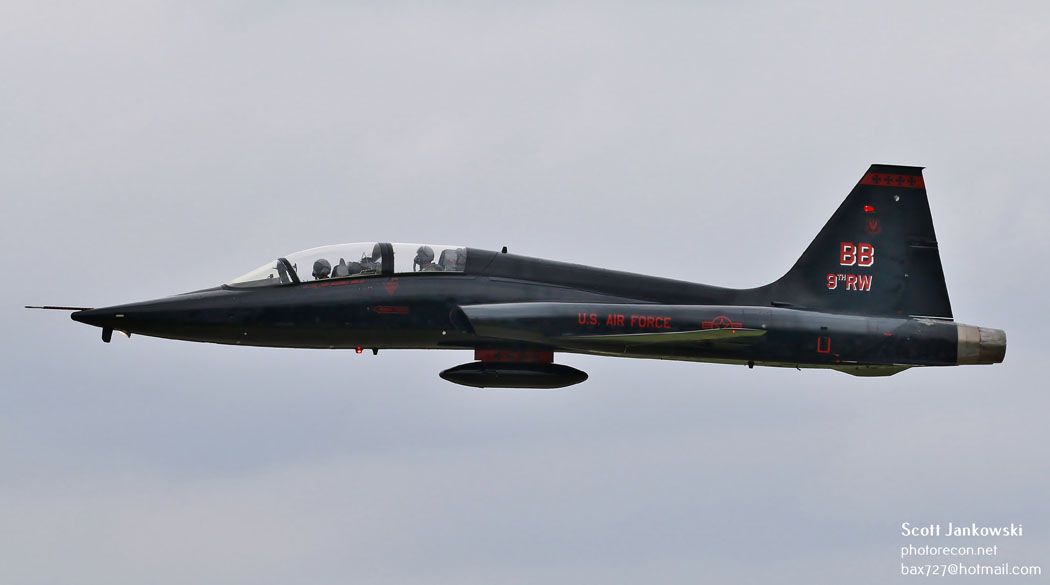
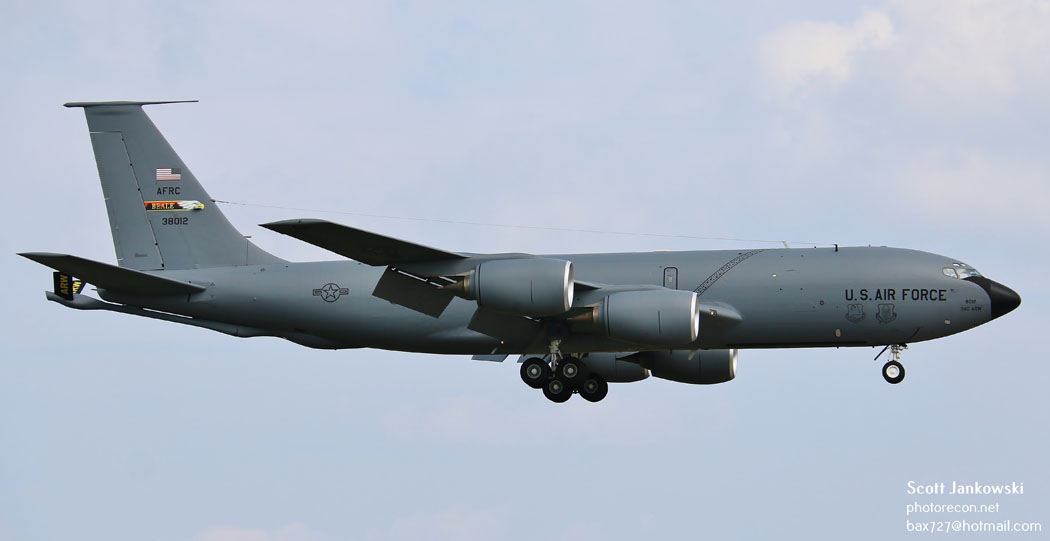
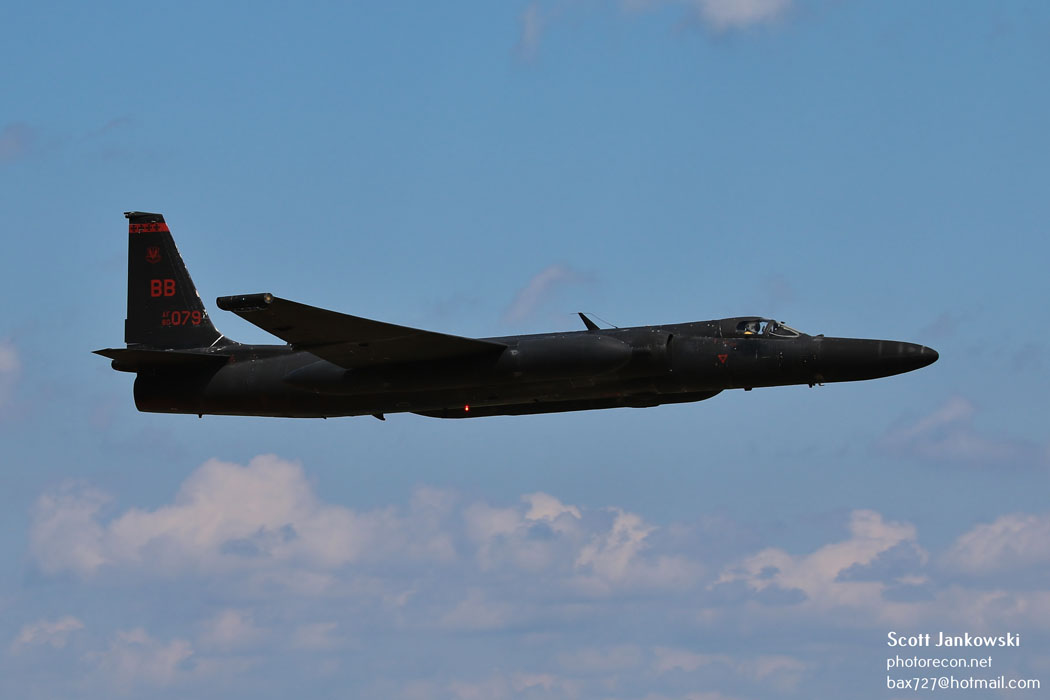
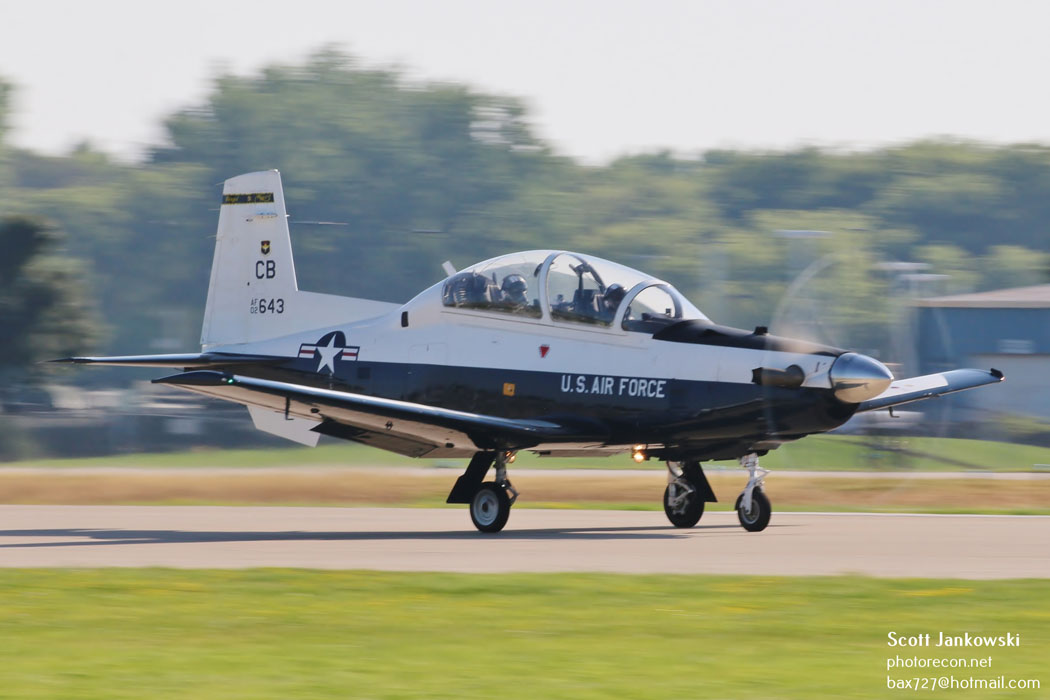
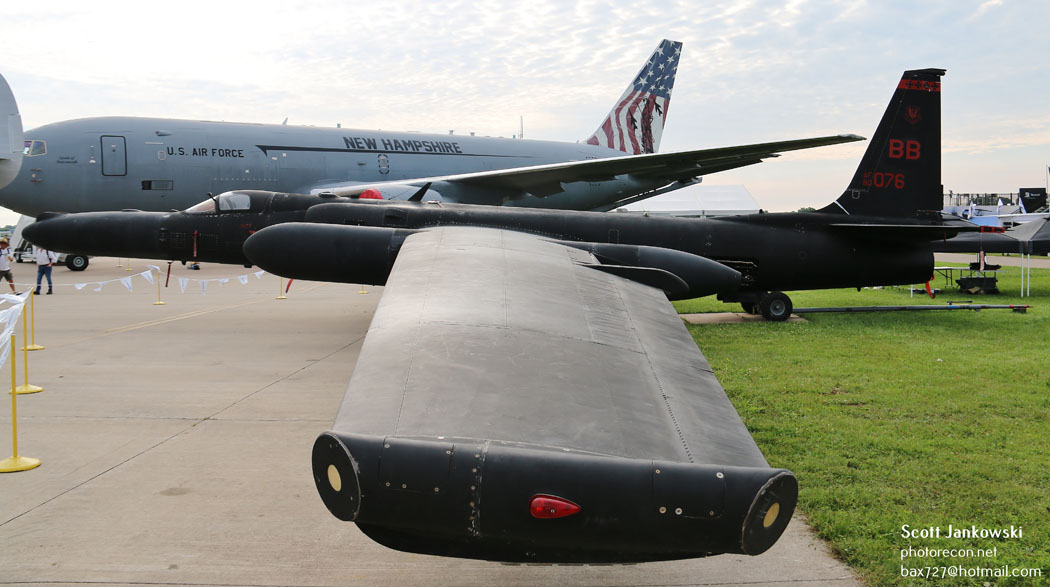
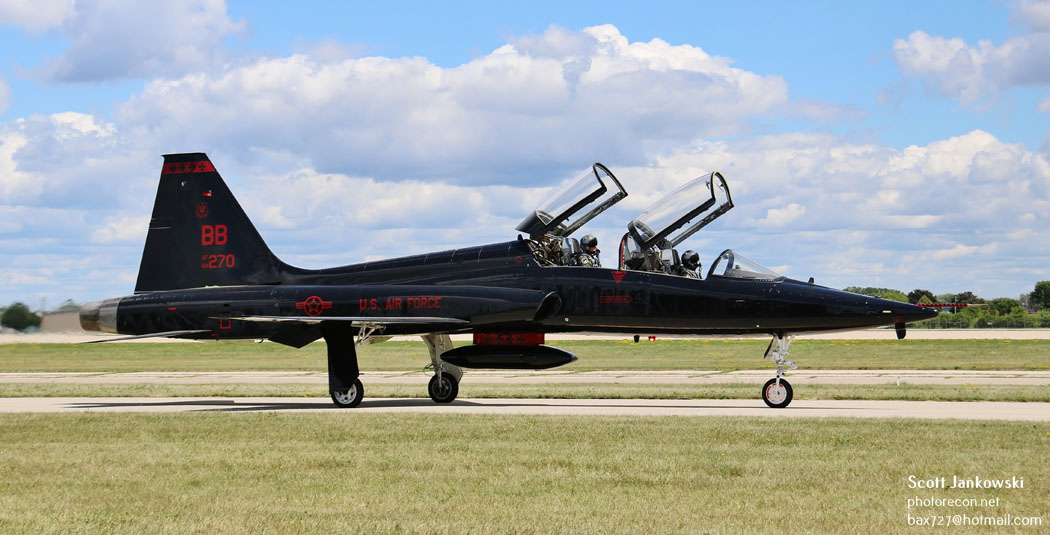
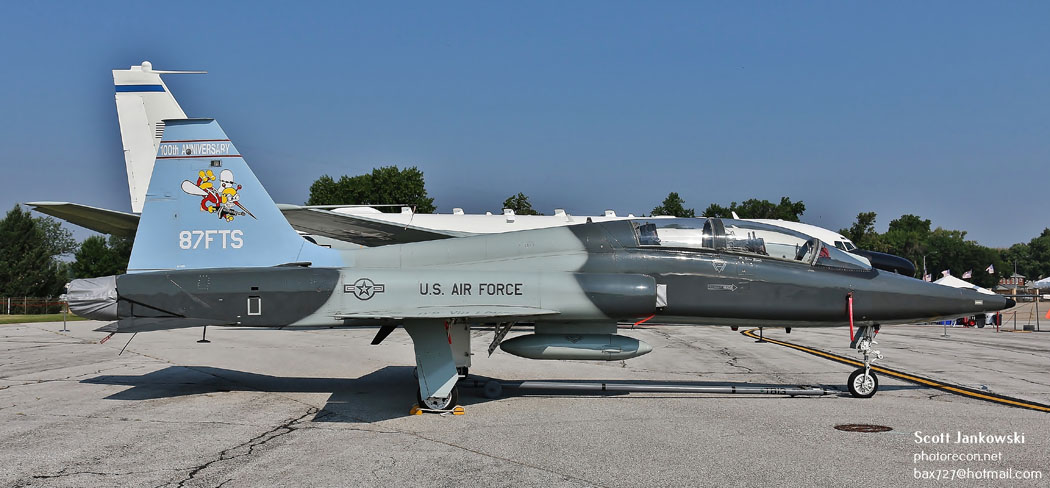
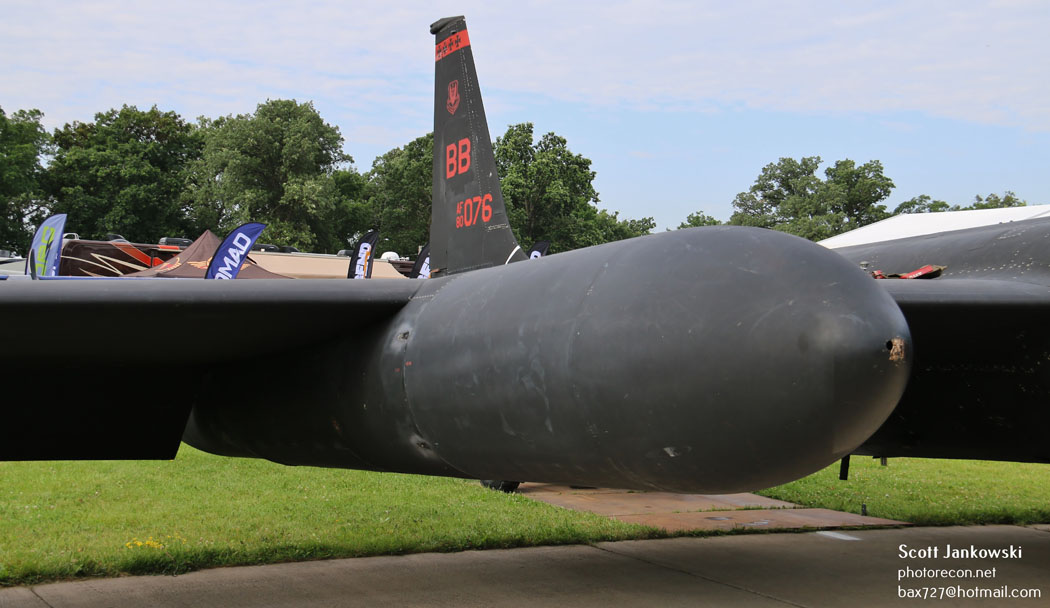
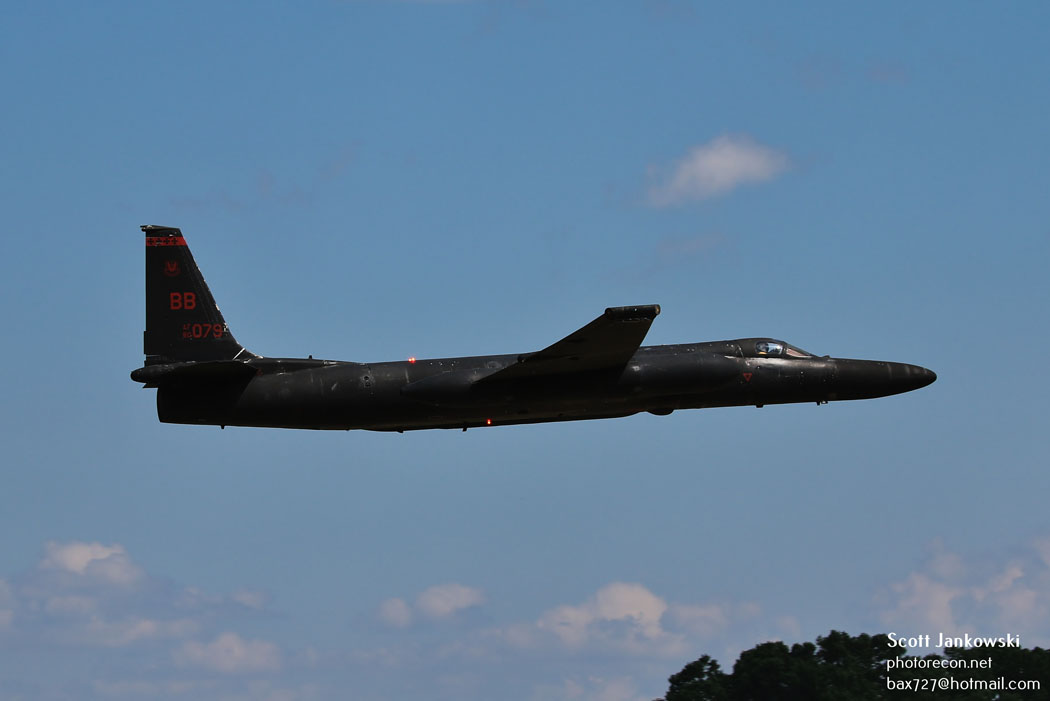
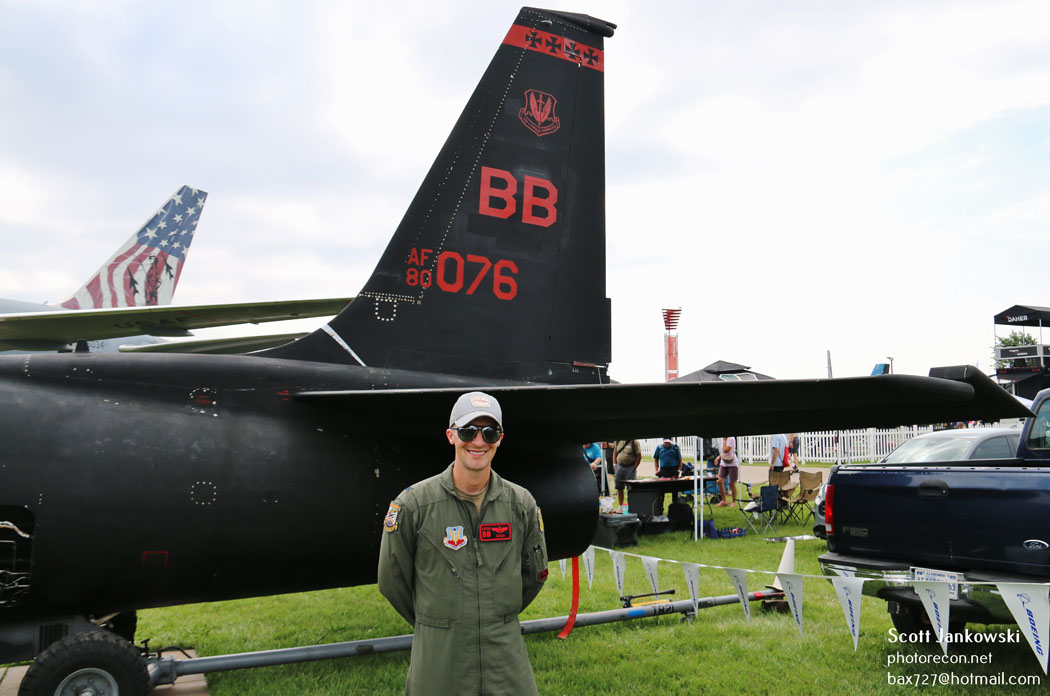
The 9th Reconnaissance Wing based at Beale Air Force Base California is located forty miles to the west of Sacramento California in Yuba County. In addition to being home to the U-2 fleet, it is also home base for several sixty plus year old Northrop T-38C Talon trainers that are used as a companion trainer allowing more frequent flights to ensure pilot proficiency as well as building flight hours. These T-38’s are painted in the same black paint scheme and also carry the “BB” designation on the tail in red which designates Beale Air Force Base. Beale is also home to another nearly 70-year-old aircraft, those being the Boeing KC-135R Stratotankers of the United States Air Force Reserve’s 940th ARW (Air Refueling Wing).
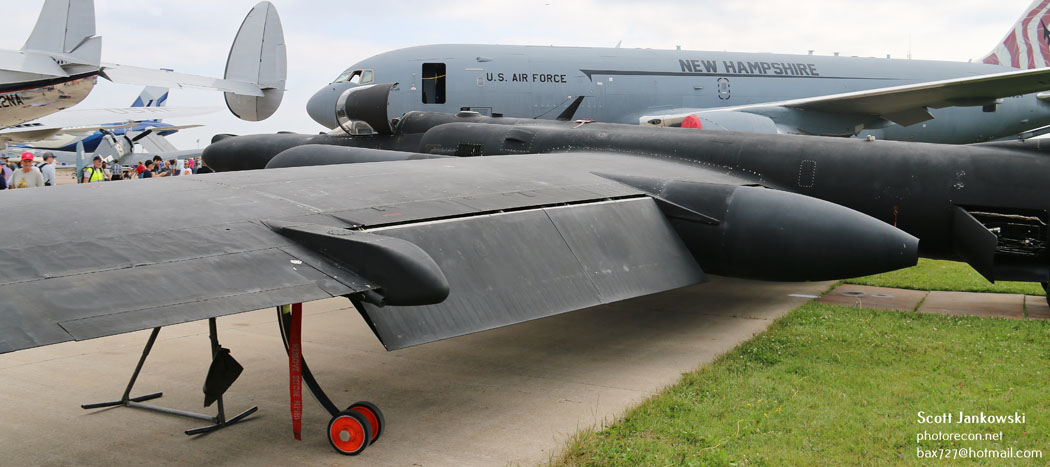
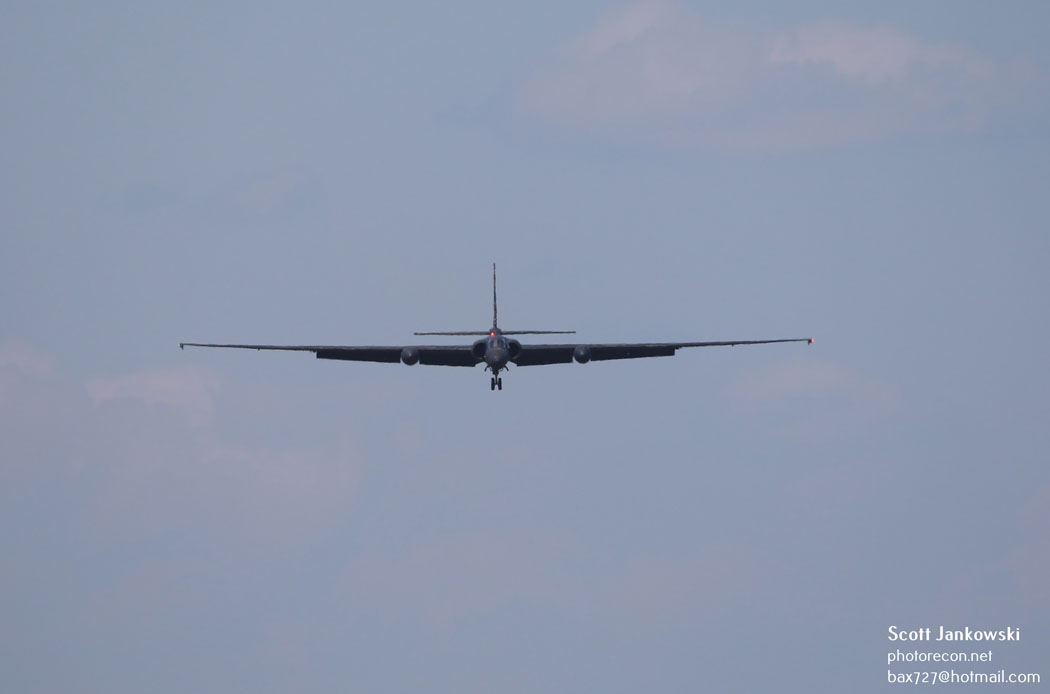
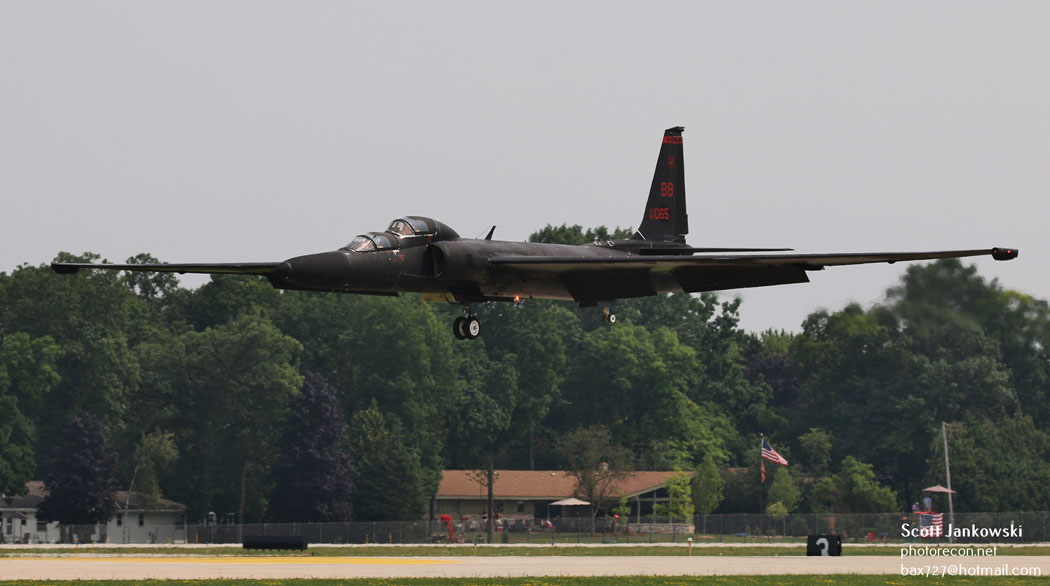
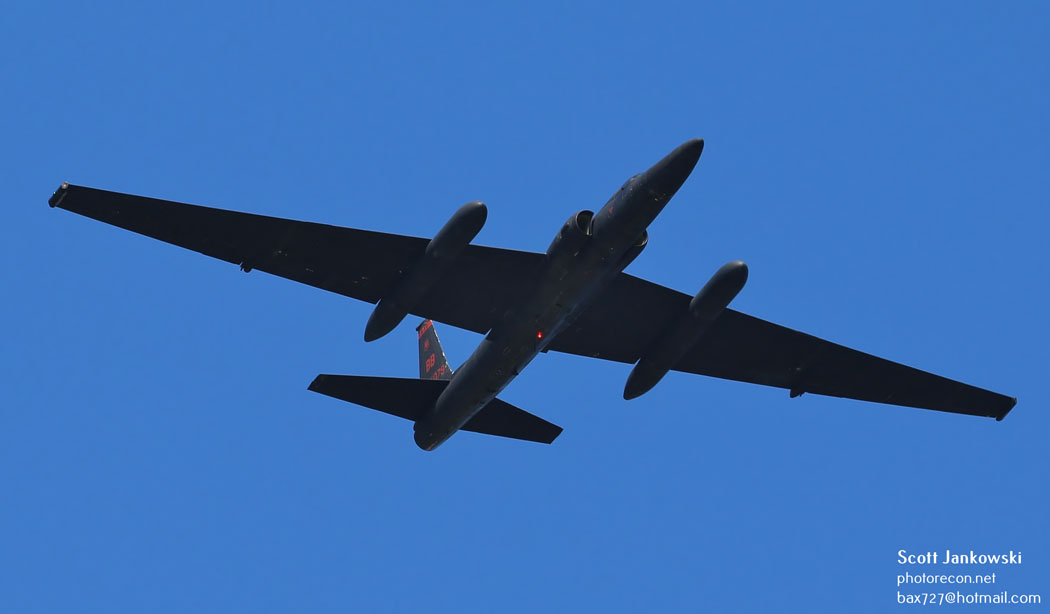
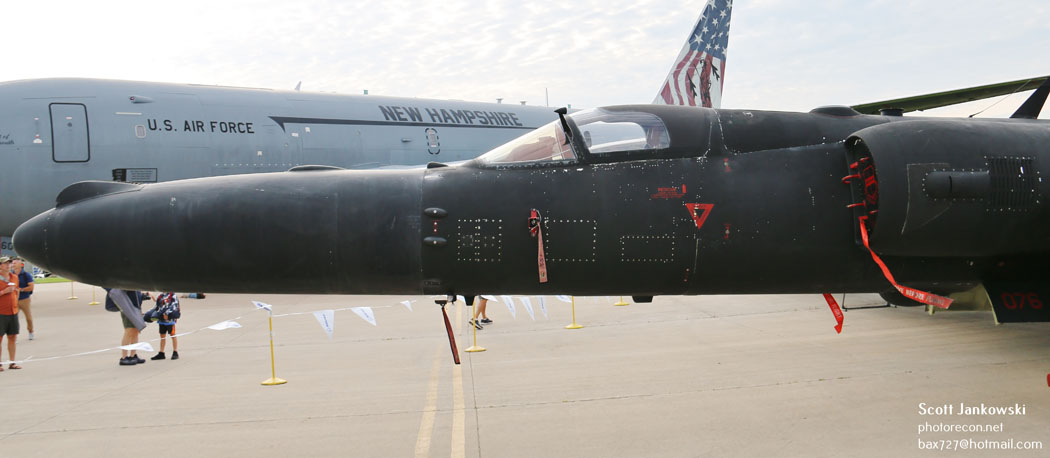
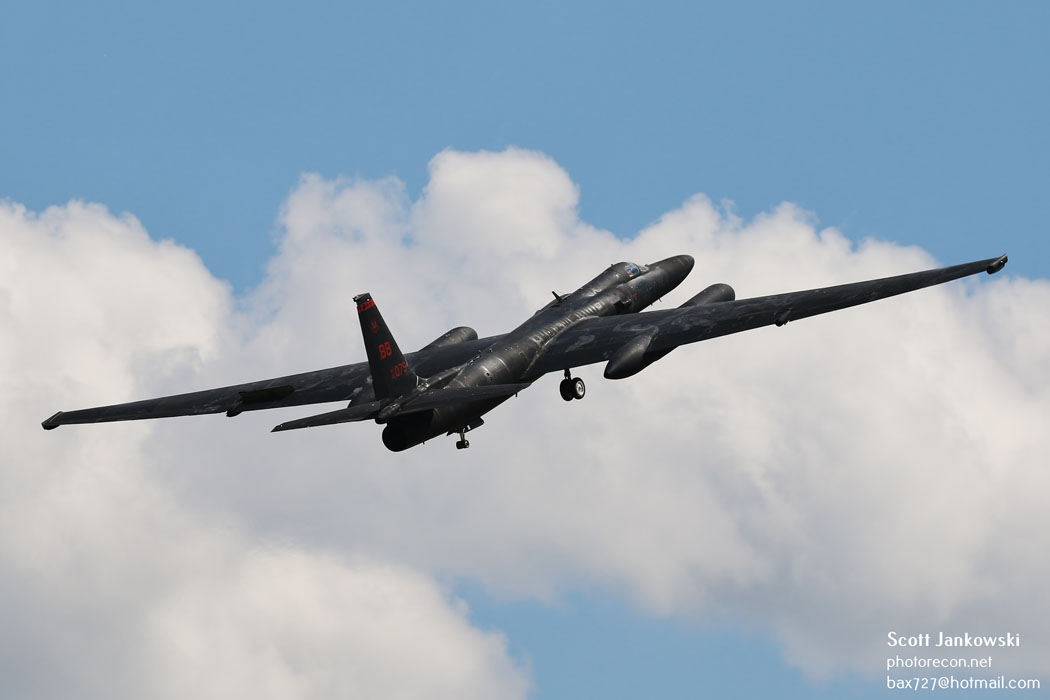
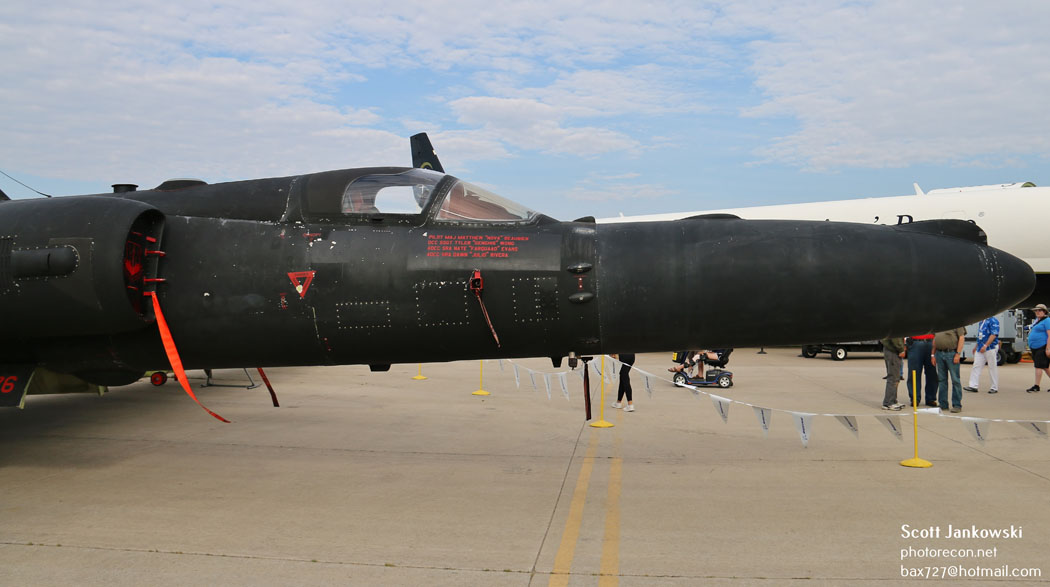
The U-2 has constantly evolved since Lockheed Test Pilot Tony Levier attempted a high-speed taxi test at Groom Lake Neveda in 1955; the long slender wings generated enough lift and caused the U-2 to become briefly airborne. It was 3 days later that he would take the controls once again for the “official” first flight at Groom Lake Neveda. Since that first flight the U-2 would be upgraded numerous times to support its current missions of supporting real time battlefield awareness. The aircraft is currently powered by a single General Electric F118-01 Turbofan Engine which generates 17,000#’s of thrust giving the aircraft a top speed of 470 miles per hour and a range of 7,010 miles. The U-2 is sixty-three feet long and has a wingspan of 103 feet long, has a service ceiling of 80,000 feet and a maximum take off weight of 40,000#’s. The aircraft carries advanced electro-optical sensors, synthetic aperture radar and data link systems that allow for near real time transmission of intelligence to battlefield commanders. The U-2 is still very much an essential asset in intelligence gathering.
Despite being 70 years old the U-2 has capabilities that other unmanned surveillance platforms cannot match. At AirVenture 2025 I had the honor and privilege to speak to a pair of U-2 pilots about these capabilities, Lieutenant Colonel Jon “Huggy” Huggins a civilian instructor pilot and Lieutenant Colonel “GoGo” (for operational security purposes only callsigns are used.) He is an active-duty pilot and Inspector General for the 99th Reconnaissance Squadron part of the 9th Reconnaissance Wing. We will start with Lieutenant GoGo’s comments and remarks about his background and what it is like to fly such an iconic aircraft.
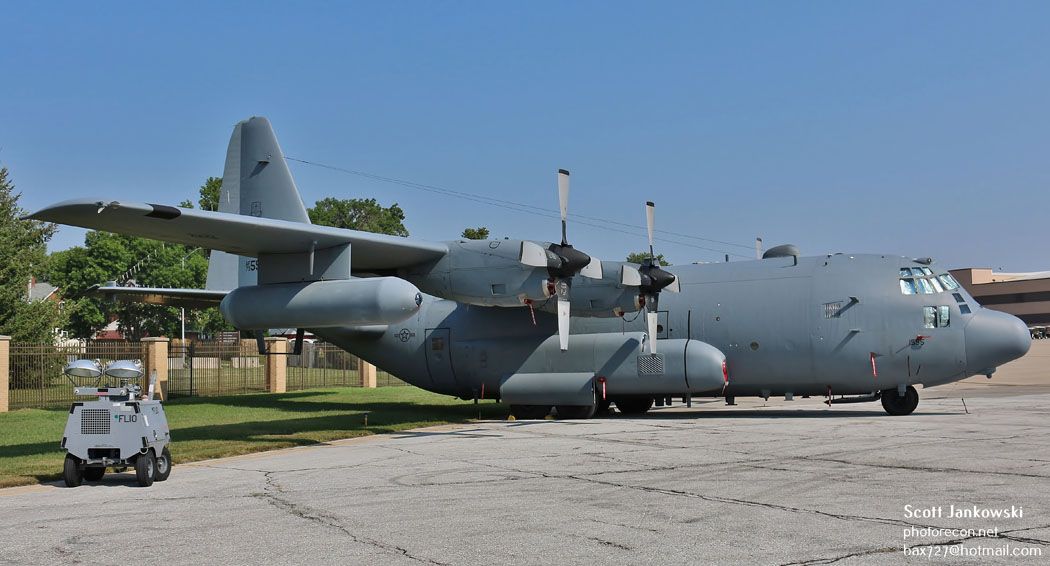
“I grew up about 20 minutes away from Oshkosh in Fond Du Lac Wisconsin and attended UWM (University of Wisconsin Madison). I joined ROTC and attended pilot training at Columbus Air Force Base Mississippi. I completed pilot training and was selected to be an Instructor Pilot on the T-6 Texan II. After 2 ½ years I applied for the U-2 program but the timing did not work out. I went on to Davis Monthan Air Force Base Arizona and flew the Lockheed EC-130 Compass Call flying about eight hundred hours or so. I went on to reapply for the U-2 program, interviewed and was selected this time around. I moved out to Beale in 2017, trained and completed my first deployment in 2018. I have about 650 flying hours in the U-2 now and about 3,000 total hours. I was drawn to the U-2 program by “Huggy”, it’s a unique mission, cool mission, and something very few get to do.”
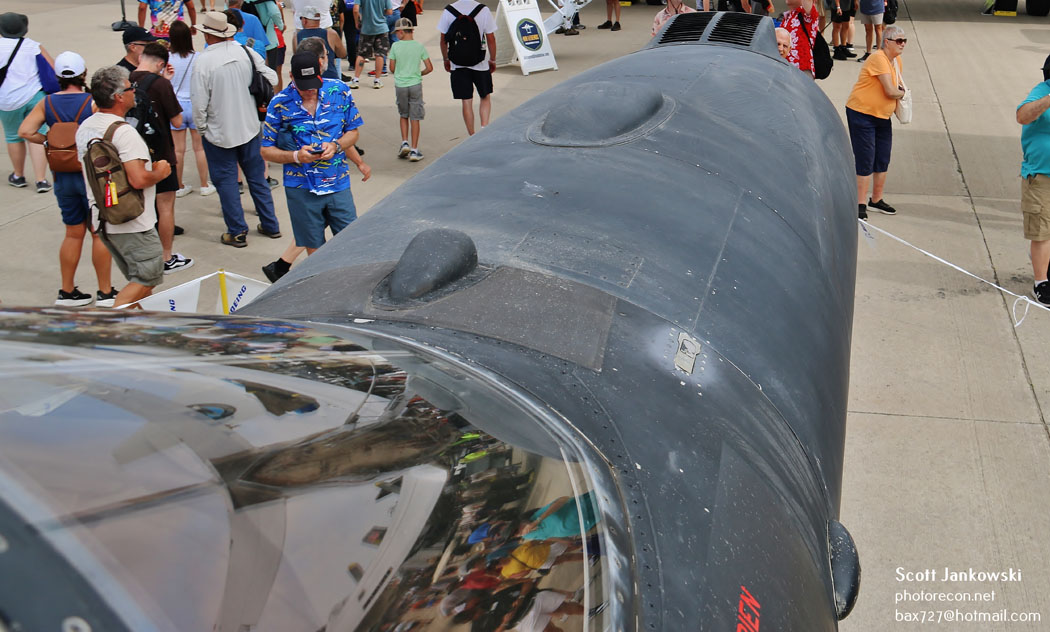
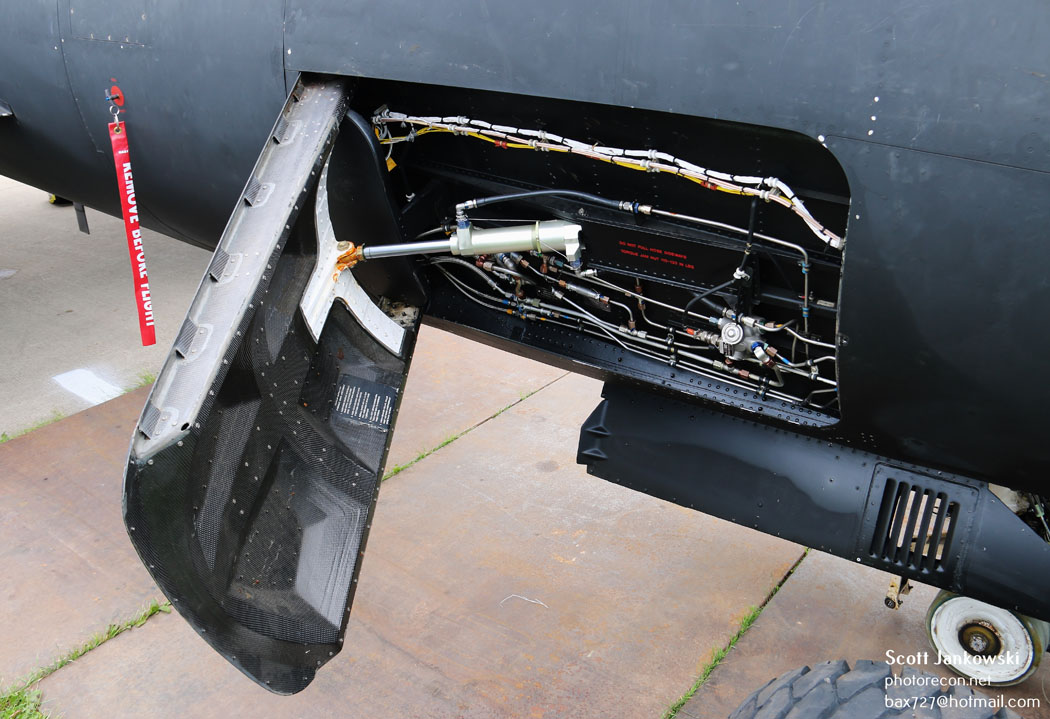
“We currently have eighty pilots and 1 in training, we are all dedicated professionals, and nobody more dedicated to our mission of ISR (Intelligence, Surveillance, Reconnaissance) than the pilots we have right now. All but 3 of the aircraft we fly were built in the 80’s and 90’s but the mission is still the same multi-intelligence gathering, signals gathering, imagery, and ELINT (Electronic Intelligence). The aircraft itself is flexible, adaptable, and modular which means we can take all sorts of sensors and tools and employ them rapidly and effectively, When a new “gadget” comes up, if it fits on the aircraft we will test it and use it to support Battlefield Commanders as quickly as we can. The aircraft we fly are about 30% larger than the original U-2, which is due to the newer sensors which need more power and a larger generator to operate them. We have updated the engines, sensors and avionics multiple times over the years. I have over 100 sorties in the U-2 but honestly have not been counting. Mission planning shares the same core stages as other missions, but we need to be mindful about what we eat prior, will we need to be on oxygen before and during the mission, what will the weather be like and what are our diversion options. If we have to divert due to any reason, it will take a huge lift to support getting the aircraft home that could take weeks to accomplish. “
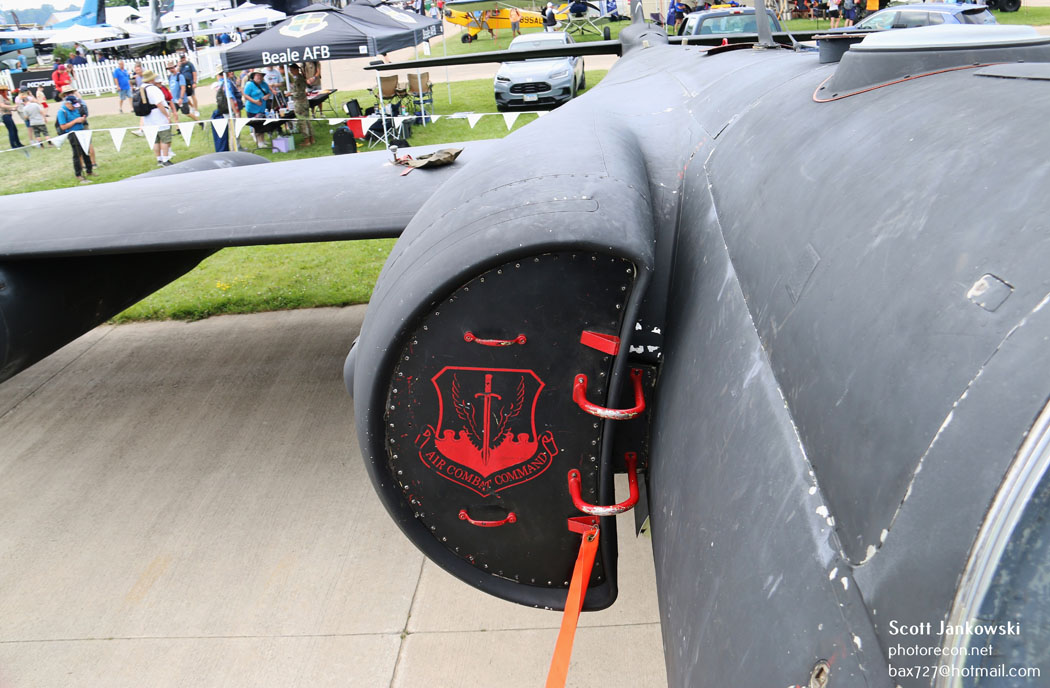
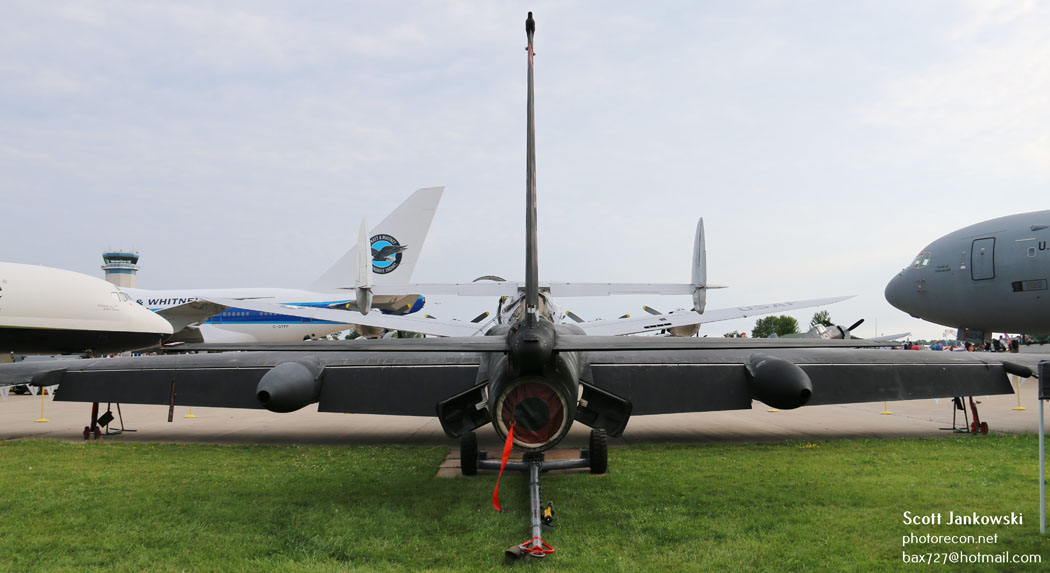
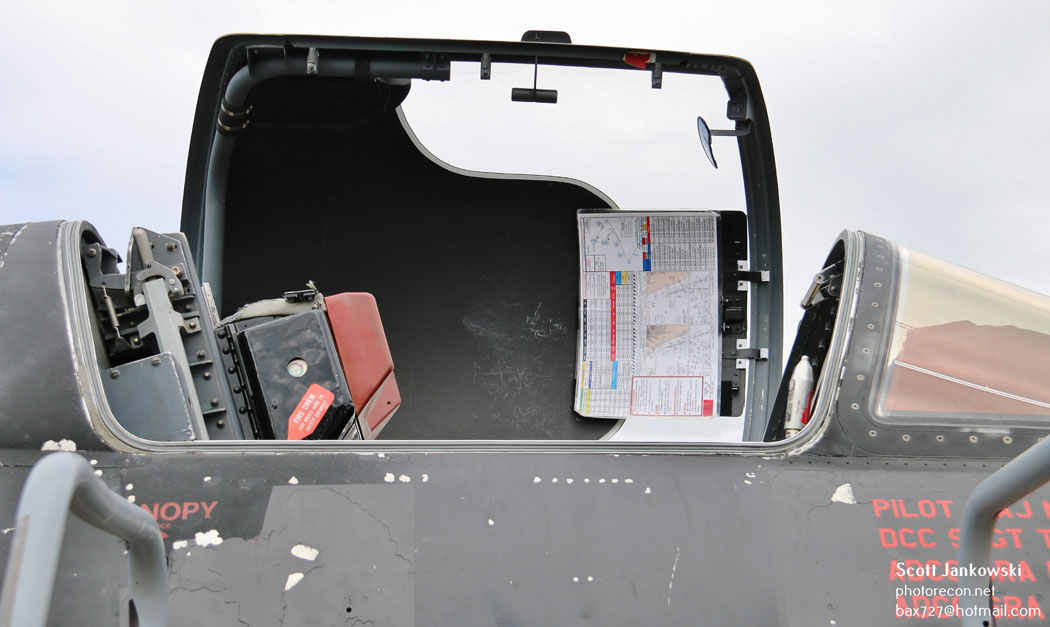
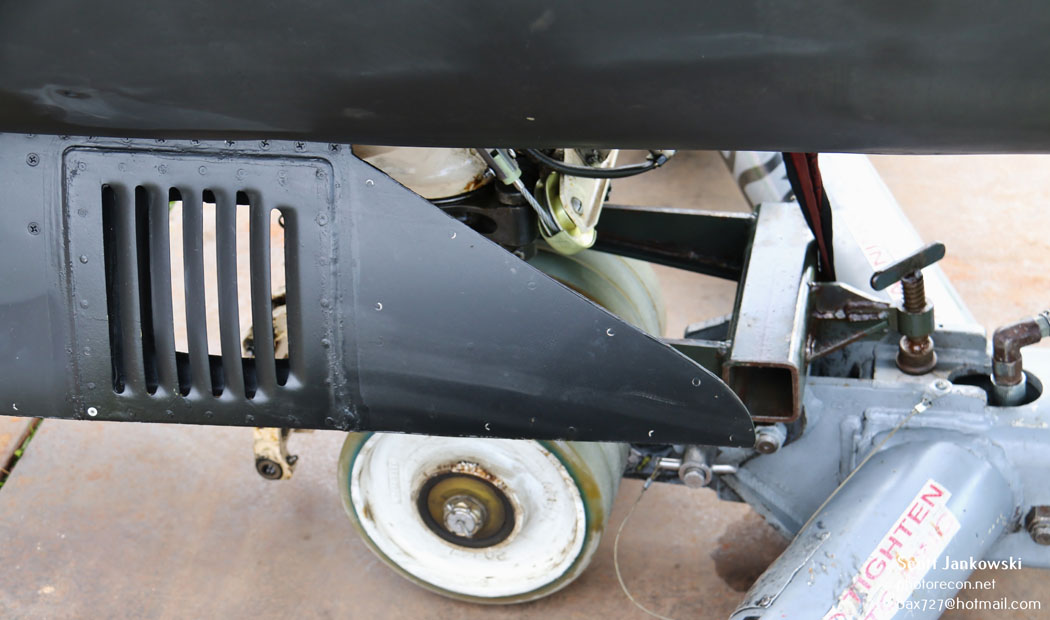
“You need to be fully committed to flying the aircraft as it is very unforgiving if you are off with anything, no matter how experienced you might be, you can never get complacent. It is a very tricky aircraft to land but it is still an airplane, again you just cannot get complacent. The aircraft has a bicycle landing gear arrangement that you need outriggers attached while taxiing, the flight controls are heavy/sluggish as there is no hydraulic assist, you have limited visibility and it just does not want to land. If you are off on your airspeed or get lazy it will bite you. Taking all of this into account though we have unique advantages over modern alternatives due to the altitude we fly at, in addition having a pilot on board means we can be very flexible. The number one reason we have been able to keep flying is because of the dedicated professional pilots, and all of the support groups the engineers, the maintainers, and the leadership. It is these groups of people that have allowed the U-2 to perform different missions sets and not just one type. No matter what happens to the U-2, it is the spirit of what made this aircraft so great it will continue to live on. It is the spirit of innovation, and determination those things will never go away no matter what.”
Lieutenant Colonel Jon “Huggy” Huggins, a civilian U-2 Instructor Pilot provided his comments on the U-2 as well as his background with the program. “I grew up in Houston Texas area and was involved in the space program, I was never into aviation. I attended University of Texas and was part of the ROTC (Reserve Officers’ Training Corps) program. I entered pilot training at Laughlin Air Force Base Del Rio Texas as a Lieutenant. I stuck around as an T-38 Instructor Pilot, my goal was to fly fighters the F-15 or 16 but the Air Force was getting rid of fighter pilots and did not need fighter pilots. Only the top pilots in my squadron were getting fighters, I was not one the Commanders favorites to say the least, I saw the writing on the wall. One of my friends, a T-37 Instructor said I should try out for the U-2 program as he just interviewed for that role. I said to him the same thing everyone says today, they still fly that thing? I looked into the program and thought this sounds really unique, I had the interview, the timing was perfect, and I was hired. After training at Beale, I flew the U-2 from 1989 to 1993 and was the last guy out of training to be assigned to RAF Alconbury England. I returned to Beale and flew the T-38 again from 1993 to 1996 and the U-2 again from 1996 to 2000. After 9-11 I would once again fly the U-2 from 2002 to 2014. I did fly the MC-12 in Afghanistan for one of those years. I retired in 2014 but in 2020 the squadron had an idea to bring back some experienced pilots to act as civil servant pilots. I have been doing that for 5 years now, I am qualified as an instructor on the U-2 and the T-38, we currently have four civilian pilots.”
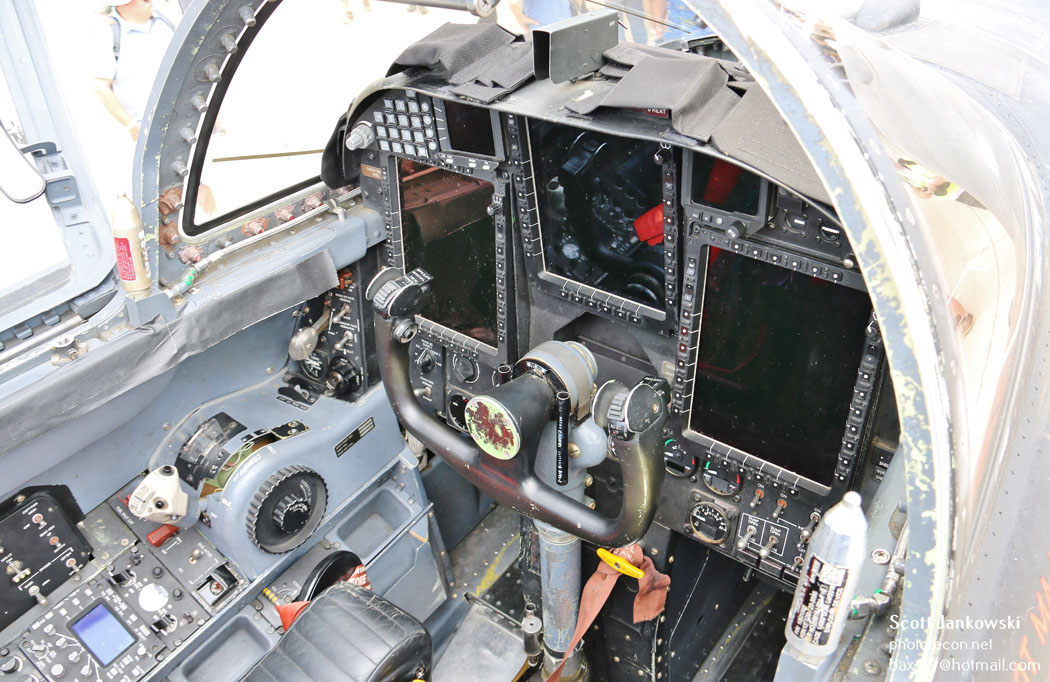
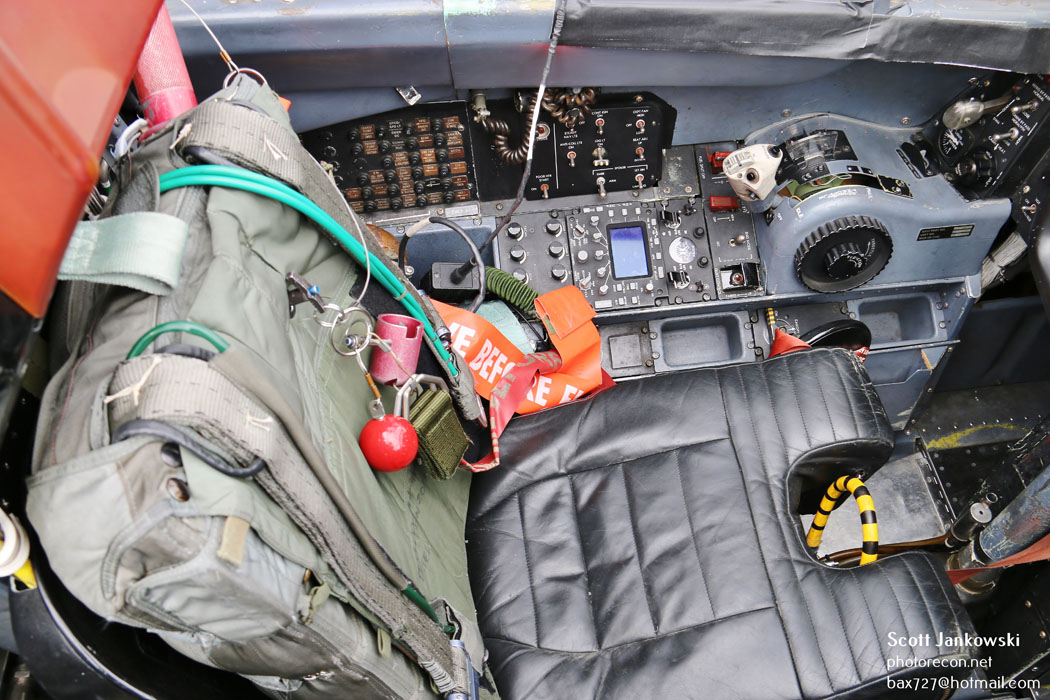
“I am the 537th solo pilot to fly the aircraft, I think we are up to 1,117 now. I have flown about 2,700 hours in the U-2, 4,150 in the T-38 and have flown 978 sorties in the U-2. My longest mission was about 12.1 hours bringing an aircraft back to Beale from England. I flew the opening day of Desert Storm in the last U-2 built serial number 80-1099 along the Saudi Iraqi border and lit up by an Iraqi SA-2 SAM (Surface to Air Missile) site. I am not sure if they ever launched a missile or not but I did get an indication. I also flew the opening day of the second Gulf War which was my longest combat mission at 11.2 hours, the Iraq War. I flew the opening day of the war in Kosovo from Sigonella in Italy as well as numerous times North of the Arctic Circle. Physically it is a tough aircraft to fly, its long duration flying in a very small single pilot cockpit wearing a pressure suit. You either like it or you don’t, I knew what I was getting into and I still thought this is going to be fun. I have several instances where the aircraft got my attention: I have had the autopilot kick off at night, in turbulence with the aircraft starting to roll. I have had the aircraft get sideways on landing and start heading for the grass, the aircraft can be difficult. With a Mil spec aircraft like the C-17 or the F-16 you expect it to perform a certain way, the U-2 is a hodge podge. There is something called the Cooper Harper Scale, it is a pilot rating scale, a set of test pilot and flight test engineers to evaluate handling characteristics of an aircraft while performing a task during a flight test. The U-2 is a badly designed aircraft it fails at everything, visibility, handling, force to move controls, ergonomics, stall characteristics, everything is terrible, but we love it, we love the challenge.”
“The U-2 is a 70-year-old design and it’s still doing things nothing else really does. We are all immensely proud of the work we do, the aircraft is extremely relevant, and it does fantastic work, it keeps up with the changes. There is a lot of new technology out there, but we can plug it into the U-2, we can test it, power it, and have it on the front lines right away. That is how we have been able to stay relevant. It is not the airframe it is the stuff inside the newest, greatest, and the best. The U-2 is my favorite airplane, I love flying it, it has changed my life. I get to work with the best people, I get to work with the pilots of my squadron, and it has taken me to some really cool places. It has truly opened many, many doors for me.”
The U-2 has been threatened with retirement quite a few times now but has repeatedly earned a reprieve due to its unmatched capabilities. Instead of being phased out the U-2 continues to be upgraded and enhanced to ensure it continues to be one of our most trusted intelligence gathering assets. The U-2 has evolved to meet the ever-changing demands of intelligence gathering and reconnaissance. Lockheed Martin figures the aircraft can continue to fly into the year 2050, will the U-2 continue to serve that long? Only time will tell how much longer the U-2’s storied career will continue. While its mission has changed over the years this icon of the skies will continue to serve faithfully. Until next time, “Blue Skies To All!”
I would like to personally thank Lieutenant Colonel “GoGo” and Lieutenant Colonel Jon “Huggy” Huggins for their time and hospitality. A big thank you as well to Tech. Seargent Samuel Burns for facilitating these interviews and for helping make these article possible.