

A Military Electronic Warfare, Communications and Reconnaissance Aircraft Scrapbook
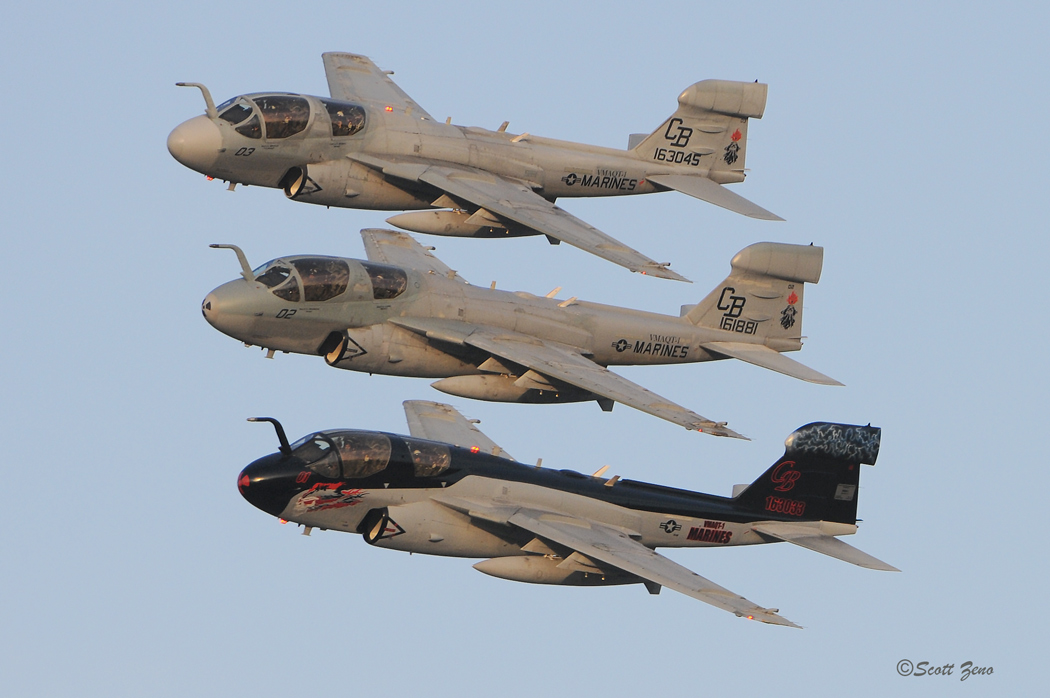
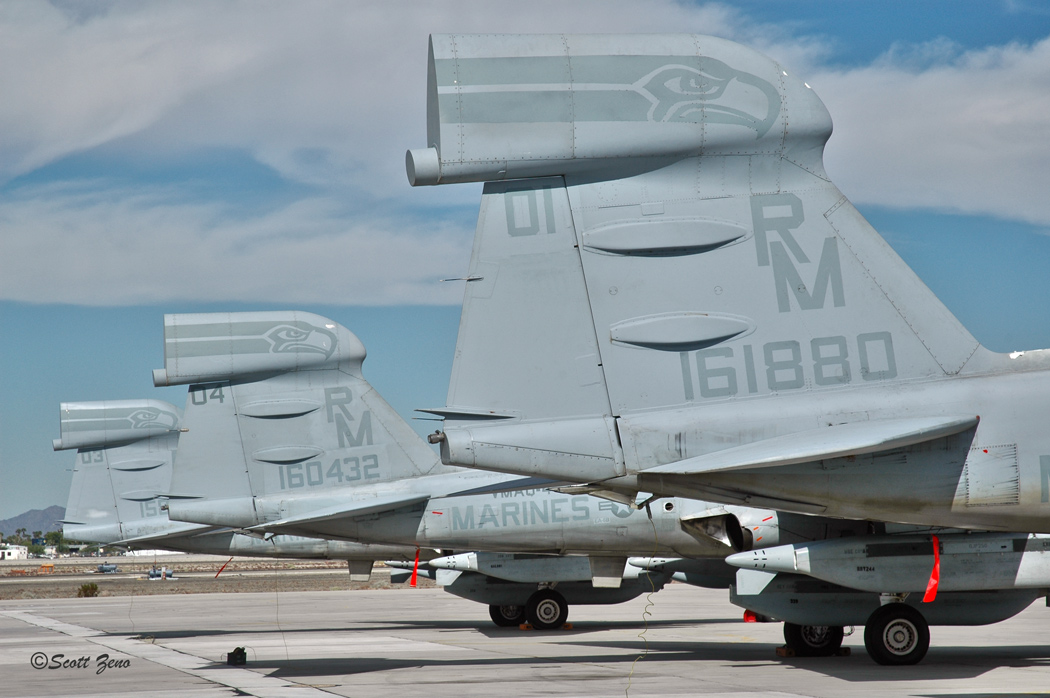
The last three Grumman EA-6B Prowlers in U. S. service performing their final fly-by at MCAS Cherry Point in 2019
Photos by Shawn Byers, Scott Jankowski, Scott Zeno, William Ellison, Bob Finch and Ken Kula
Within this article are photos of military aircraft whose missions are to search out and/or to combat electronic emissions, photograph items of interest for military branches, or to enable communications across multiple spectrums around the world. Some airframes have been modified for specific duties while others can perform multiple missions at once.
Beech Super King Air
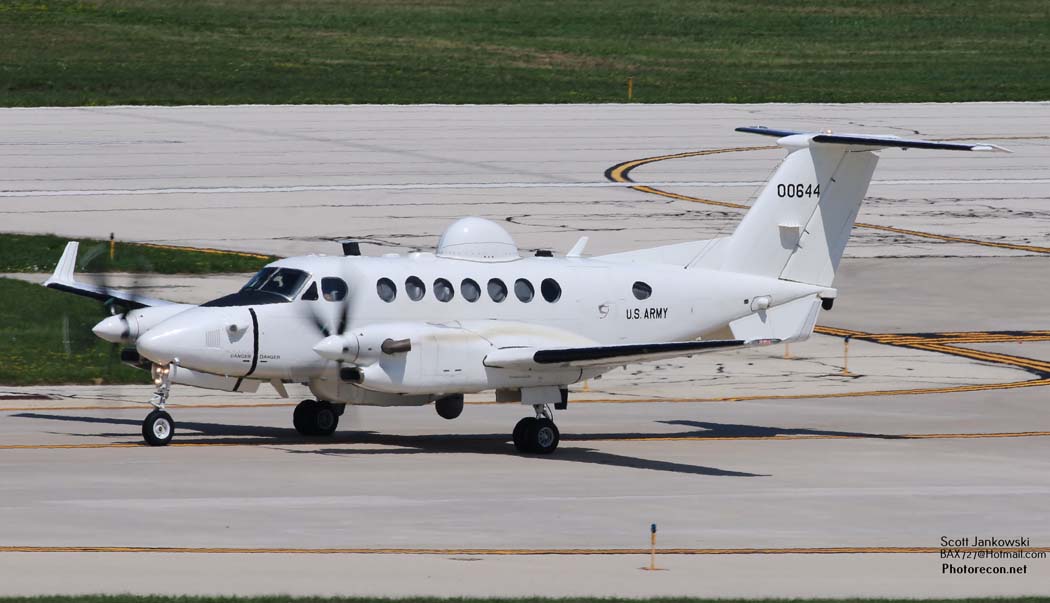
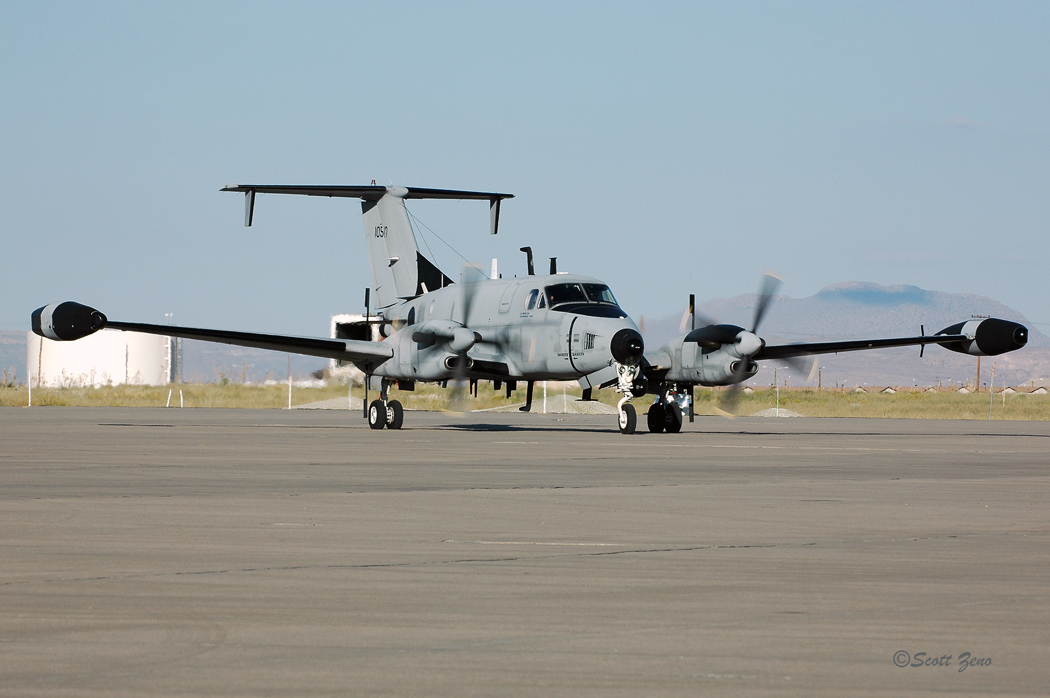
U. S. Army RC-12S Huron EMARSS
Beech/Raytheon/Textron B350 Super King Airs have been modified for surveillance work. The on-board equipment acronym stands for Enhanced Medium Altitude Reconnaissance and Surveillance System (EMARSS). Some aircraft have been modified as MC-12W Liberty aircraft after the “Project Liberty” and painted in low-visibility gray colors. Older Super King Airs were modified into Army Guardrail RC-12s, most if not all Guardrails have been retired.


Fairchild Metroliner
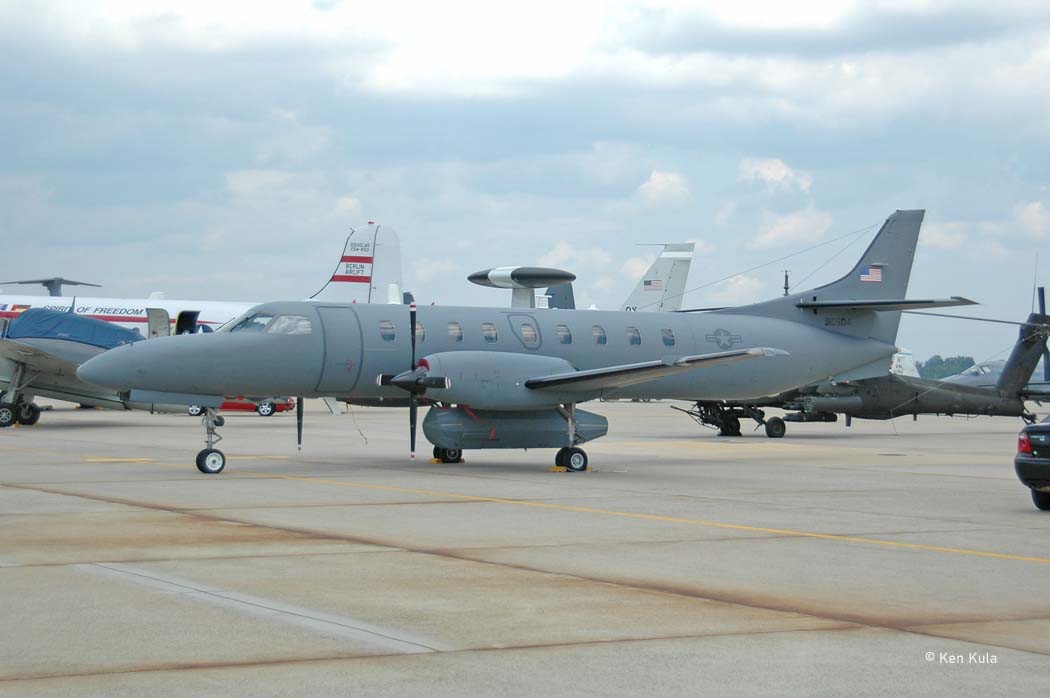
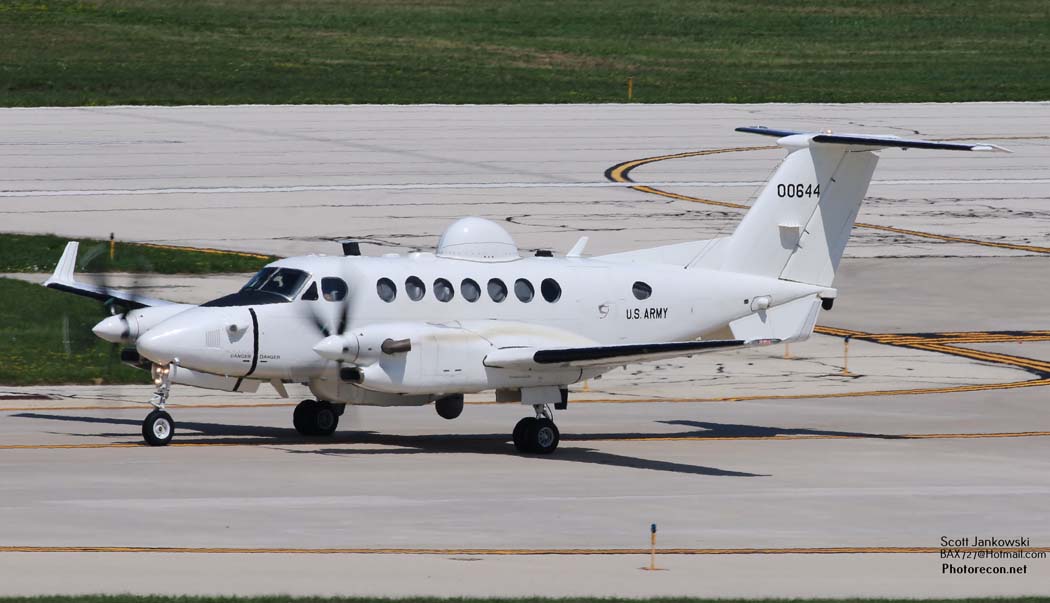
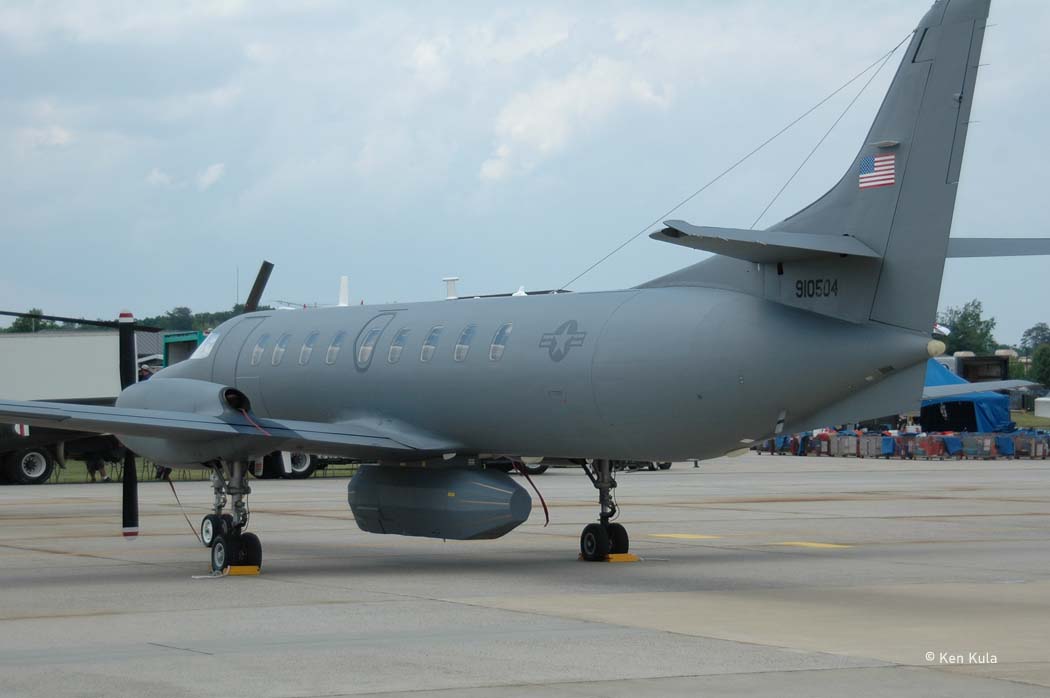
Fairchild RC-26B
This militarized version of the Fairchild Metroliner carries equipment for visual and electronic surveillance. Several were produced for and operated by Air National Guard units.


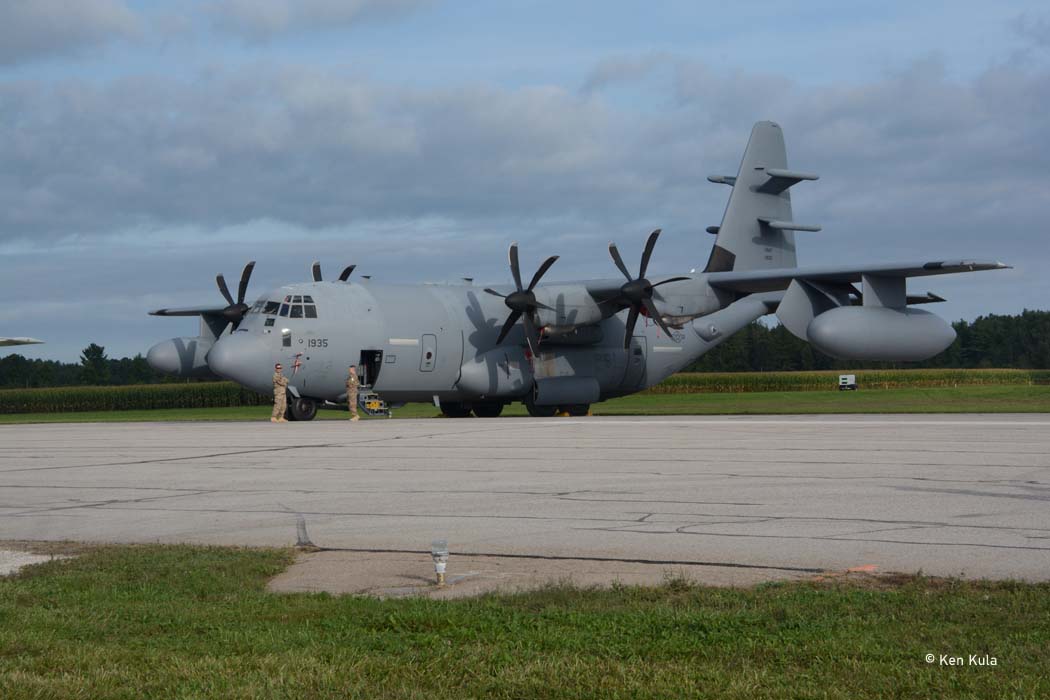
Lockheed EC-130 Hercules
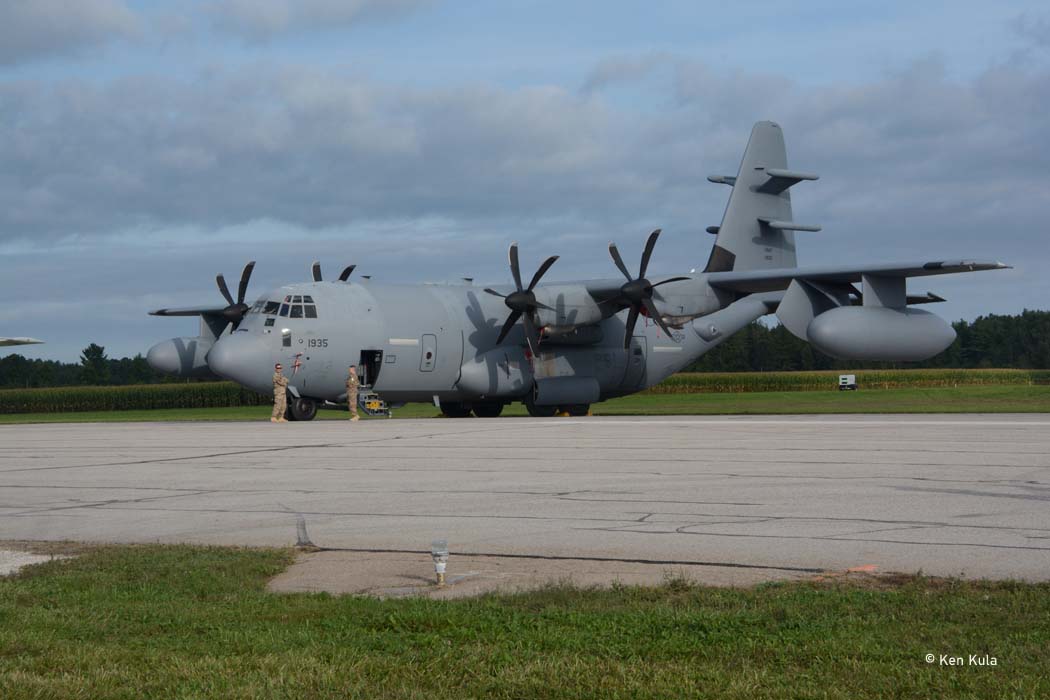
Pennsylvania ANG Lockheed EC-130J Commando Solo
Multiple versions of the Lockheed EC-130 Hercules have served the USAF, Navy and Air National Guard. Most recently, the Pennsylvania’s Air National Guard retired their Commando Solo PSYOPS (Psychological Operations) aircraft in 2024.
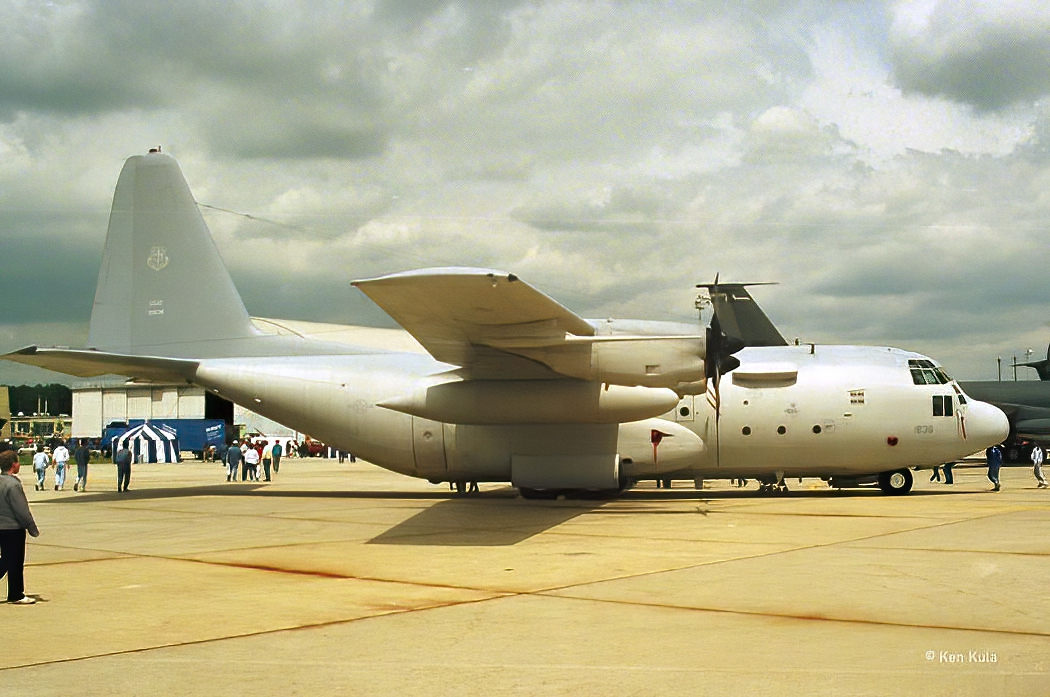
AN EC-130E ABCCC aerial command post
The original EC-130E Airborne Battlefield Command and Control Center (ABCCC) aircraft were retired in 2002.
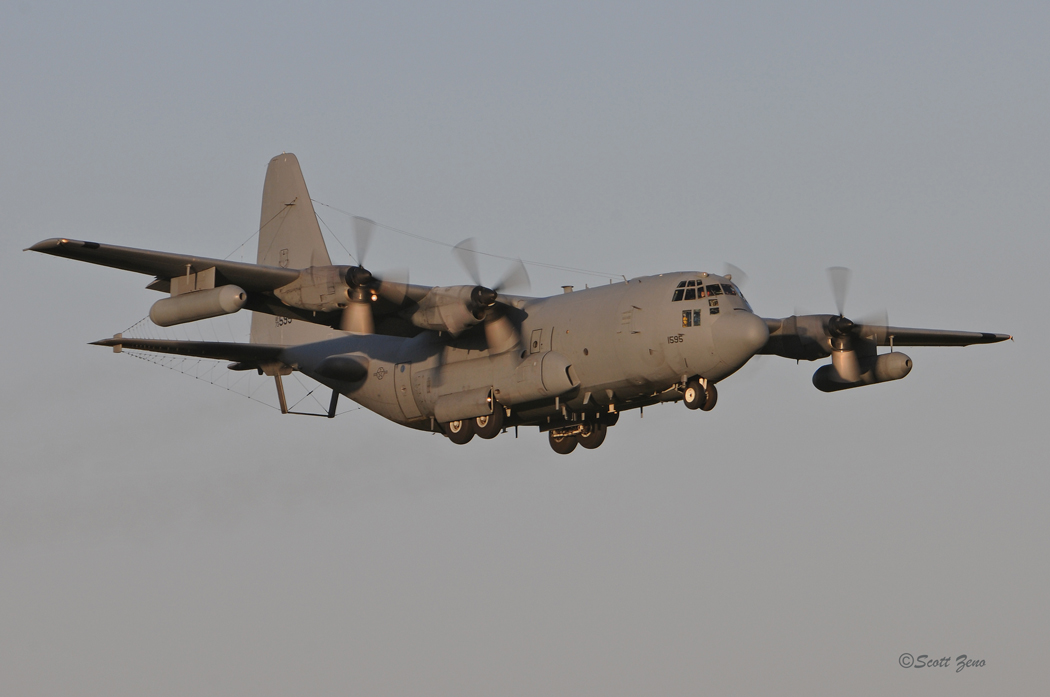
EC-130H Compass Call wearing its’ tail antenna array
Another C-130 version was the EC-130H Compass Call, used for communications jamming. Notable was the antenna apparatus strung across the tail of the EC-130H. A new jet has recently replaced the final EC-130H airframes.
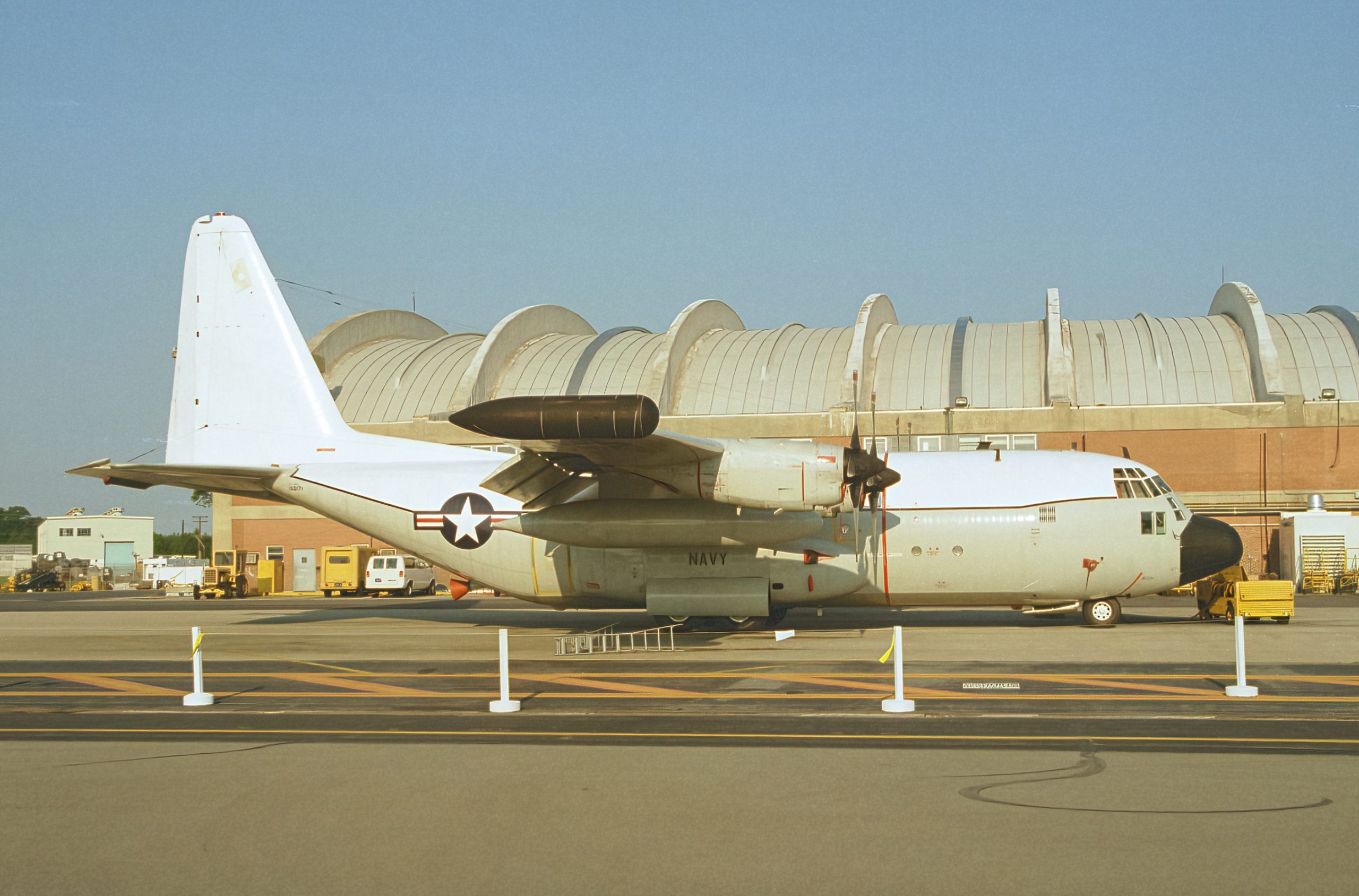
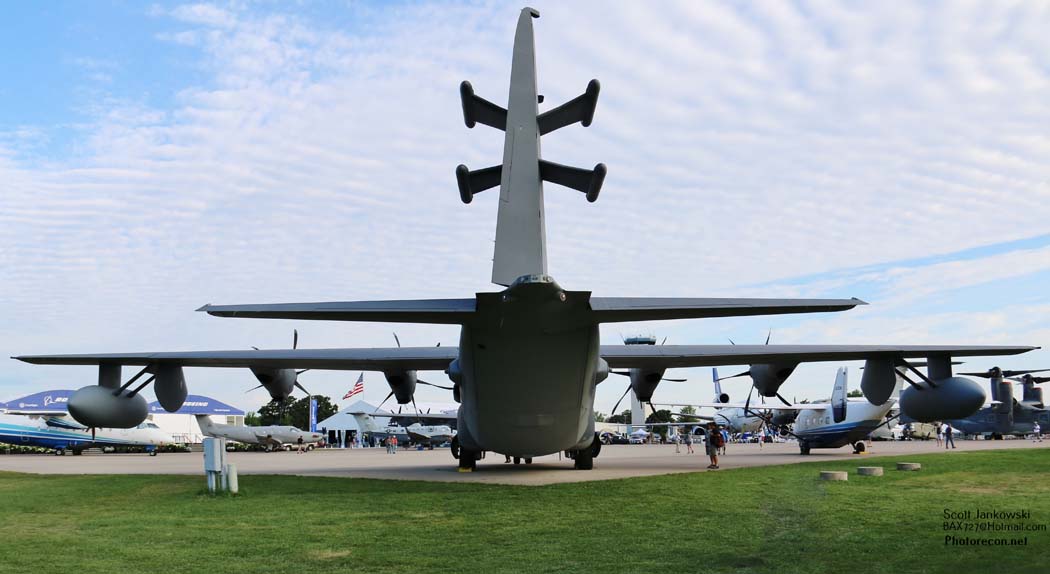
EC-130Q TACAMO… a new platform based upon the C-130J is planned to be the next TACAMO iteration
The Navy’s EC-130Q was a C-130 fitted with the initial TACAMO (Take Charge and Move Out) system for underwater submarine communications. The dozen modified aircraft were used from the late 1960s through the early 1990s before being replaced by E-6A Mercury jets.




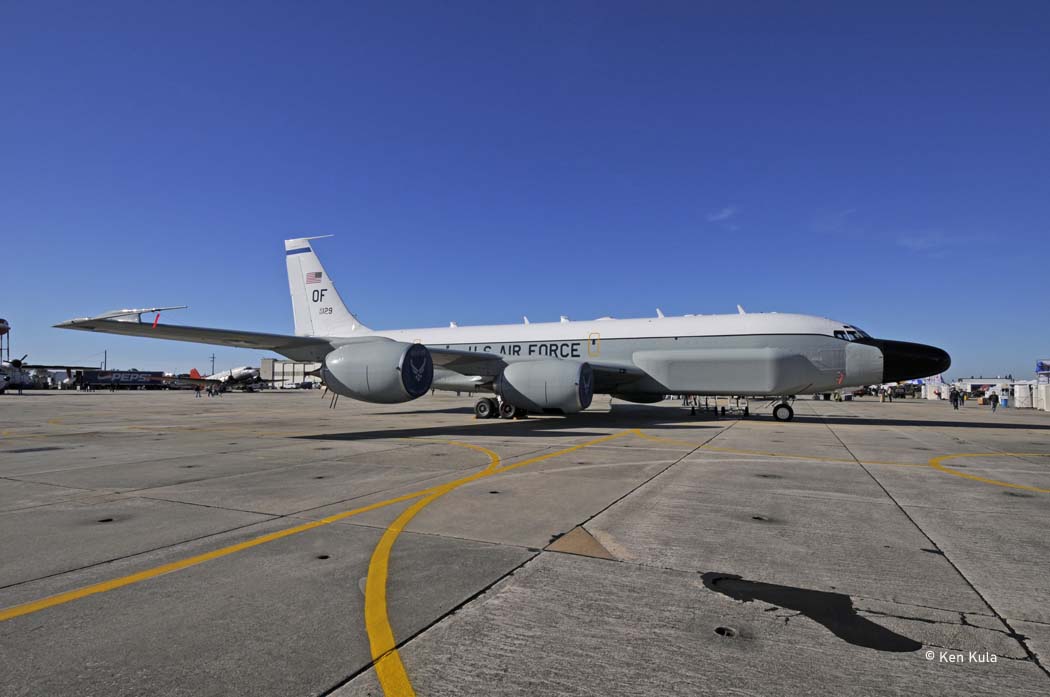
Boeing RC-135/EC-135/EC-18
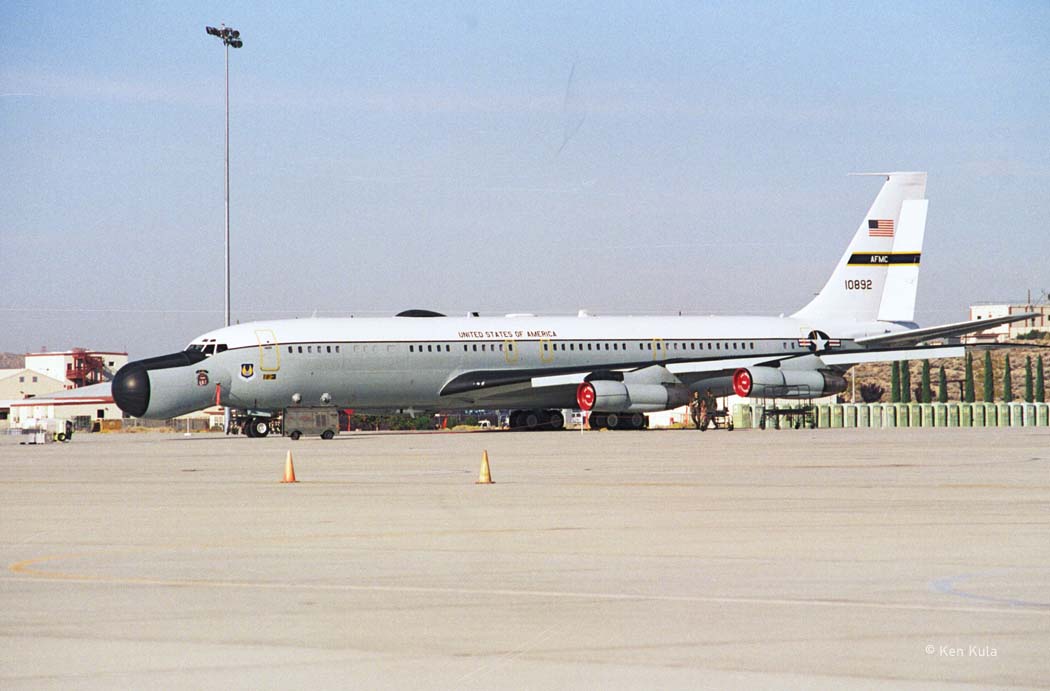
Boeing EC-18B Advanced Range Instrumentation Aircraft (ARIA)
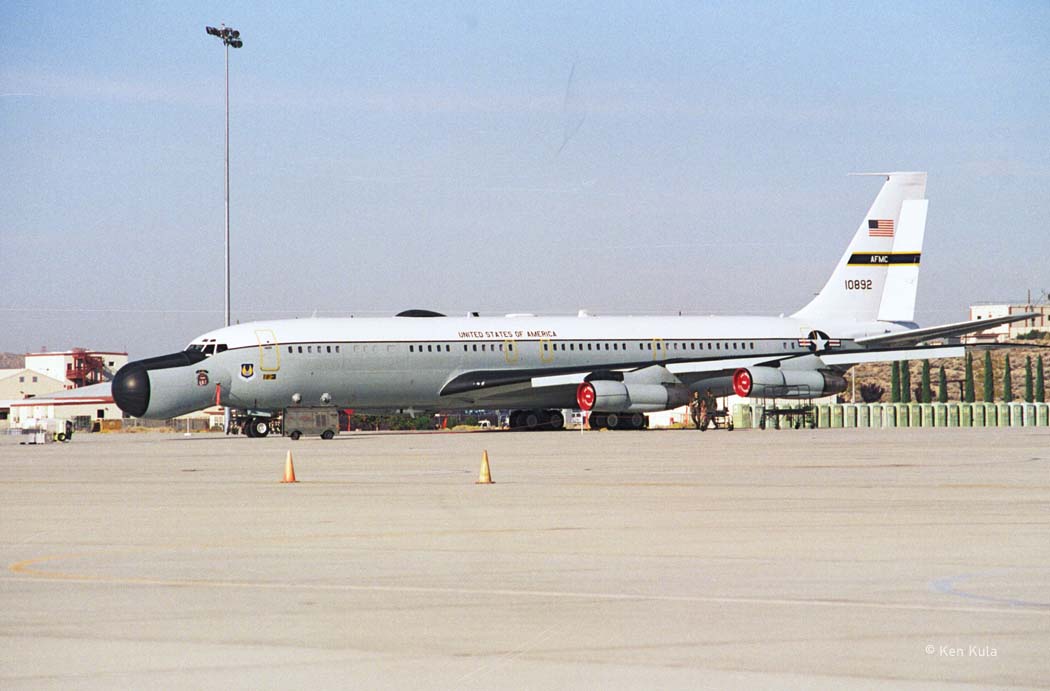
Now retired, the EC-18B was used for tracking space launches. Other versions of the B-707-300 series transports became MILSTAR support aircraft or cruise missile testing command and control jets.

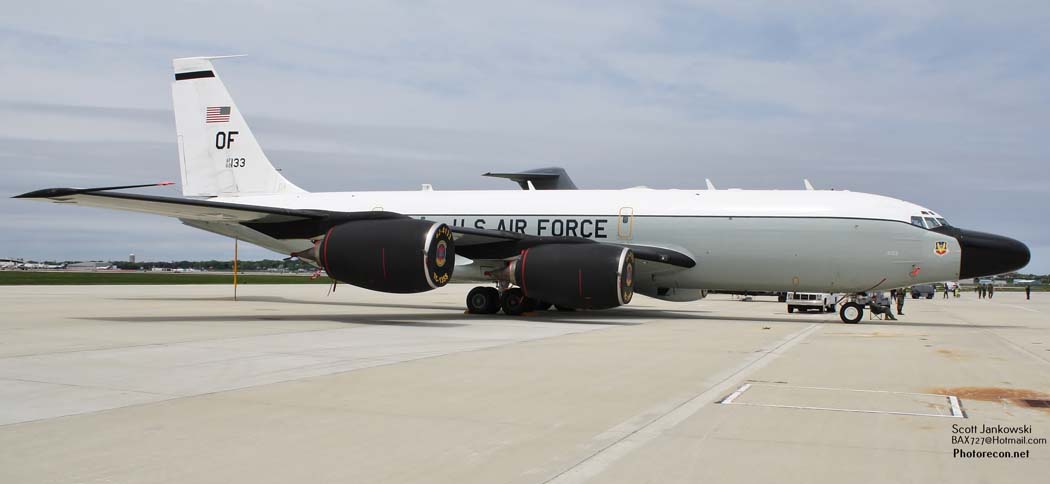
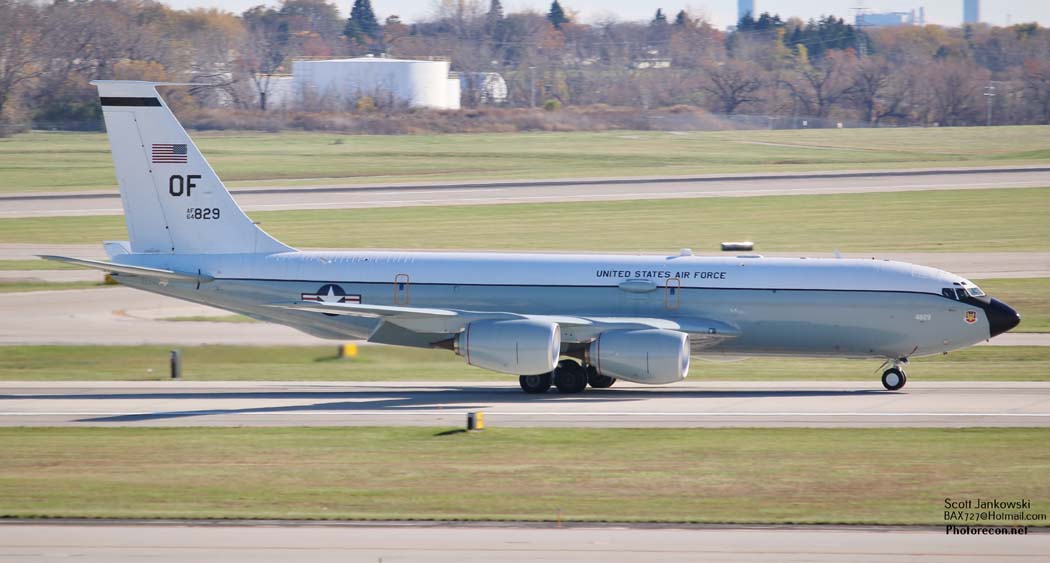
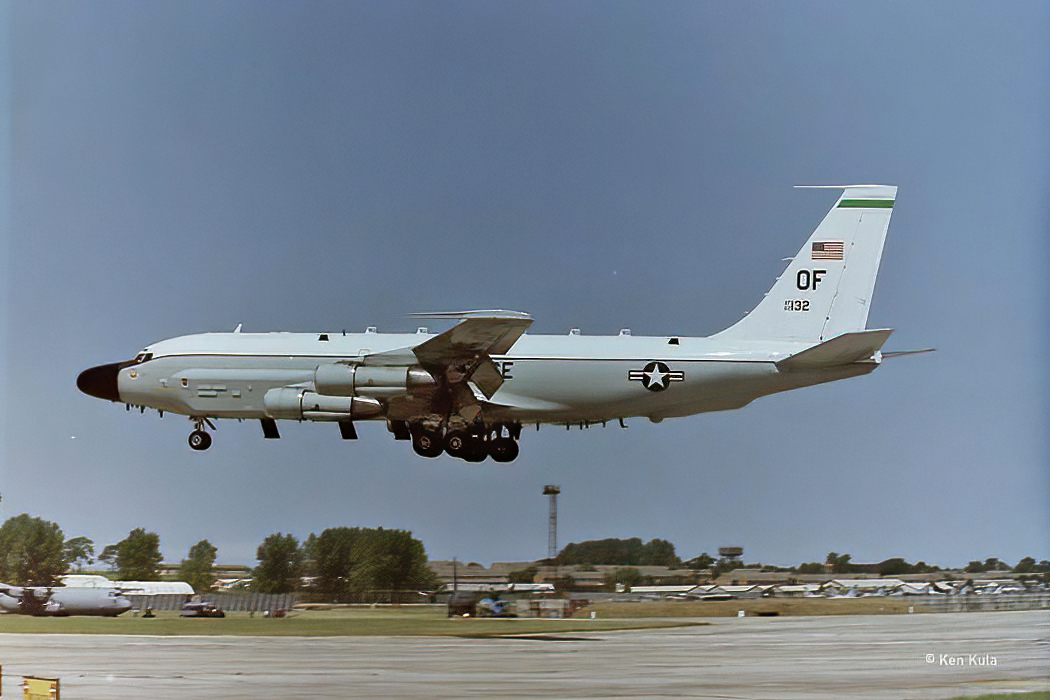
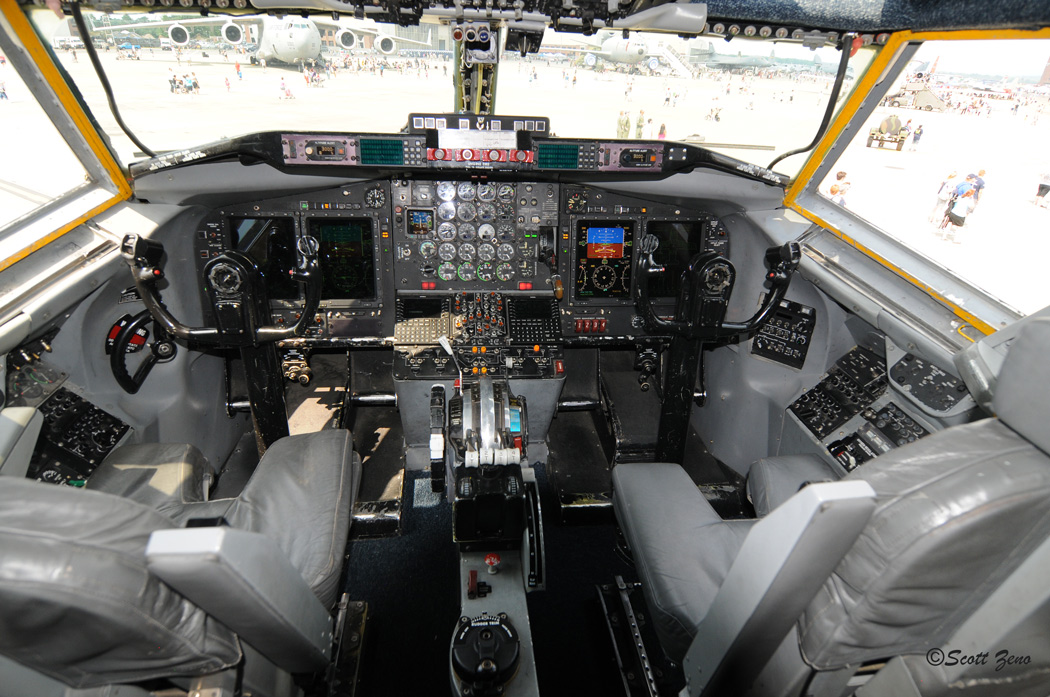
Boeing RC-135U Combat Sent
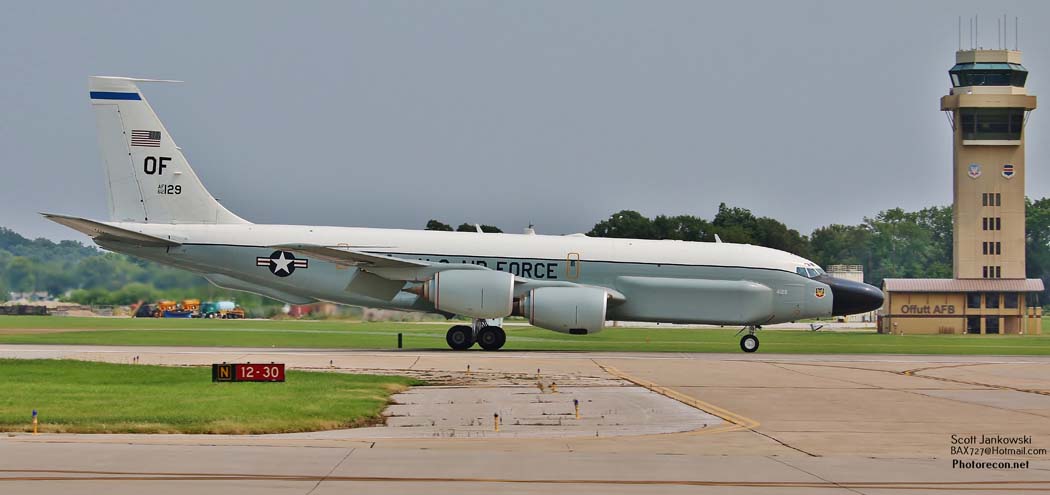
This C-135 variant collects electronic intelligence on foreign operators.
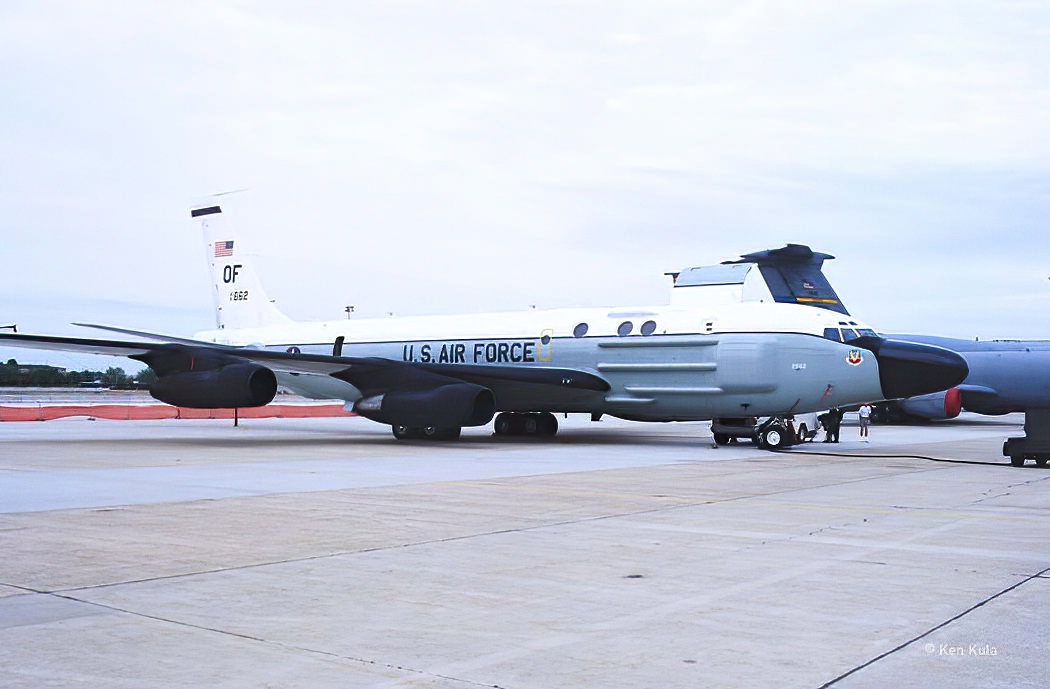
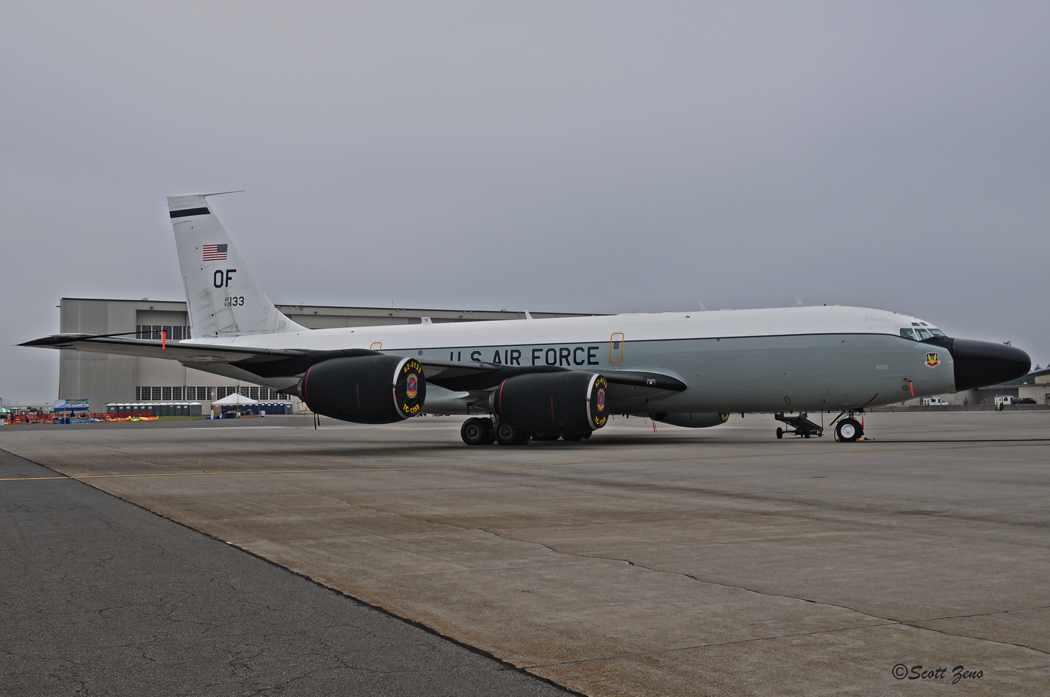
Boeing RC-135S Cobra Ball
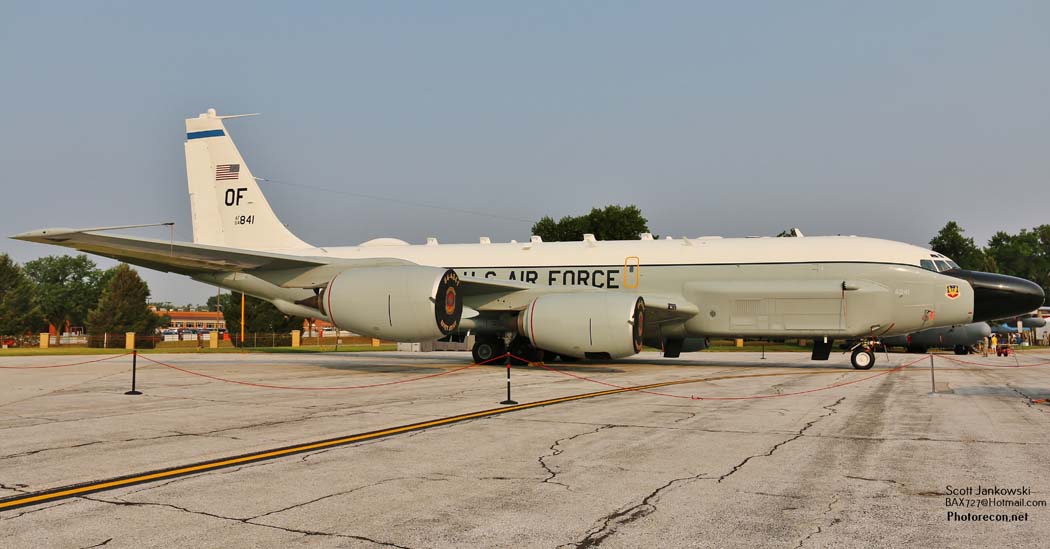
This Boeing C-135 variant which collects photographic and electronic information for the US intelligence community. The flat black paint on the wing reduces reflections from the sun while photography is being accomplished.






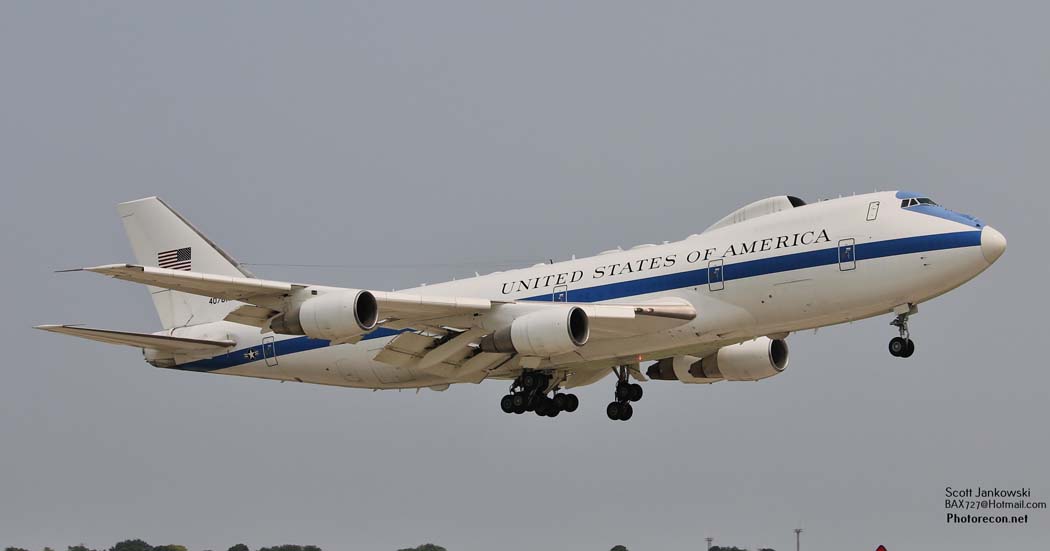
Boeing E-4B
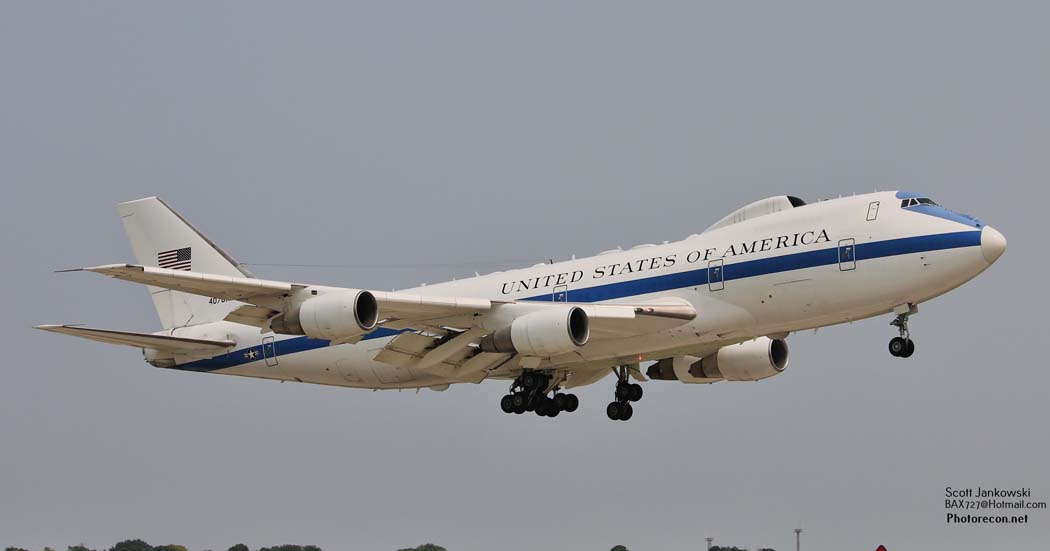
Boeing E-4B
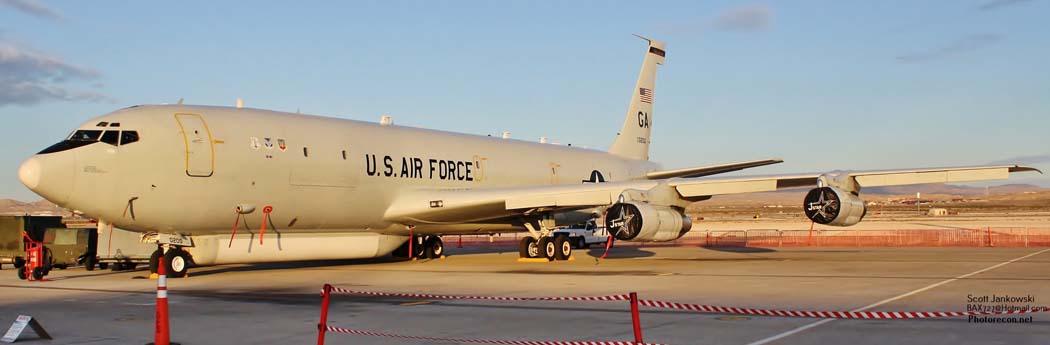
The four USAF E-4Bs are national emergency airborne command posts. The staff abord the aircraft perform command and control missions of great importance for national security. The call signs Nightwatch or NEACP are older acronym/names for today’s mission. These four airframes are slated to be replaced by five B-747-8i airframes which will be designated as E-8Cs.



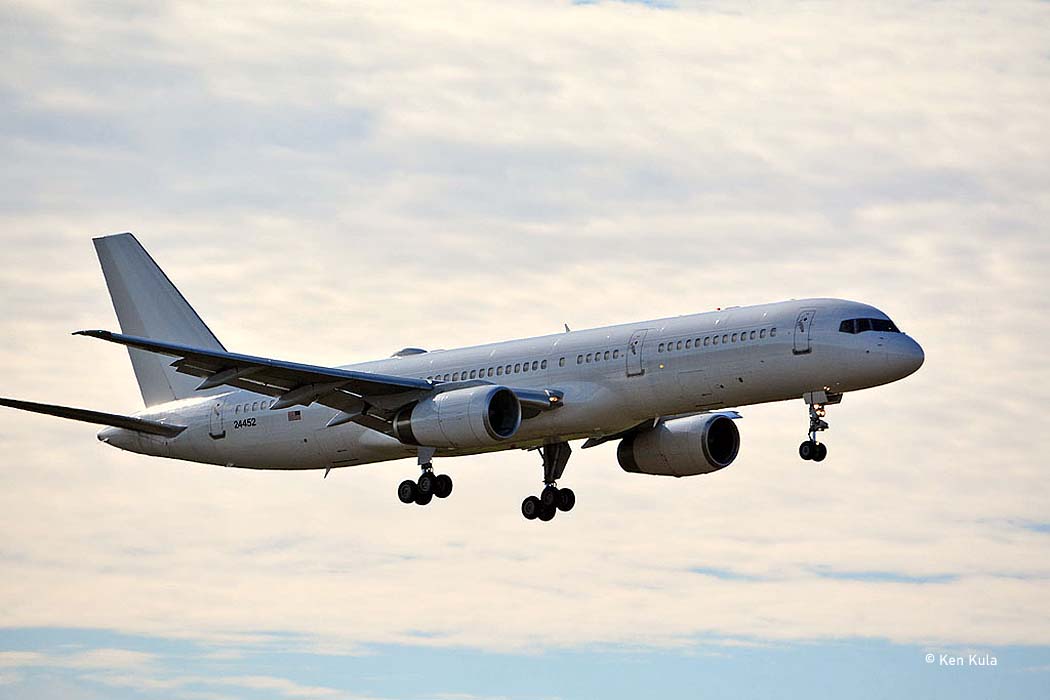
Boeing C-32B
USAF/Air National Guard C-32B
Several shadowy C-32B aircraft are configured as command posts and communications assets for Foreign Emergency Support Teams (FEST).
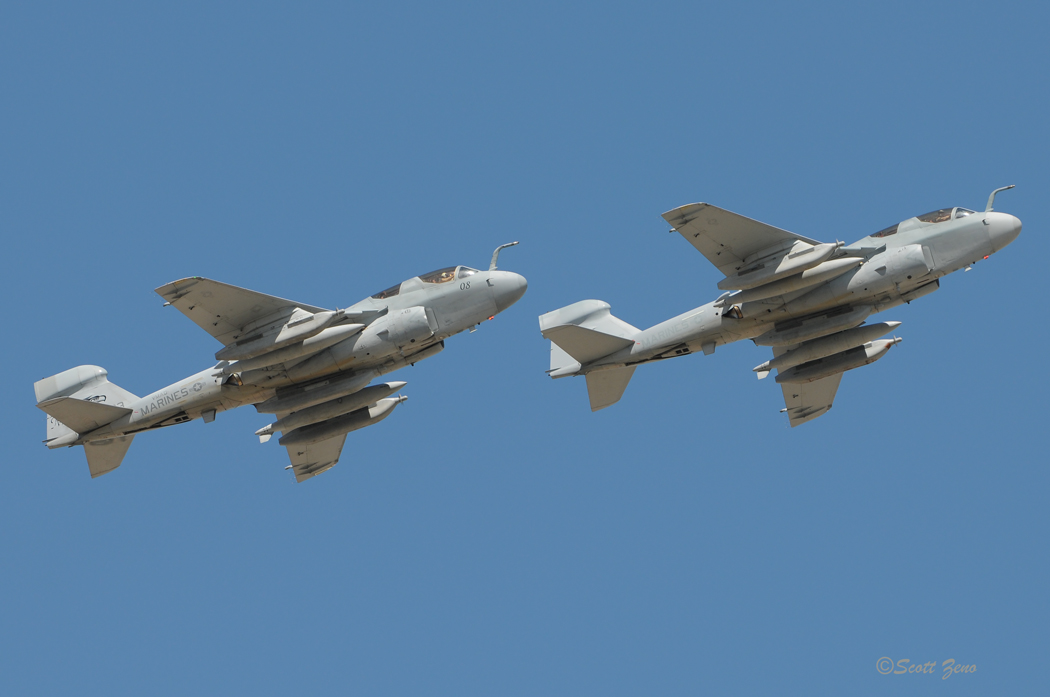
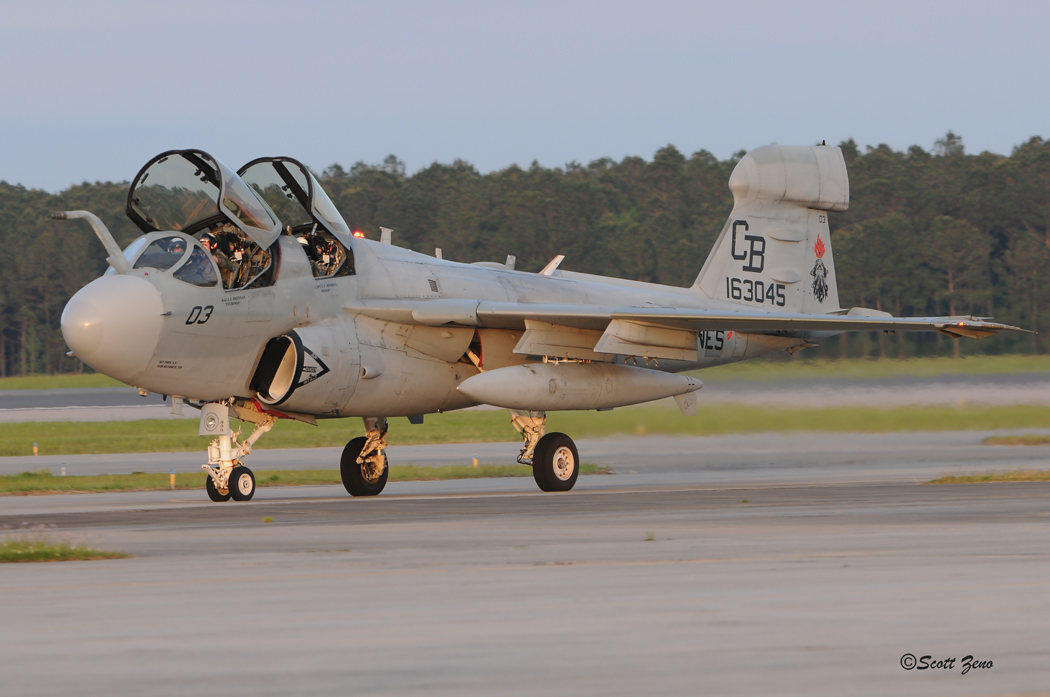
Grumman EA-6 Prowler
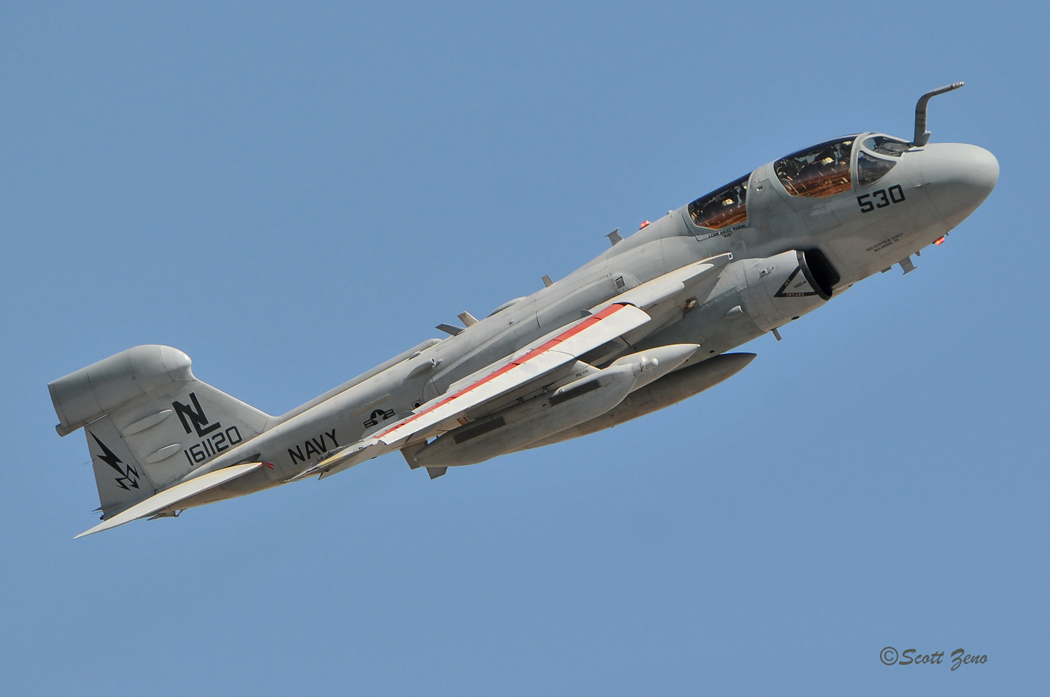
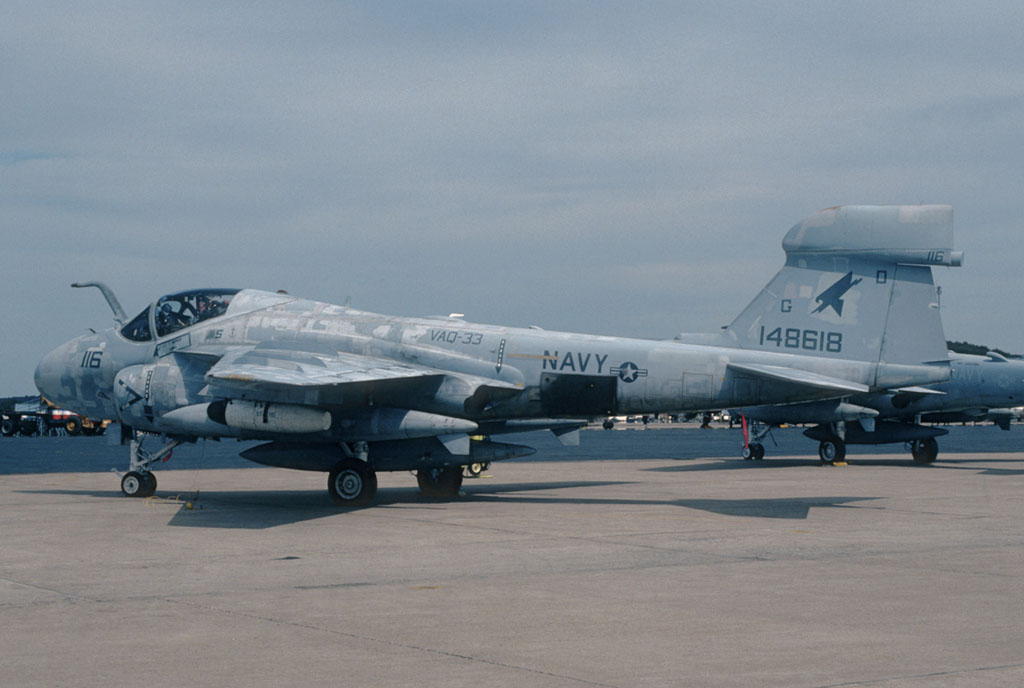
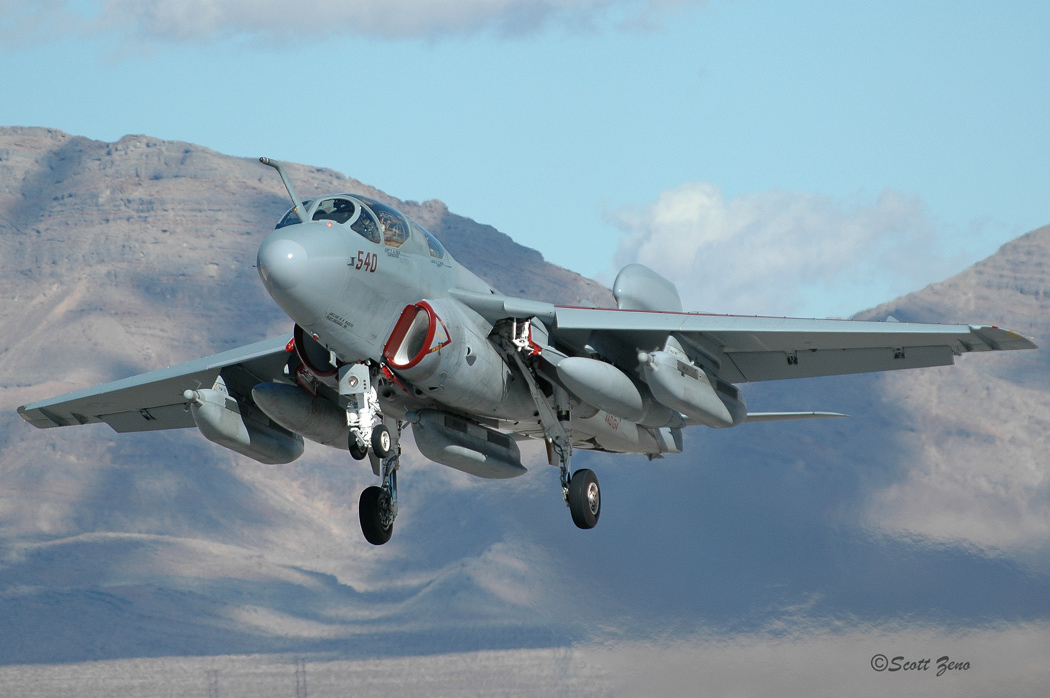
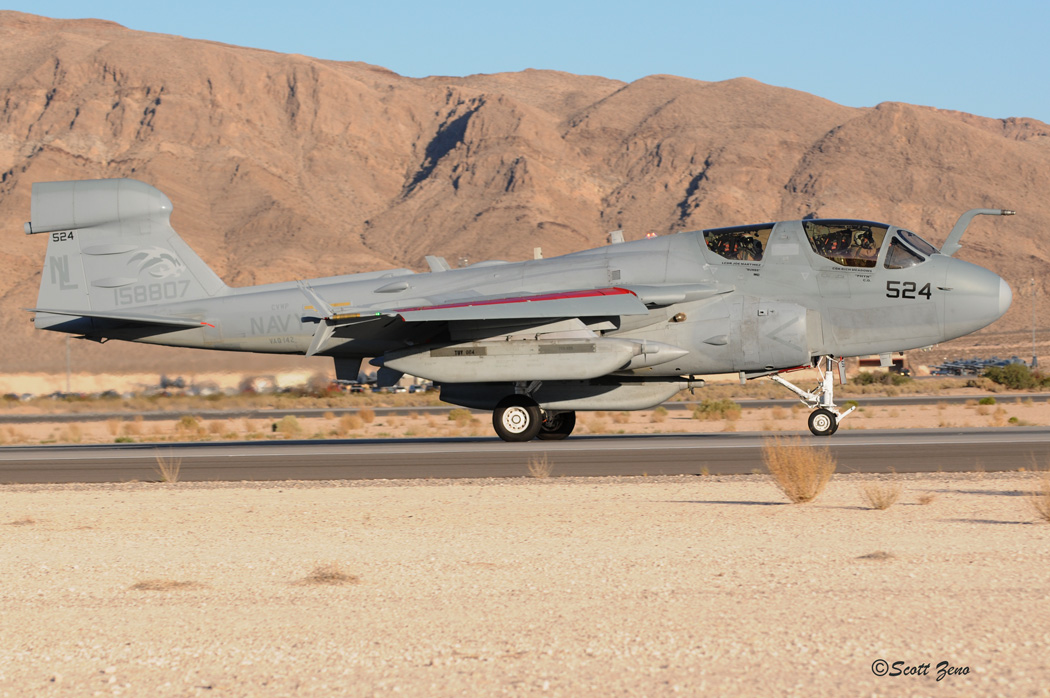
The Grumman EA-6 Prowler served the US Navy and Marines for many years. After the EF-111As were retired, served with US Air Force. Early EA-6A jets were twin seaters.





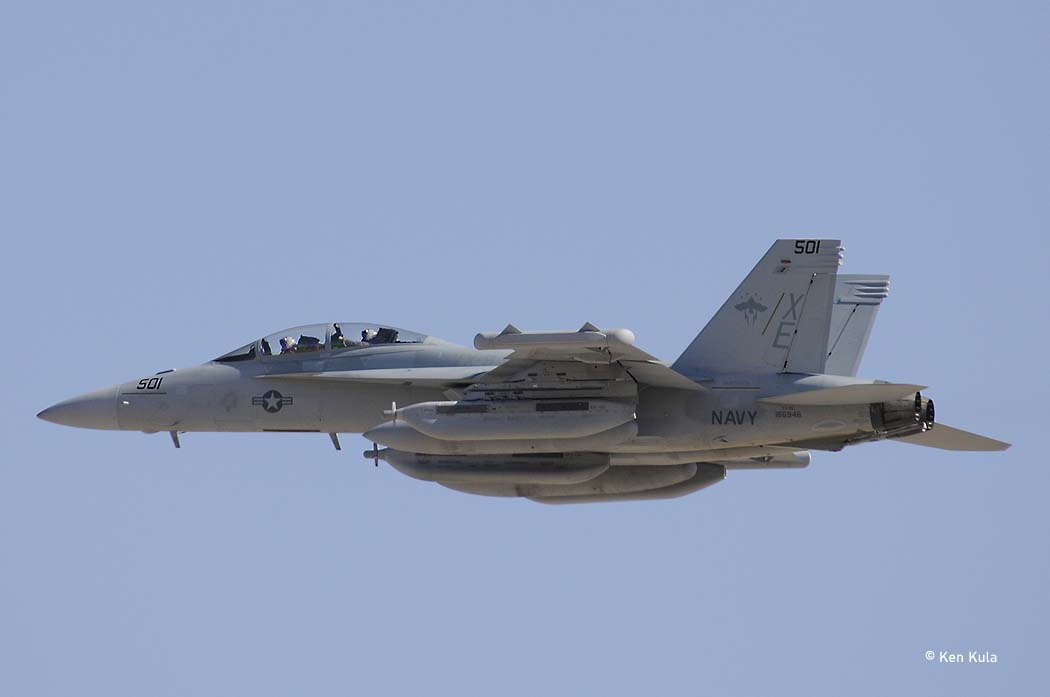
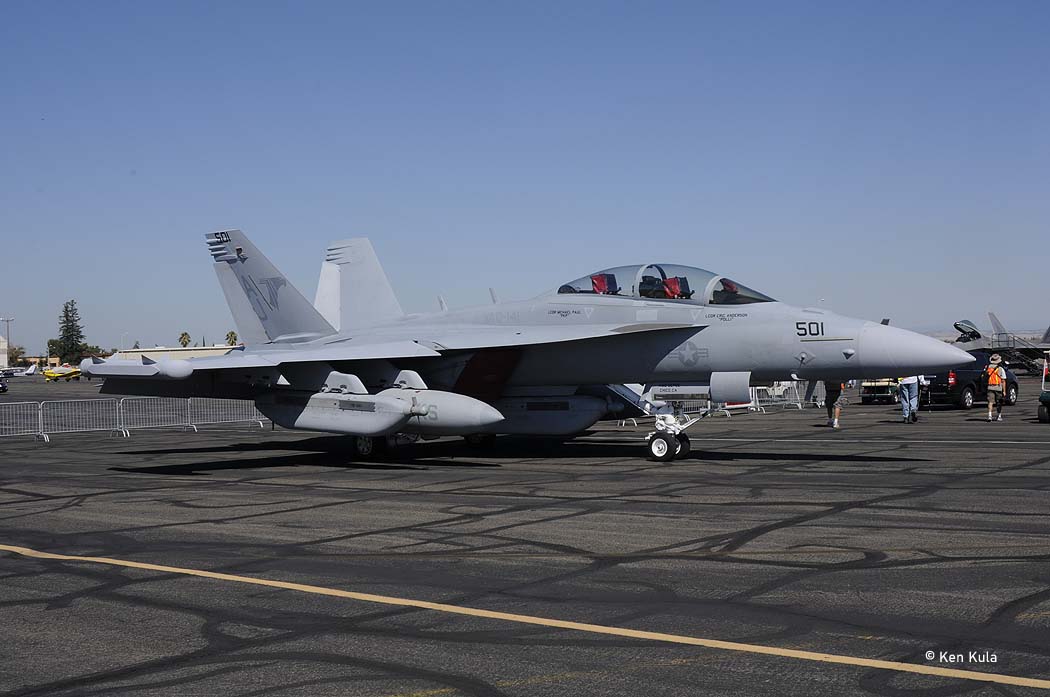
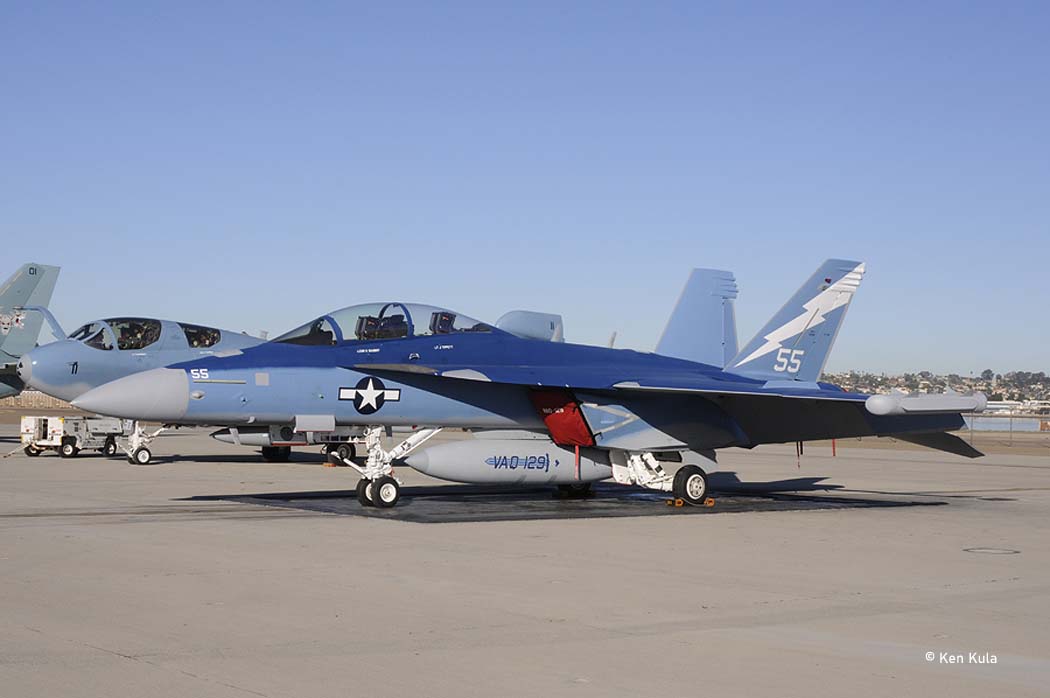
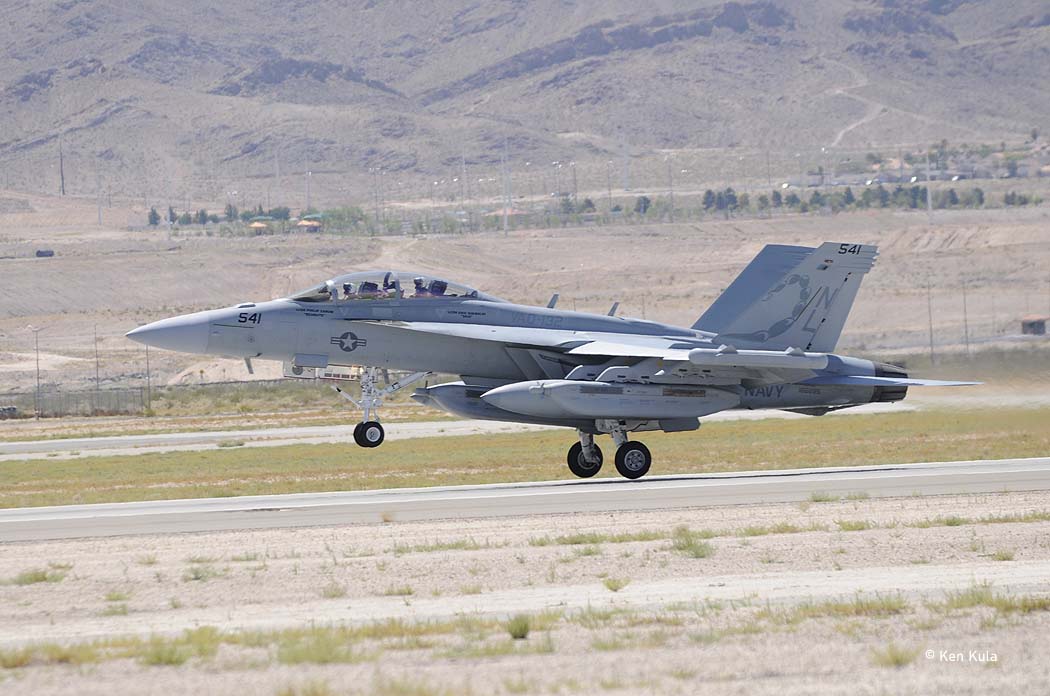
Boeing EA-18G Growler
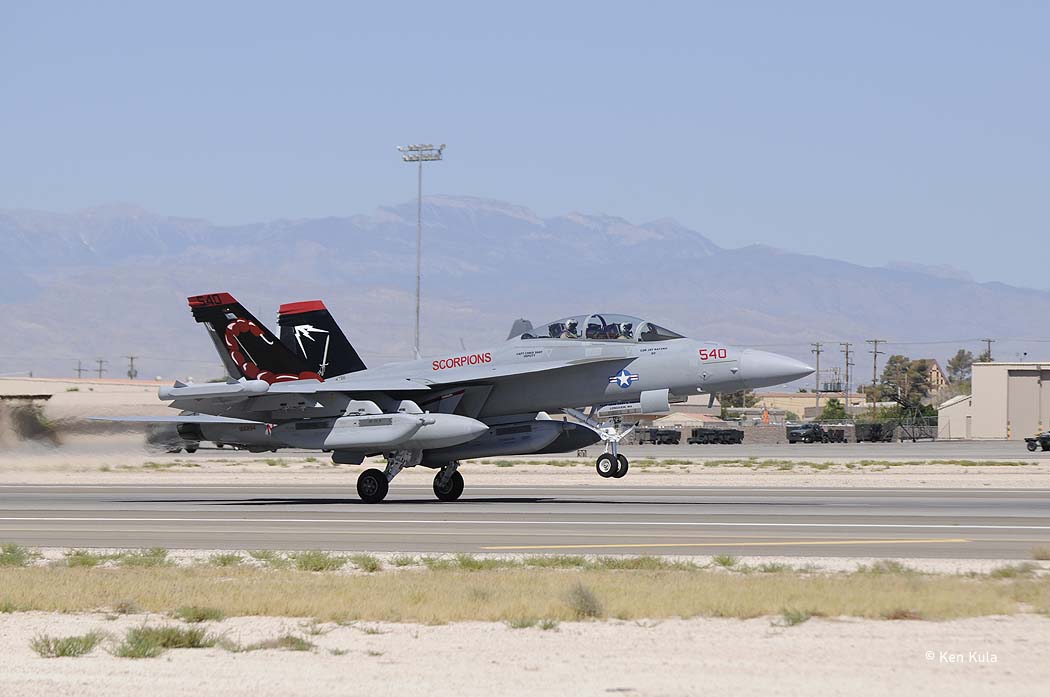
The CAG aircraft of VAQ-132 departs on a Red Flag mission at Nellis AFB
The EA-18G Growler replaced the long-serving EA-6B Prowler in US Navy service.



Boeing/ US Navy E-6 Mercury
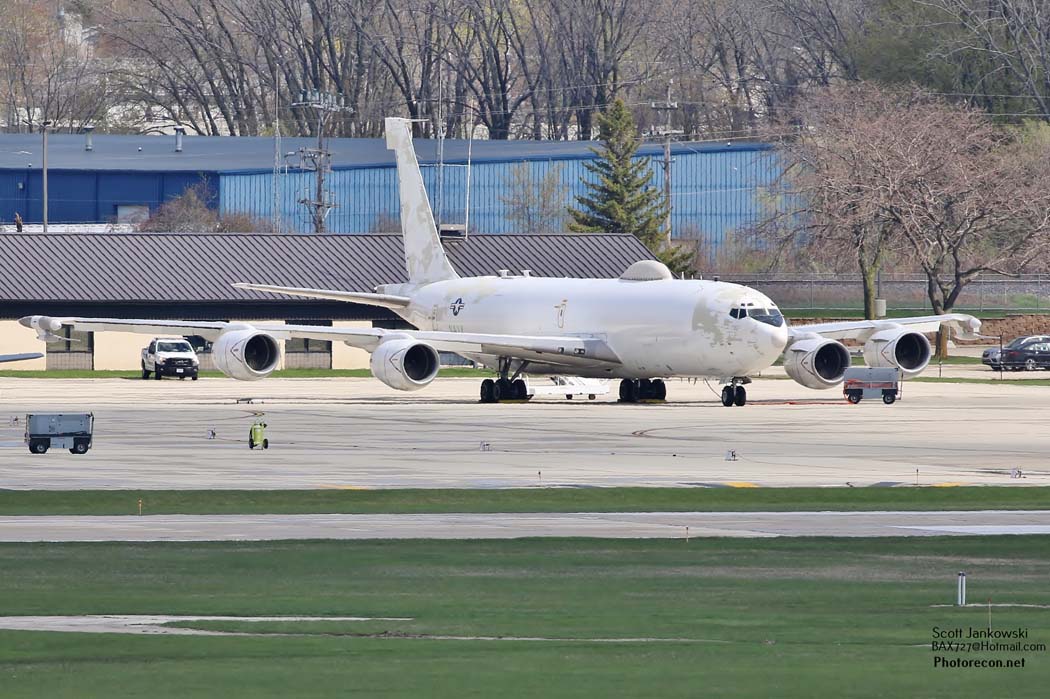
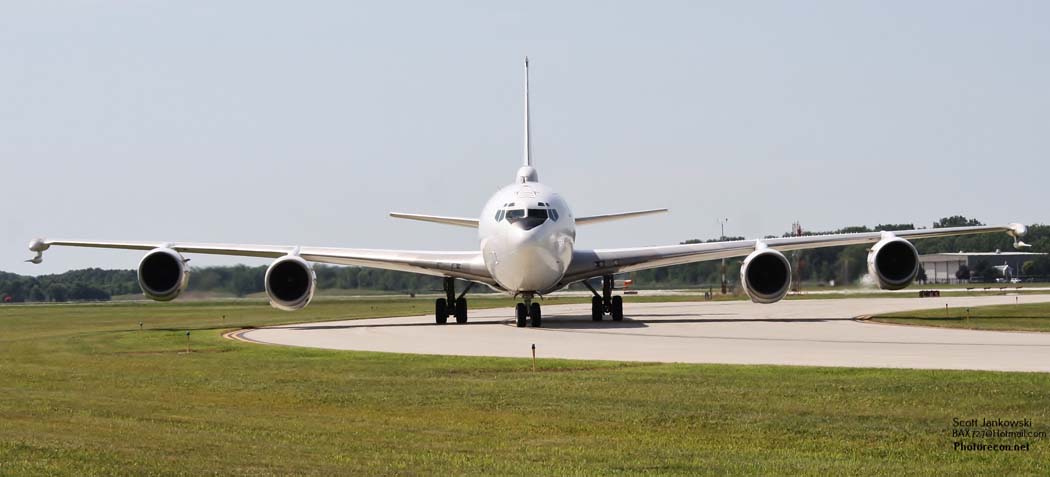
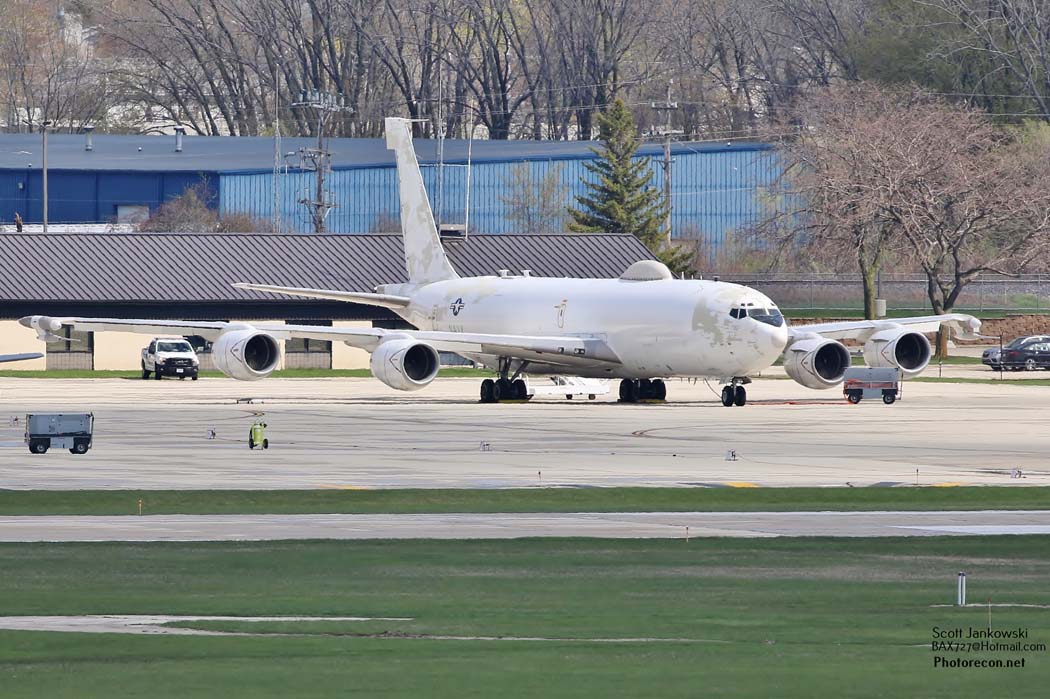
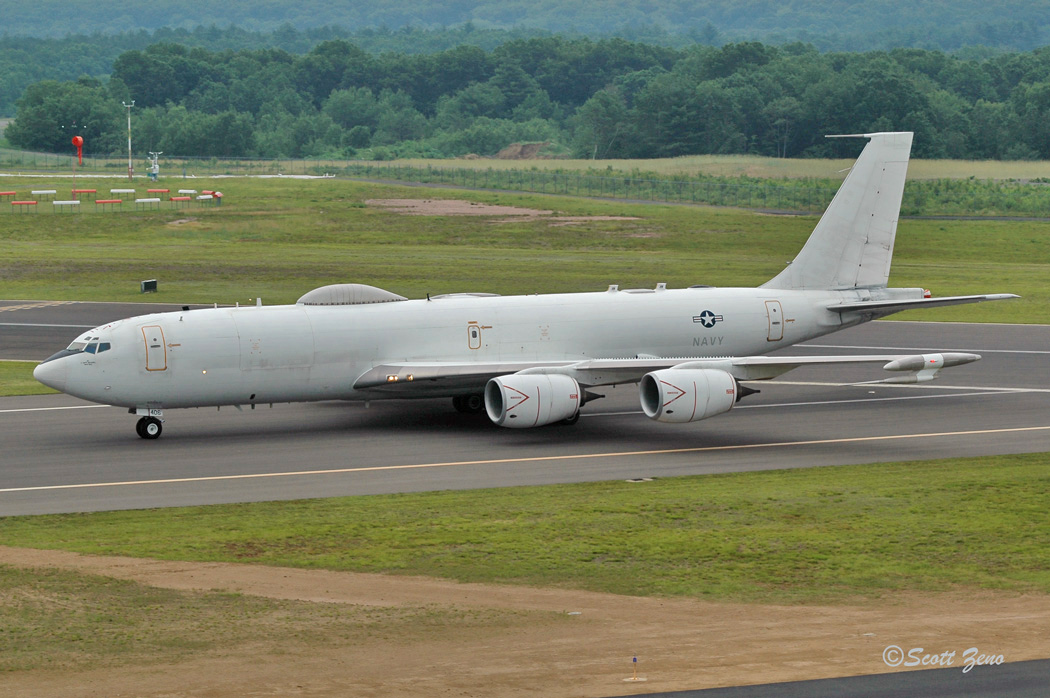
Boeing E-6B Mercury
The US Navy operates a fleet of these Boeing 707 variants, equipped with low and very low frequency radio antennas which allow for worldwide communication with the US’s submarine fleet while the boats are under water. The trailing wire antennas stream from the rear of the aircraft, the hump on top of the fuselage reportedly contains a satellite antenna. The aircraft operate under the Take Charge and Move Out program – TACAMO for short. The navy has ordered a new EC-130J variant to replace the long-serving E-6B jets.





L3 Harris/Gulfstream C-37
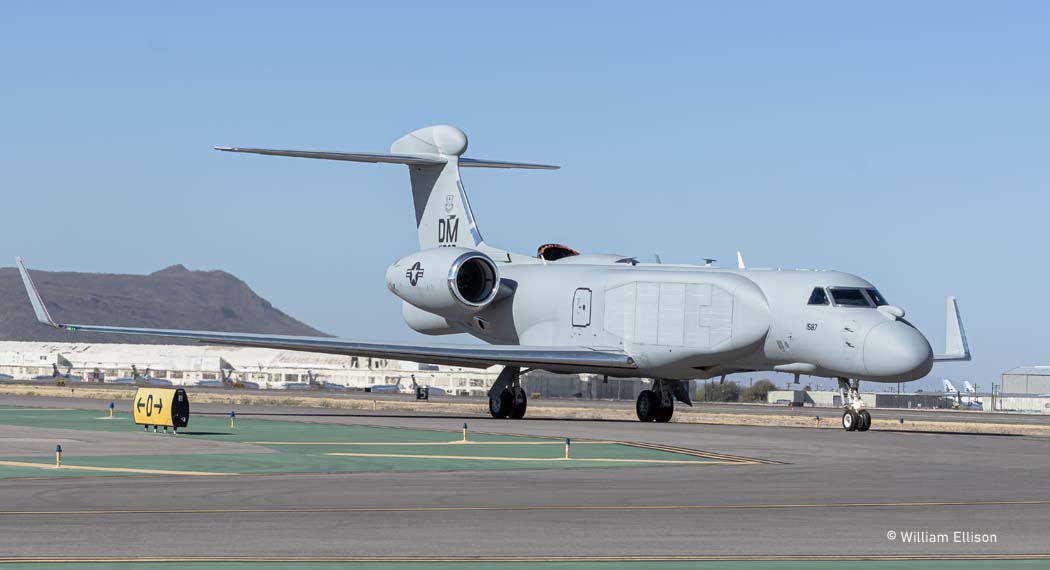
L3 Harris/Gulfstream EA-37B Compass Call
This modified civilian Gulfstream 550 corporate jet handles electronic warfare duties for the USAF; it replaces the current electronic attack variant of the EC-130 Hercules airframe (see EC-130 photo above).
McDonnell Douglas DC-8

Douglas EC-24A, a former Douglas DC-8-54AF freighter
The US Navy operated one EC-24A version of the DC-8-54 freighter for experimental electronic warfare missions and for training purposes.
Boeing USAF E-8 JSTARS

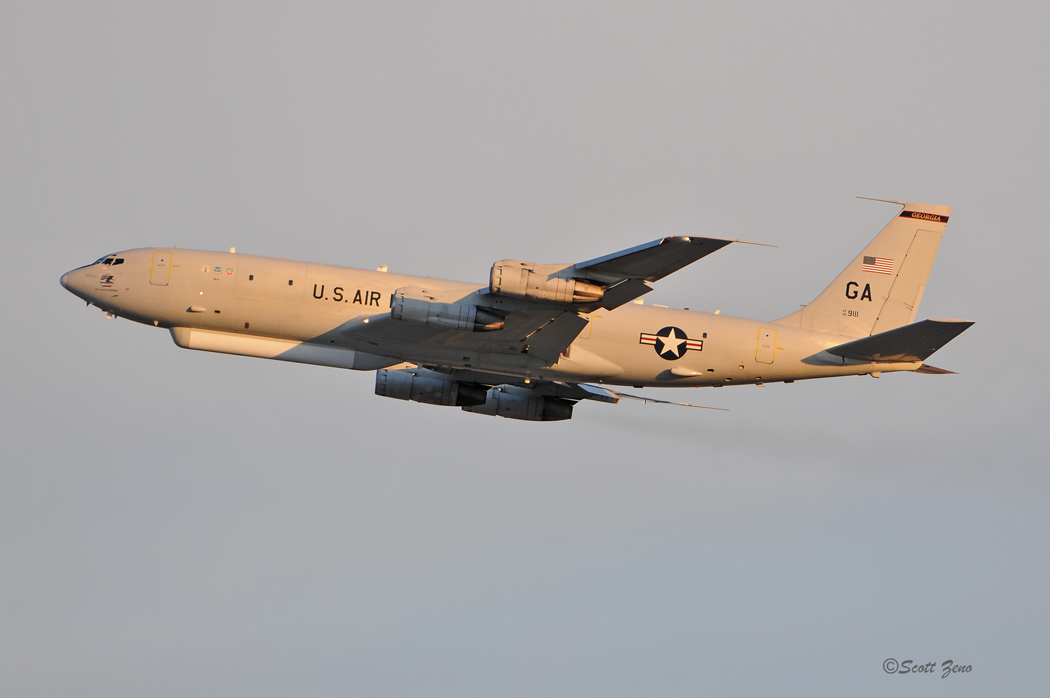
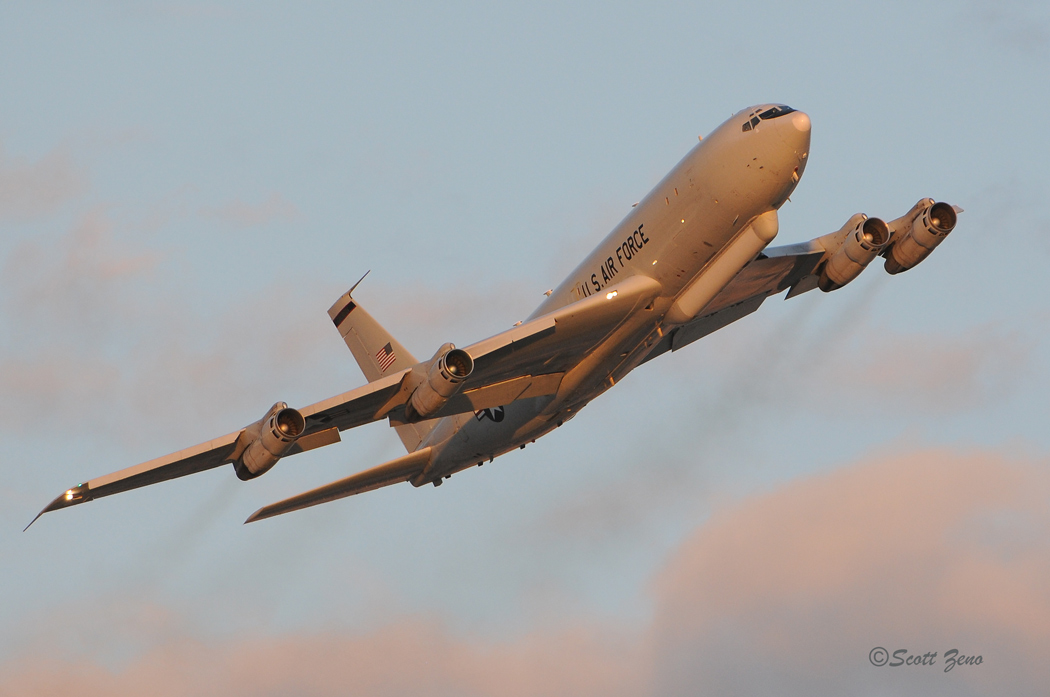
Northrop Grumman E-8 Joint STARS jet carries a ground-searching radar in a ventral pod. Originally fielded in 1991 as the E-8A, the last of the latest version of the jet, the E-8C was retired in 2023.
DeHavilland Canada and Cessna
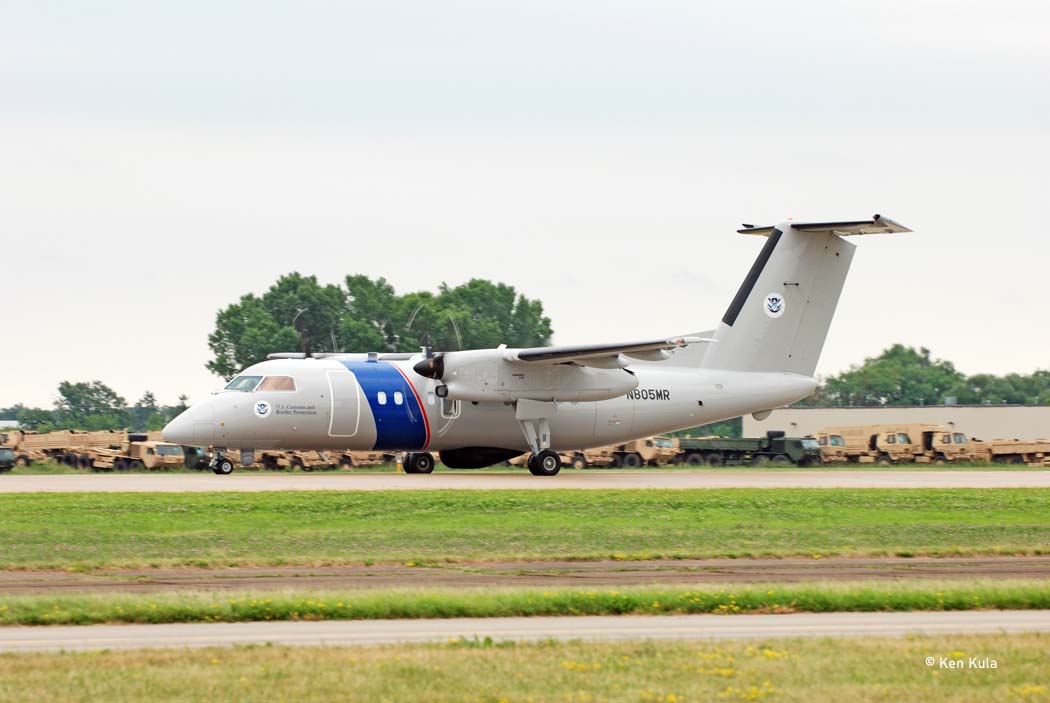
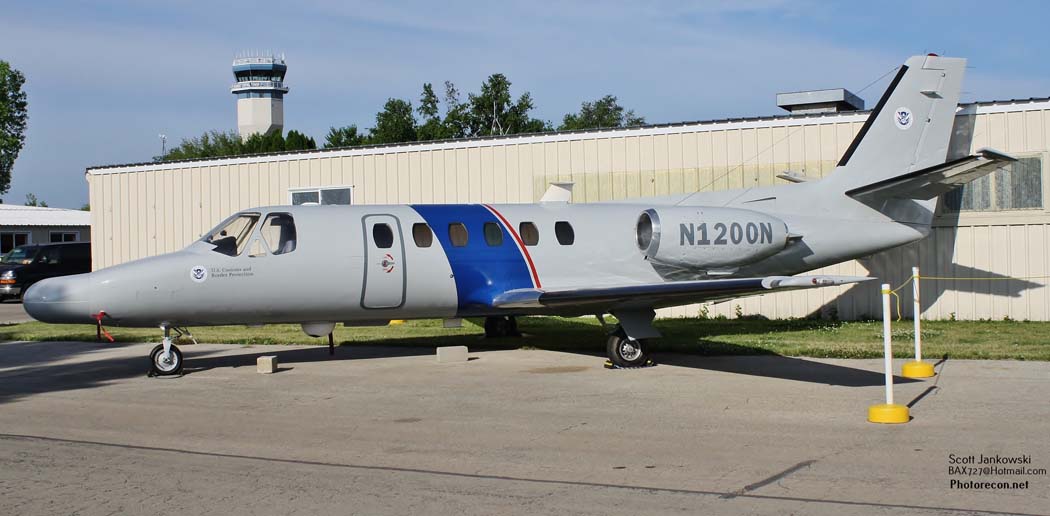
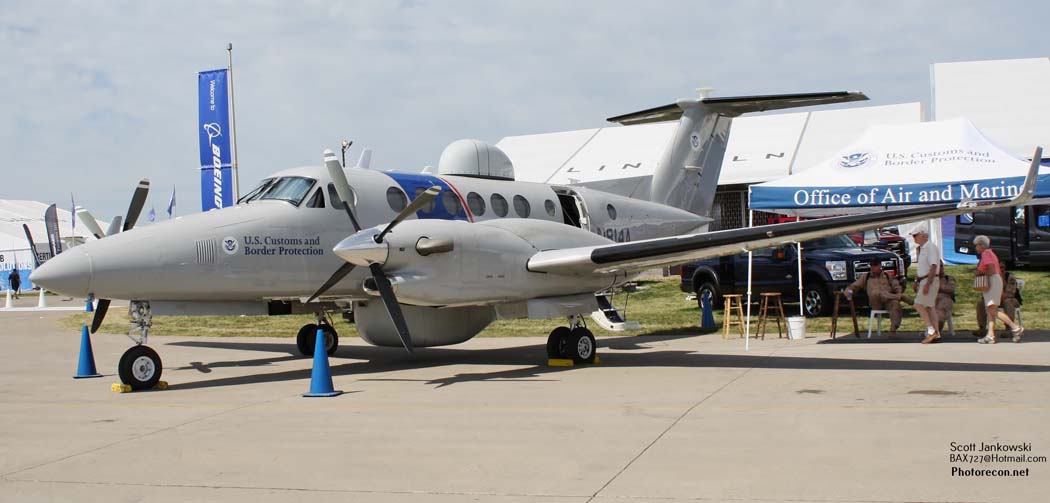
The US Customs and Border Protection branch operates/operated several types of aircraft in the surface search arena of surveillance. Both the DHC Dash 8 and the Cessna Citation were fitted with several sensors.
Lockheed EP-3 Aries and P-3 Orion
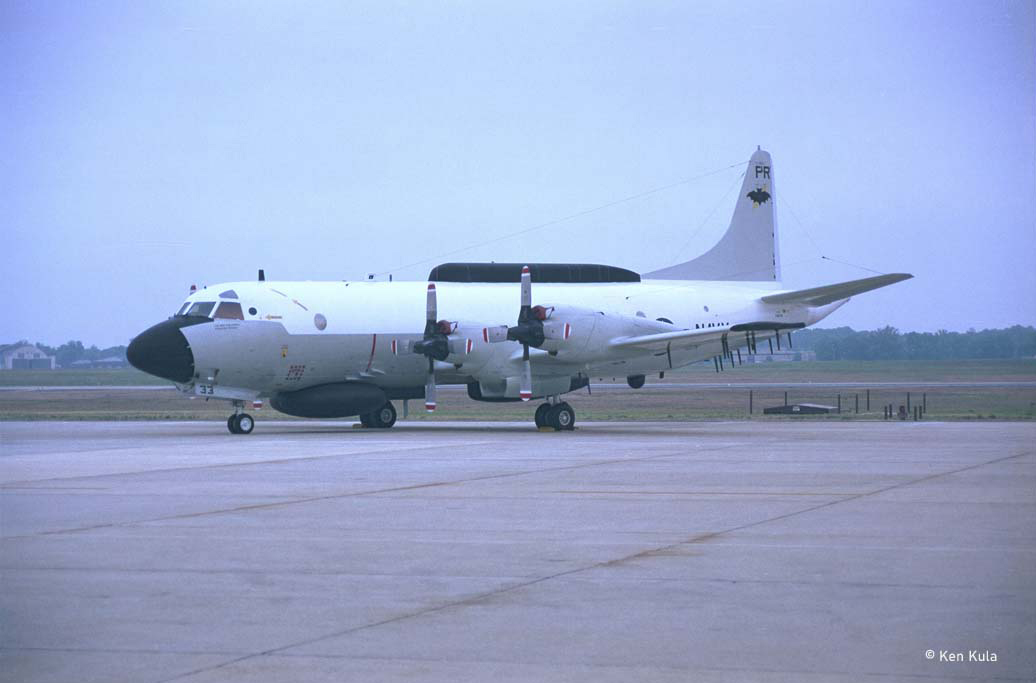
Lockheed EP-3E Aries
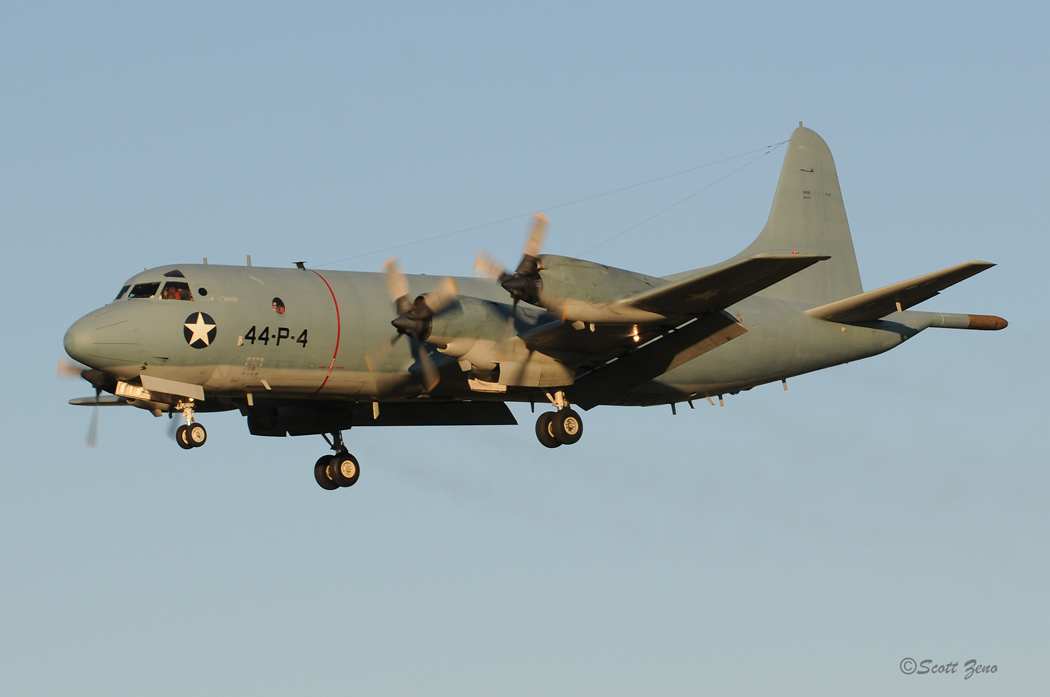
The EP-3E was an electronic reconnaissance version of the P-3 Orion patrol and anti-submarine aircraft. The last of a dozen airframes were retired in 2025. “Plain” Lockheed P-3C Orions carried out limited electronic and magnetic reconnaissance, they too are being phased out by the new P-8A (see further below).
Hawker Siddeley/BAE Nimrod
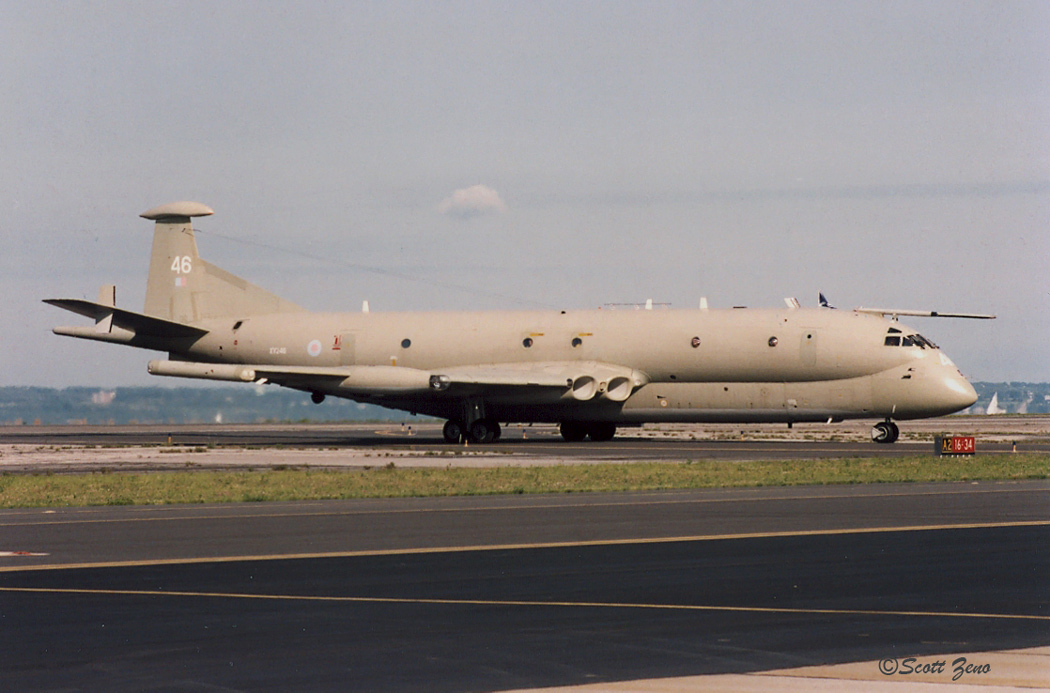
Royal Navy Nimrod MR.2
The RAF’s Nimrod was based upon the Comet airliner airframe, all have now been retired. Three of the Comet airframes were delivered for conversion to the R.1 recon versions, while slightly more than four dozen more were modified into MR.2 anti-submarine aircraft with a very broad reconnaissance capability.
Nihon YS-11
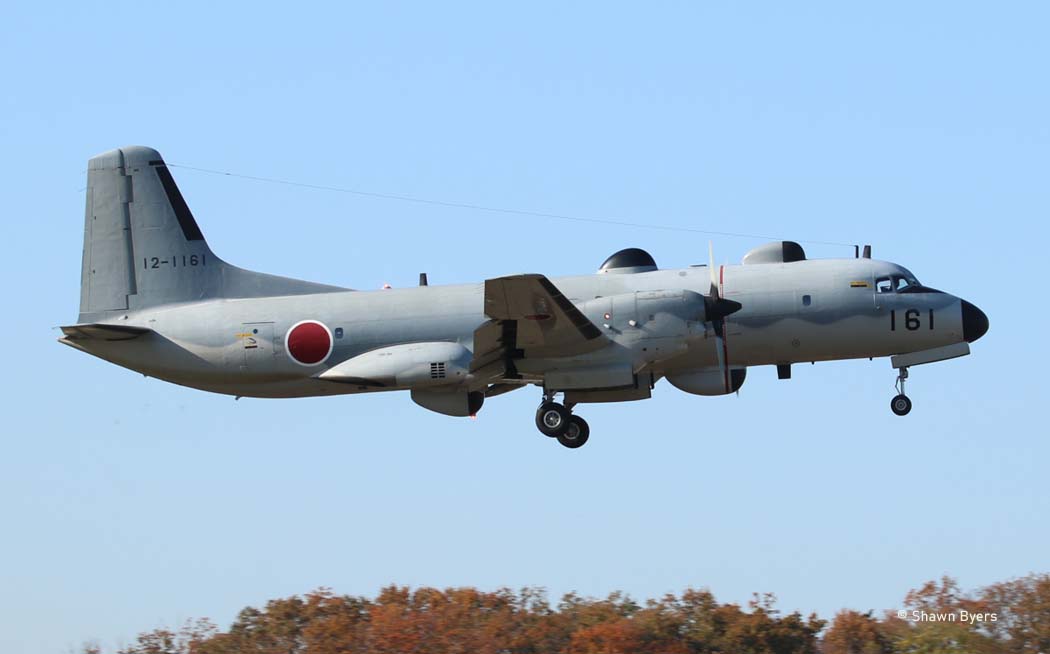
This Japan Air Self-Defense Force (JASDF) ultra rare YS-11EB operates as a signals intelligence platform.
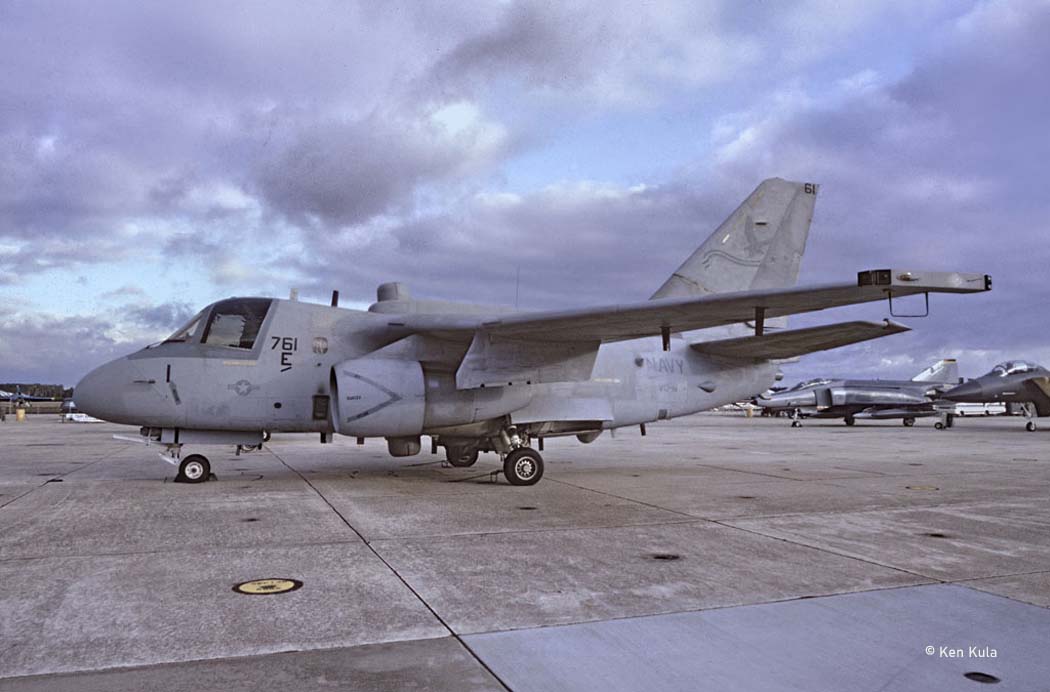
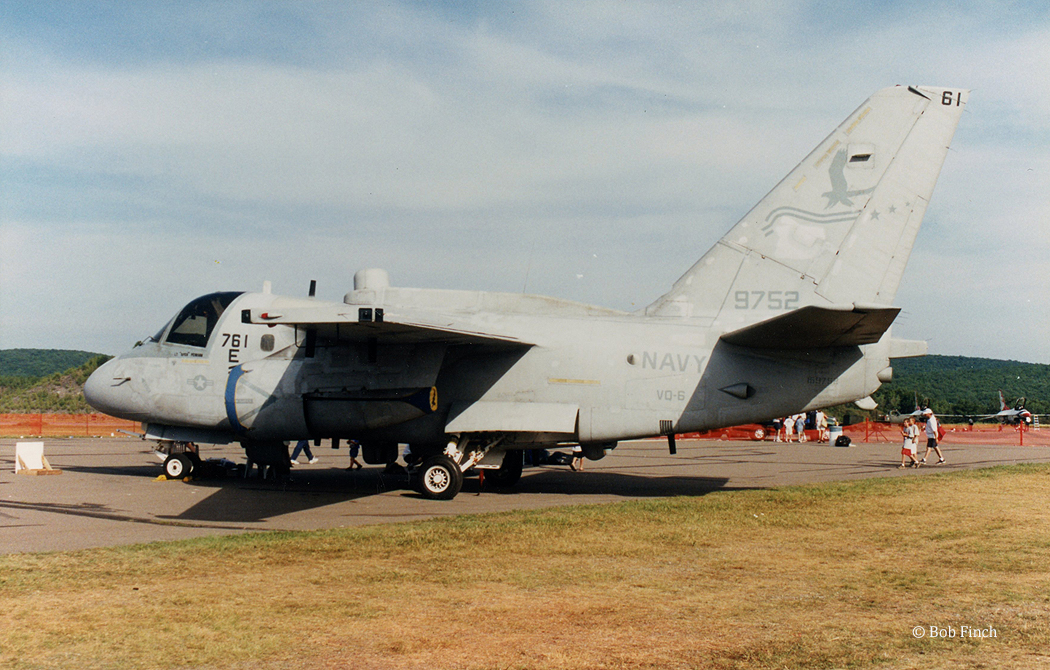
Lockheed ES-3 Shadow/S-3 Viking
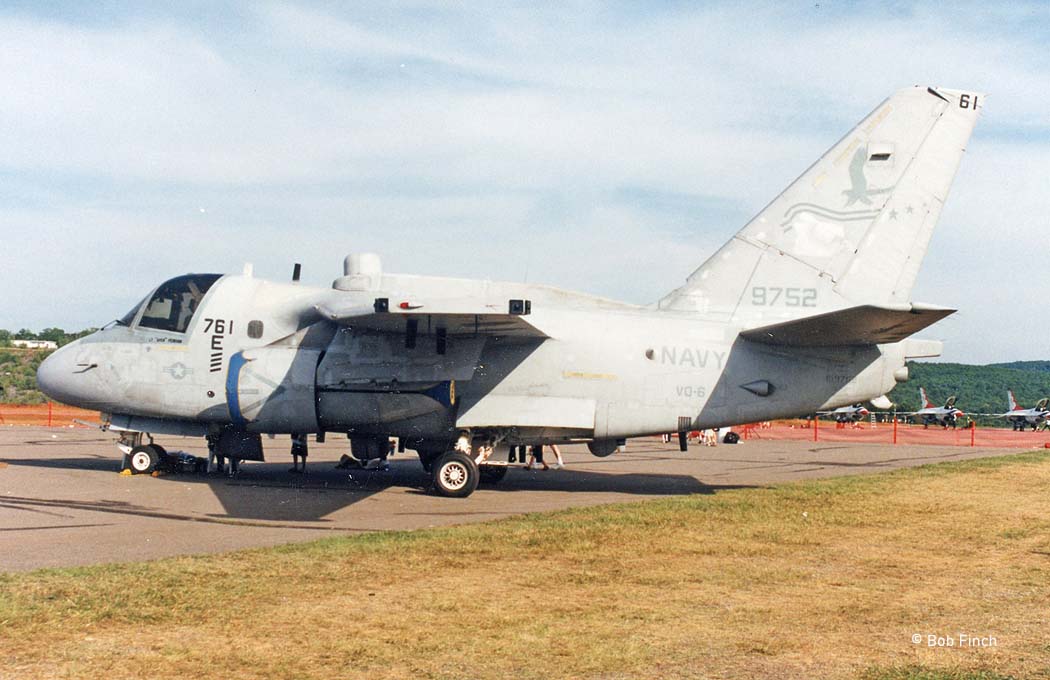
Lockheed ES-3A Shadow
The Shadow was a carrier-borne electronic reconnaissance and countermeasures aircraft based on the S-3 Viking. Sixteen airframes were converted from anti-submarine versions into this electronic countermeasures version. The final naval aircraft retirement occurred in 2016, while NASA operated one used for research purposes through 2021.

Boeing P-8 Poseidon
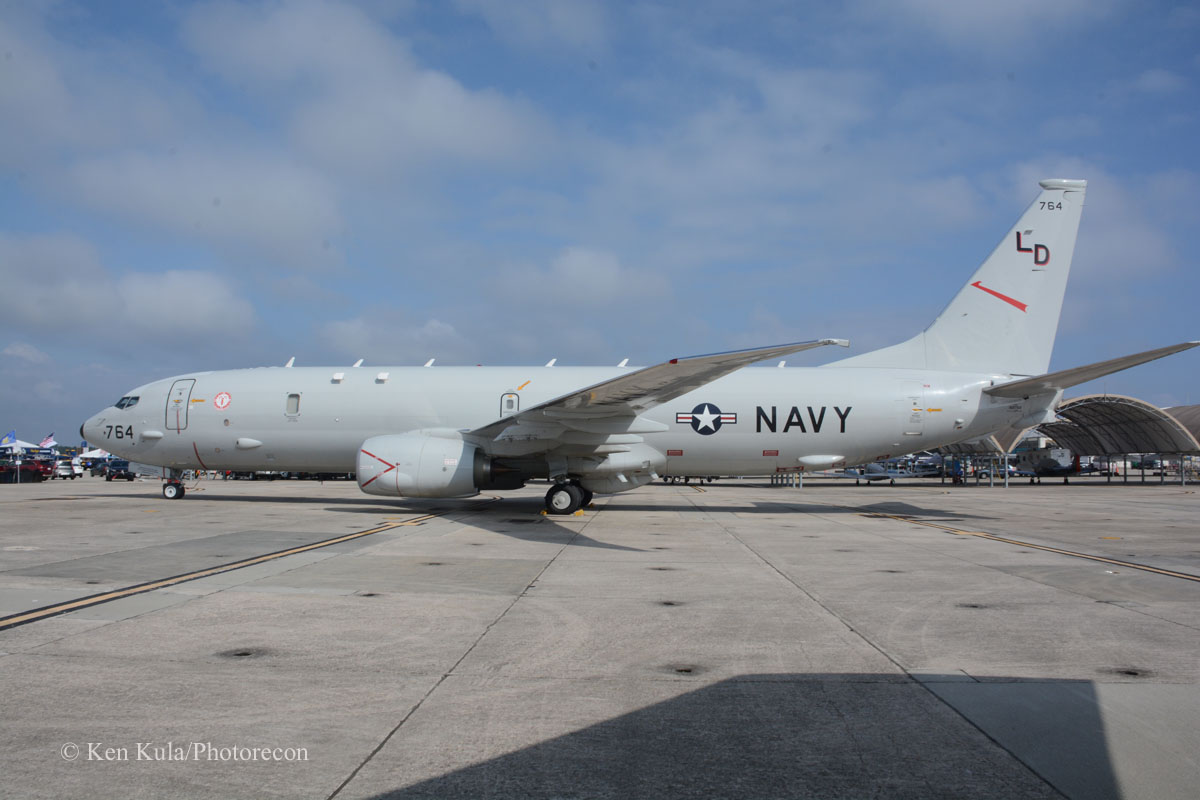
Boeing P-8A Poseidon
The US Navy operates the P-8A Poseidon as an anti-submarine aircraft, with a secondary role of electronic surveillance and reconnaissance. The aircraft is based upon the Boeing B-737-800 airframe, well over 100 have been ordered for the US Navy and approximately 75 have been produced or ordered for non-US military operators.
DeHavilland Canada Dash Seven

A rare US Army EO-5C Special Electronic Mission Aircraft
Two versions of the Army’s EO-5 aircraft, based upon the Canadian DHC-7 airframe, were built – one was for imagery intelligence (pictured here), the other was used for communications intelligence collection.


Lockheed U-2
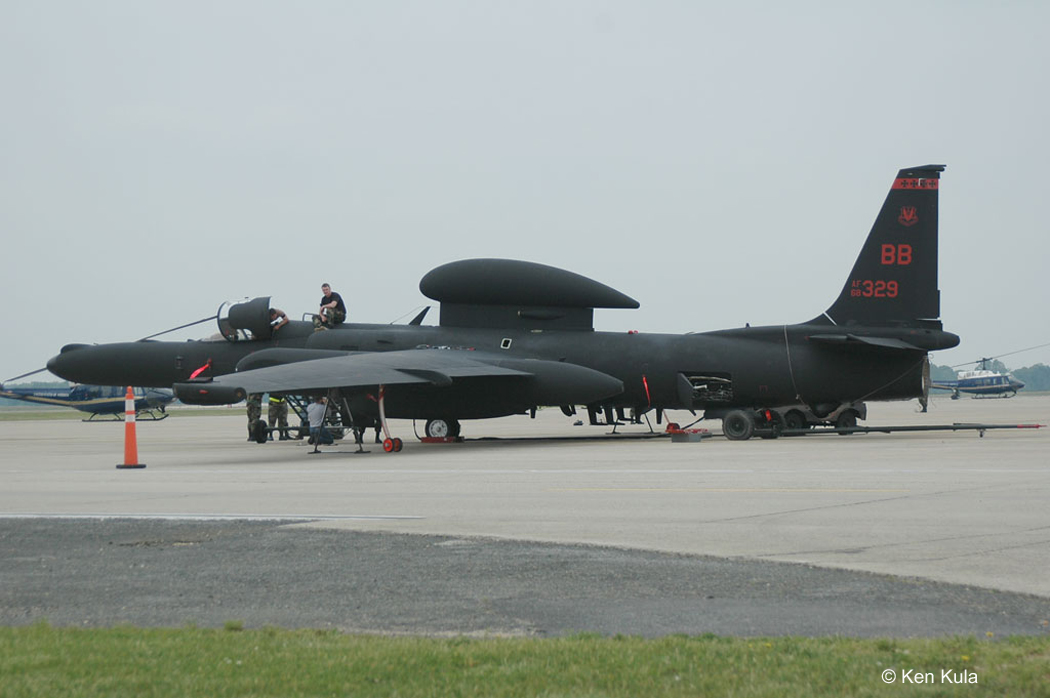
Lockheed U-2S fitted with Senior Span satellite communications antenna
The Lockheed U-2S “Dragon Lady” is the latest variation of the original U-2 built by Lockheed’s Skunk Works. Various models have been in the USAF inventory for some seven decades, but as of the time of this writing, the U-2 will be retired from military service by the end of the year 2027.
Lockheed SR-71 Blackbird
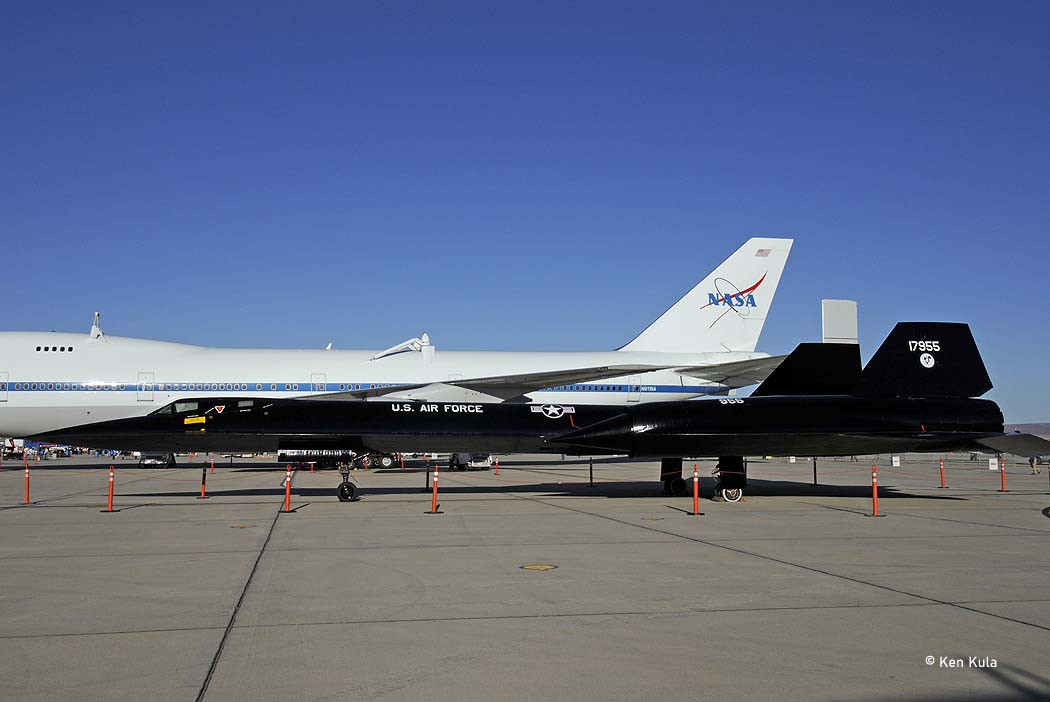
USAF SR-71A carried diverse instruments in its nosecone.
The USAF’s SR-71A (SR for Strategic Reconnaissance) could carry radar and/or film cameras.
Northrop Grumman RQ-4 Global Hawk
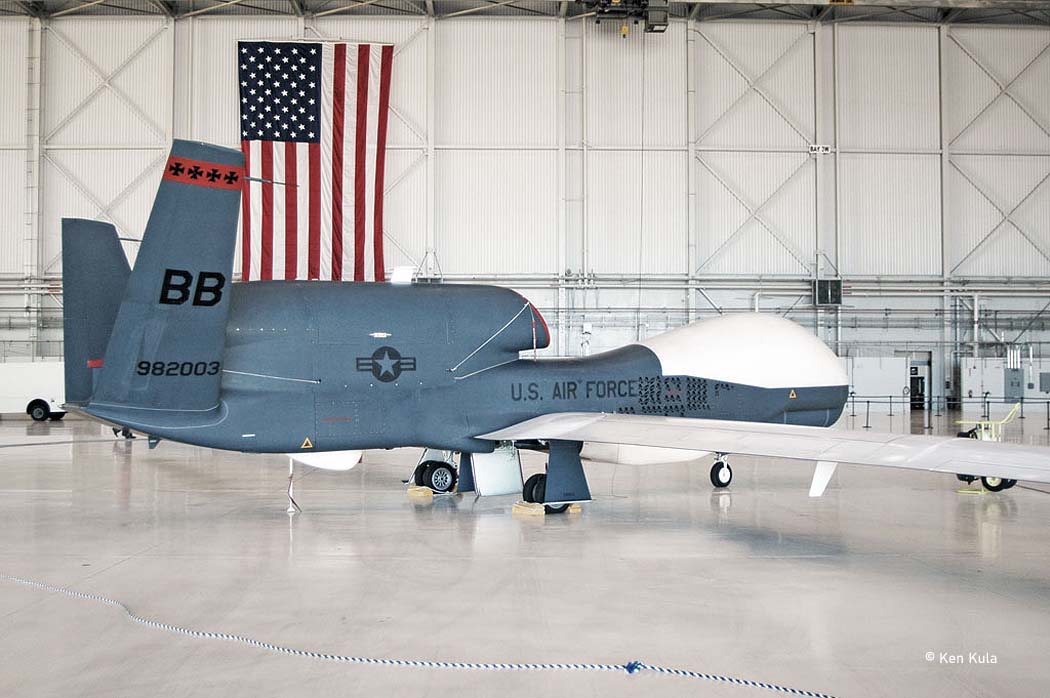
The YRQ-4A Global Hawk was an uncrewed, high-altitude reconnaissance “drone” which led to today’s RQ-4B Global Hawk and US Navy’s RQ-4C Triton.
General Atomics RQ-1/MQ-1 Predator
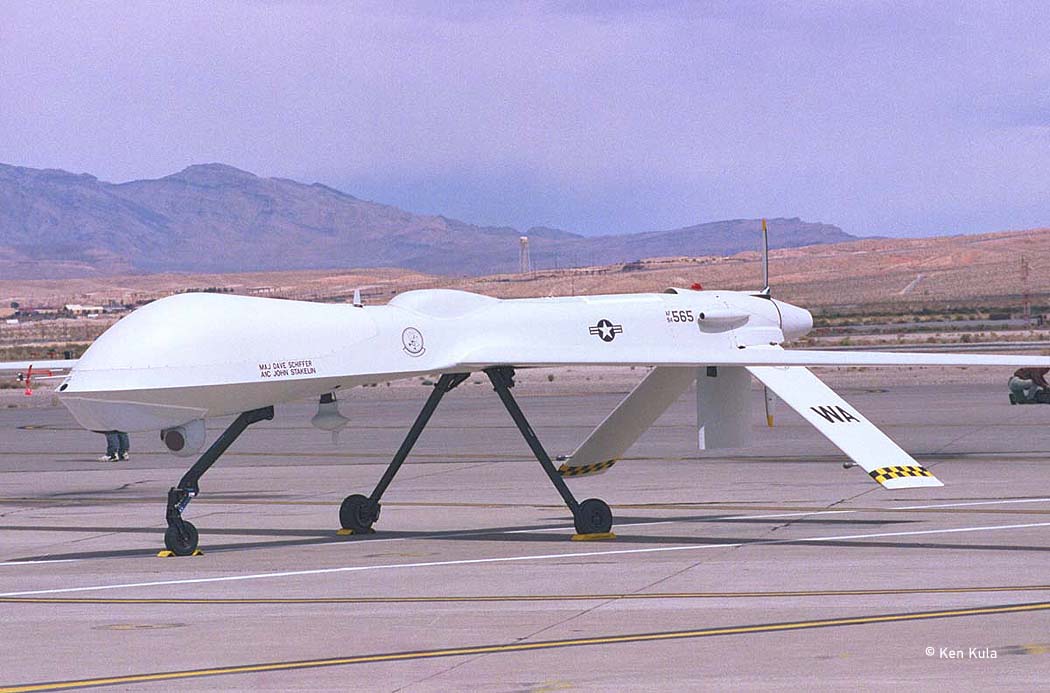
General Atomics RQ-1 Predator remotely piloted aircraft
General Atomics MQ-9 Reaper
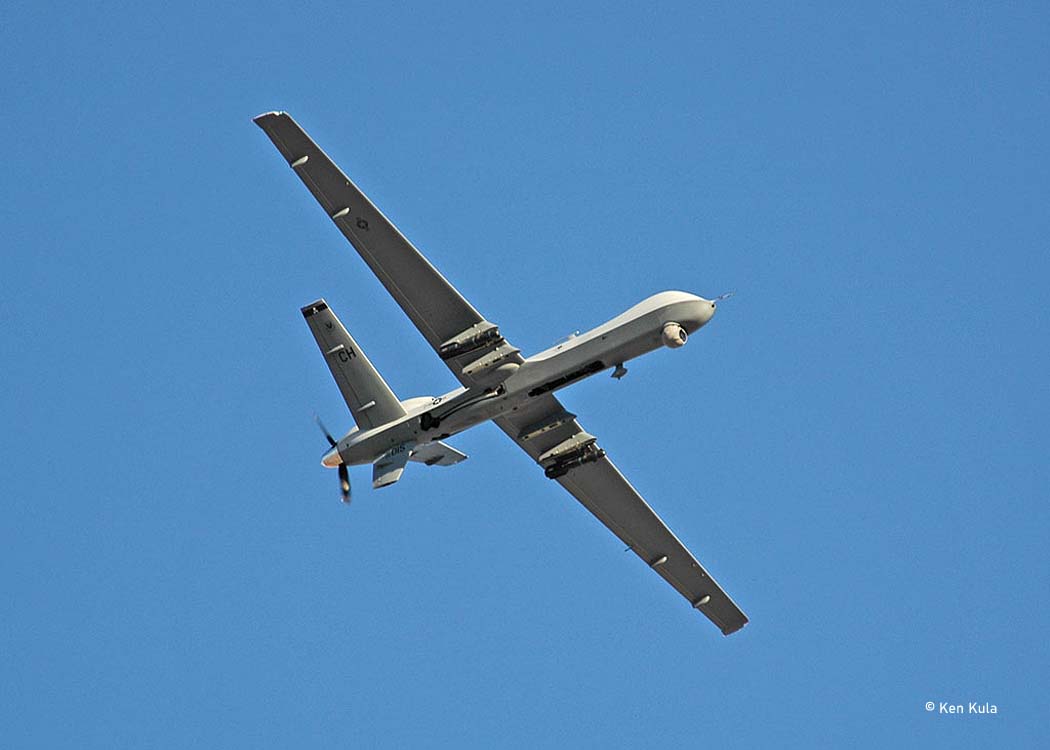
General Atomics MQ-9 Reaper, based on the RQ-1 platform


