

Douglas’ DC-3 Design Has Turned 90 Years Old
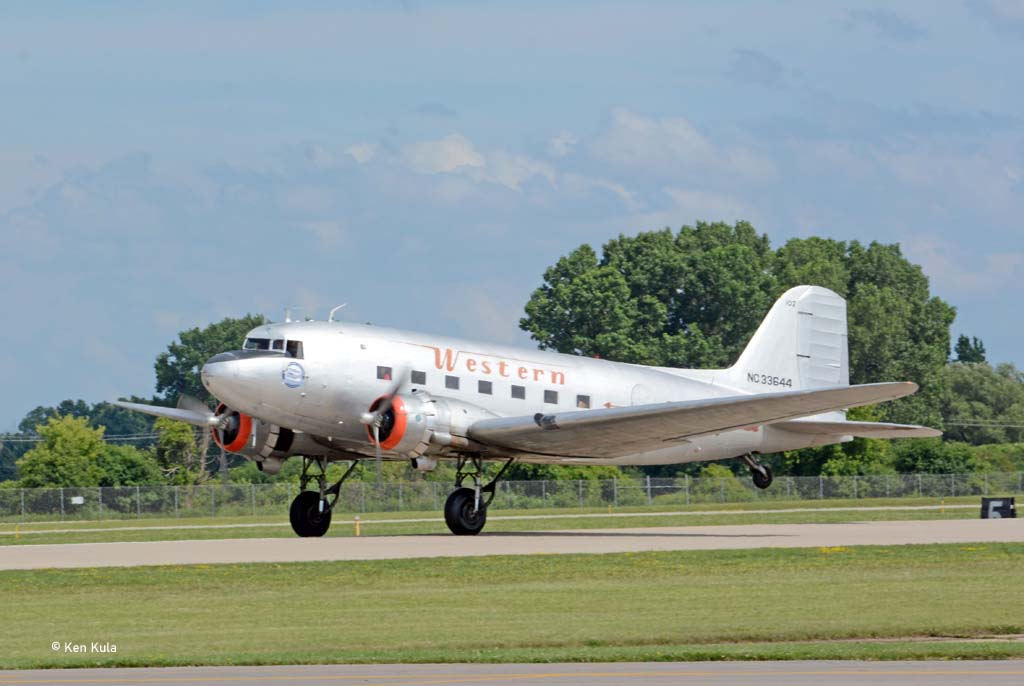
Story and photos by Ken Kula
The Douglas DC-3/C-47 line has been modified and improved over many decades of use. A series of nicknames have been bestowed upon the design, some official and others whimsical… call it the Douglas Sleeper Transport, Gooney Bird, Dakota, Skytrain, Skytrooper, or even Spooky, they are all variations of the original DC-3. The initial airframe of the family first flew on December 17, 1935 – 90 years ago! Here’s a very brief history to celebrate the many decades of use that the model has offered.
Before the DC-3, the Douglas DC-2 was created to compete against the new Boeing 247 airliner of the mid-1930s. A subsequent improvement to the DC-2 design was driven by two airlines’ requests for different reasons. Transcontinental and Western Airlines (TWA) asked Douglas to design an aircraft to surpass the Boeing airliner’s performance and be available for their operations sooner than Boeing’s projected delivery dates. American Airlines requested an airframe larger than the DC-2 which would fit up to 16 sleeper berths for overnight airline service across America. In answer to these two requests, an improved transport based upon the original DC-2 design was drawn up and the legendary DC-3 was born.
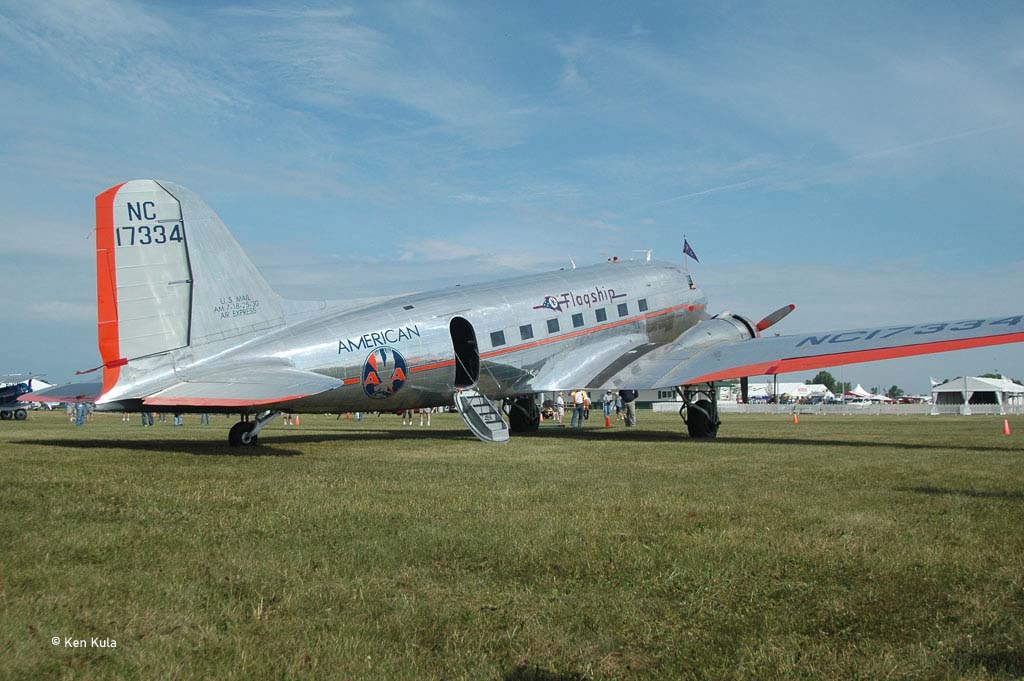
Some history: American Airlines’ version of the new airplane was identified as the Douglas Sleeper Transport (DST); the first airframe made its maiden flight on December 17, 1935 – 90 years ago. Not many DSTs were produced, but the conventionally equipped passenger cabin version, named the DC-3, could seat up to 32 people and garnered many orders. Slightly more than 600 DC-3 airframes were built between 1936 and 1942 for civilian operators around the globe. The DST and DC-3 were successful, but the Second World War necessitated that the civilian line be terminated to ramp up production of military transports.
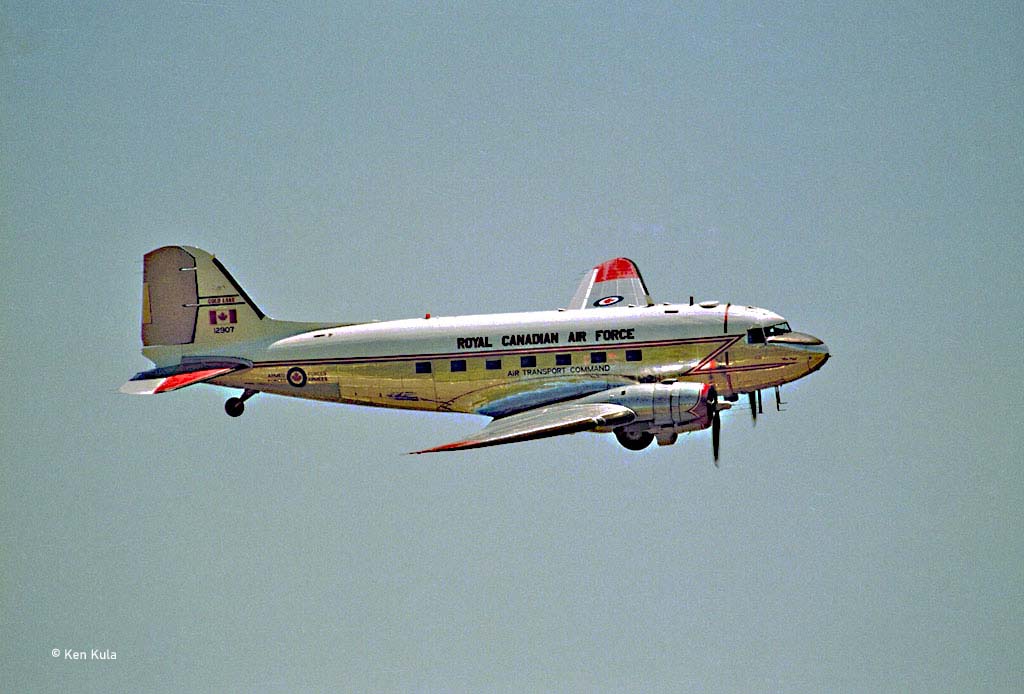
A militarized cargo version of the DC-3, called the C-47 Skytrain, first flew in December 1941. Another variant, the C-53 Skytrooper was soon developed. One difference between these two was that the C-47 was fitted with a large rear cargo door, while the C-53 was equipped with a standard passenger door instead of the bigger door.
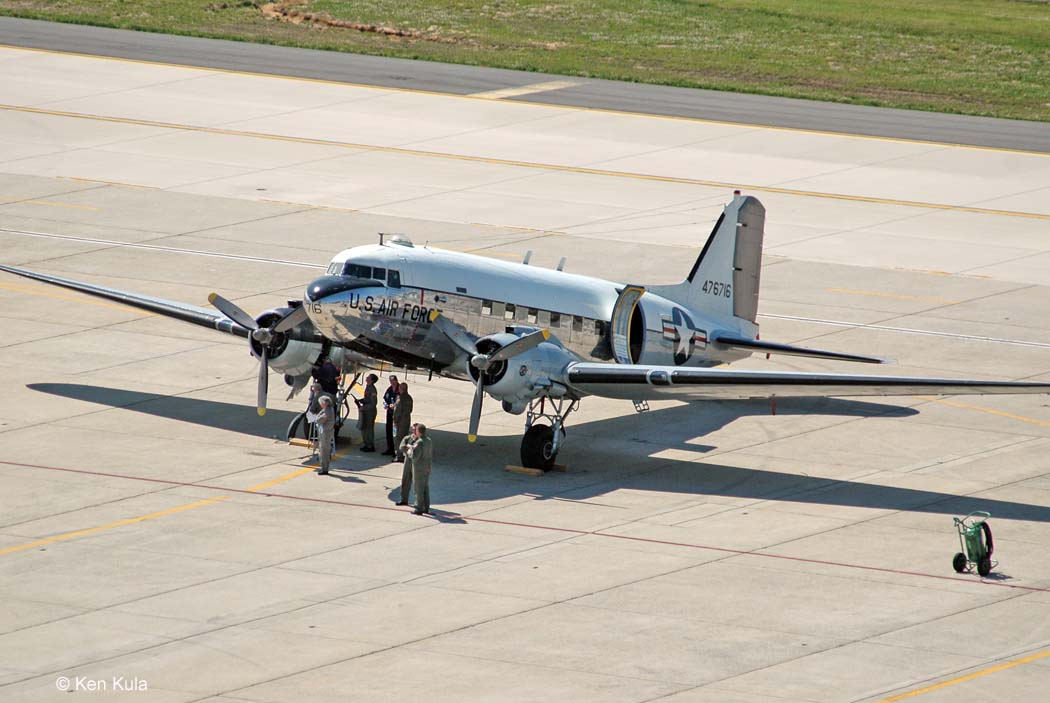
More than 10,000 C-47 and C-53 military transport versions (including export versions such as the RCAF’s Dakota) were built during the World War II years. Some 5,400 more were built under license, including those in Russia and surprisingly Japan too.
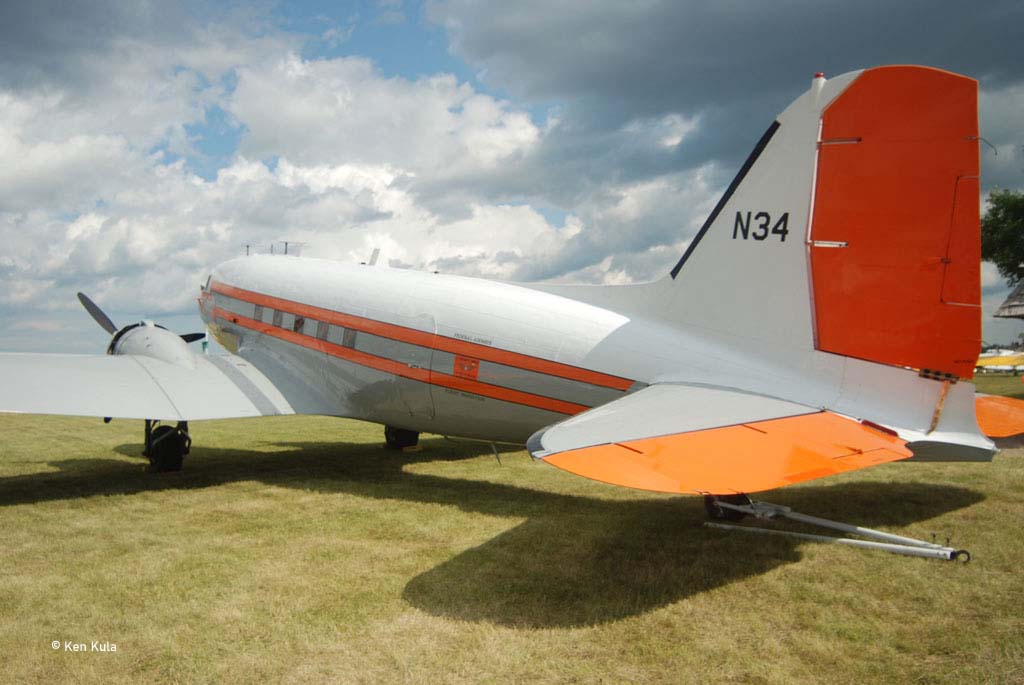
More history: The Douglas Aircraft Company came into being in 1921. Some of the company’s first aircraft were operated by the U. S. Navy, and several of these early torpedo bombers were modified into Douglas World Cruisers. The U. S. Army made history by sending four of these World Cruisers around the world in 1924. During the rest of the 1920s and early 1930s, Douglas produced mainly military aircraft for the U. S. armed forces. The DC-2 was Douglas’s initial successful airliner. Civilian DC-3A and DC-3B versions differed mainly by the engine models fitted, whether they be Wright Cyclones or Pratt and Whitney Twin Wasp radial engines. Surplus C-47/C-53s after World War II ended became DC-3Cs after they were fitted for civilian use. Hundreds of surplus military aircraft were converted for non-military use. As we enter the year 2026, scores of civilian DC-3s and former military C-47s are still actively flying, mainly as freighters, charter passenger aircraft and warbirds. Depending upon your source, somewhere between 16,000 and 17,000 DC-3 and associated variants and license-produced airframes were built.
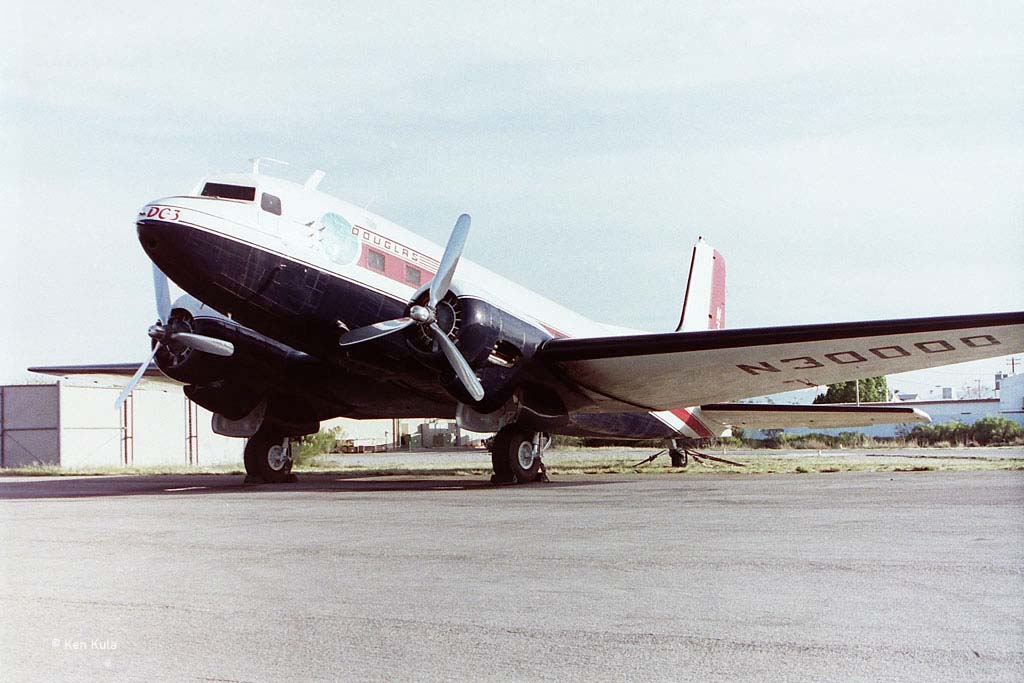
After World War II ended, around 100 US Army C-47s and Navy R4Ds (the Navy type ID for C-47s) were modified with more powerful engines, a taller vertical stabilizer and a lengthened fuselage to serve as C-117 Super DC-3s with the U. S. Navy and Marine Corps up into the mid-1970s.
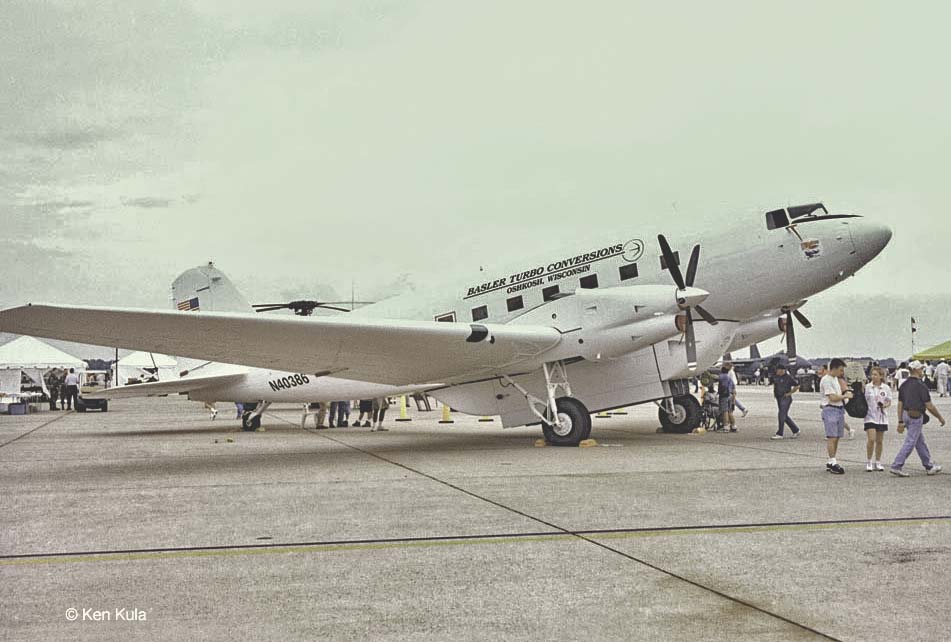
Several companies have transformed older piston engined DC-3 and C-47 airframes into turbine-powered Turbo-DC-3s. One such company is Basler, a U. S. based company located in Oshkosh, Wisconsin. The company trades the radials for a pair of Pratt and Whitney PT-6A turboprop engines. Braddick Specialized Air Services of South Africa has also produced turbine-powered DC-3s, especially for the South African Air Force.
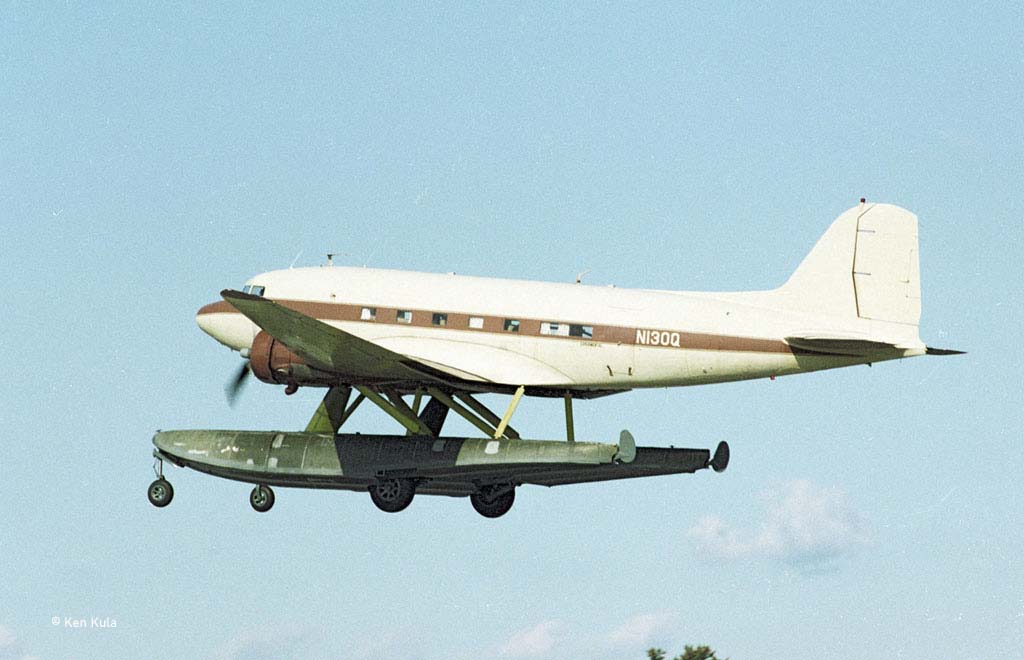
There have been several attention-getting modifications to DC-3s over the past 90 years, including an U.S. Army float-equipped C-53, a gunship AC-47 nicknamed Spooky, and a magnetic anomaly mapping plane utilized for airborne mineral sensing fitted with a large antenna array.
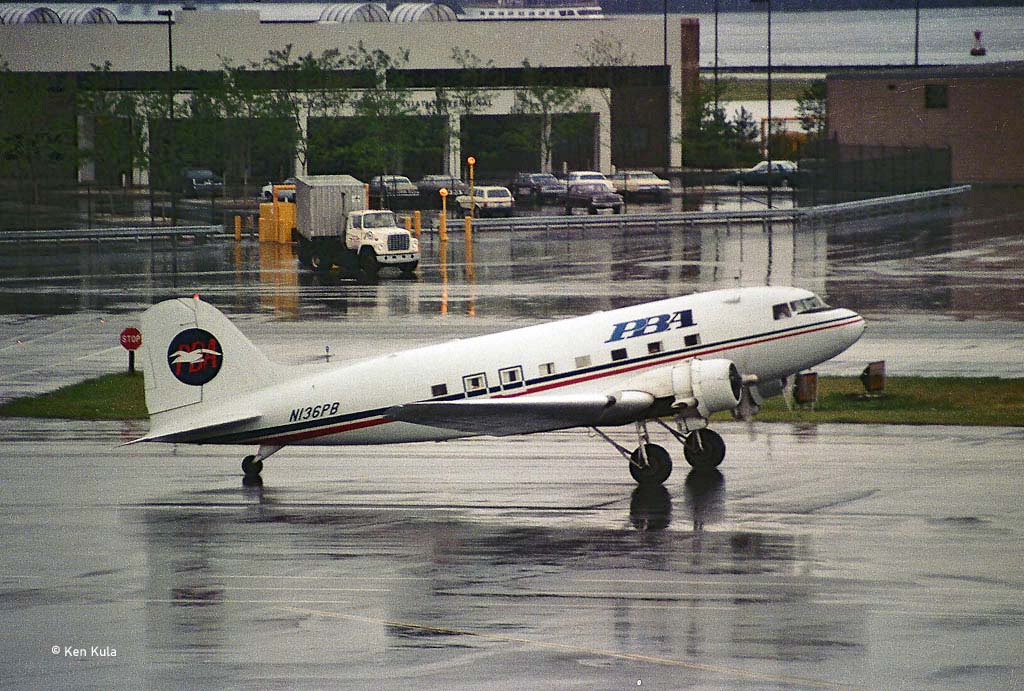
Things certainly look like the Douglas DC-3/C-47 line will see flyable examples operating a decade from now, and that will mark a full century of flight for the design.


