PACIFIC AIRSHOW 2026 – A Decade of Thunder Over the Pacific
Story and photos by Jeff Serpa
HUNTINGTON BEACH, CALIFORNIA — OCTOBER 2–4, 2026
For three days along the Southern California coastline, the unmistakable sound of jet engines once again echoed across Huntington Beach as Pacific Airshow celebrated a major milestone—its 10th anniversary.
Since its debut in 2016, Pacific Airshow has transformed the skies above Surf City USA into one of the most unique aviation stages in the world. Instead of a traditional airport flight line, the Pacific Ocean becomes the performance box, Huntington Beach Pier becomes a landmark for spectators and photographers, and miles of Southern California beach become the grandstands.

The 2026 edition brought that formula together on an impressive scale. Modern frontline fighters, international military demonstration teams, historic warbirds, civilian aerobatic performers, parachute teams and specialty aircraft filled the skies during a weekend that celebrated not only ten years of Pacific Airshow, but also America’s 250th anniversary.
The Pacific Airshow first arrived in Huntington Beach in 2016. During the decade that followed, the event developed from a new Southern California airshow into an internationally recognized aviation must attend event. Its beachfront location has been central to that success. Aircraft approach over open water with the California coastline providing the backdrop. Smoke trails stretch across the blue Pacific while high-performance fighters accelerate through the demonstration area only moments before climbing dramatically away from the beach.
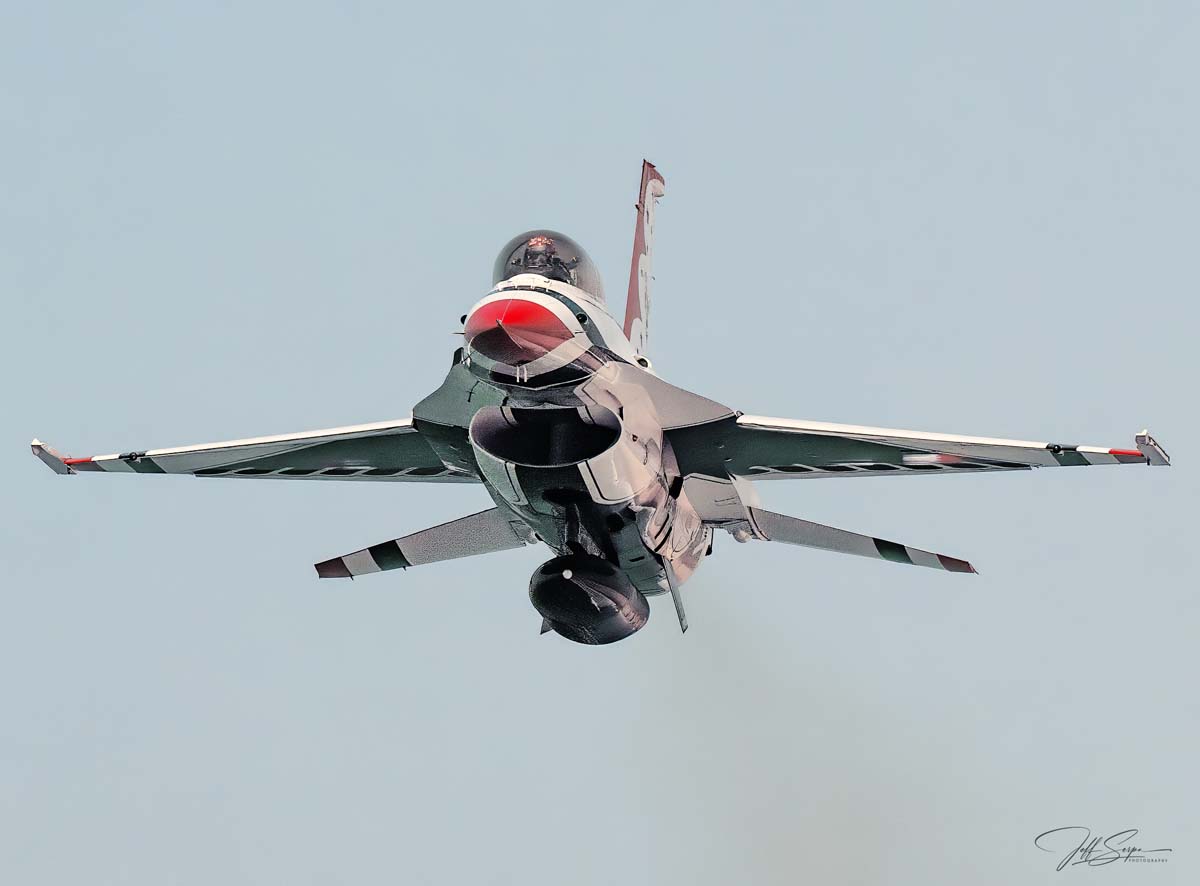
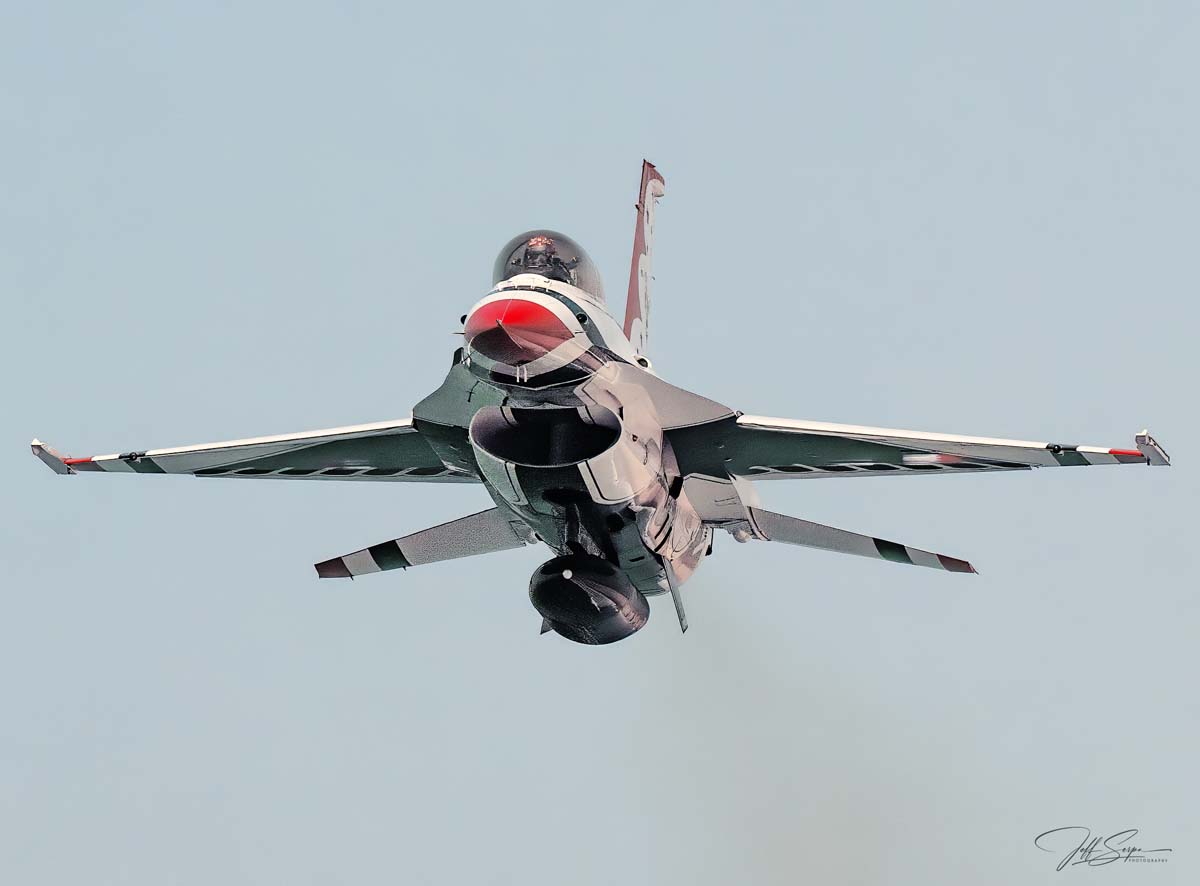
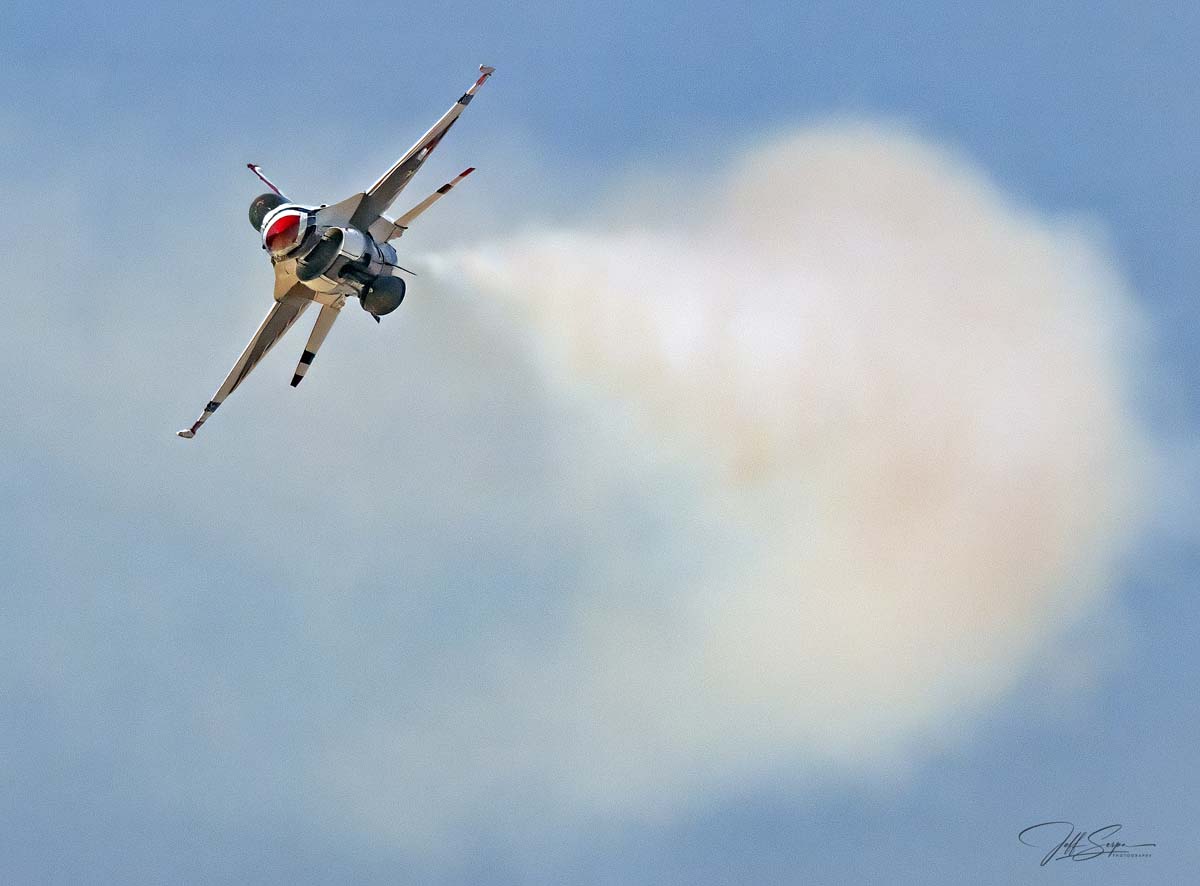
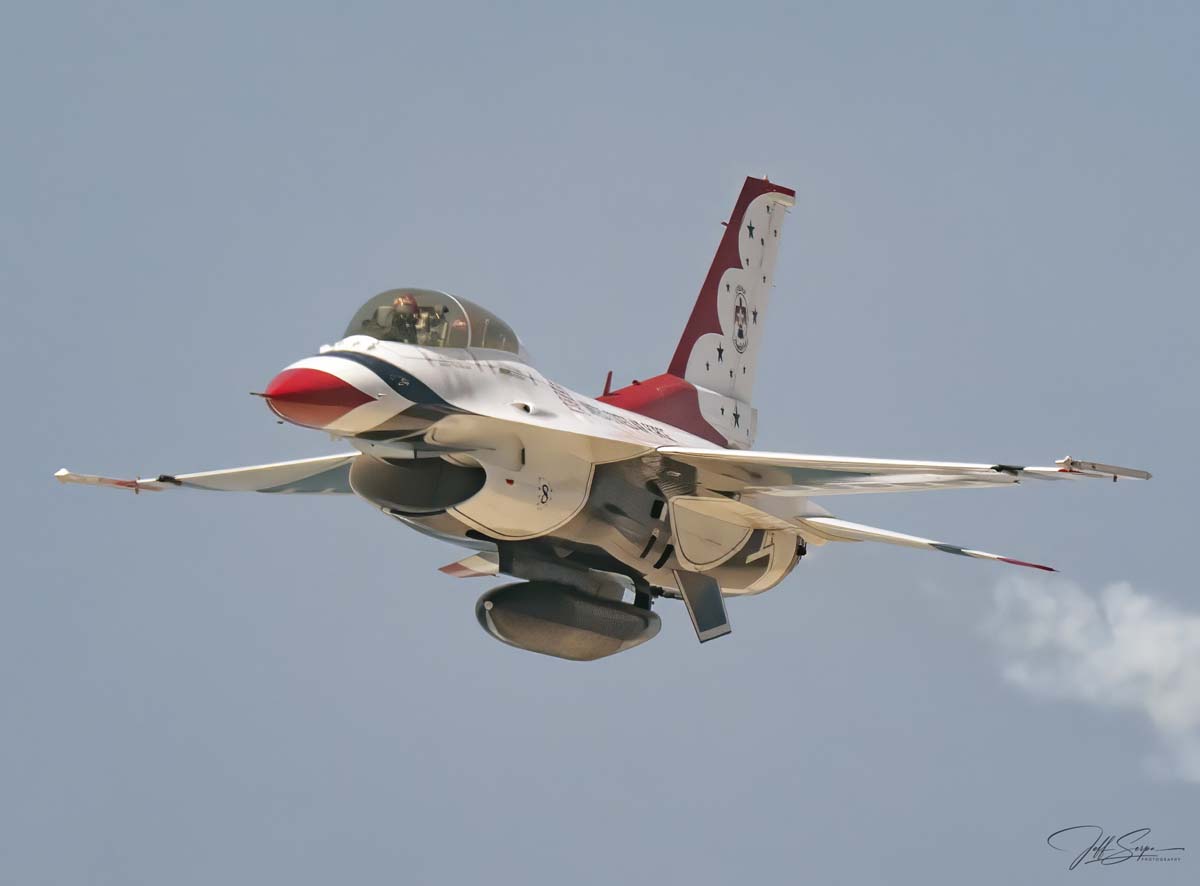
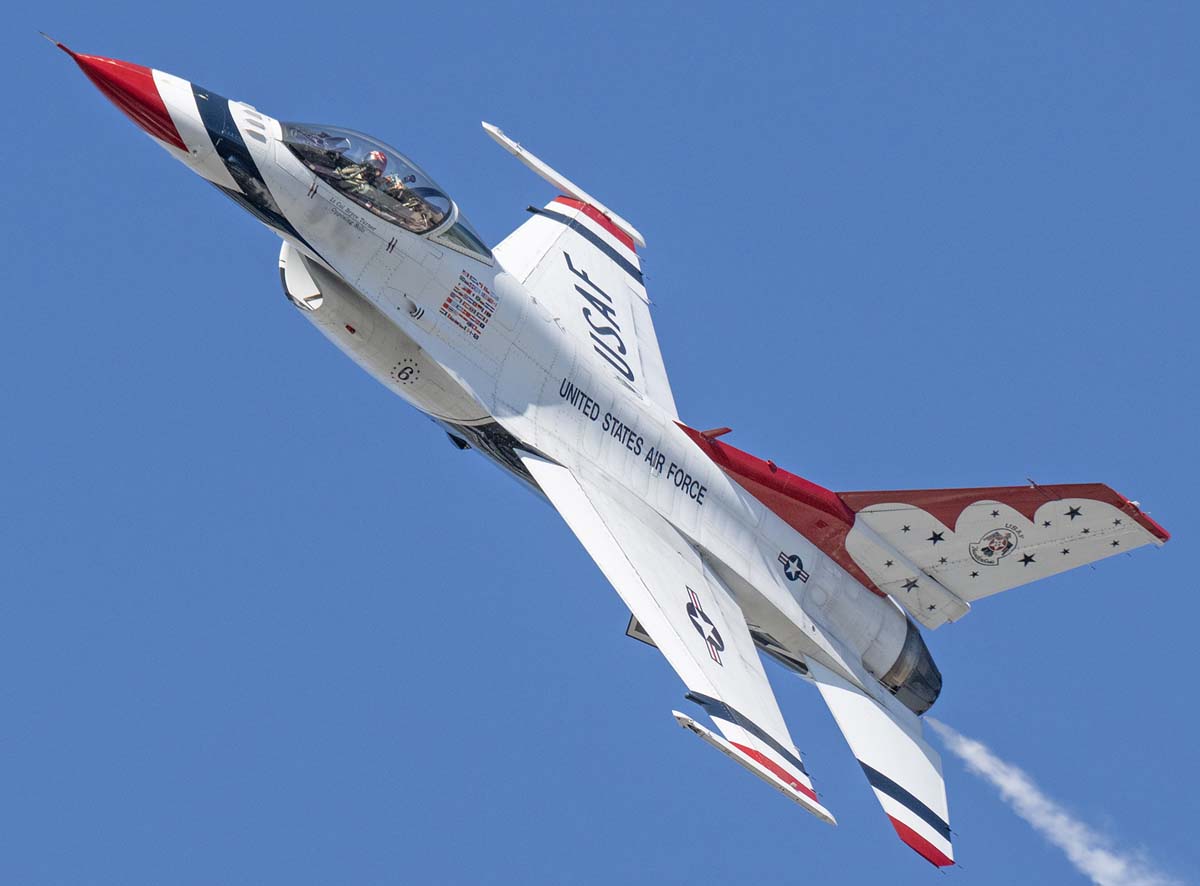
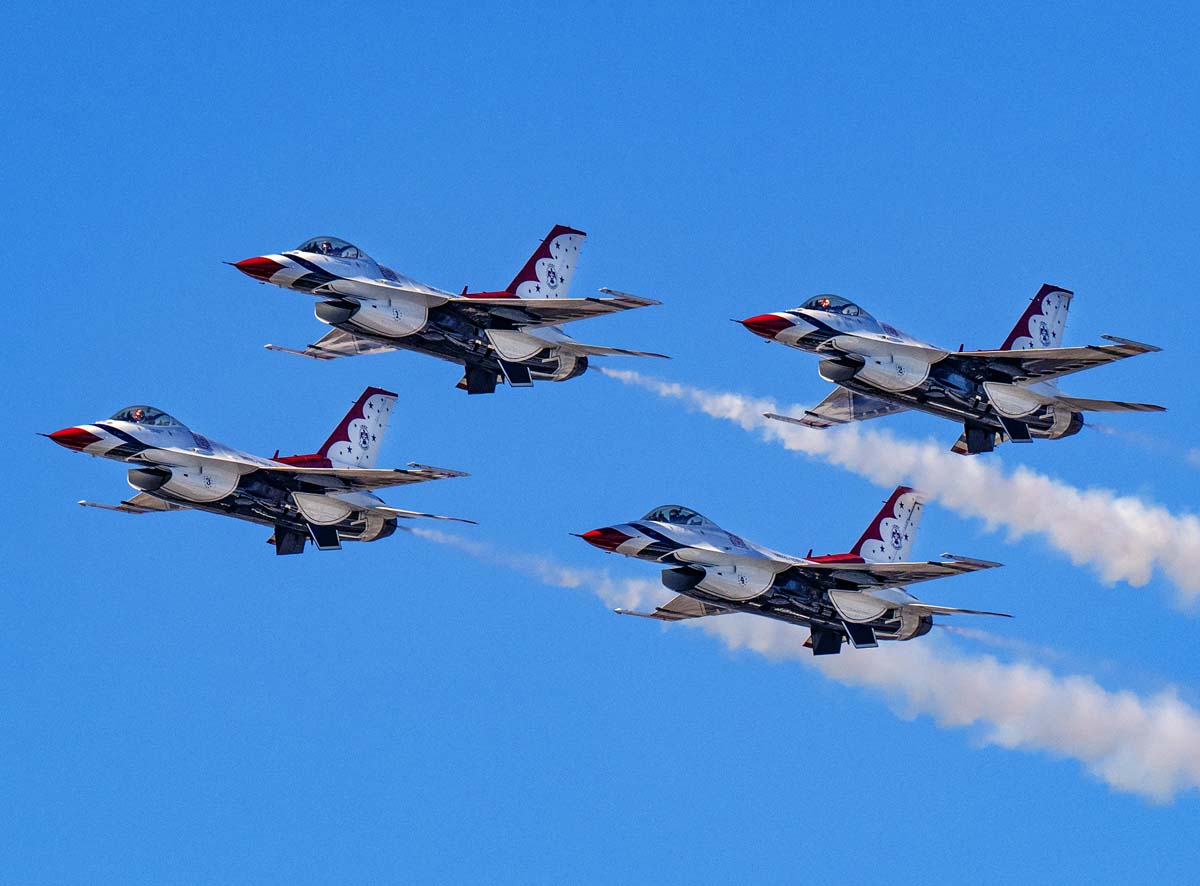
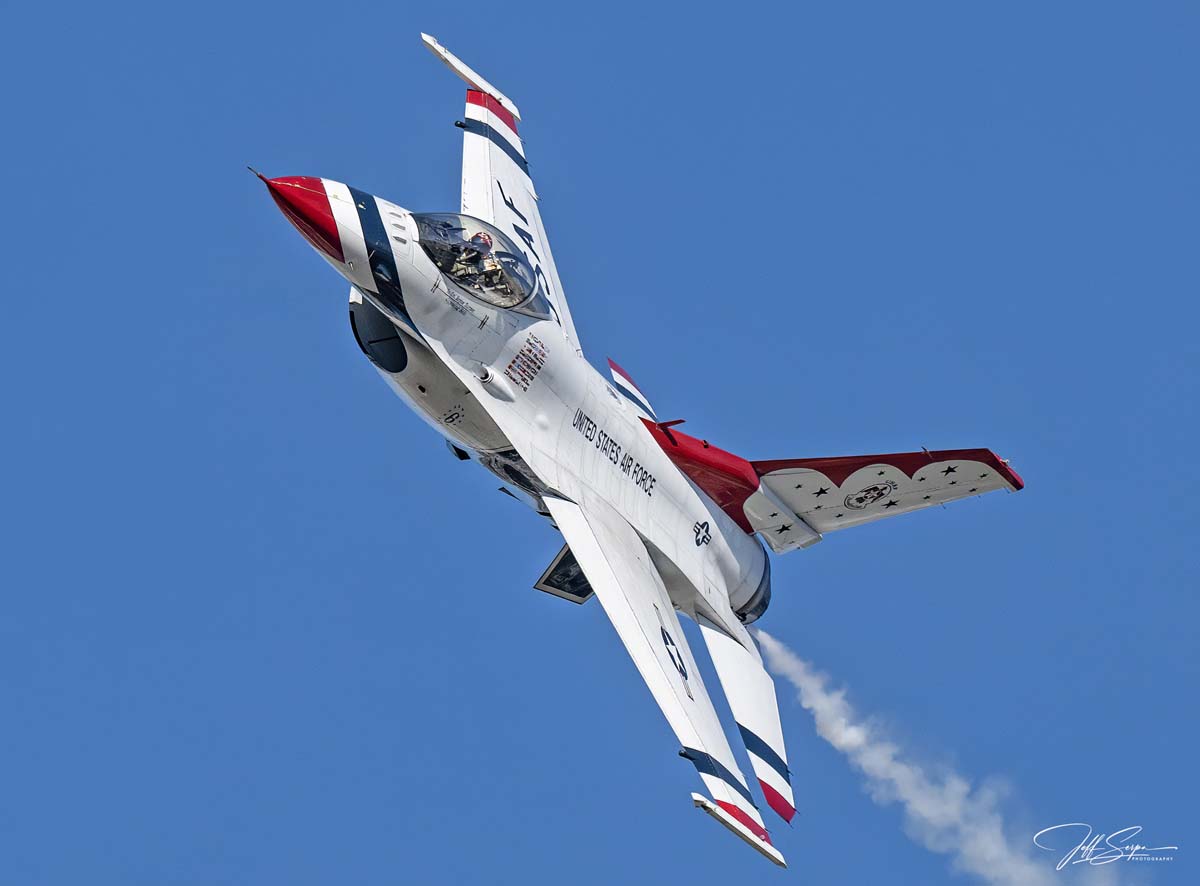
Headlining the 10th-anniversary celebration were the United States Air Force Thunderbirds. Few sights in military aviation are as instantly recognizable as six red, white and blue F-16 Fighting Falcons flying in tight formation. The Thunderbirds brought their combination of precision formation flying and aggressive solo maneuvers to the Huntington Beach show line, demonstrating both the capabilities of the F-16 and the extraordinary discipline required to fly aircraft only feet apart. The Thunderbirds also have history with Huntington Beach. Pacific Airshow has previously been recognized by the team as its Civilian Airshow Site of the Year, making their return particularly appropriate for the event’s tenth anniversary.
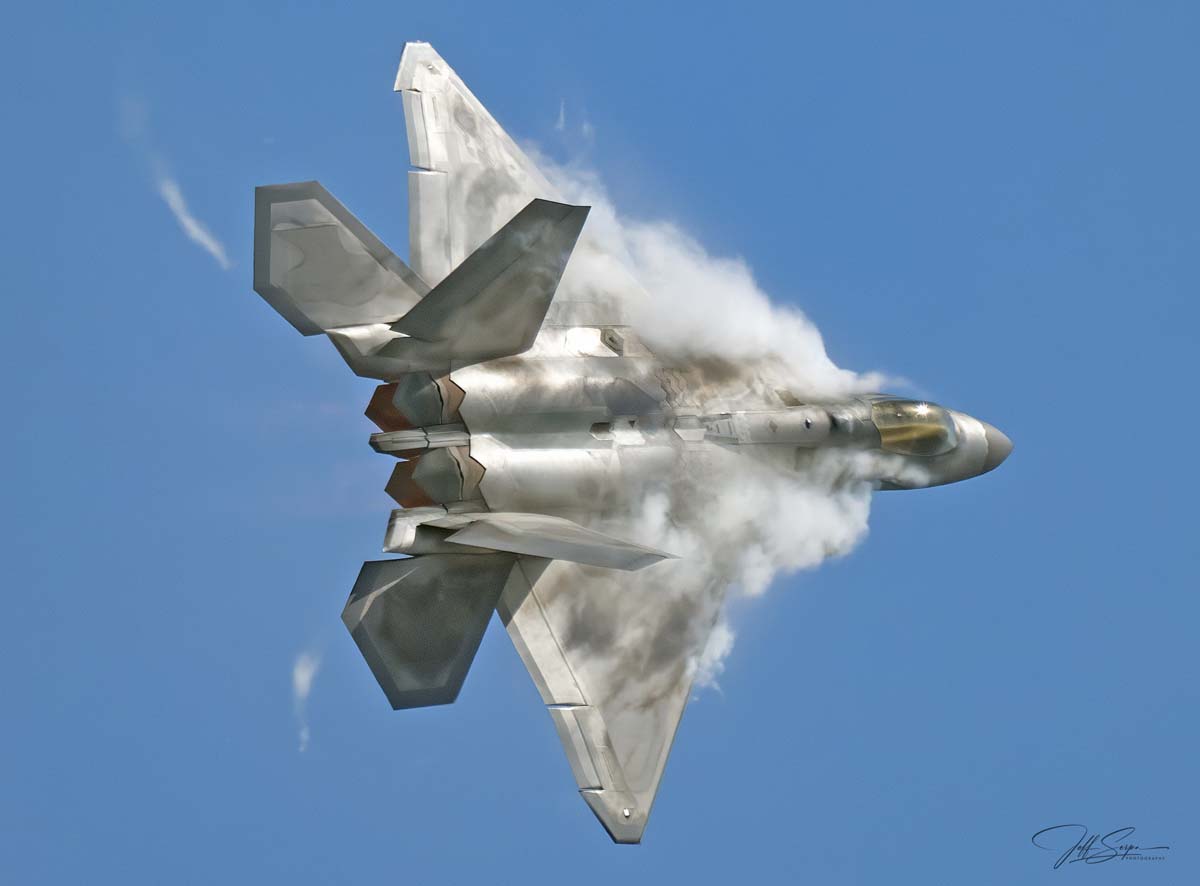
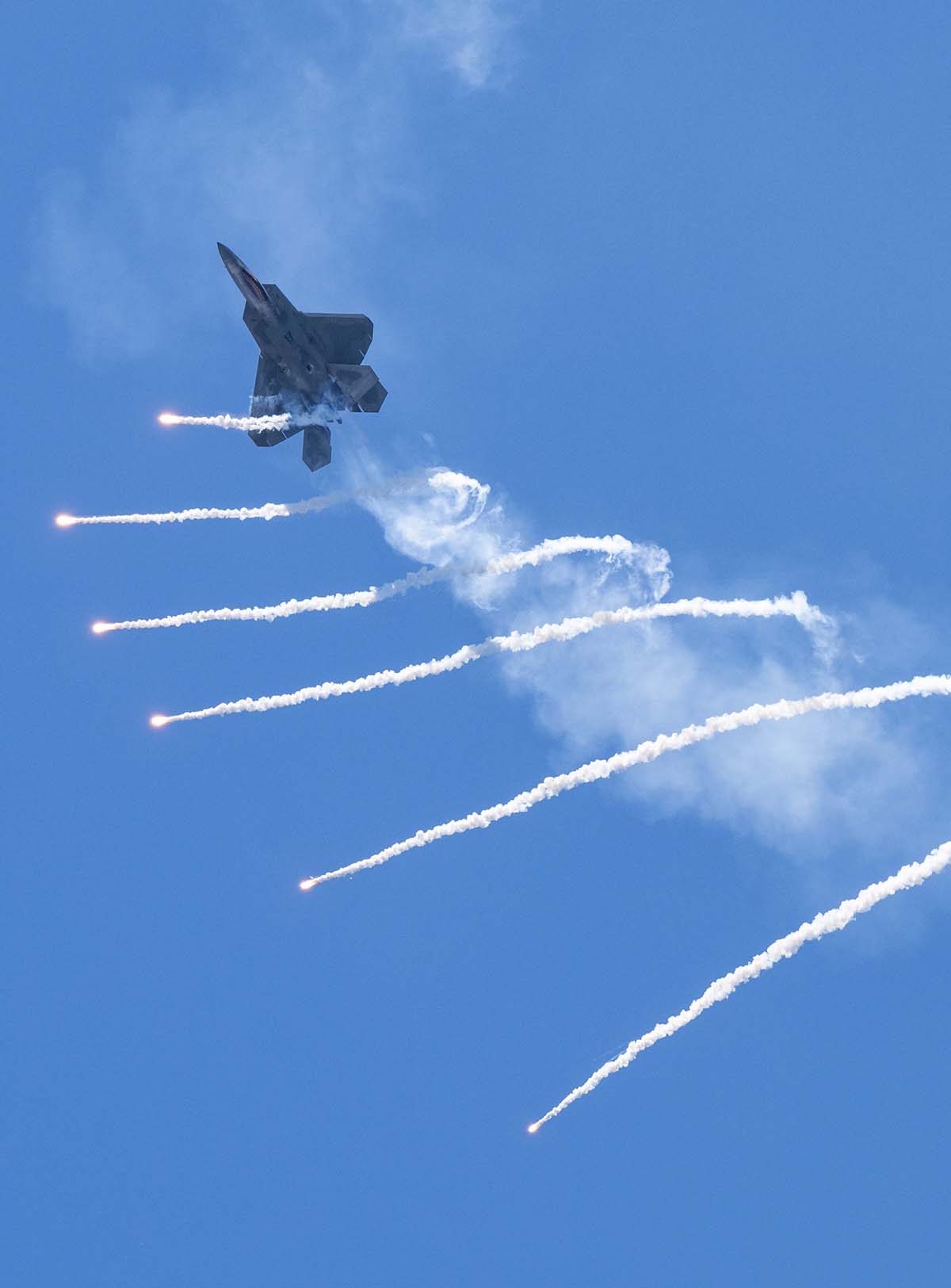
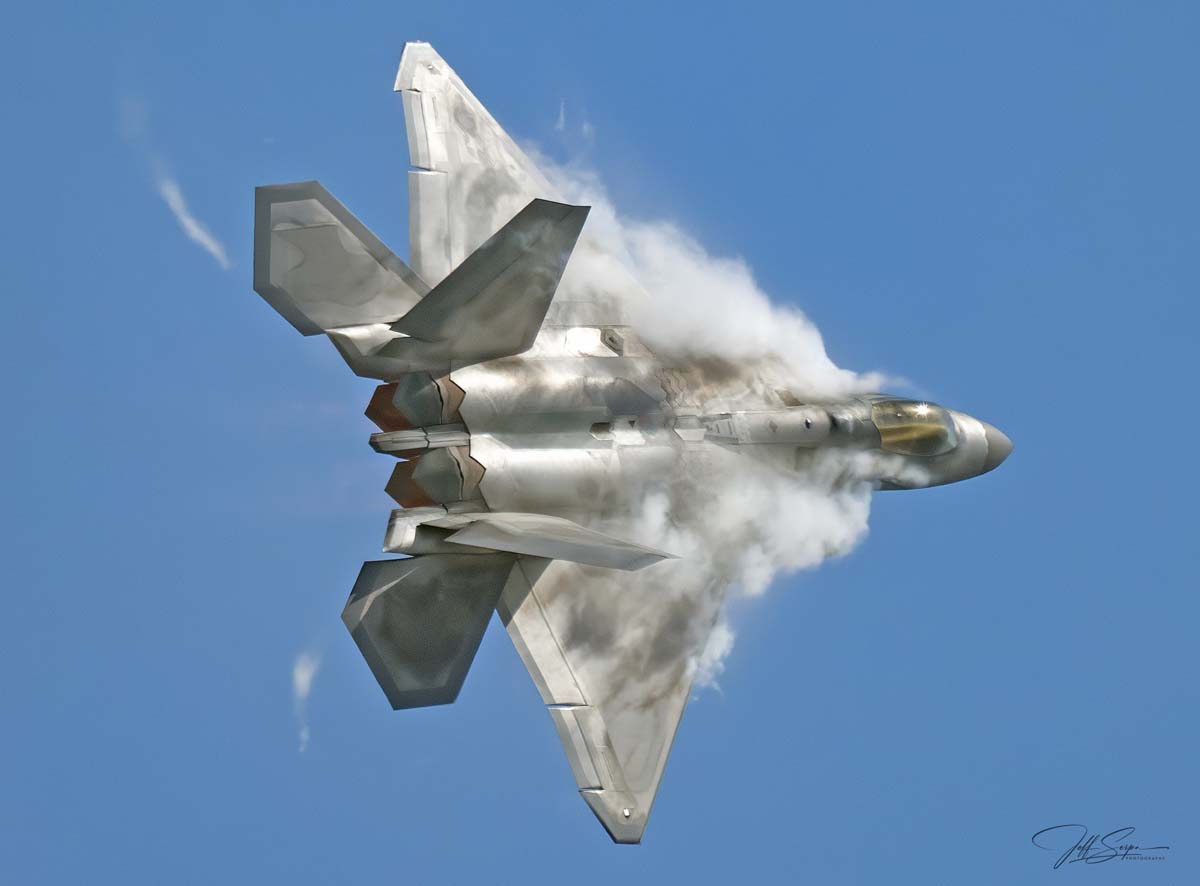
The Thunderbirds demonstrated precision, while the U.S. Air Force F-22 Raptor Demonstration Team demonstrated what happens when extraordinary aerodynamic capability meets tremendous thrust. The F-22 remains one of the most impressive aircraft on the modern airshow circuit. From the moment the Raptor entered the show box, its performance was unmistakably different from that of a conventional fighter. High-angle-of-attack maneuvers seemingly challenged the physics of flight. Rapid climbs transformed the aircraft from a low-level fighter into a disappearing silhouette in seconds. Thrust-vectoring allowed the Raptor to maneuver in ways that still appear almost impossible when witnessed from the ground.

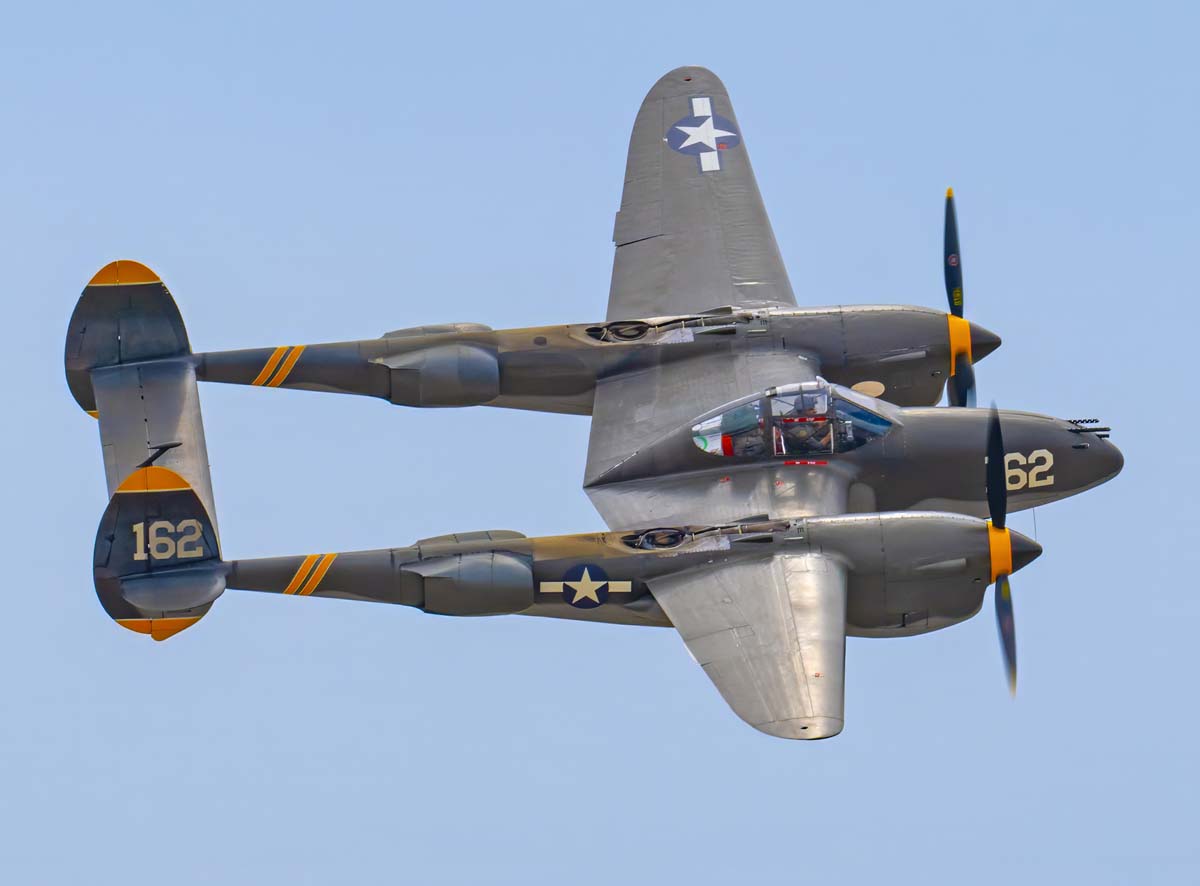
The aircraft’s appearance at Pacific Airshow also provided a link between generations through a USAF Heritage Flight featuring the modern Raptor alongside the legendary P-38 Lightning. One represents the cutting edge of American air dominance, the other represents an aircraft that helped define American fighter aviation during World War II. Seeing the two share the same sky was one of those moments that explains why Heritage Flights remain among the most meaningful presentations at American airshows.
The U.S. Navy brought its own brand of high-performance aviation to Huntington Beach. The F/A-18 West Coast Rhino Demonstration Team showcased the Super Hornet, an aircraft whose unmistakable twin-engine silhouette has become synonymous with modern military aviation. The F/A 18 fast passes demonstrated its speed, while the High-alpha maneuvering demonstrated its control at slow speed. The Navy’s F-35C Lightning II brought fifth-generation carrier aviation into the program. With its larger wings and reinforced landing gear designed for aircraft-carrier operations, the F-35C represents the newest generation of Navy strike-fighter capability. Seeing both the Super Hornet and Lightning II over Huntington Beach provided a visual look at the evolution of American naval aviation.

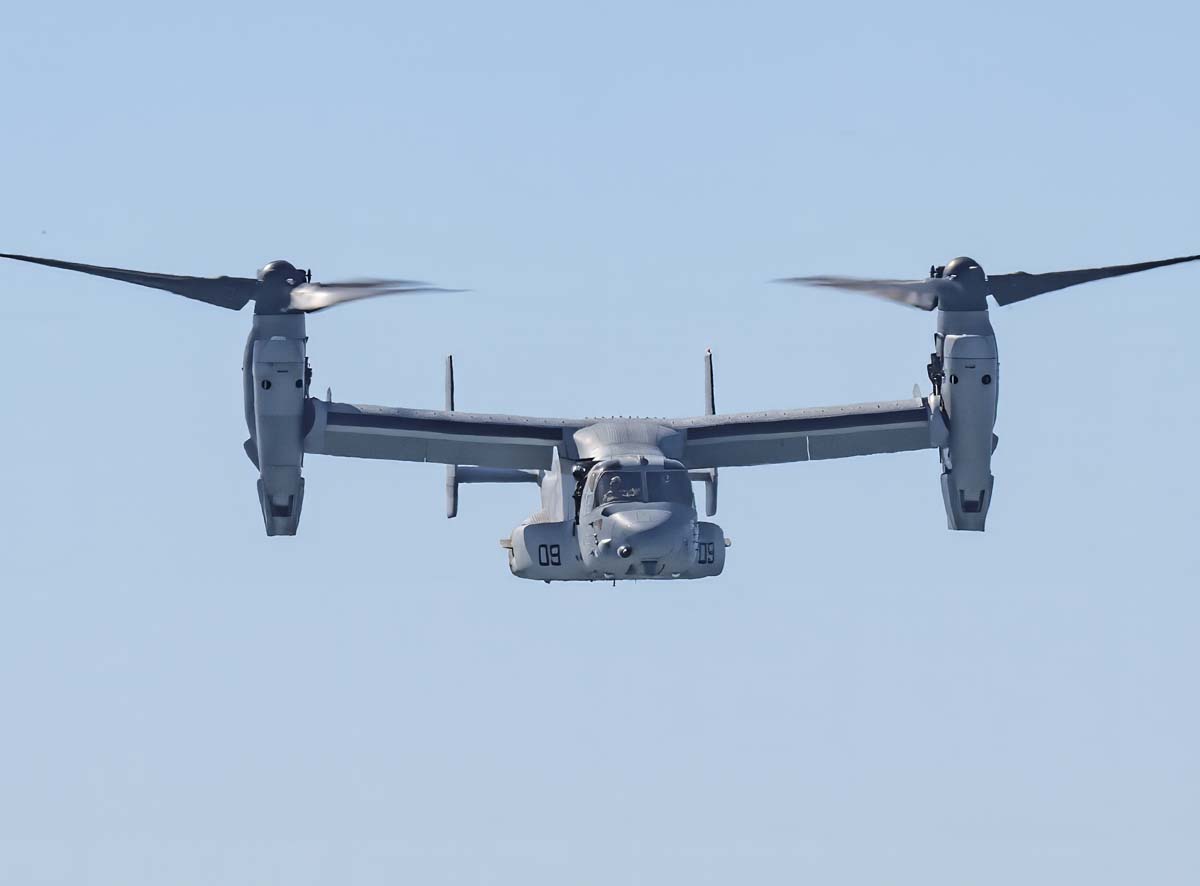
The Marine Corps MV-22 Osprey added yet another dimension to the flying demonstrations over Huntington Beach. The tiltrotor Osprey demonstrated a completely different approach to military aviation, transitioning between vertical-flight capability and airplane-like forward flight.
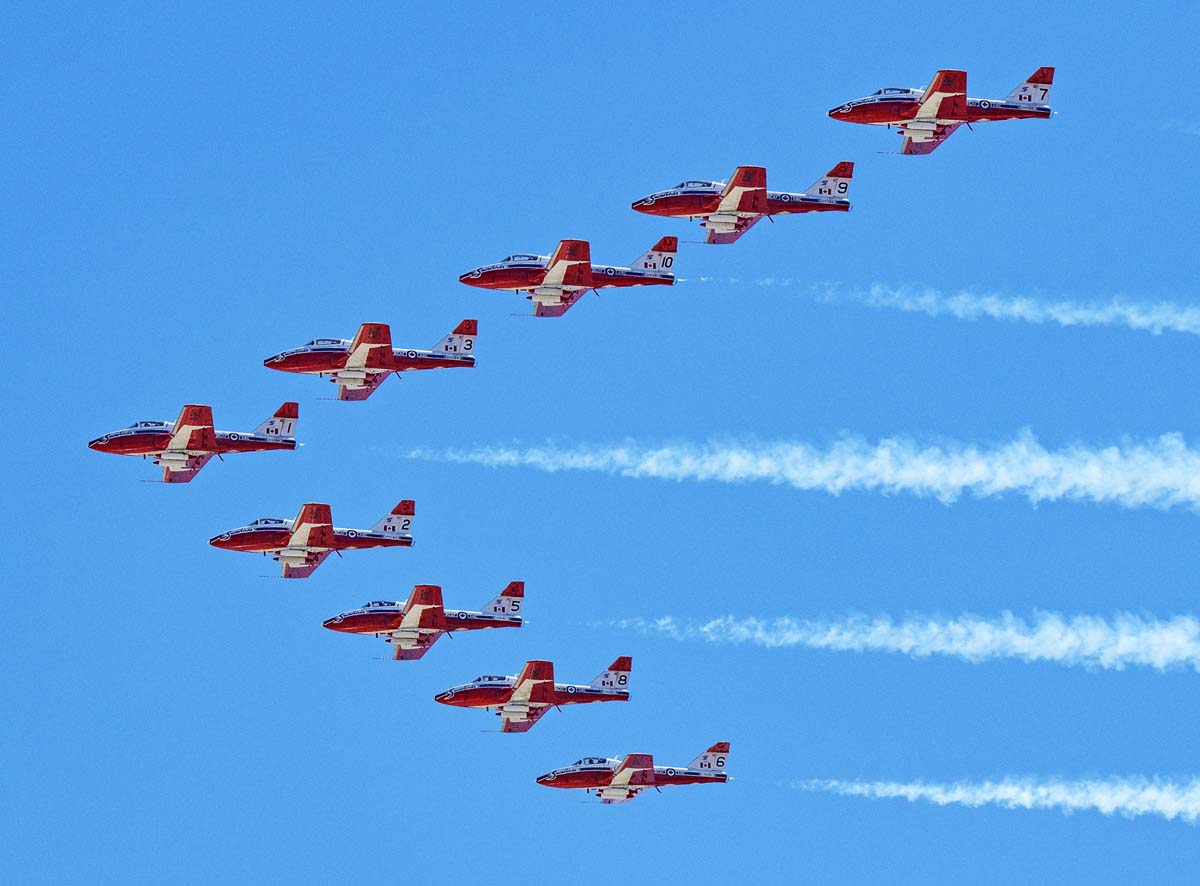
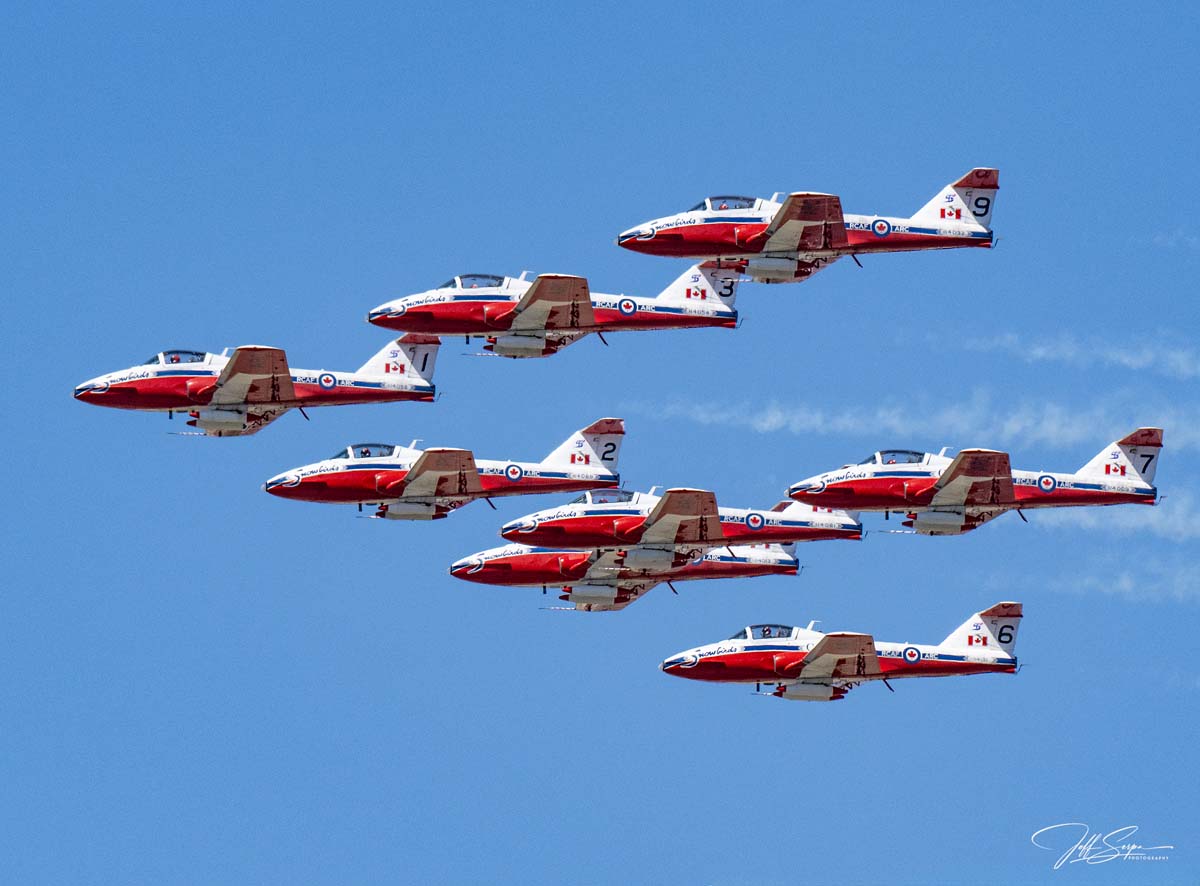
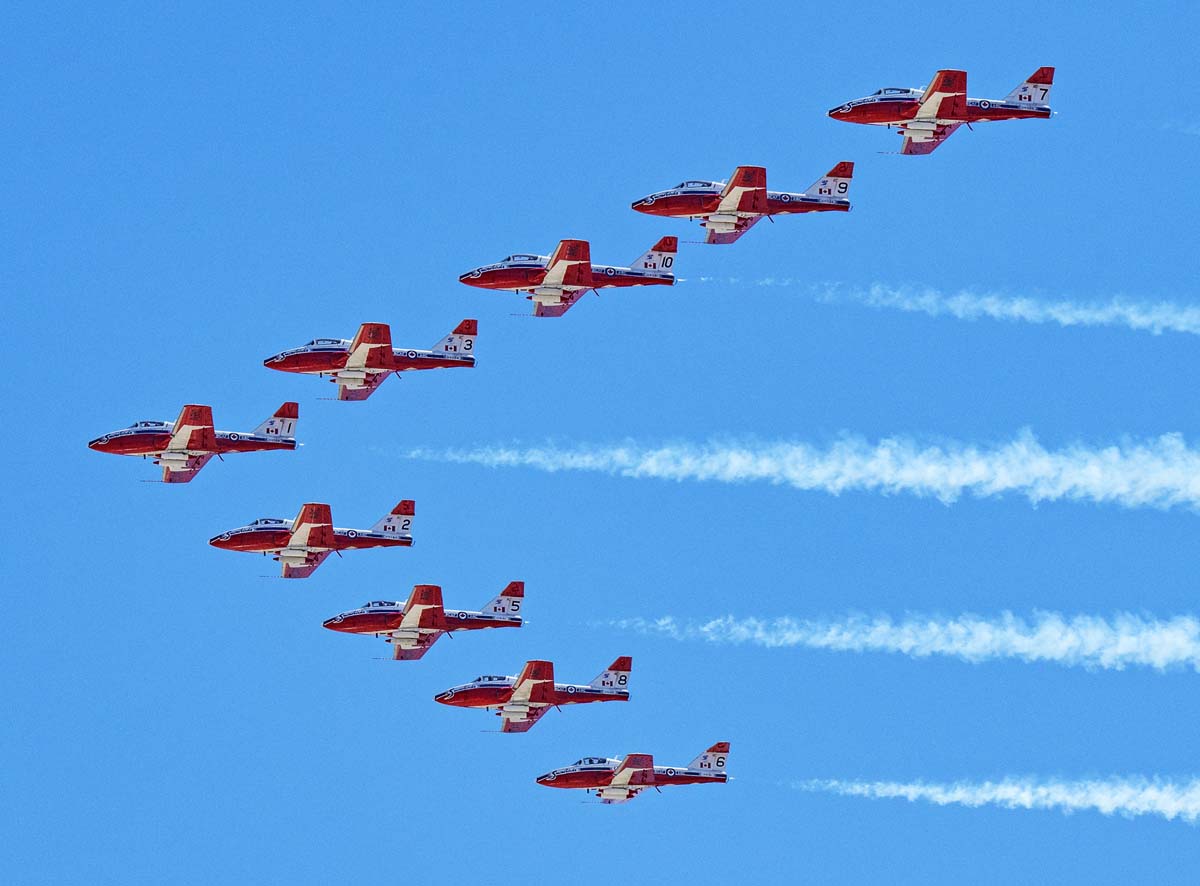
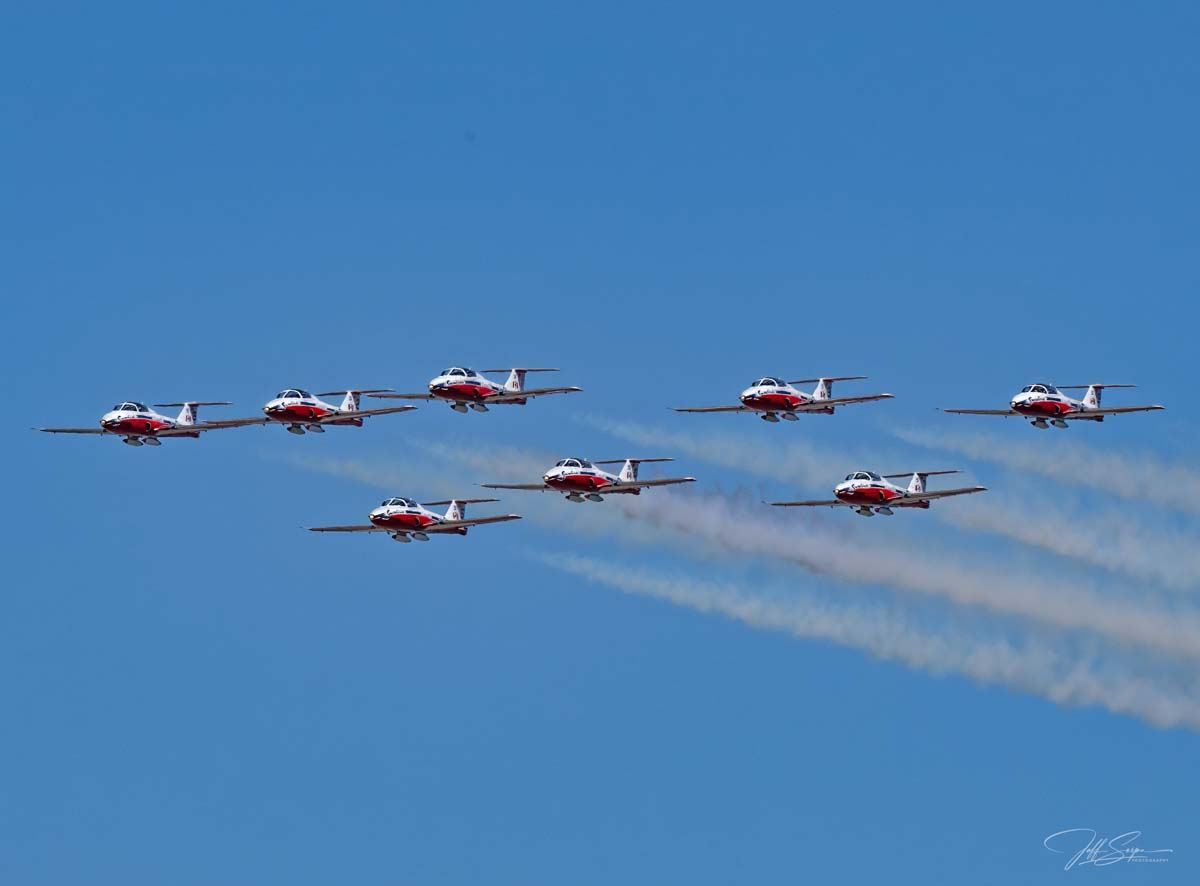
One of the highlights of the international lineup was the appearance of the Royal Canadian Air Force Snowbirds. Flying the CT-114 Tutor, the Snowbirds presented a completely different style of demonstration from the high-powered tactical fighters appearing throughout the weekend. Their performance was about formation, symmetry and precision. Nine aircraft moving across the Pacific sky created constantly changing geometric patterns, with smoke tracing the formations across the horizon. The relatively small Tutor may lack the raw power of an F-22 or F/A-18, but that is precisely what makes the Snowbirds so impressive. The team’s visual impact comes from pilots maintaining exact position within complex formations while performing directly in front of the crowd. This was the last appearance of the Snowbirds in the beloved, but aging CT-114 Tutor jet aircraft, which are retiring at the end of the 2026 show season after more than 50 years of demonstration service.
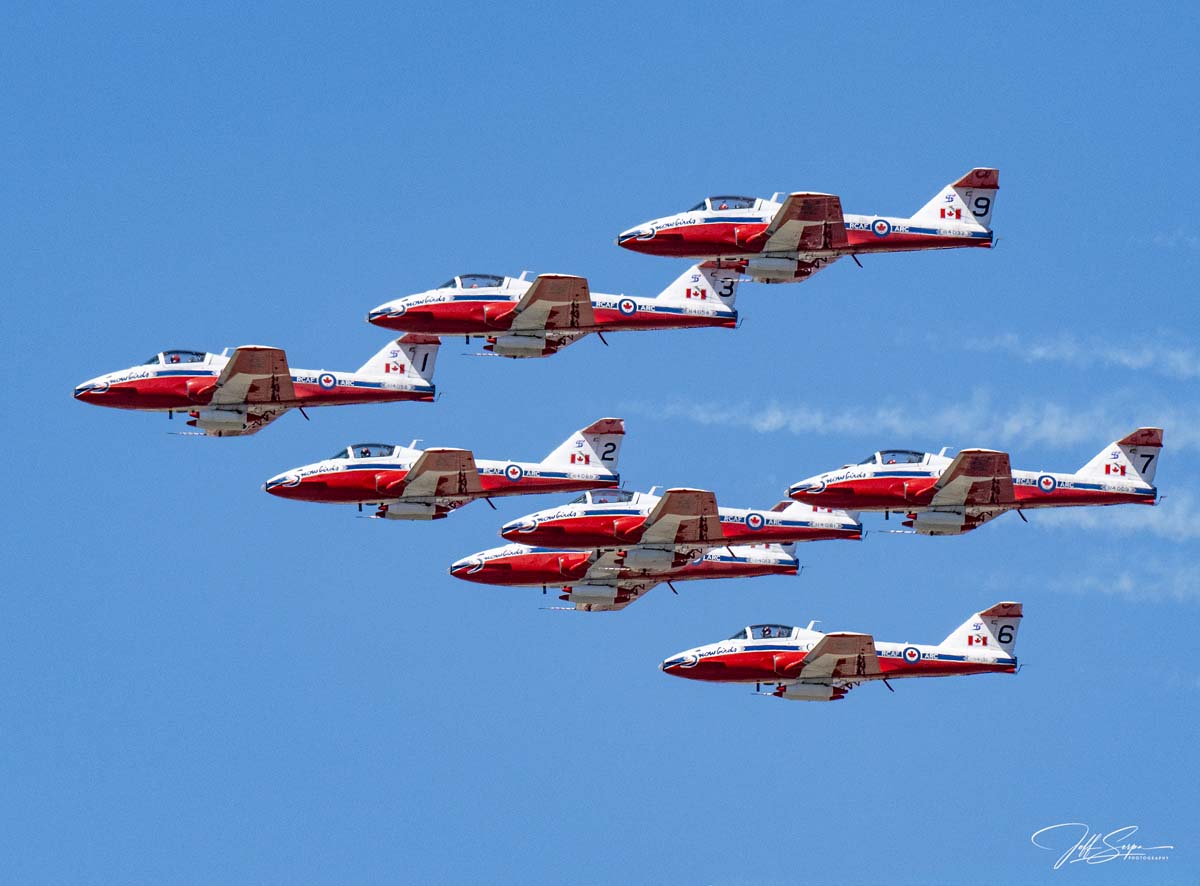
The Snowbirds will be switching aircraft to the CT-157 Siskin II, and will be taking a few year hiatus The new aircraft is the Canadian military designation for the Pilatus PC-21, a Swiss-made, high-performance turboprop plane. Because the new aircraft will not be fully operational for the demonstration team until the early 2030s, the Snowbirds will go on a multi-year performance hiatus starting in late 2026.
The international character of Pacific Airshow continued with participation from the United Kingdom. The Royal Air Force Falcons Parachute Display Team brought precision military parachuting to Huntington Beach, while an RAF C-17 Globemaster III represented the heavy-airlift side of modern military aviation.

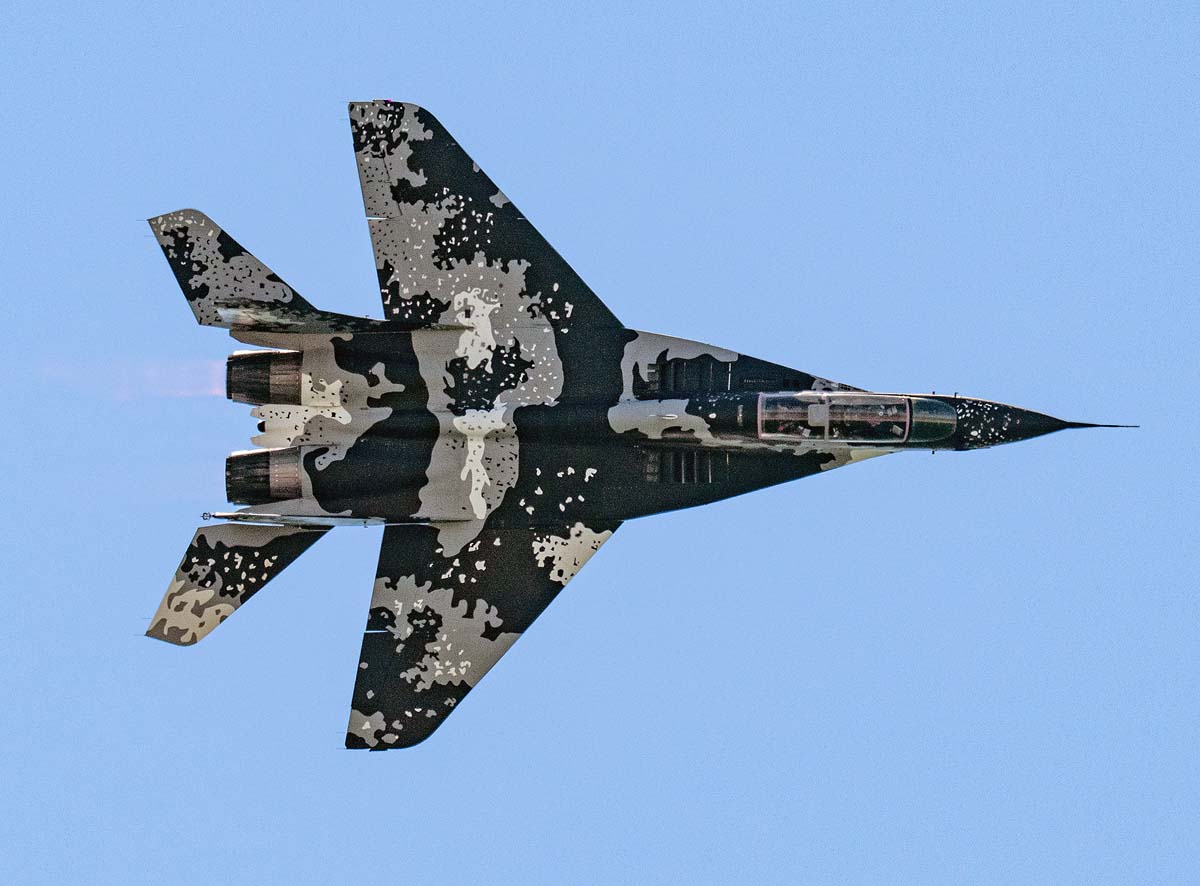
Among the more unusual sights of the anniversary weekend was a MiG-29 Fulcrum. Owned and flown by NASA CEO Jared “Rook” Isaacman, the Soviet-designed fighter brought an aircraft to Huntington Beach that many American aviation enthusiasts have spent decades seeing primarily in books, magazines, intelligence photographs and foreign airshow coverage.
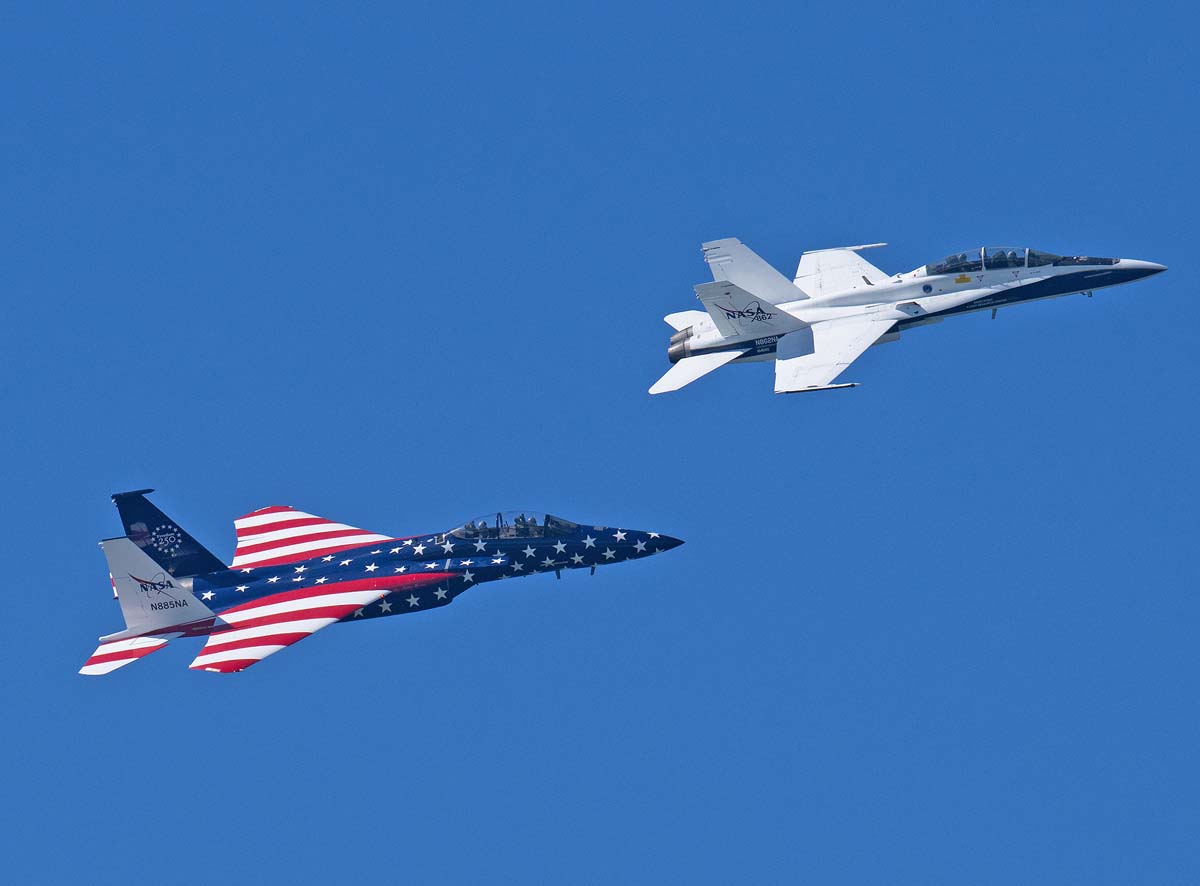
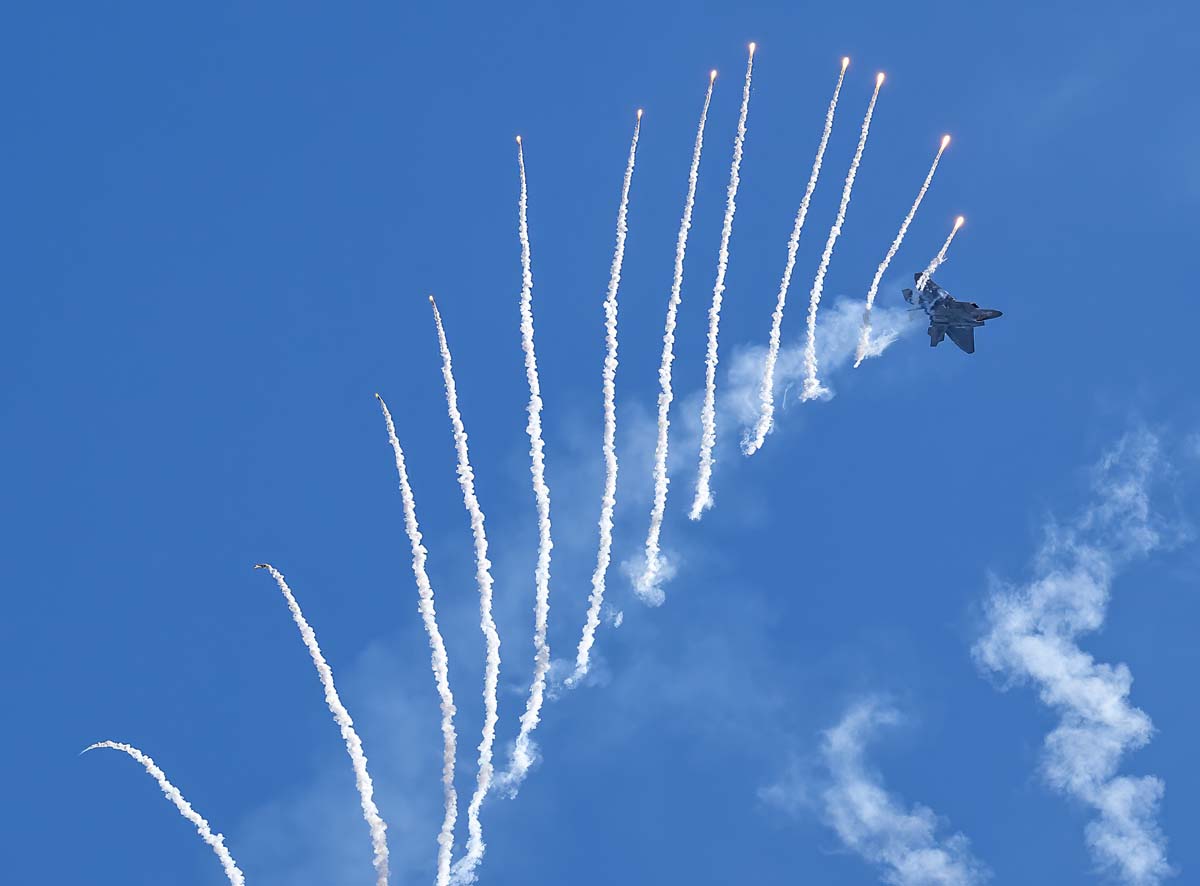
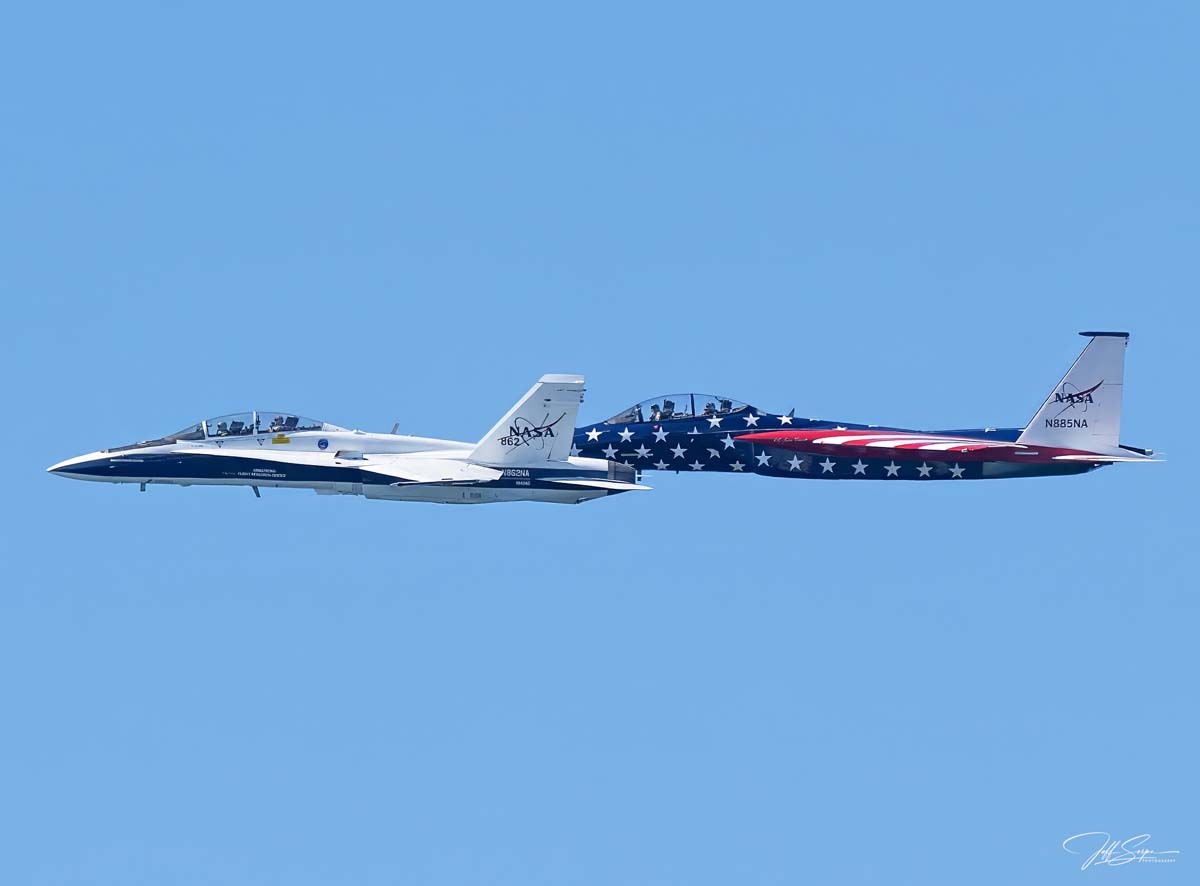
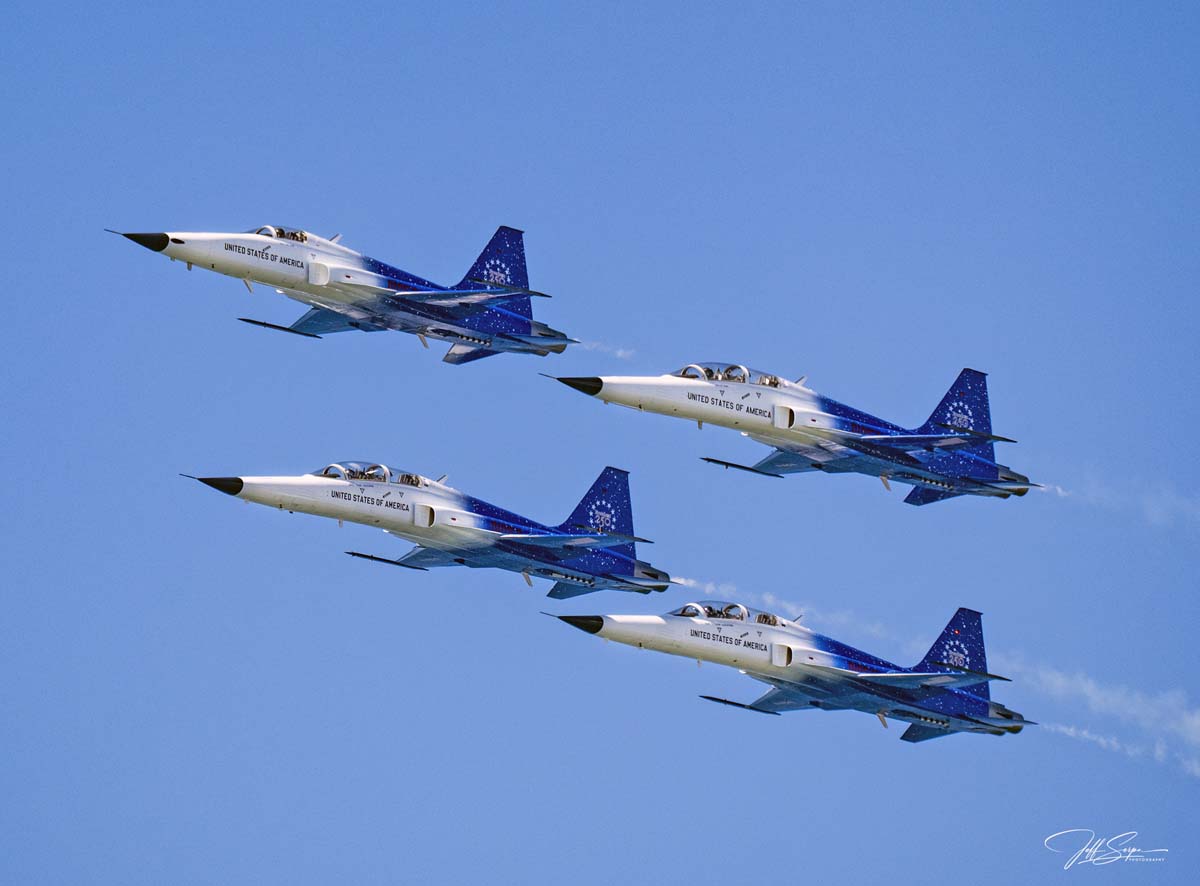
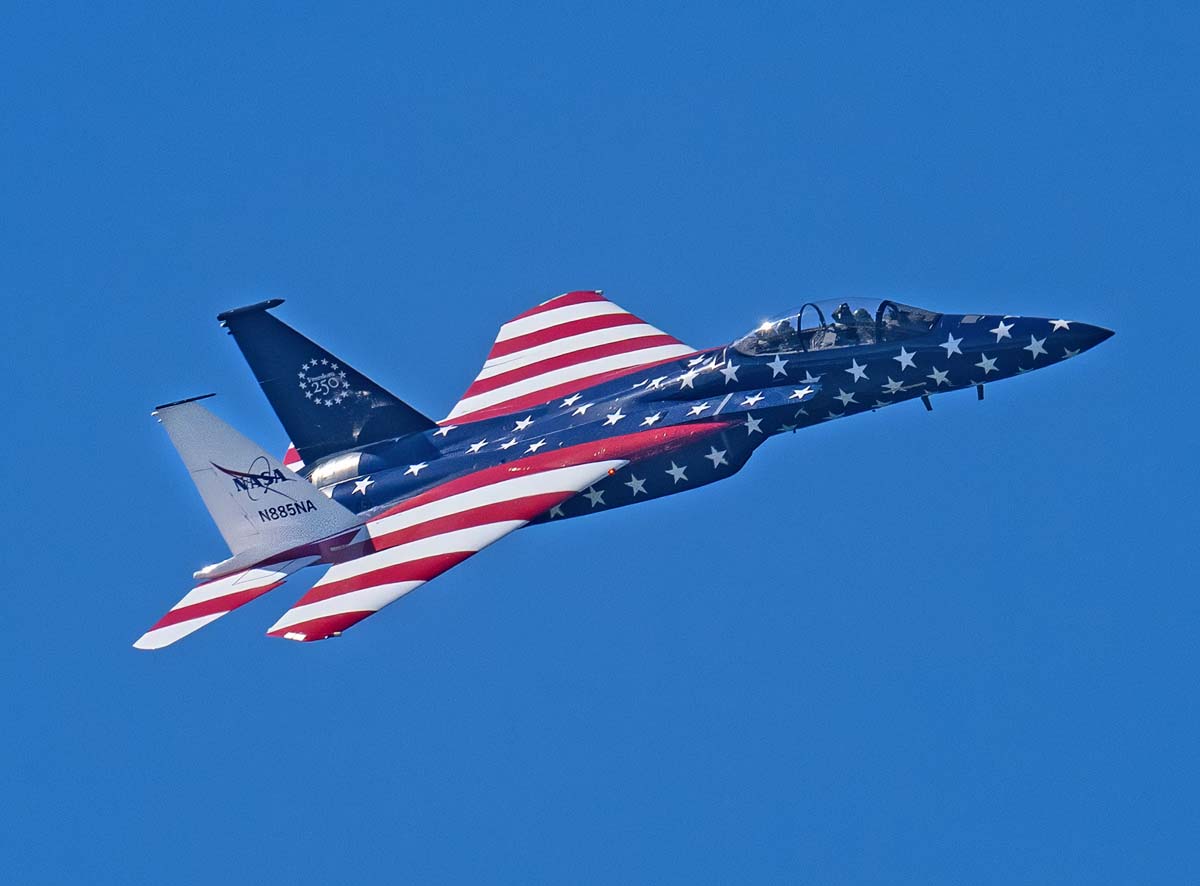
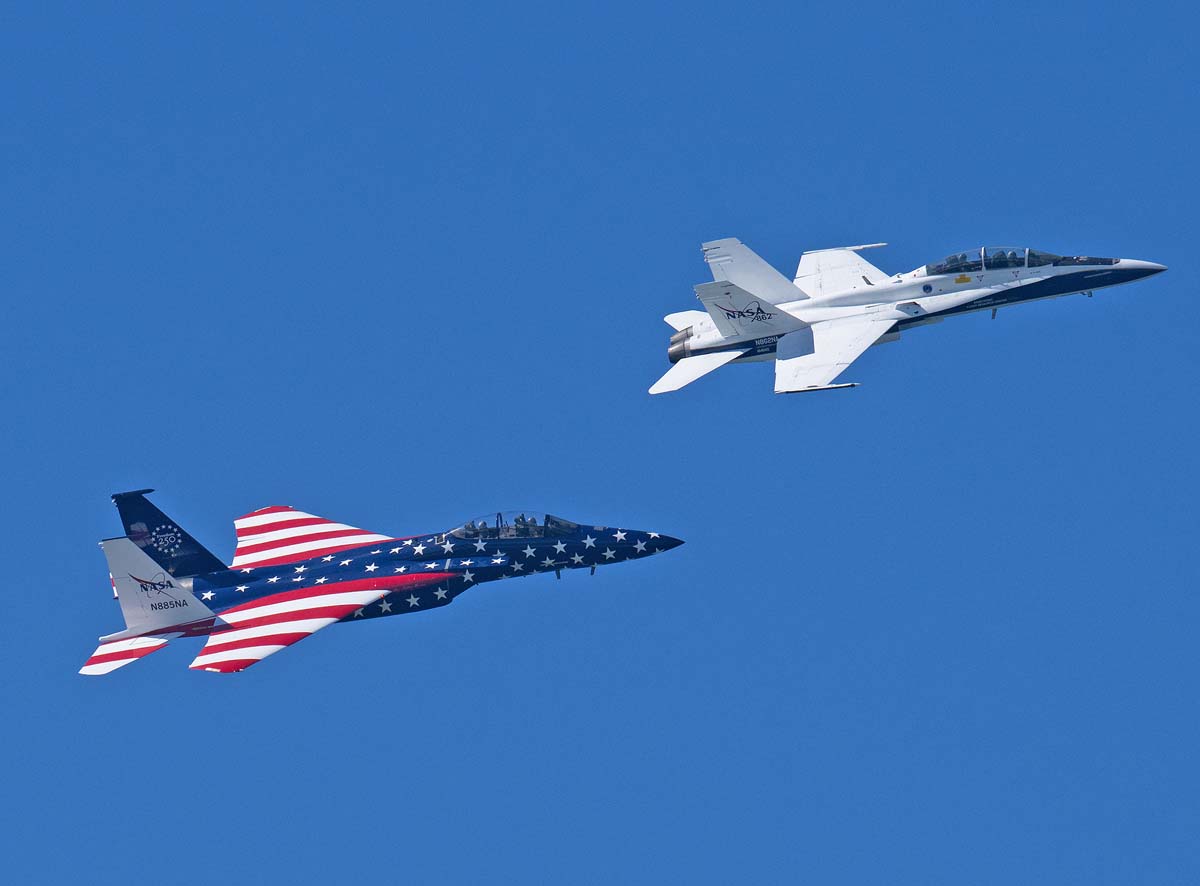
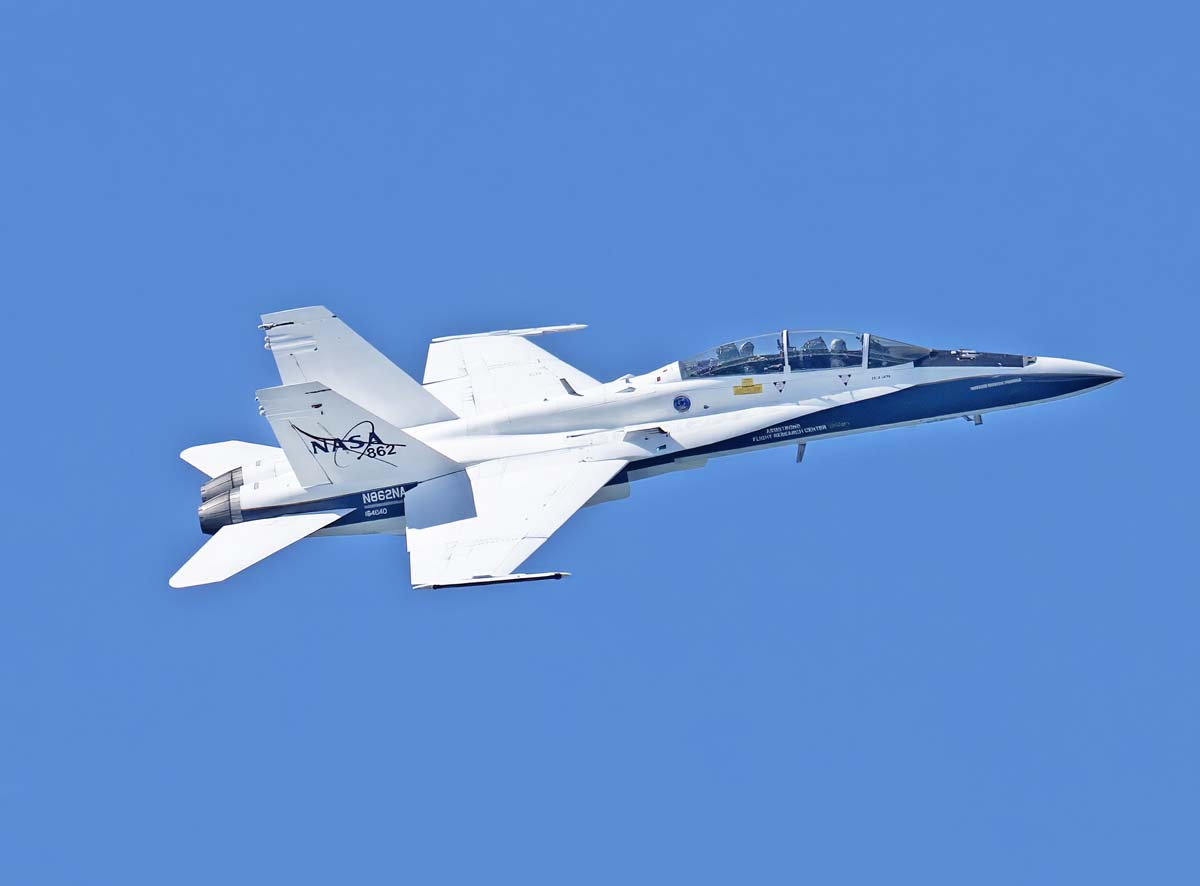
NASA participation added another dimension to the weekend. A flyover featuring NASA’s F-15 and F/A-18 represented the flight-research side of American aviation. Aircraft associated with NASA’s flight-test programs have contributed to decades of aeronautical research, helping engineers better understand aerodynamics, propulsion, flight controls and technologies that may eventually influence future military and civilian aircraft. Their appearance was particularly fitting during America’s 250th-anniversary year.
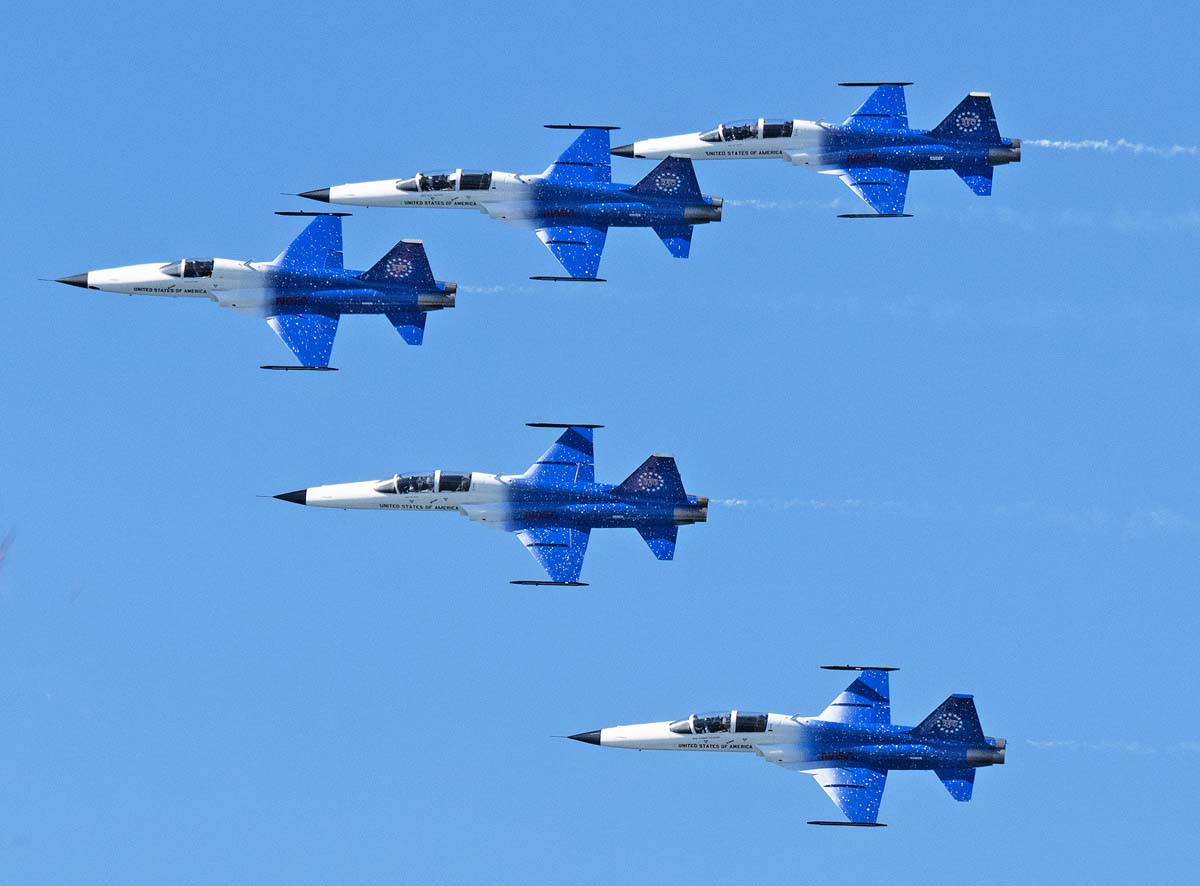
Some of the other aerial demonstrations included:
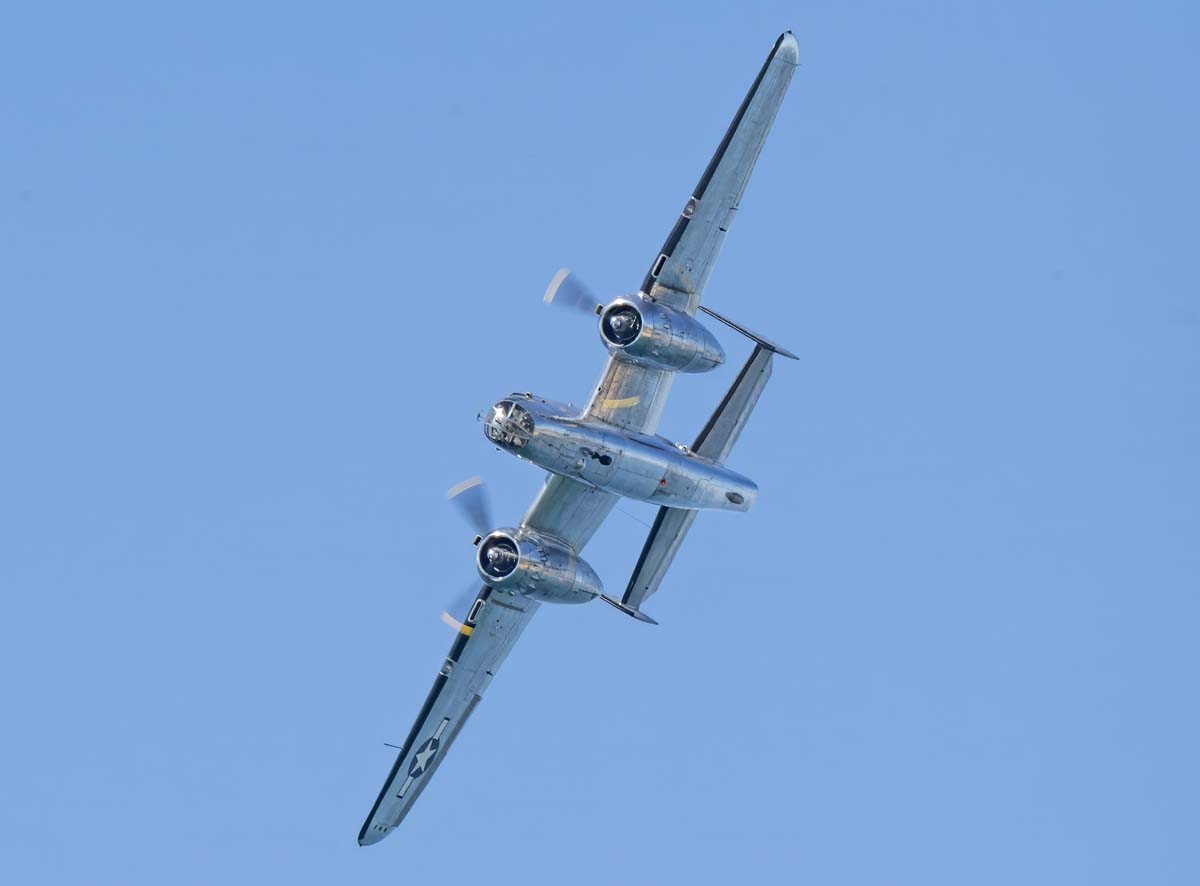
B-25 Mitchell,
TBM Avenger
P-38 Lightning

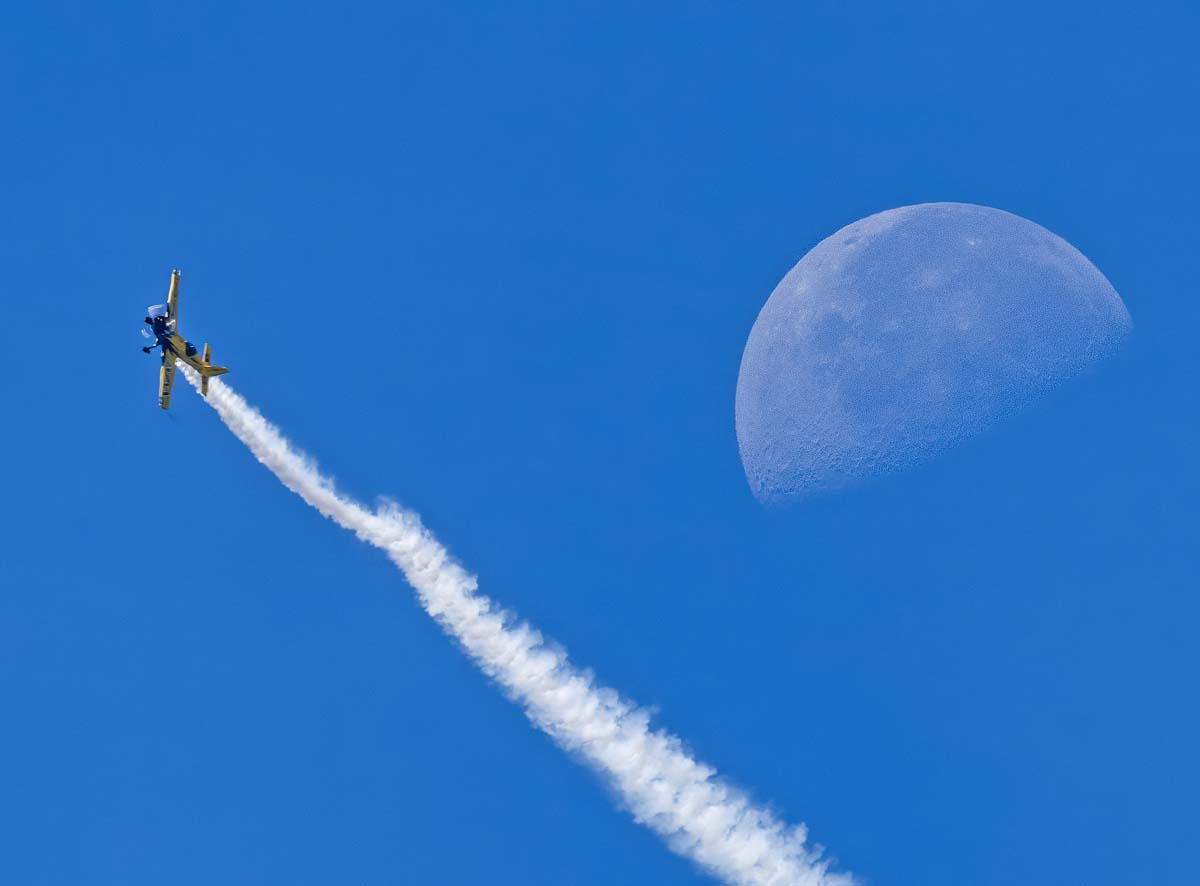
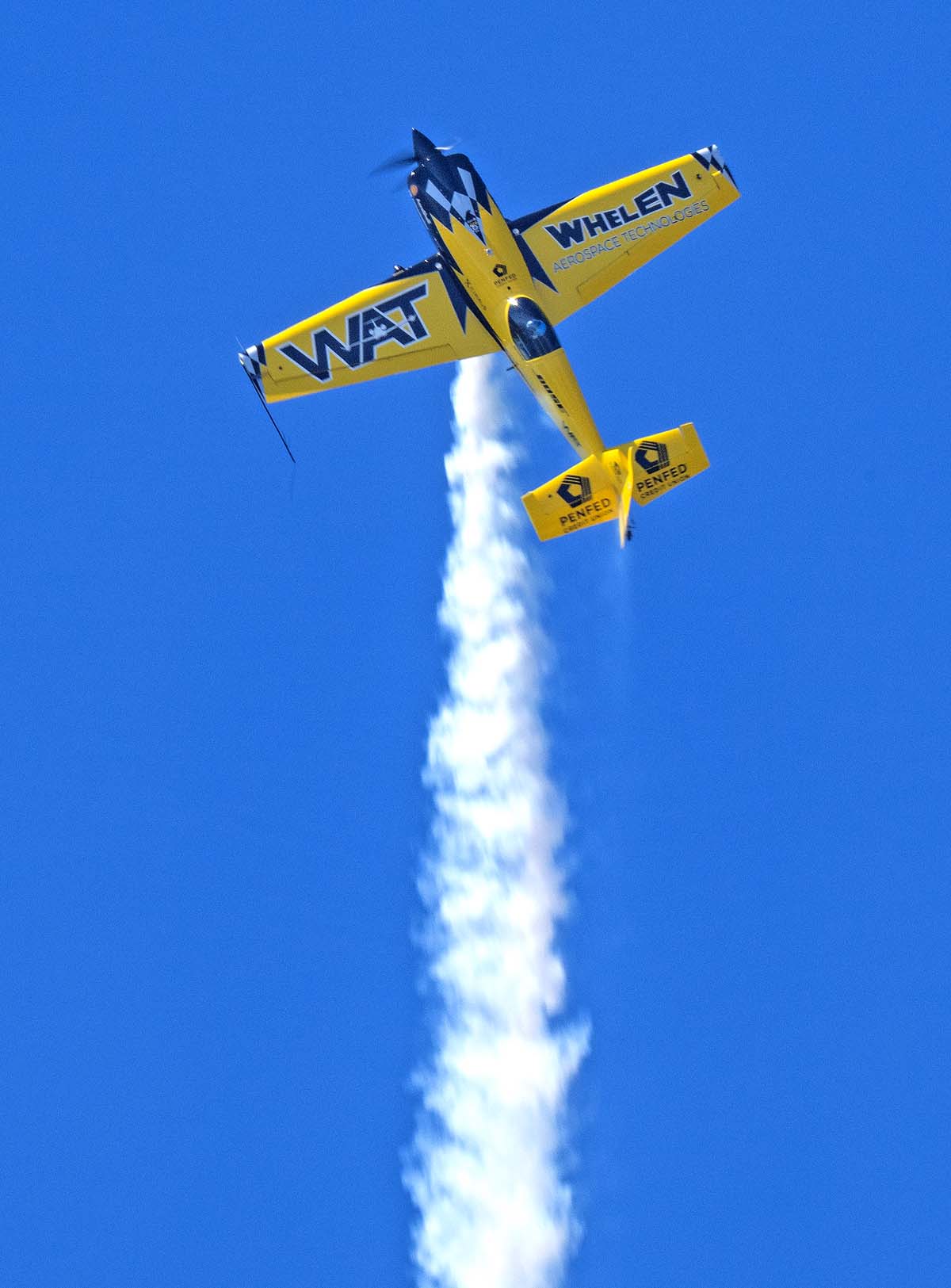
Michael Goulian brought the Extra 330SC
Emma McDonald, flying the Edge 540,
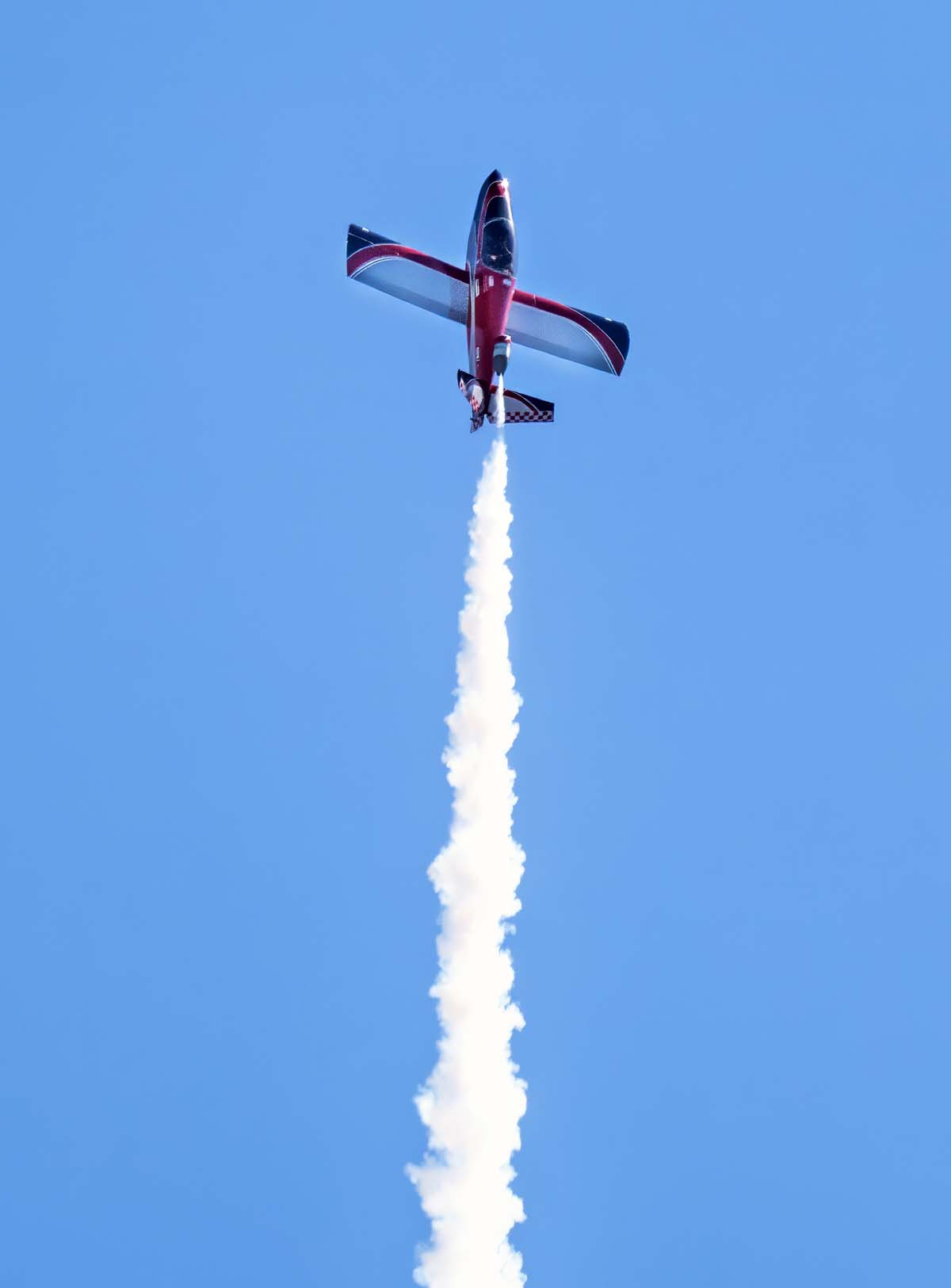
Torrey Ward, flying the micro jet

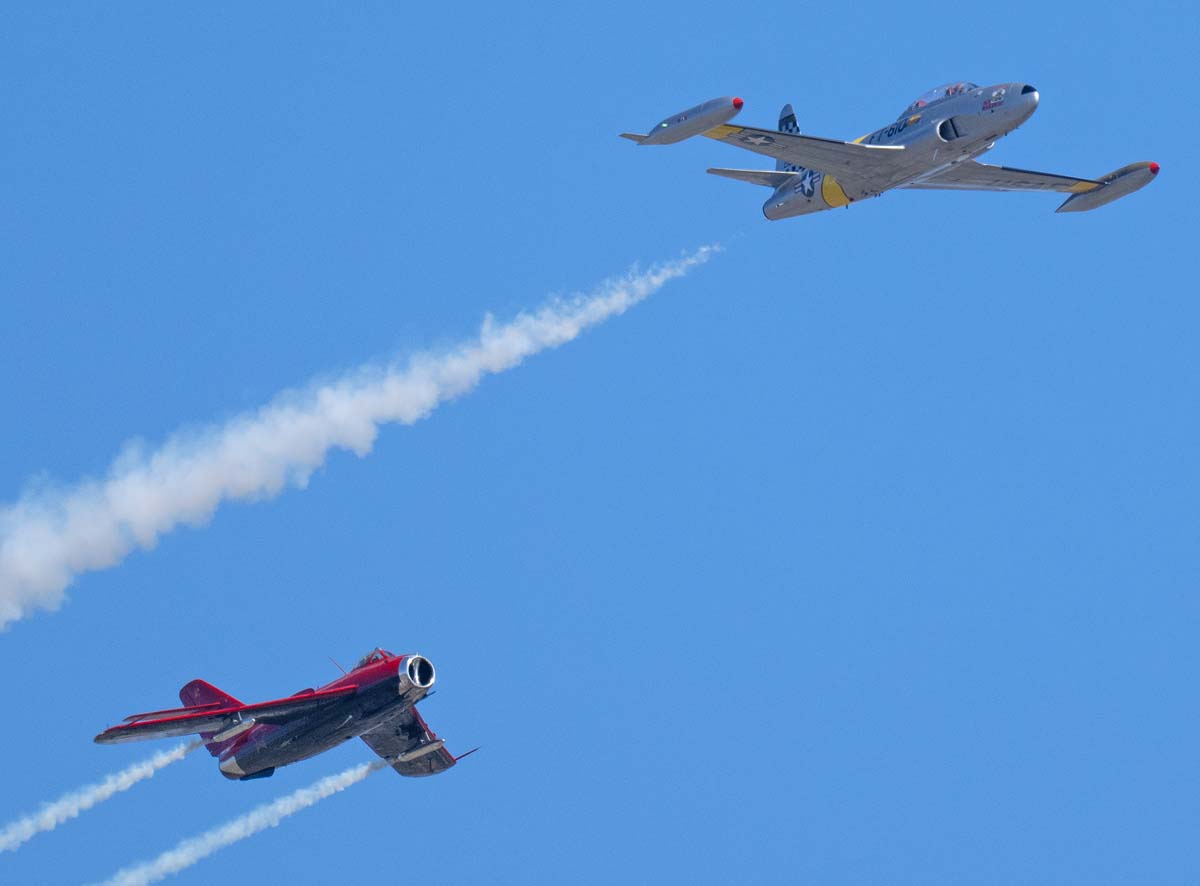
Greg Colyer, T33 Shooting Star
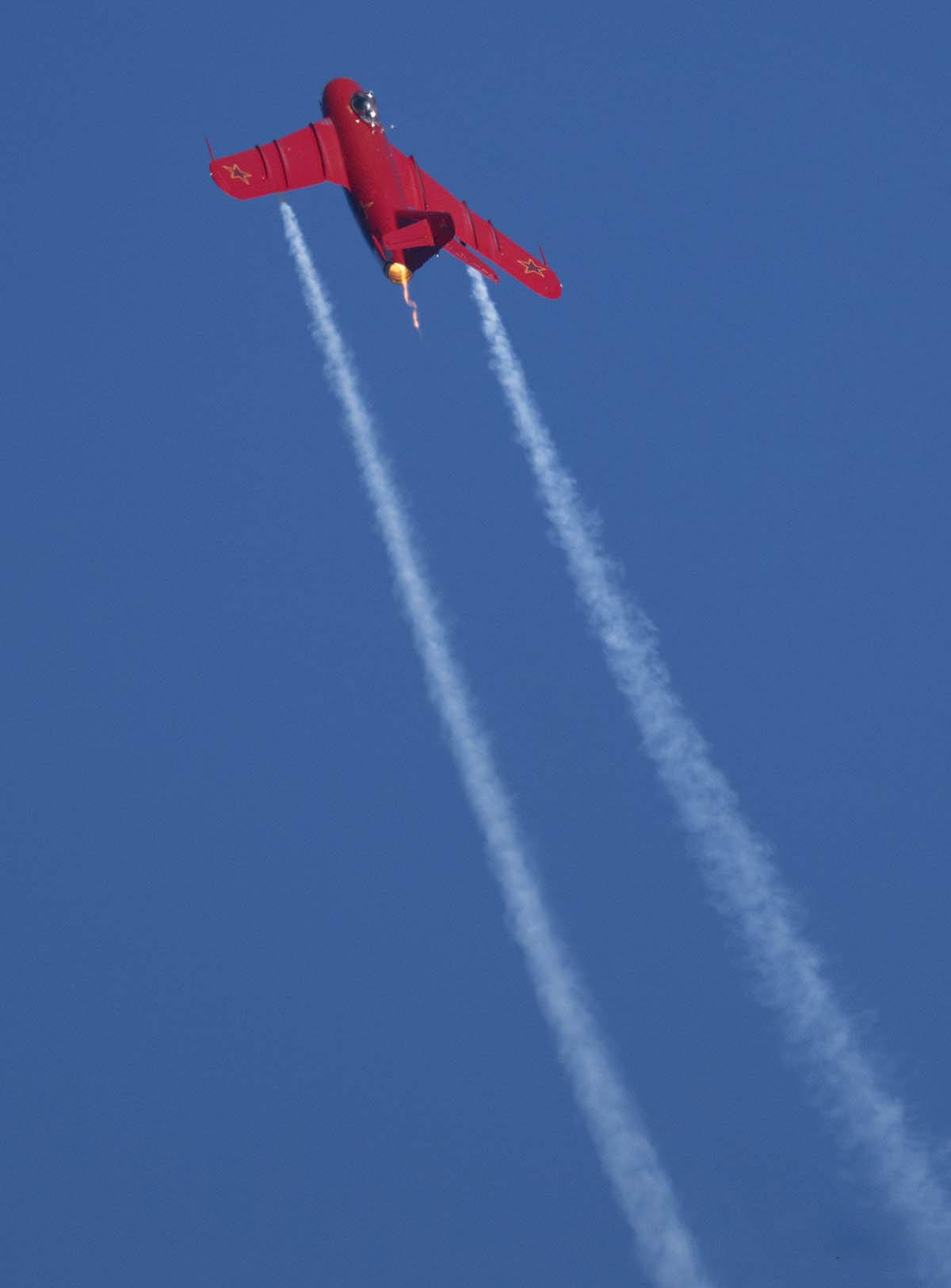
Jason Somes, Mig-17
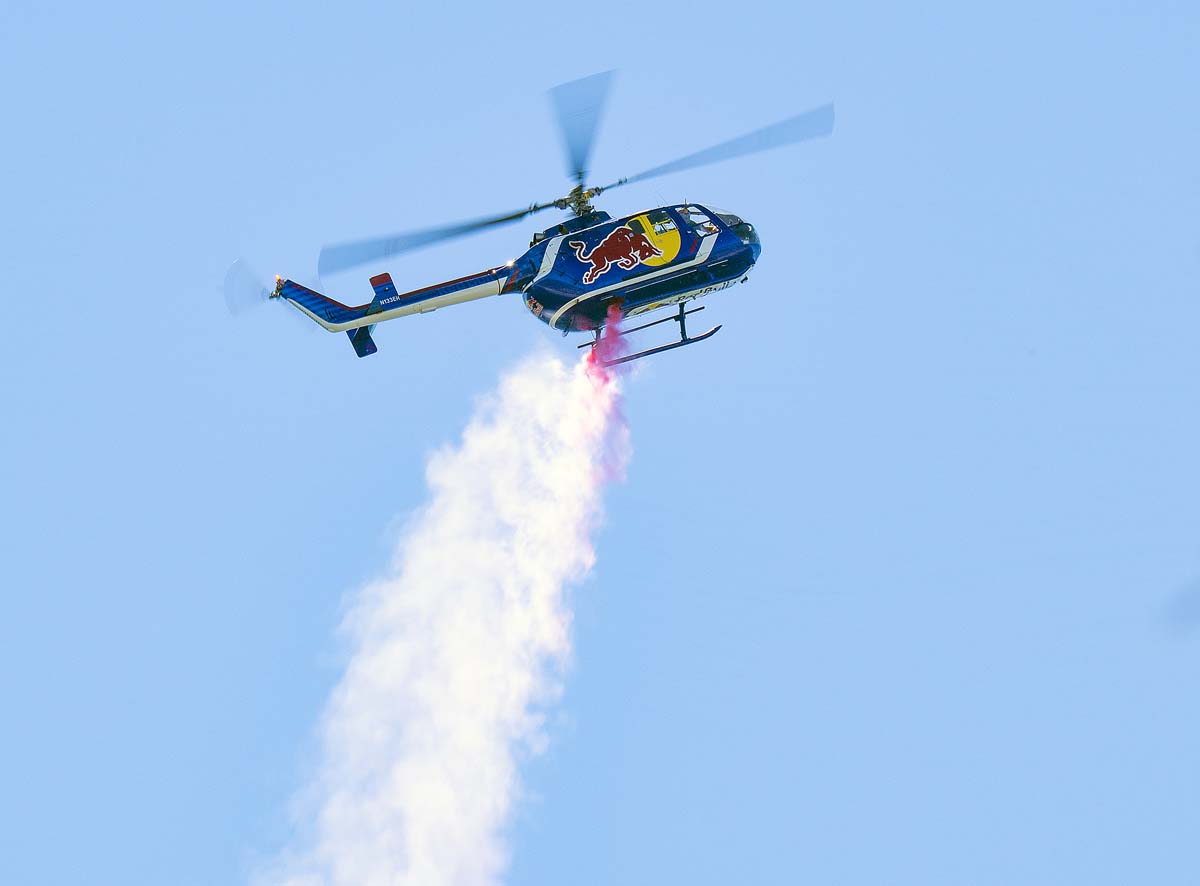
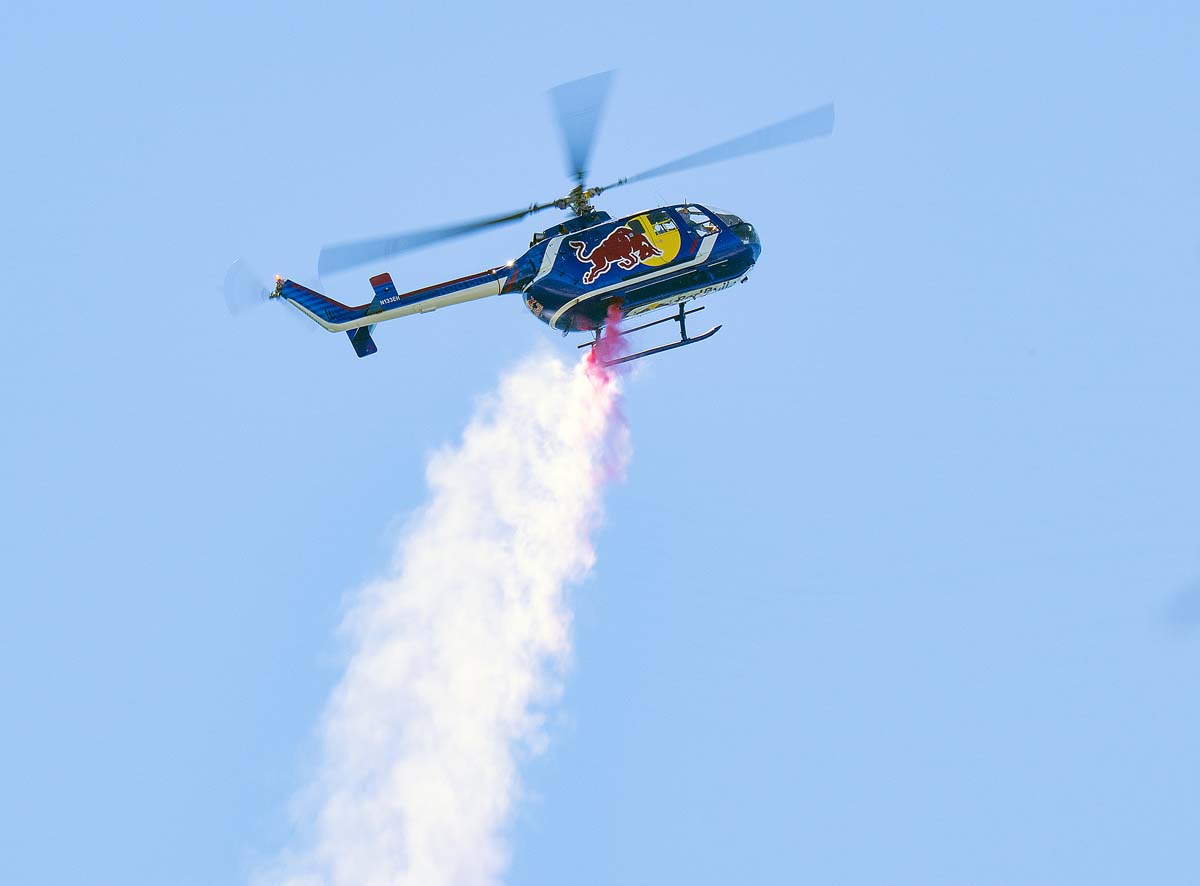
The Red Bull Air Force
Over the course of a decade, the Pacific Airshow has created something distinctive. The Pacific Airshow has become more than a flying display, the NXTGN STEM LAB sees approximately 6,000 students visiting throughout the course of the airshow. Pacific Airshow director Kevin Elliott has grown the Pacific Airshow to be one of the best and most popular airshows in the world. Stay tuned for what he has in store for 2027.