TITLE PHOTO:8064
Story and photos by Scott Jankowski except where noted
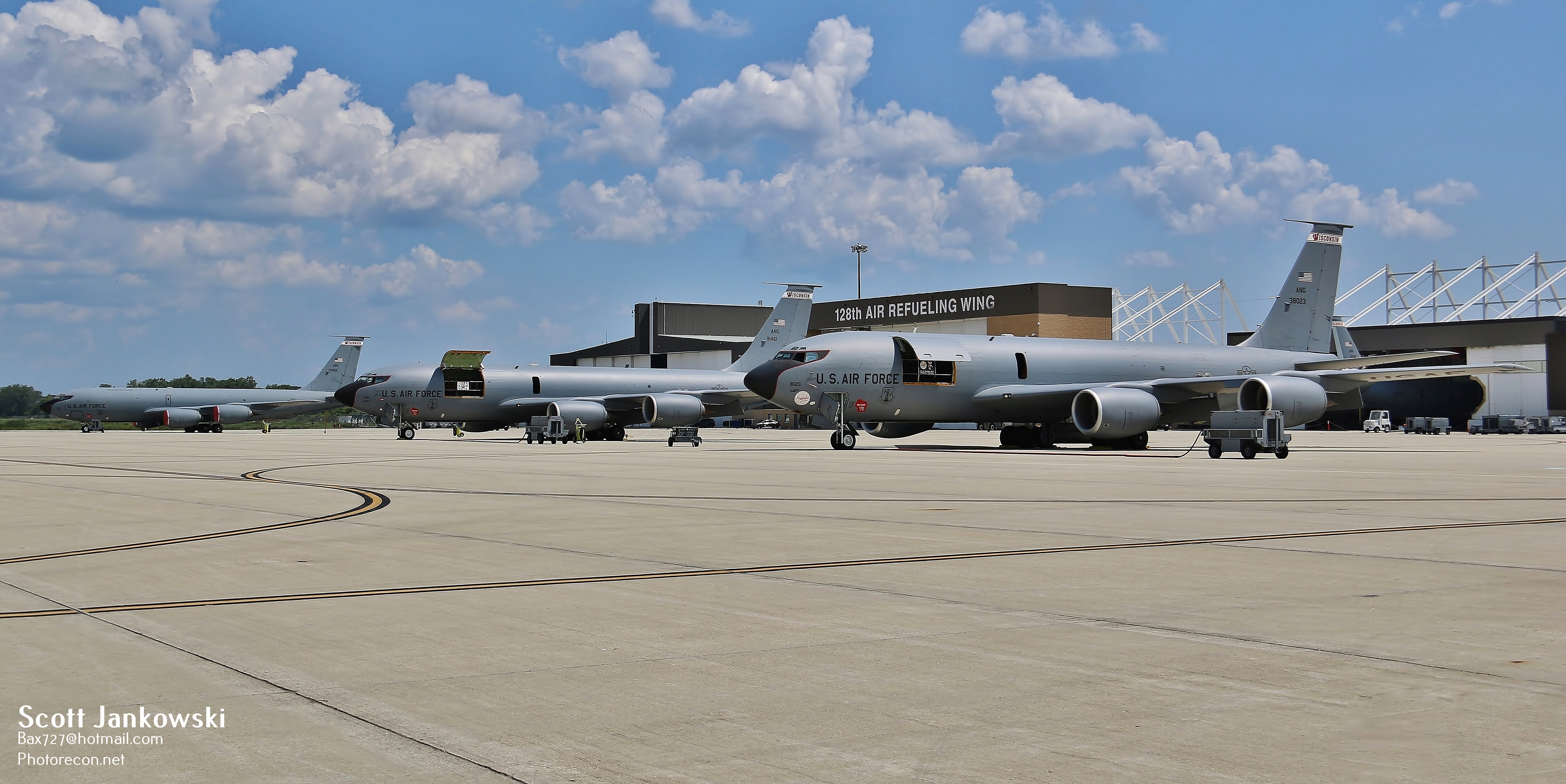
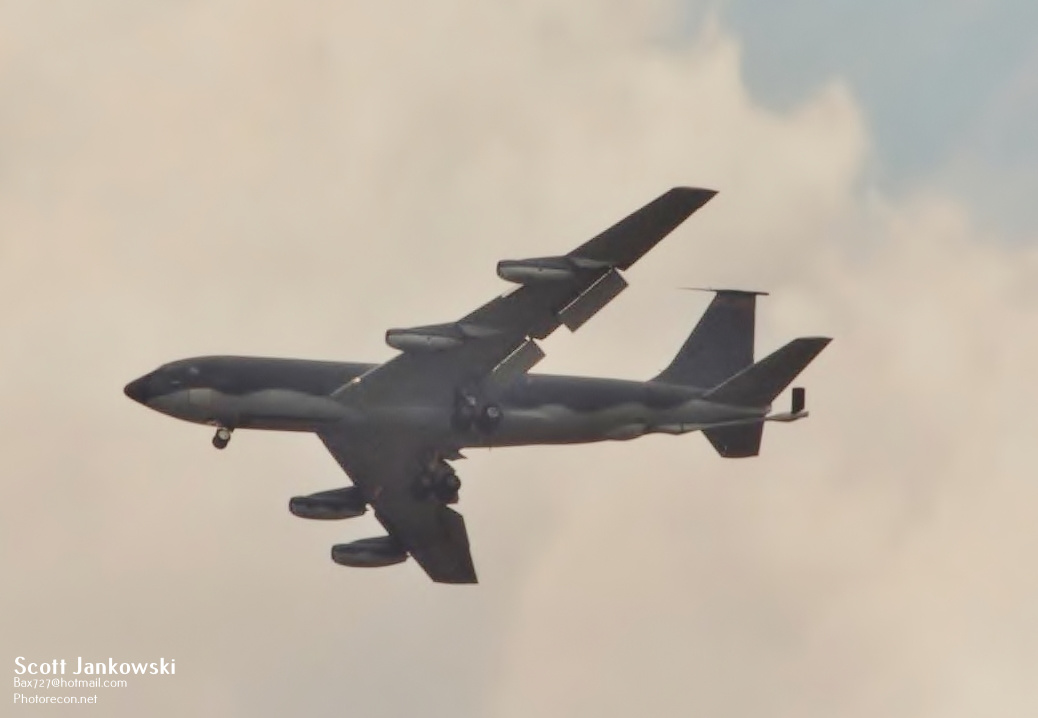
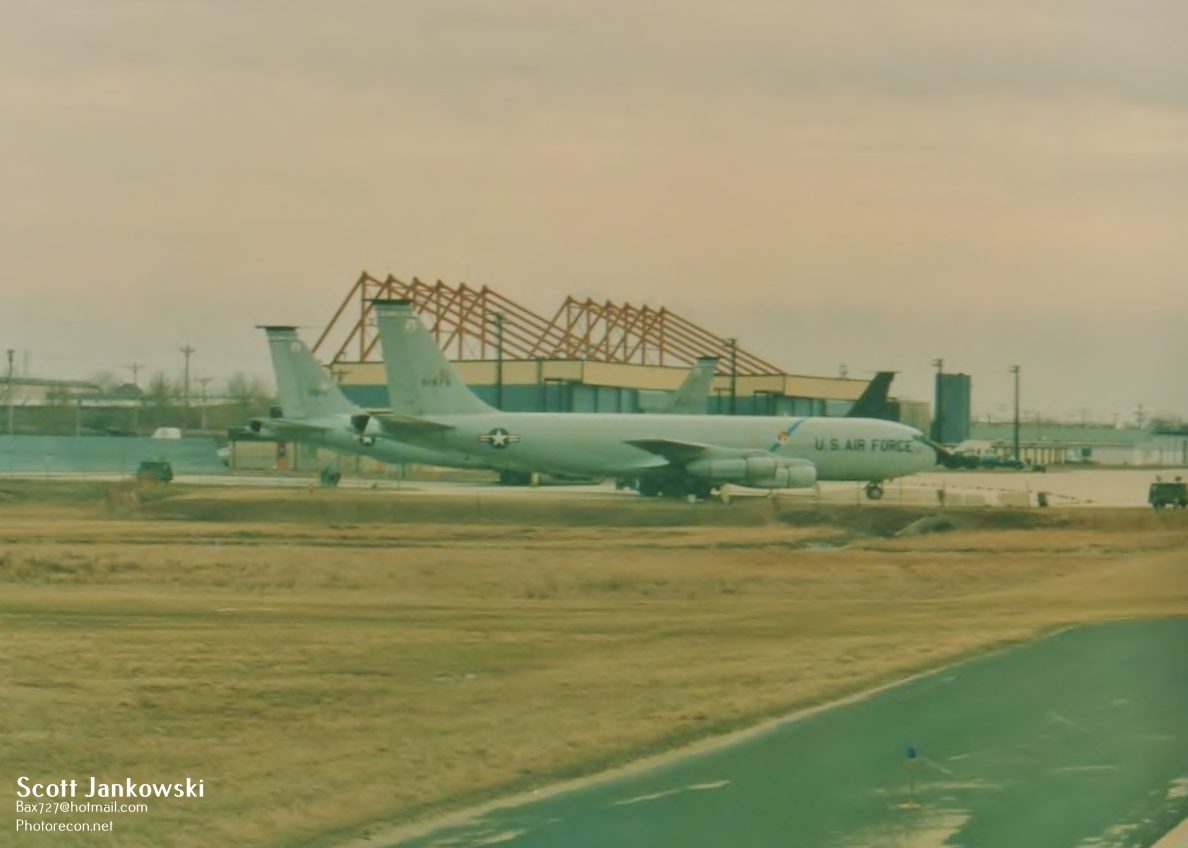
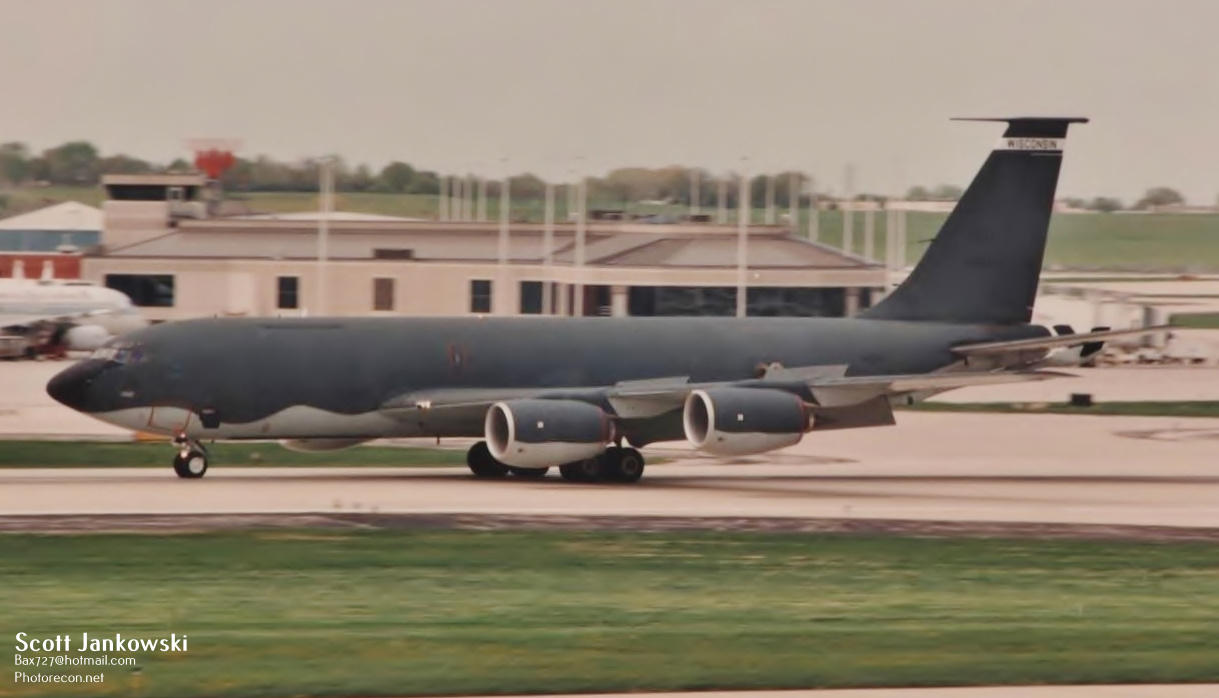
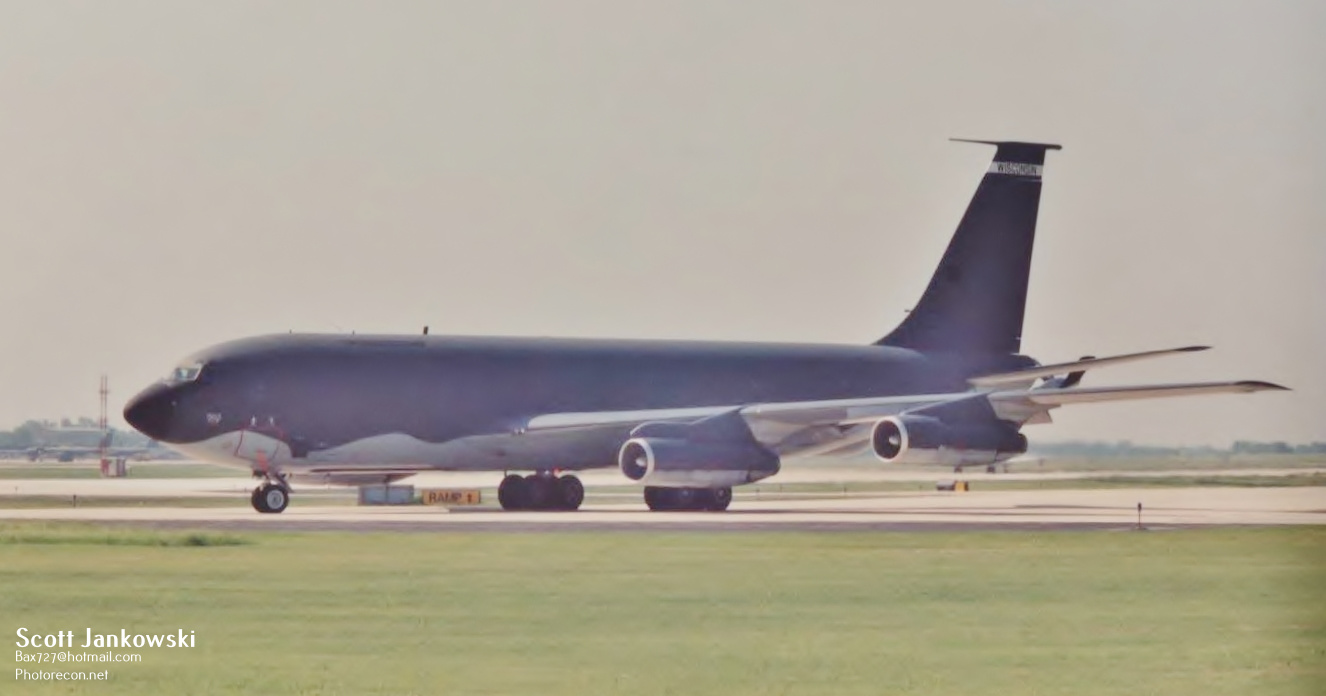
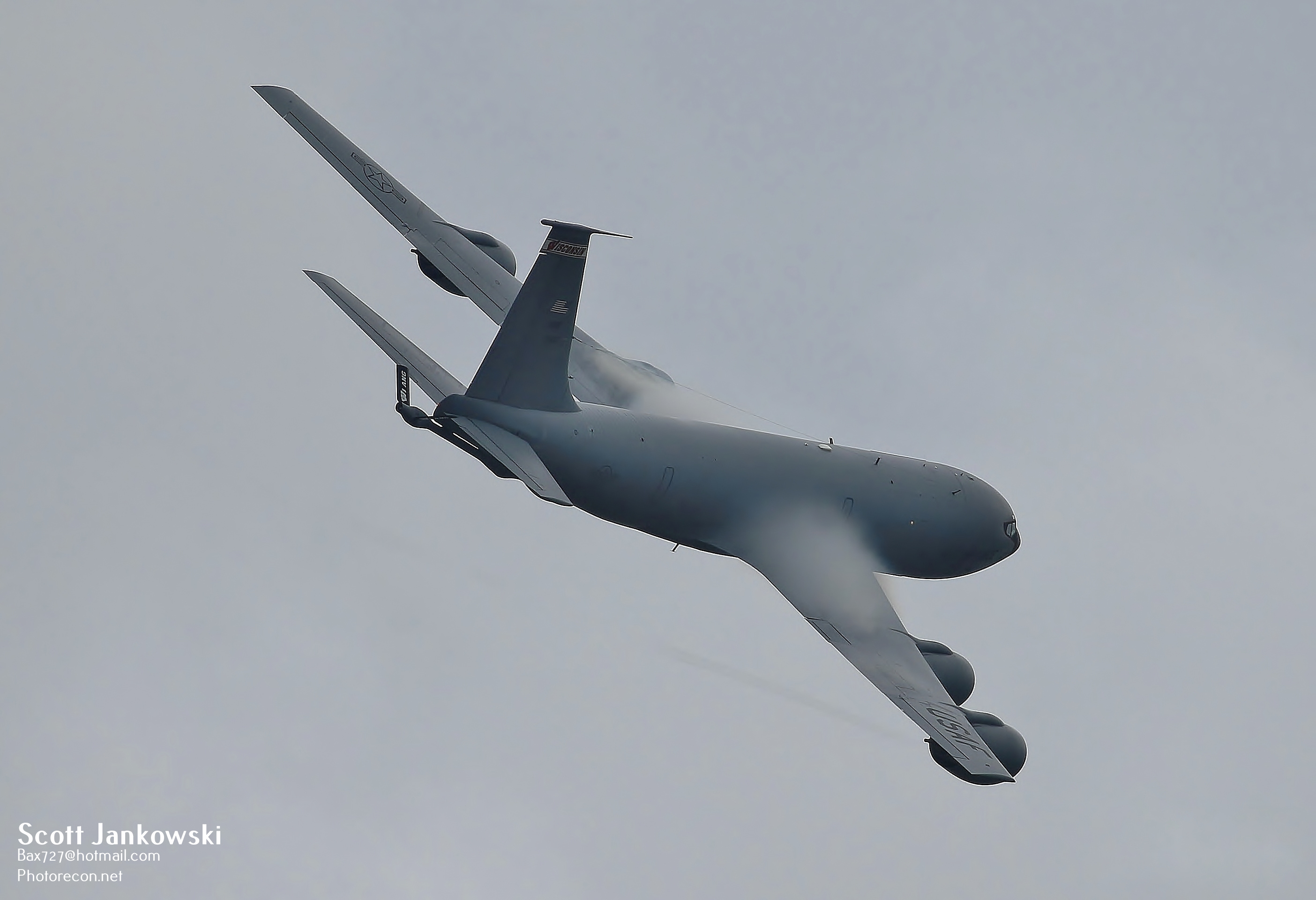
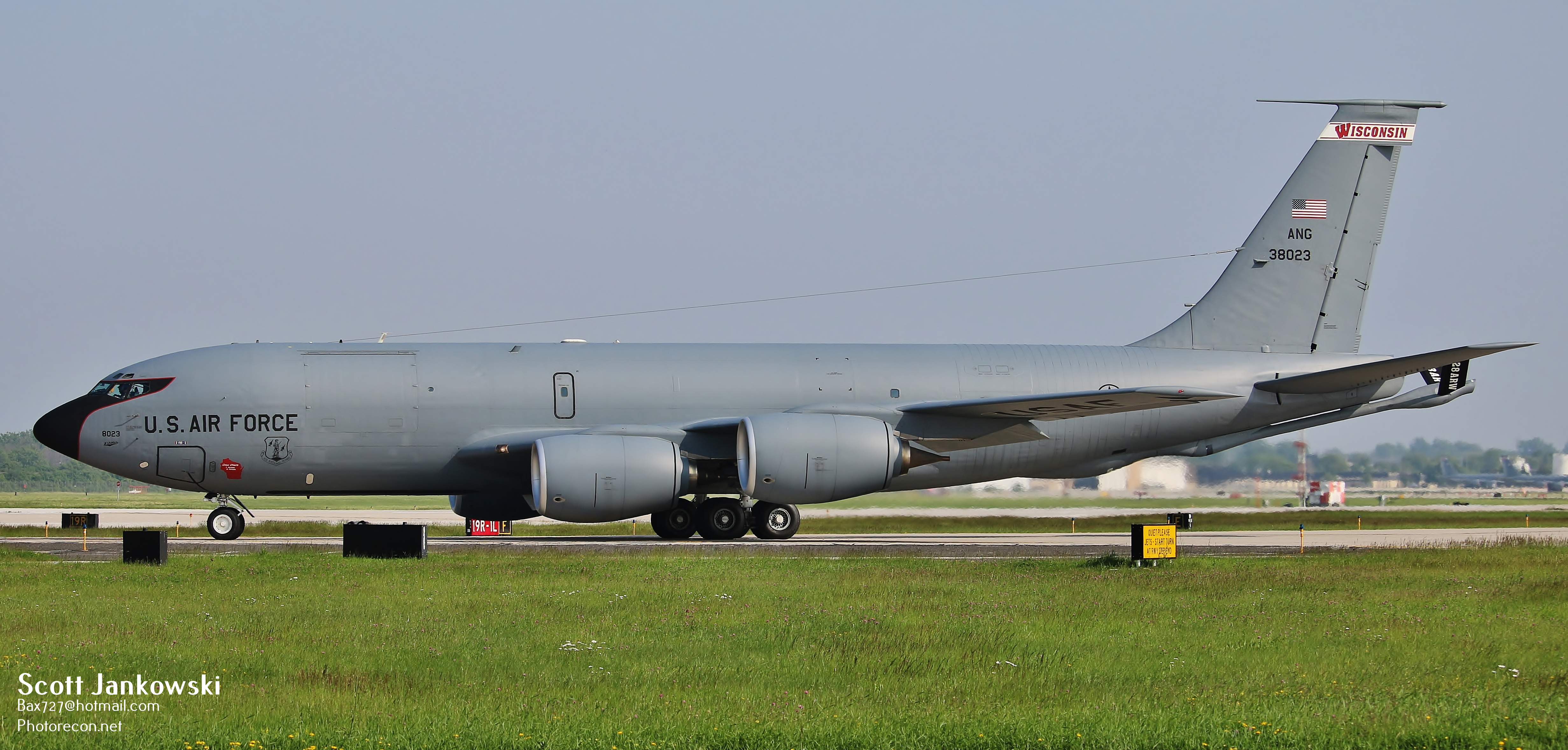
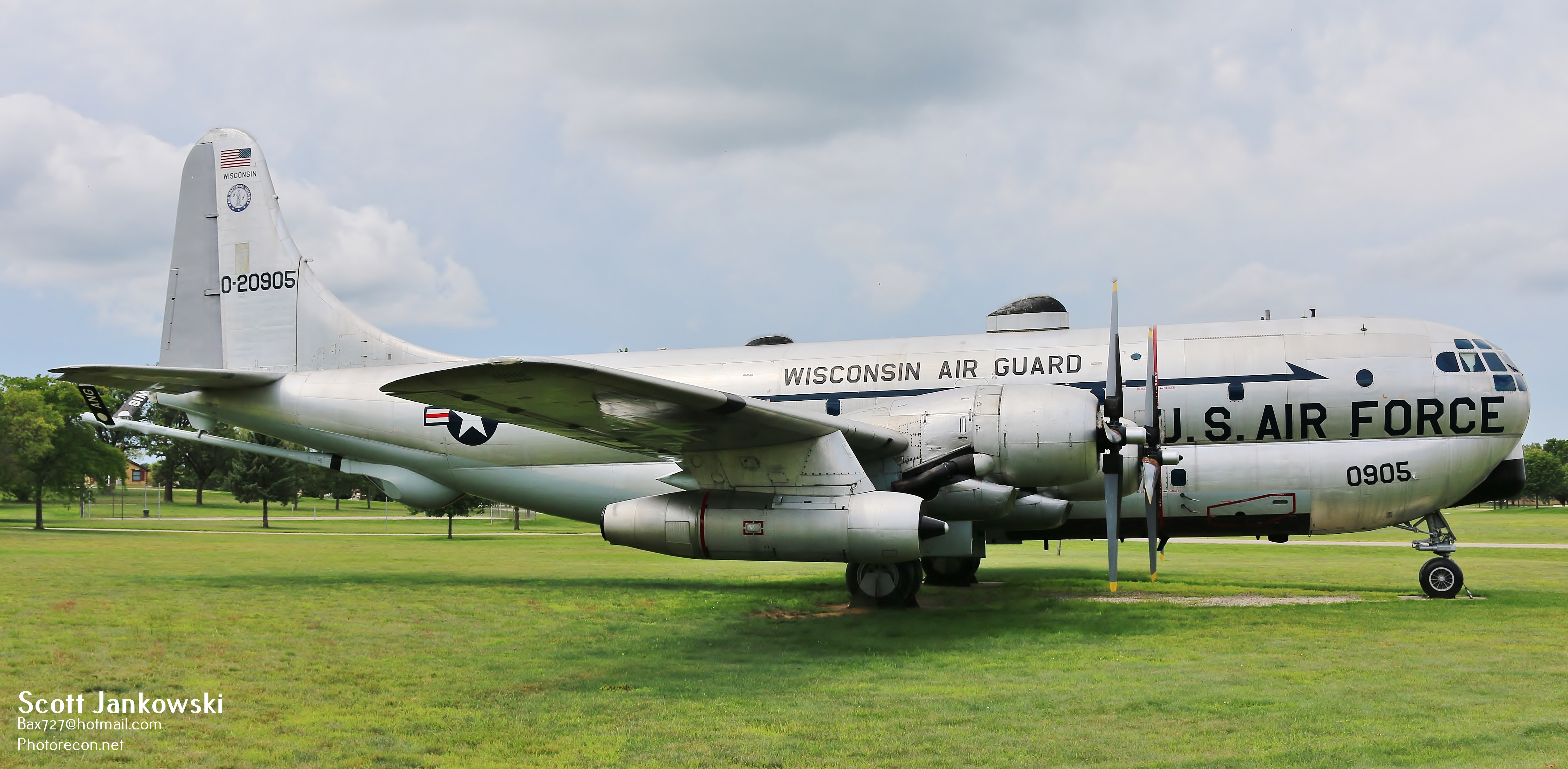
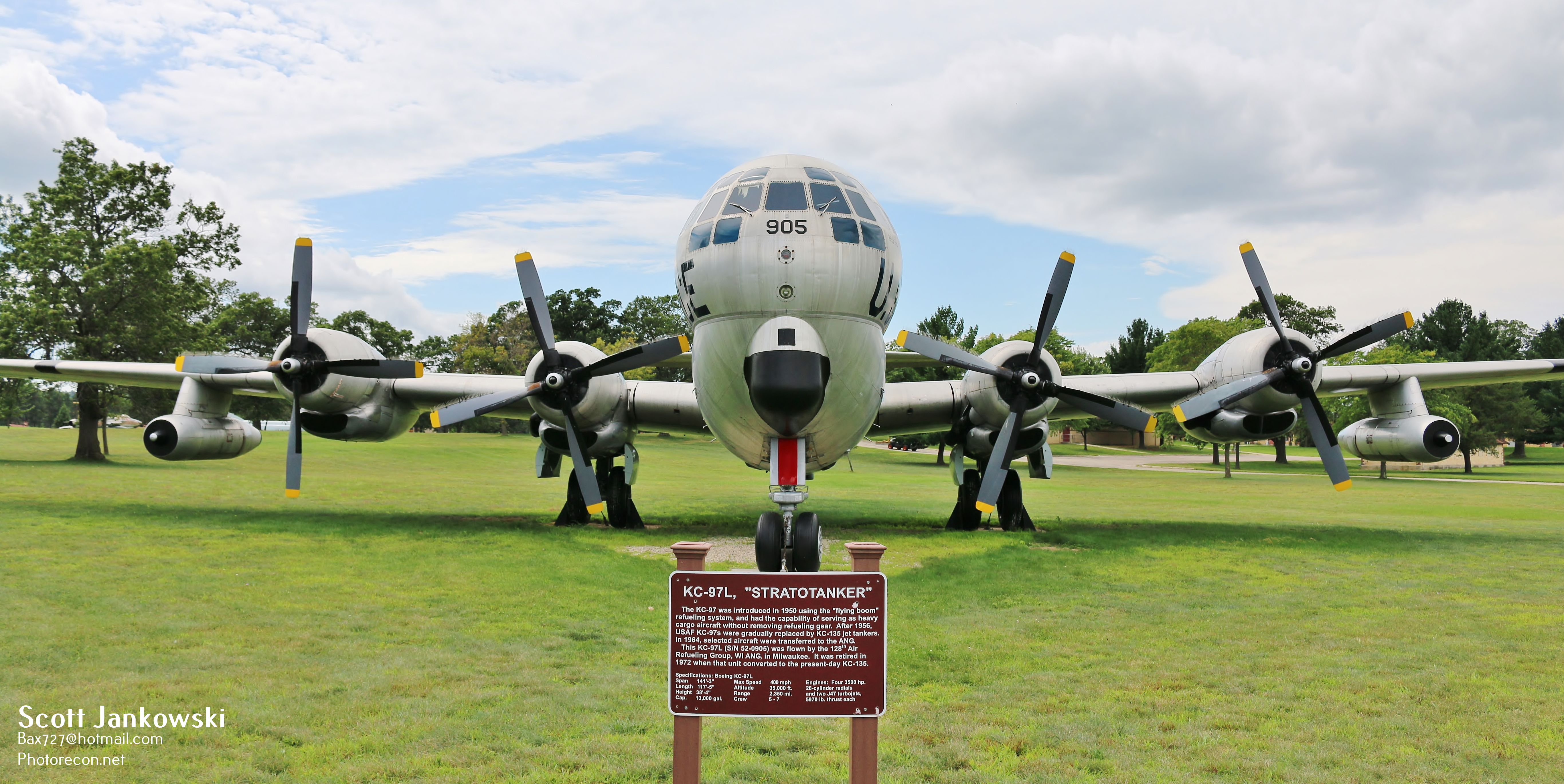
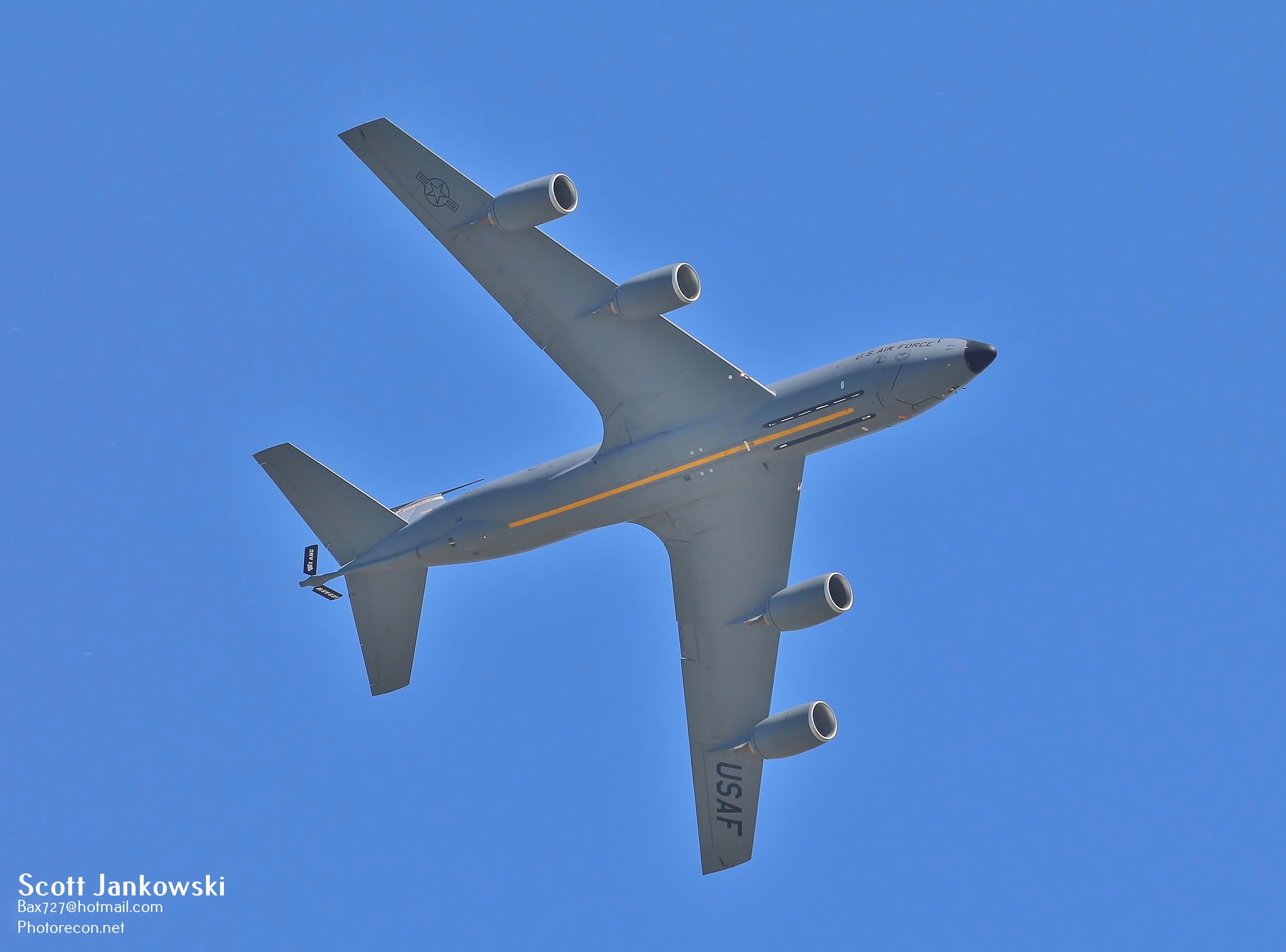
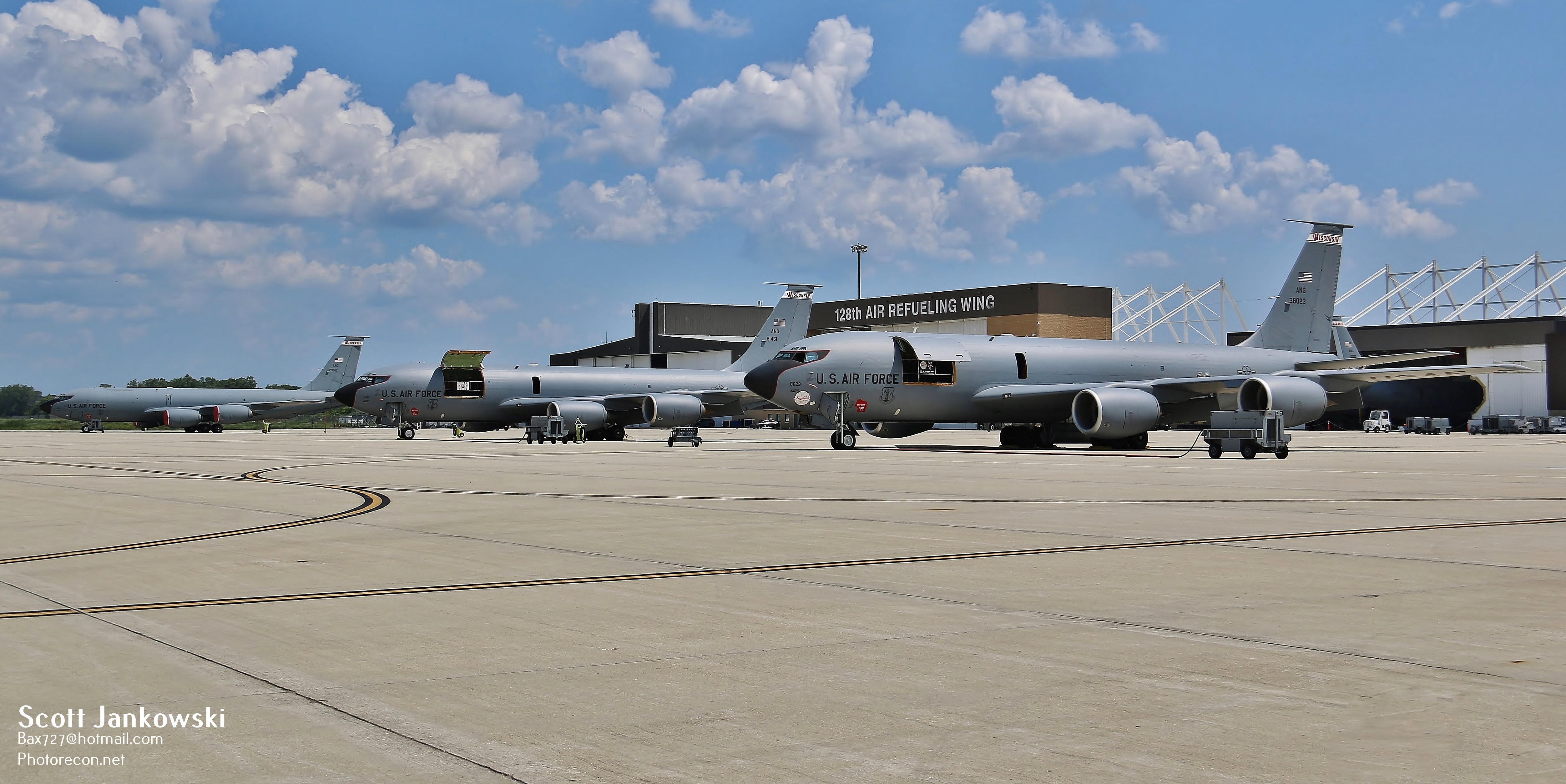
The 128th Air Refueling Wing has operated the Boeing KC-135 Stratotanker since 1977 after operating another Boeing product the KC-97L Stratofreighter from 1965 to 1977. The unit would convert to the KC-135A Stratotanker and operate that model until 1983, they would go on to operate the KC-135E Stratotanker from 1983 to 1992. They would receive the KC-135 Stratotanker in 1991 and has operated since. The 128th Air Refueling Wing has used their KC-135R’s in such modern-day conflicts as Operation Desert Shield, Operation Desert Storm, Operation Decisive Endeavor, Operation Enduring Freedom, Operation Iraqi Freedom and at the time of the writing of this article the men and women are participating in Operation Epic Fury with the wing deployed overseas. In part two of my article, we pick up the events leading up to our rendezvous with “Java 31” and our return to Milwaukee.
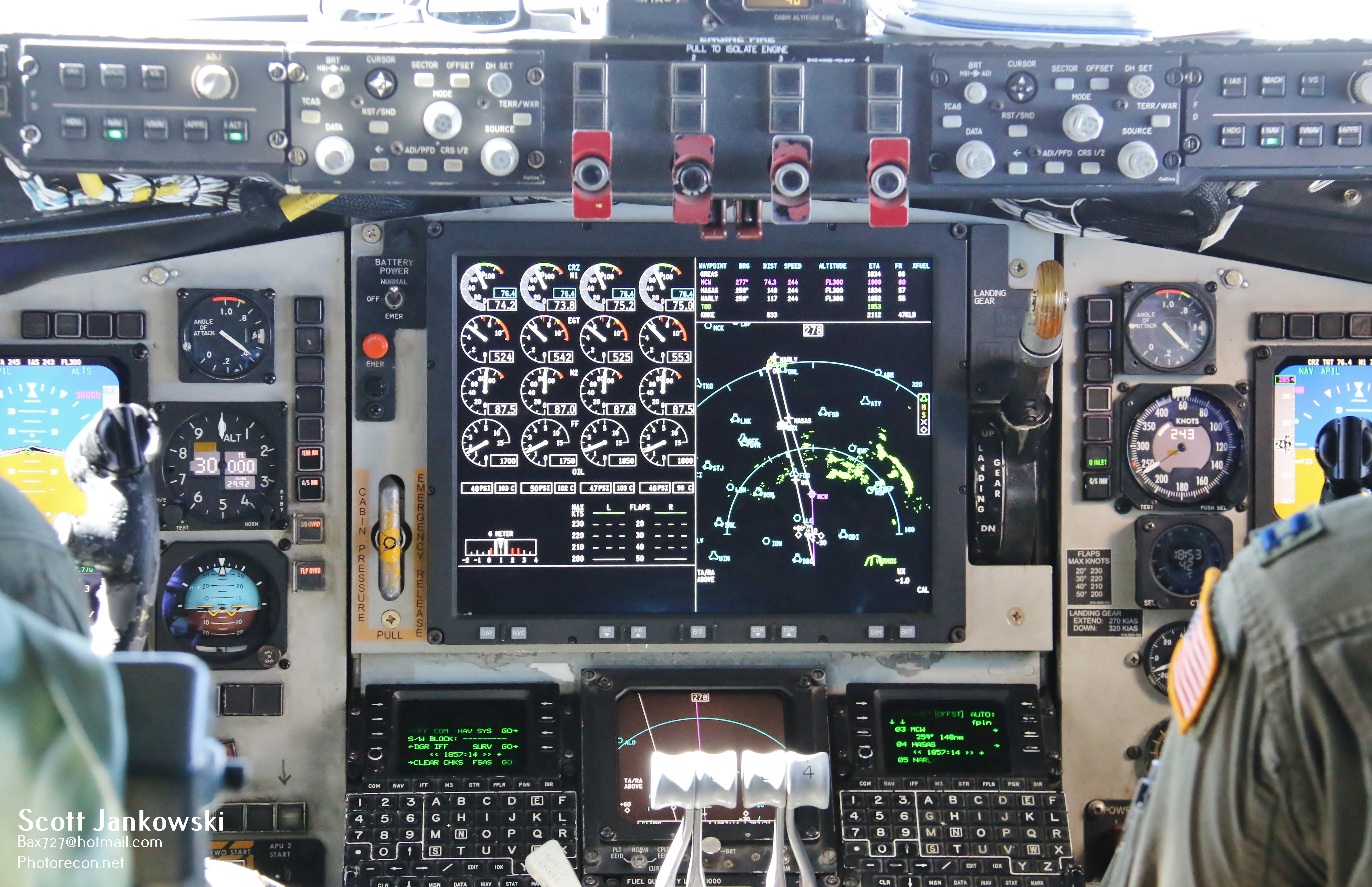
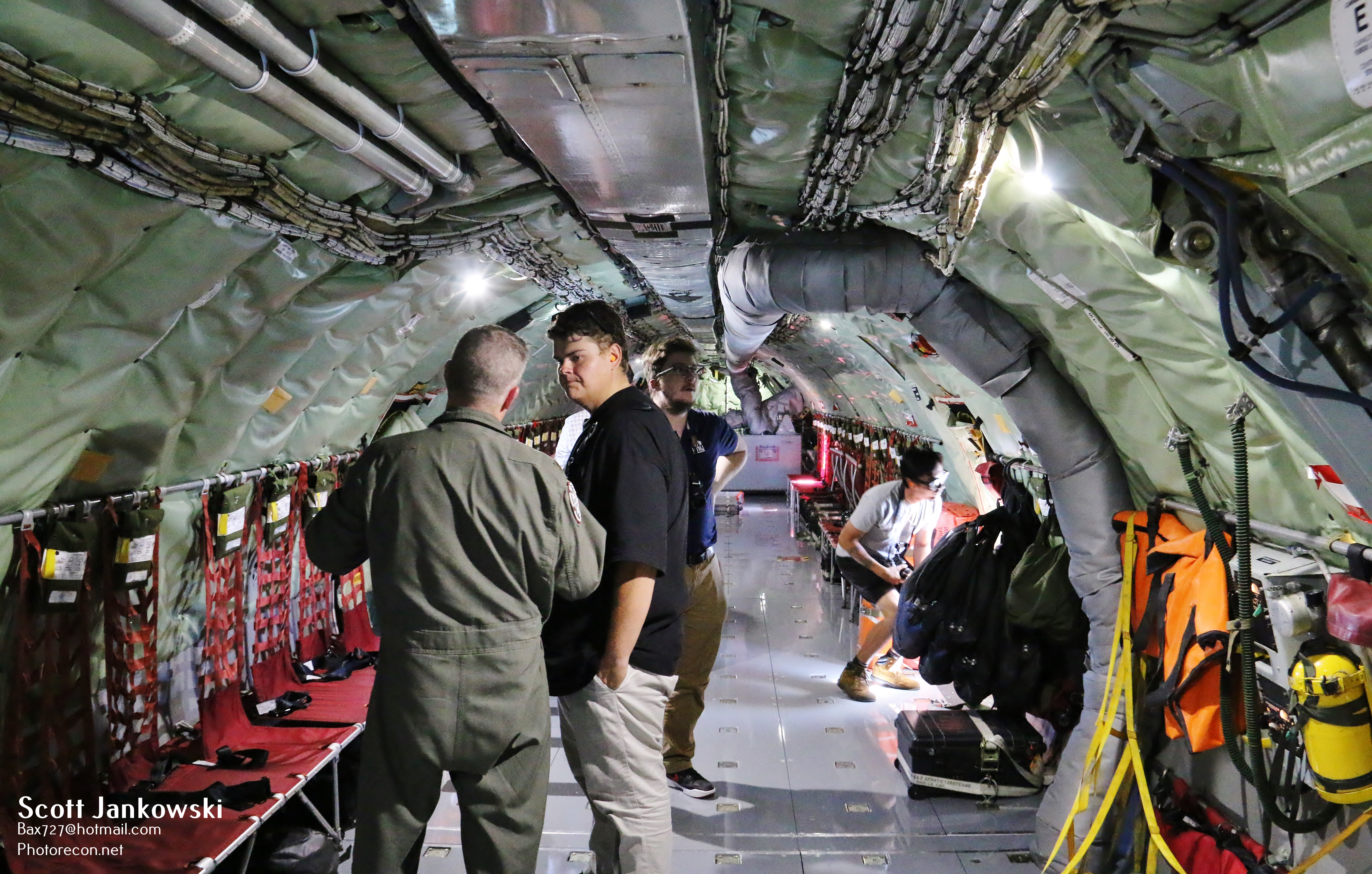
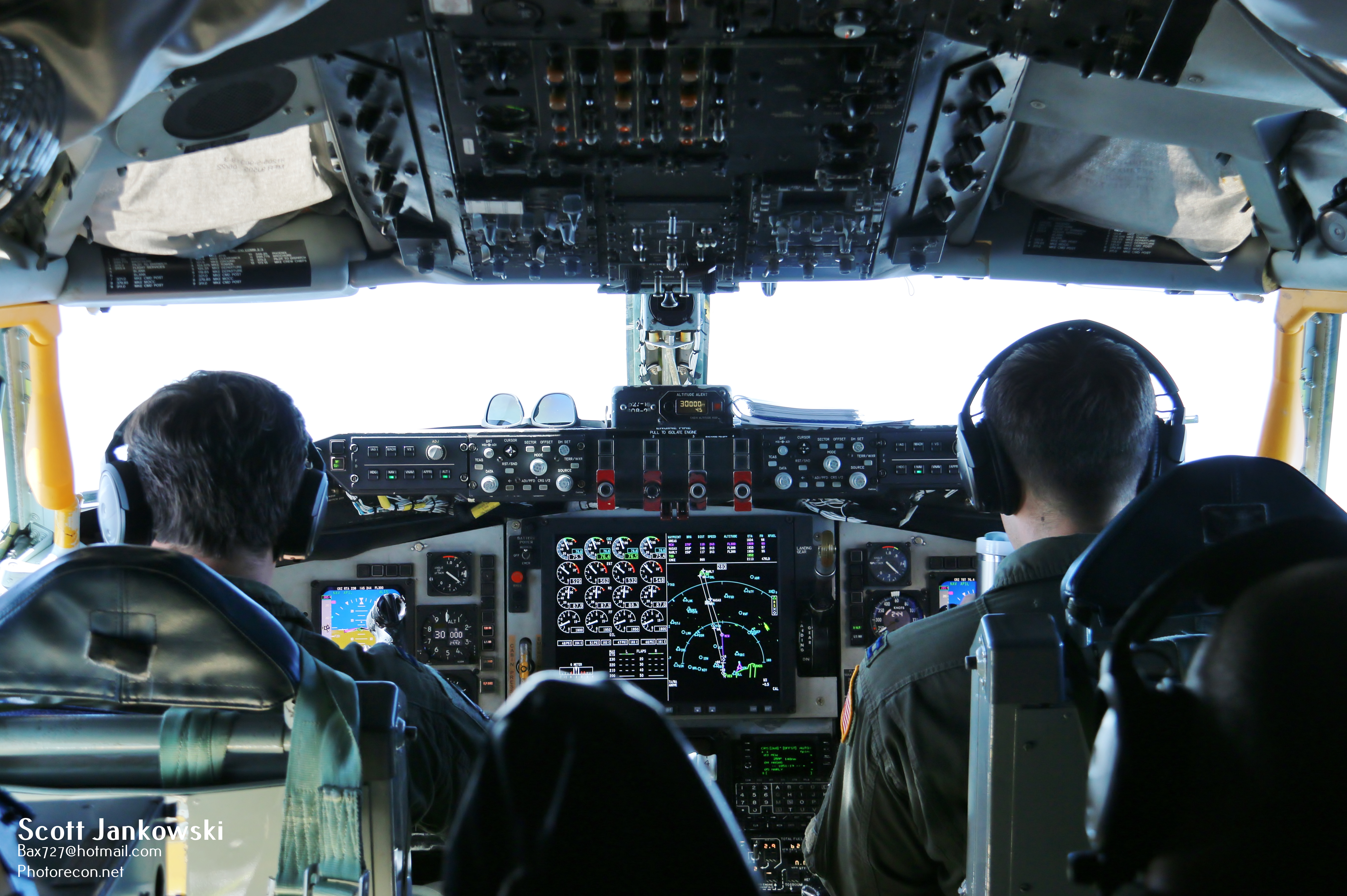
We had approximately an hour or so of flying time, at an average speed of 430 Miles Per Hour before our rendezvous we were allowed to walk around the aircraft and visit the flight deck. The typical crew on a Boeing KC-135R is three, an aircraft commander/pilot, copilot, and boom operator. The cockpit of our tanker was modernized as part of the Pacer CRAG (Compass, Radar and GPS) program. All operational KC-135’s were modernized and upgraded between 1996-2002. The main elements of this program are An FDS (Flight Display System), an FMS (Flight Management System), a color weather radar, and a GPS satellite navigation system. Additional modifications and enhancements included the block 40.6 modification which brings the KC-135 into compliance with GATM (Global Air-Traffic Management) requirements. This is concept for satellite-based Communication, navigation and surveillance, and air traffic management. The most current update is the block 45 program which saw the old analog instrumentation replaced with a glass cockpit concept, all of the old analog instruments were replaced with LCD’s (Liquid Crystal Displays). Other upgrades included a digital display for engine instrumentation, a modernized autopilot, digital flight director, a new radar altimeter, and more. These upgrades will extend the operational life of the KC-135R well into the 2040’s.
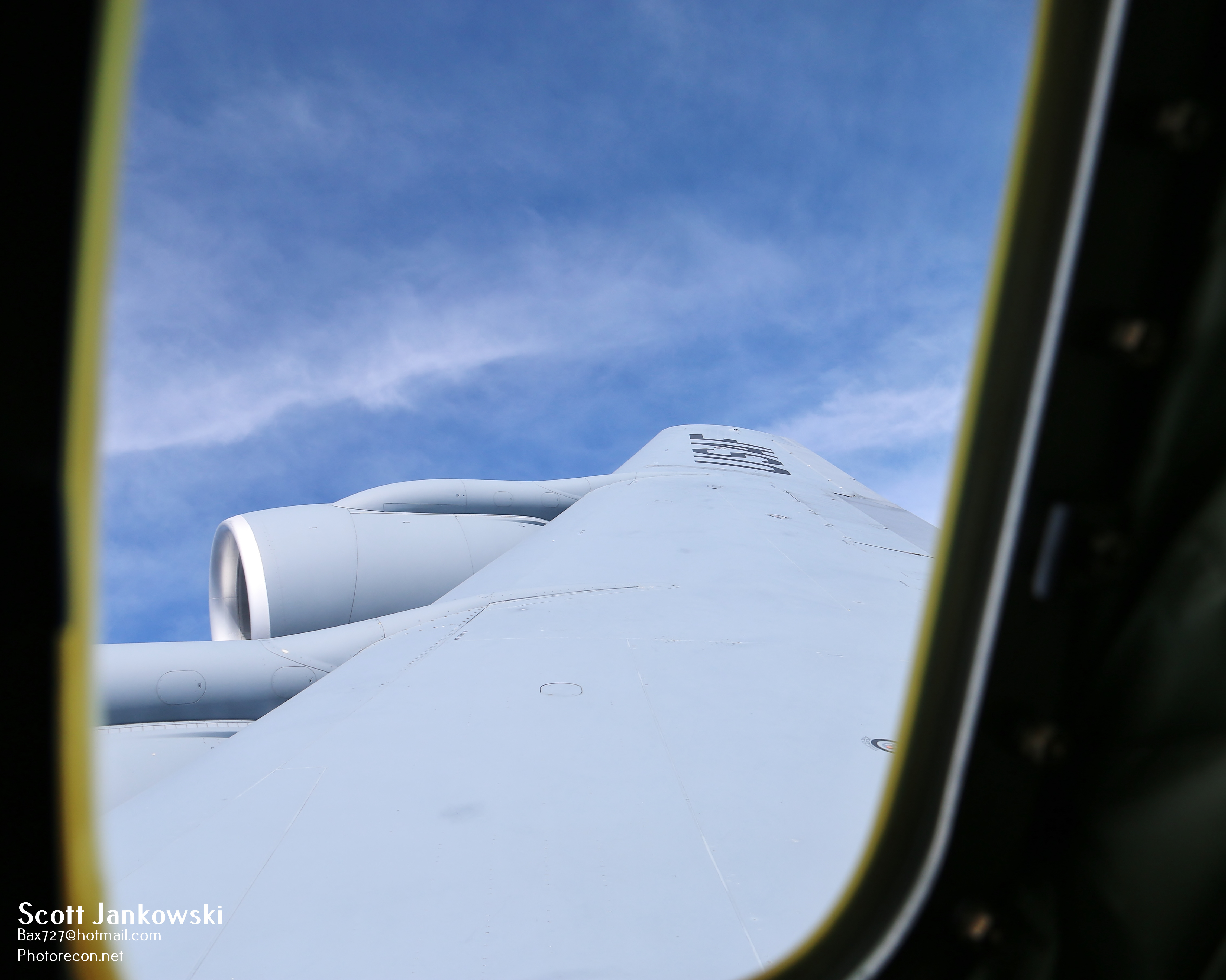
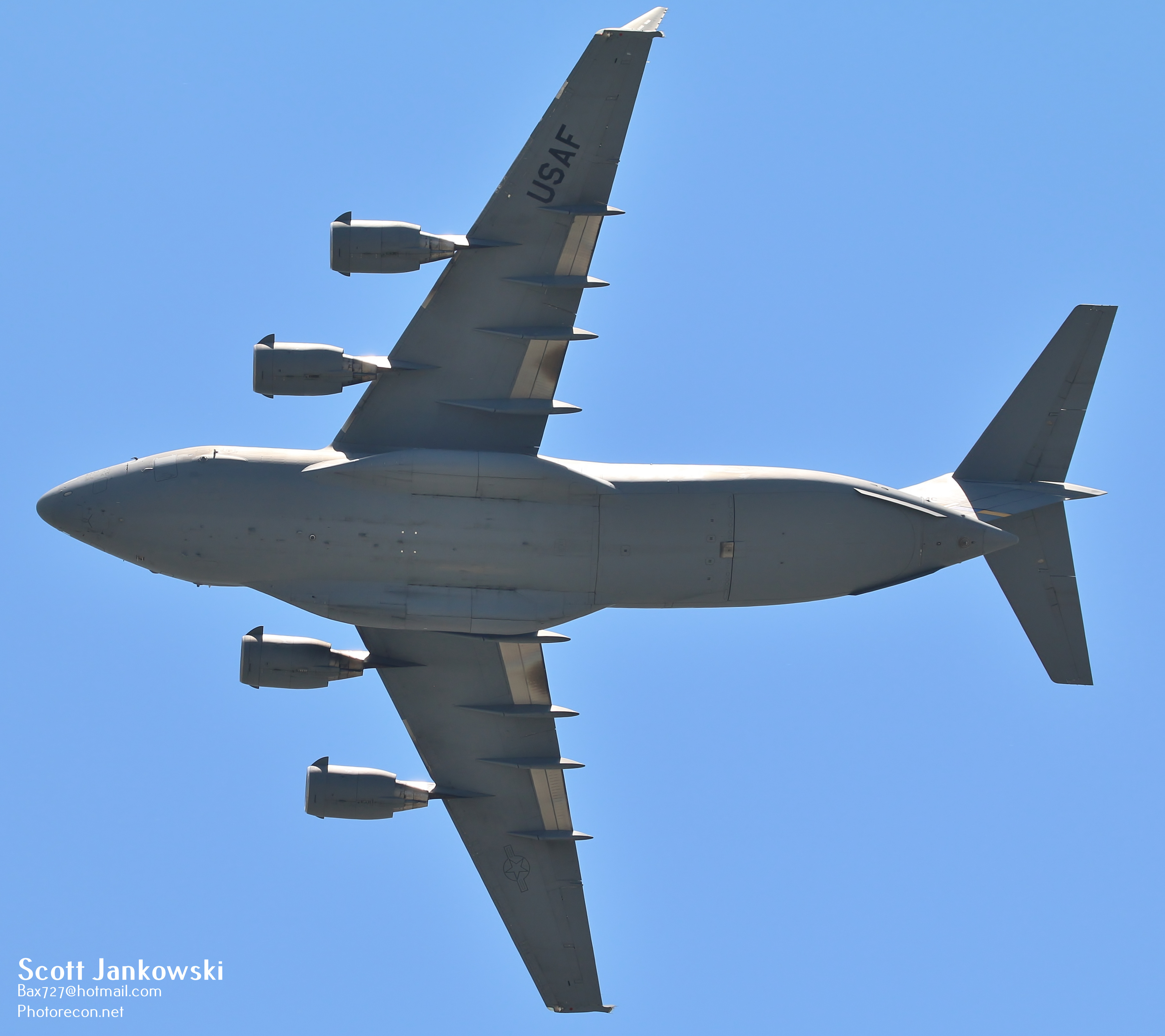
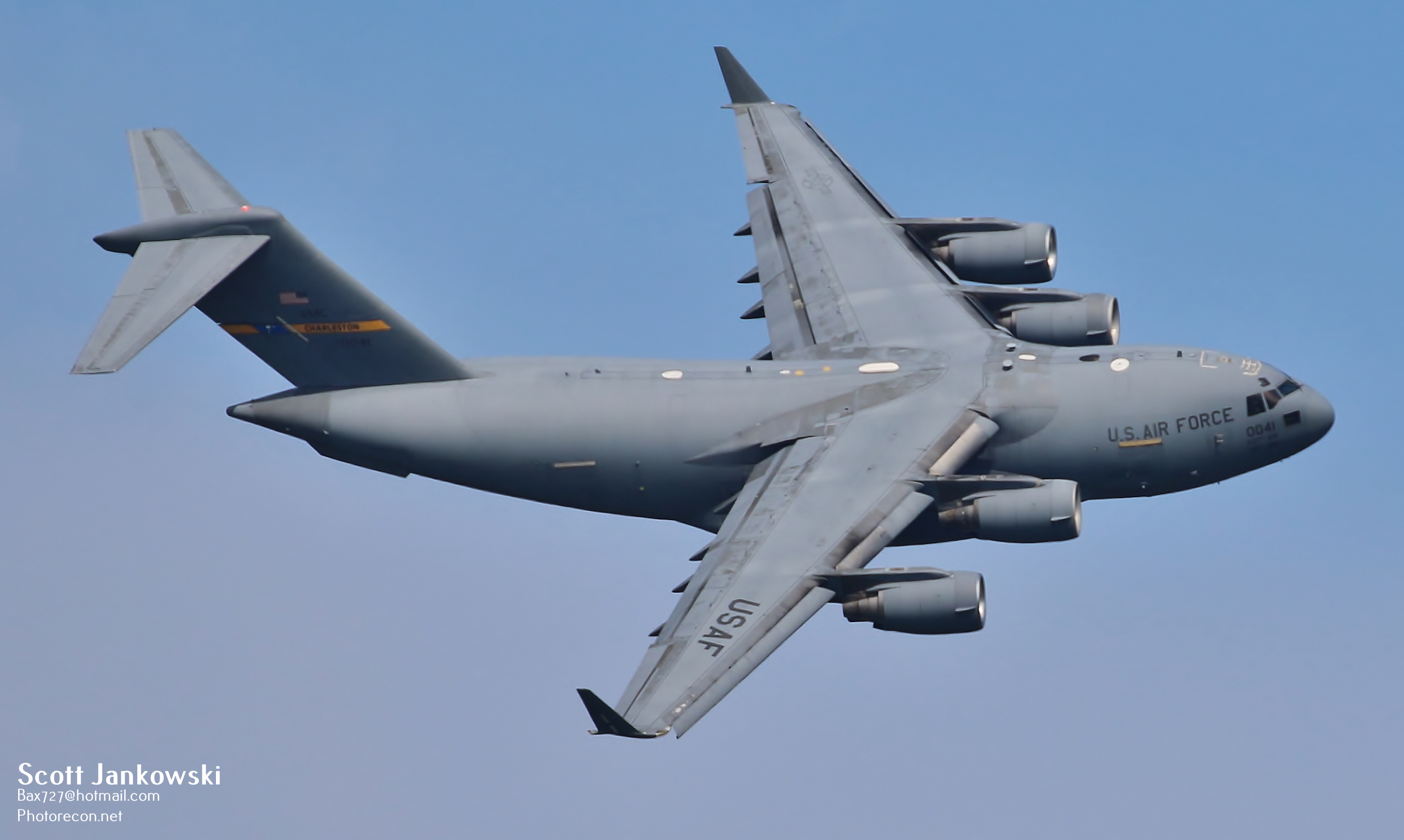
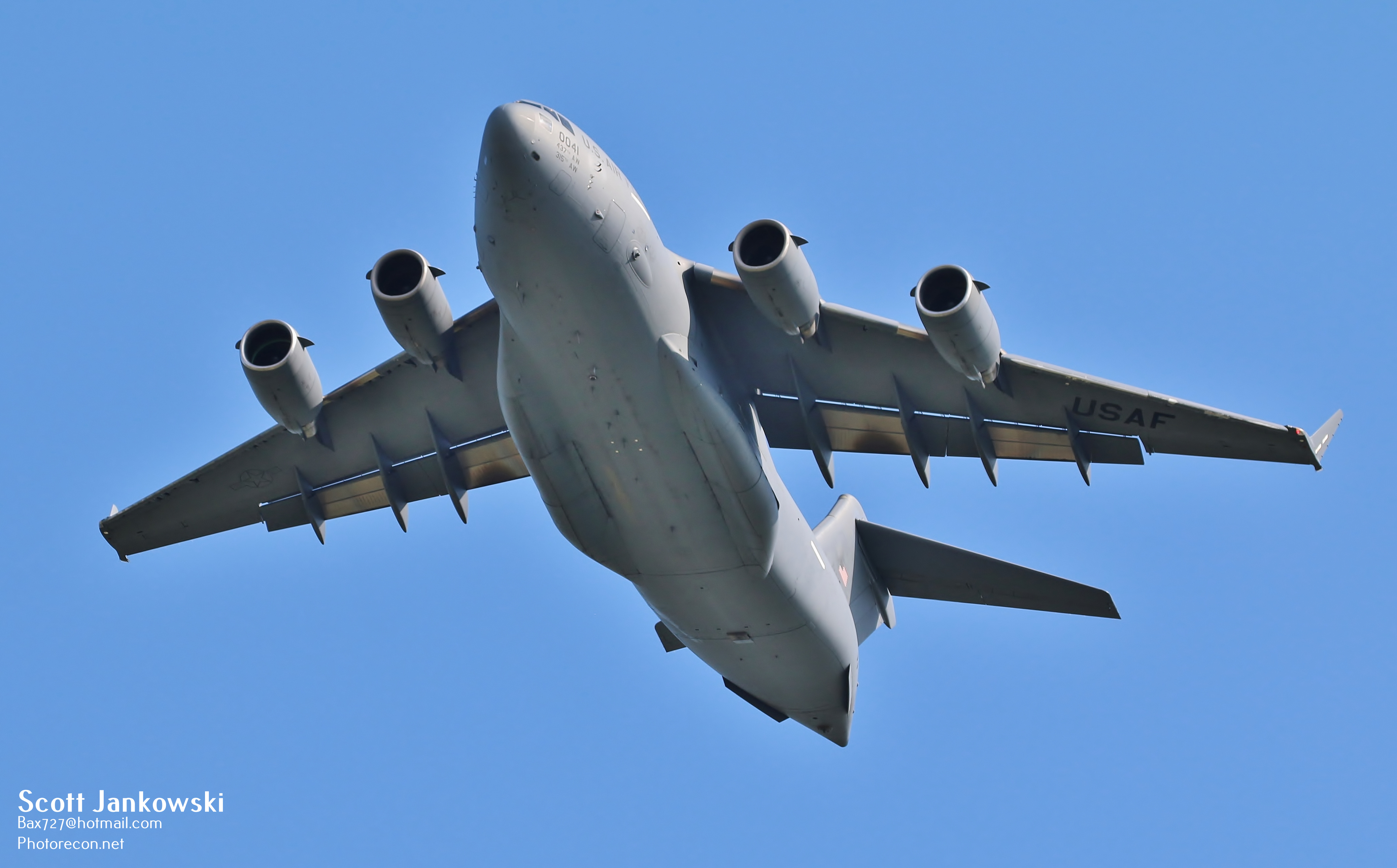
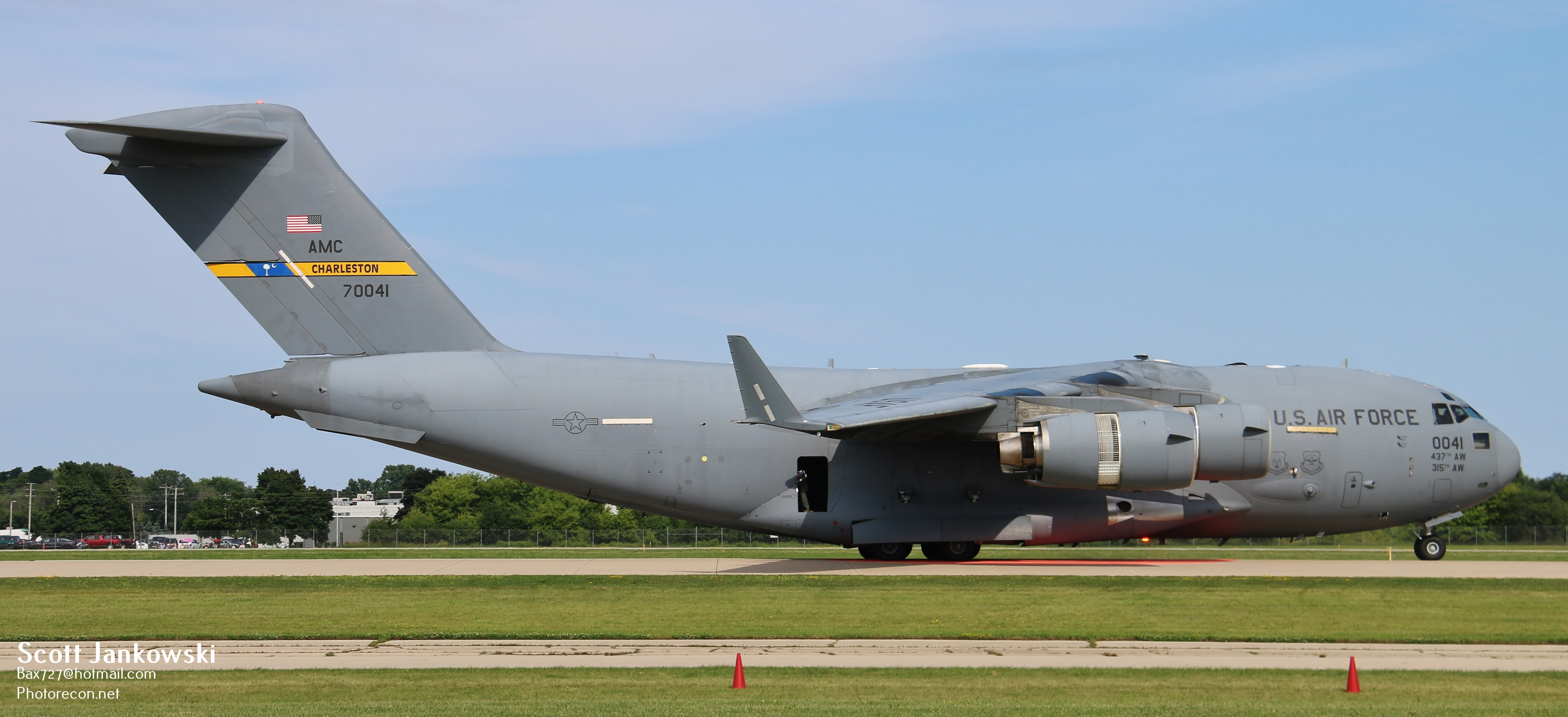
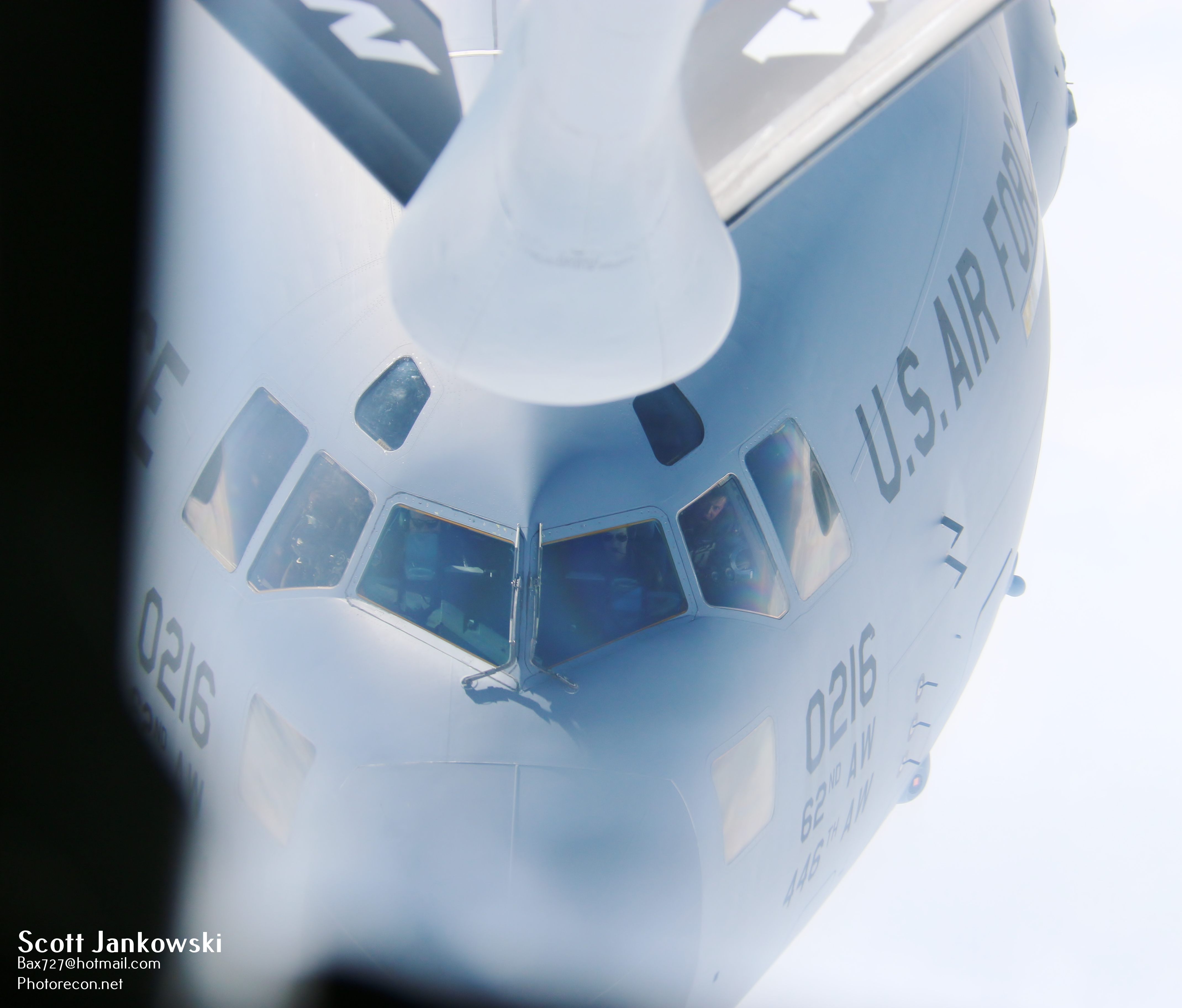
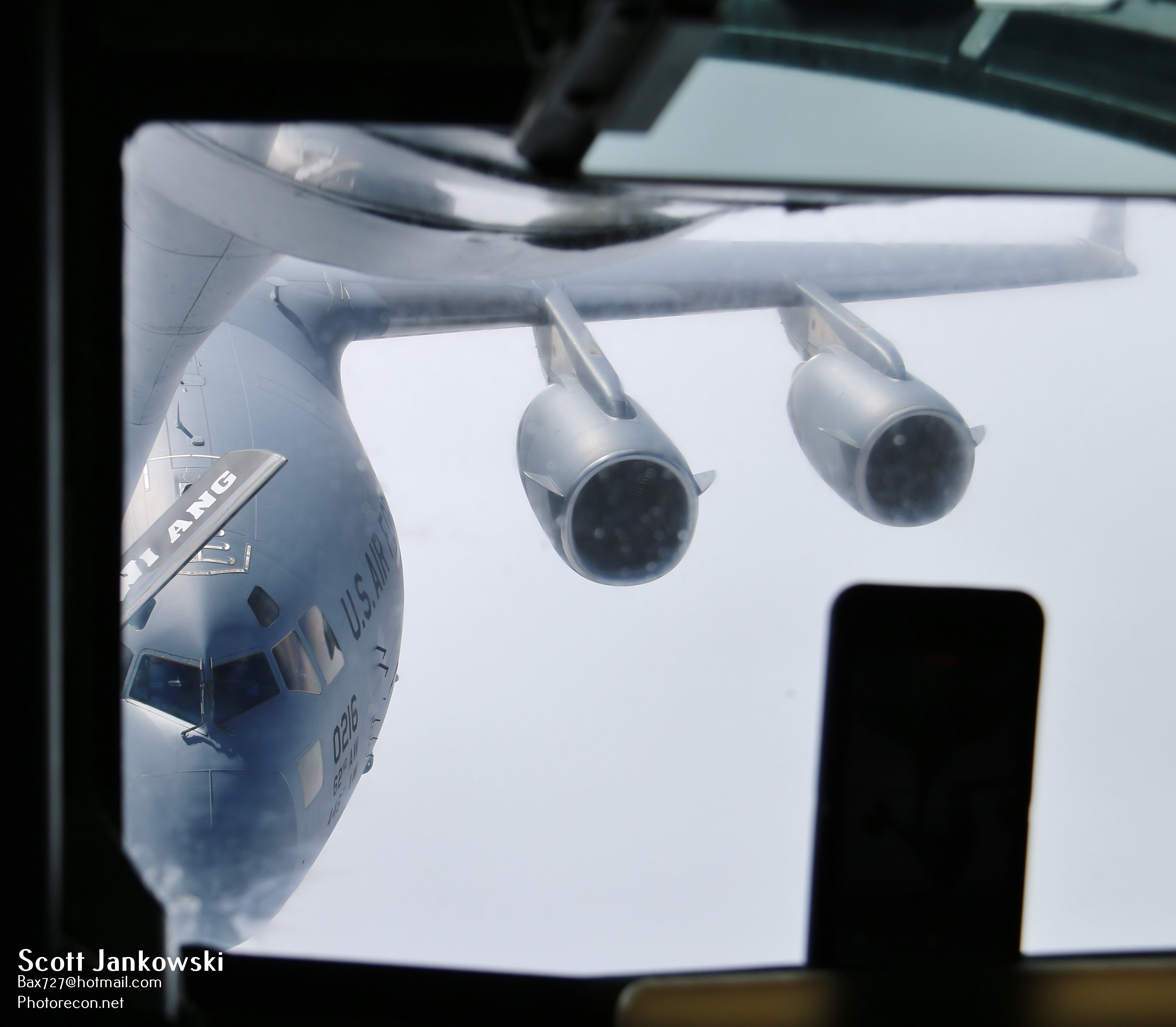
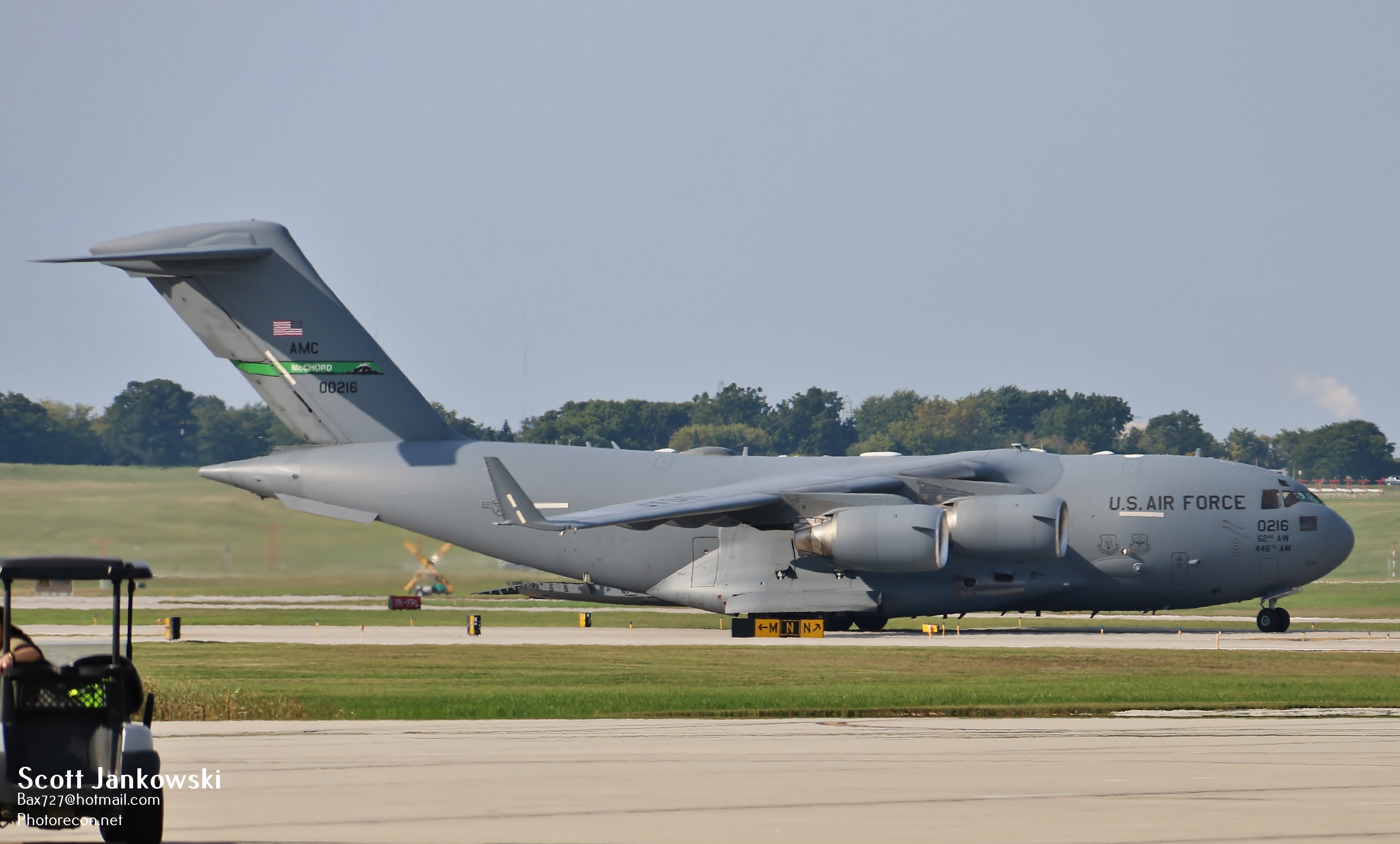
The aircraft we were going to rendezvous with is a Boeing C-17AGlobemaster III assigned to the 446th Airlift Wing, which is an associate unit of the 62d Airlift Wing, and located at Joint Base Lewis-McChord Air Force Base Washington. The 446th has flown the C-17A since 1999 while the C-17A itself first entered service in 1995. The 446th Airlift Wing is part of the United States Air Force Reserve and was formed in 1955.The C-17 performs tactical and strategic airlift missions, transporting troops and cargo worldwide with additional roles including medical evacuation and airdrop missions. It has a crew of three, Aircraft Commander/Pilot, Copilot, and Loadmaster. The C-17A can carry up to 170,000#’s of cargo, 18 pallet positions worth, 102 Paratroopers, 36-liter patients and 54 ambulatory patients in addition to the needed medical attendants. The C-17A can carry an M-1A1 Abrams Main Battle Tank or up to three Stryker Armored Vehicles. The aircraft is powered by four Pratt&Whitney PW2000 turbofan engines (the military designation being the F-117-PW-100) each producing 40,440#’s of thrust which gives the aircraft a top speed of 590 miles per hour and a range of approximately 2,780 miles with a 158,000# payload. A total of 279 C-17’s were built at the Boeing Factory located at Long Beach California.
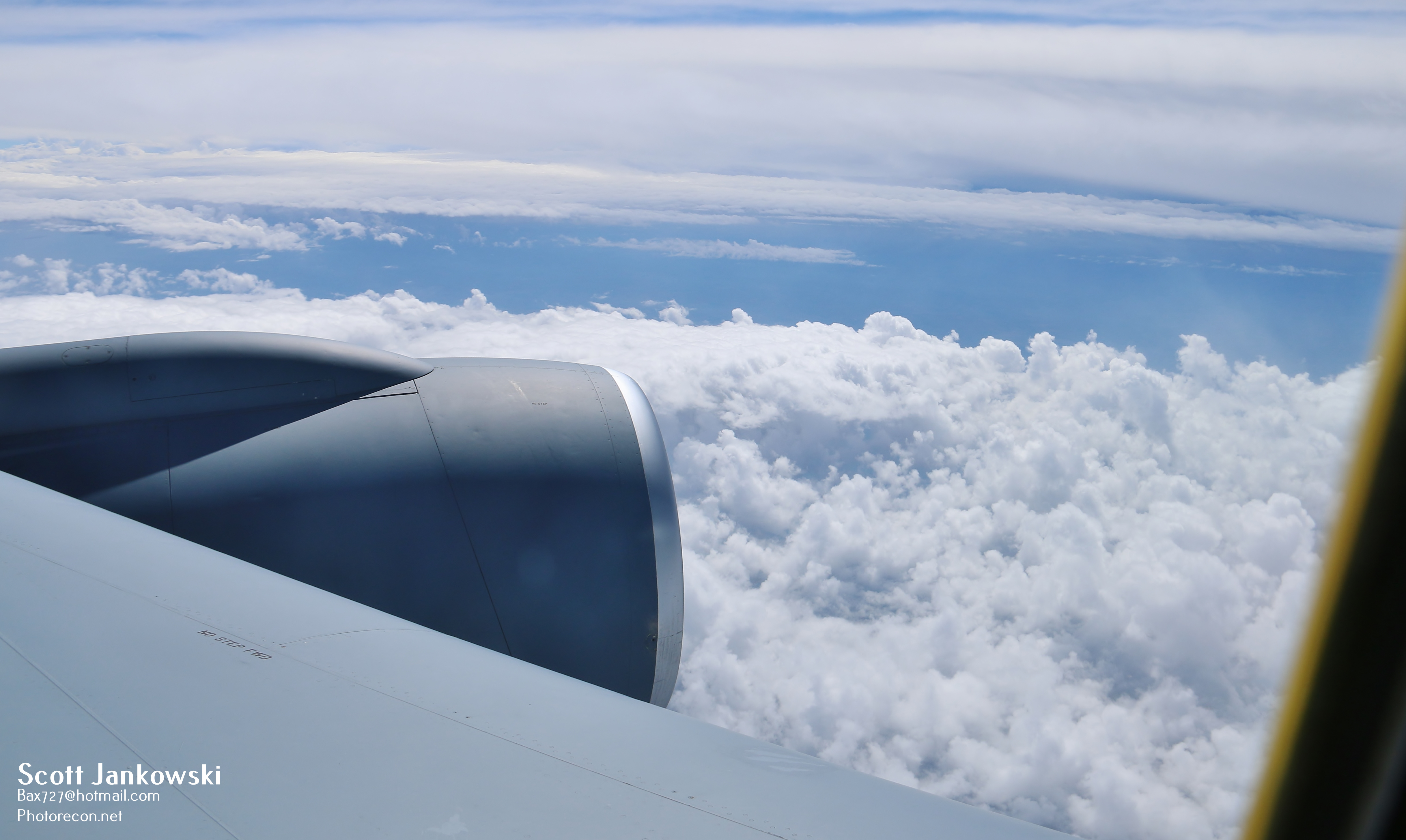
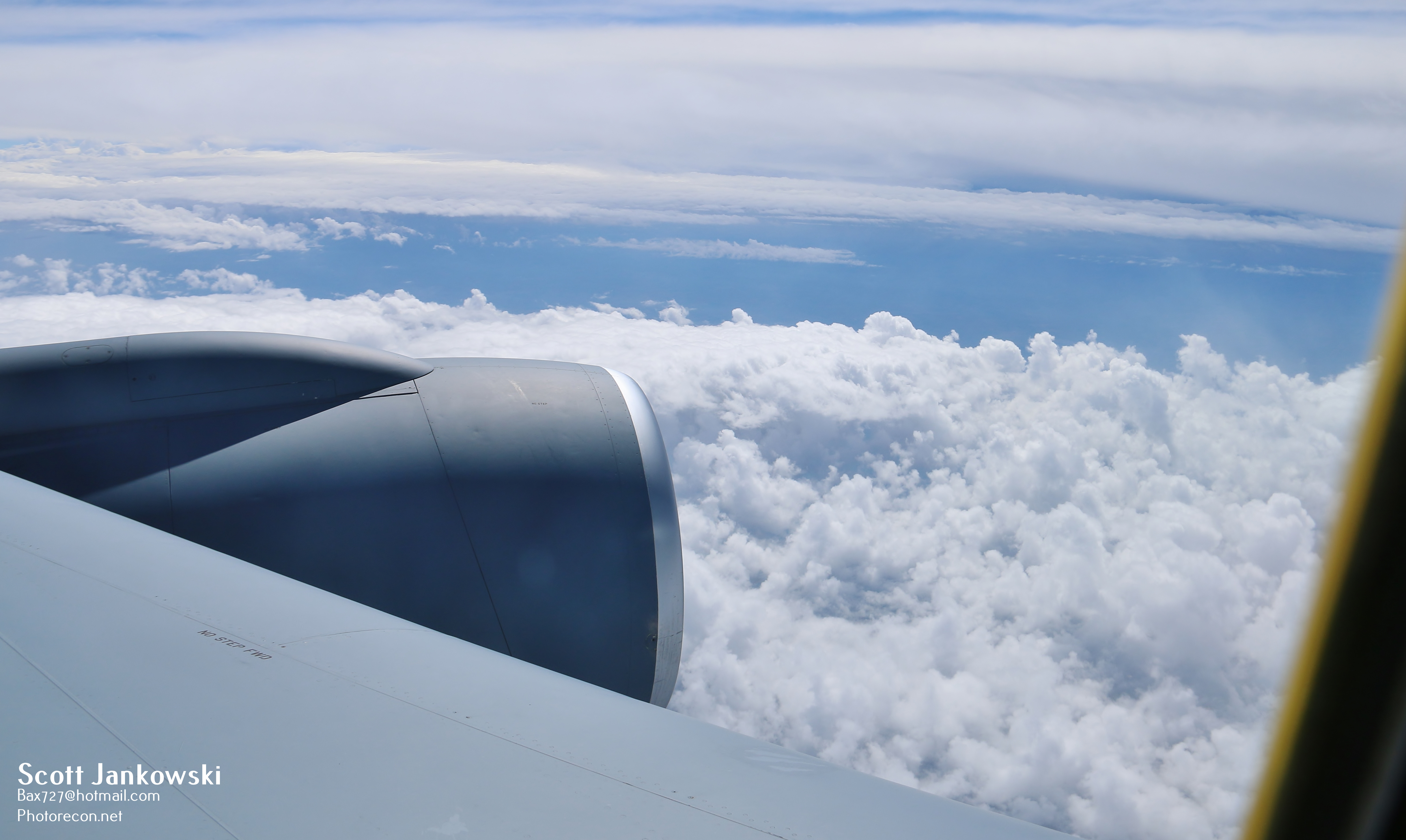
Our rendezvous point with “Java 31” would be between the Nebraska cities of Aggies Acres and Deverre. We slowed to approximately 405 miles per hour and descended to 26,000 feet. We were still seated and could not see as the C-17A approached from beneath and behind us, you could however start to feel the turbulence increase as the much larger C-17A with a length of 174 feet and a wingspan of 170 feet, came closer. This effect is what is called the “Bow Wave” it refers to the significant air disturbance, pressure wave or upwash, created by a large receiver aircraft such as a B-52, C-5 or C-17 as it approaches. It is the push of air ahead and around the nose of that larger aircraft, which pushes up on the Tanker’s tail while forcing the nose down. This will cause a significant amount of pitch compensation from the Tanker Crew while the receiver also experiences the Tanker’s jetwash which presents its own challenges to keep the aircraft in the refueling envelope.
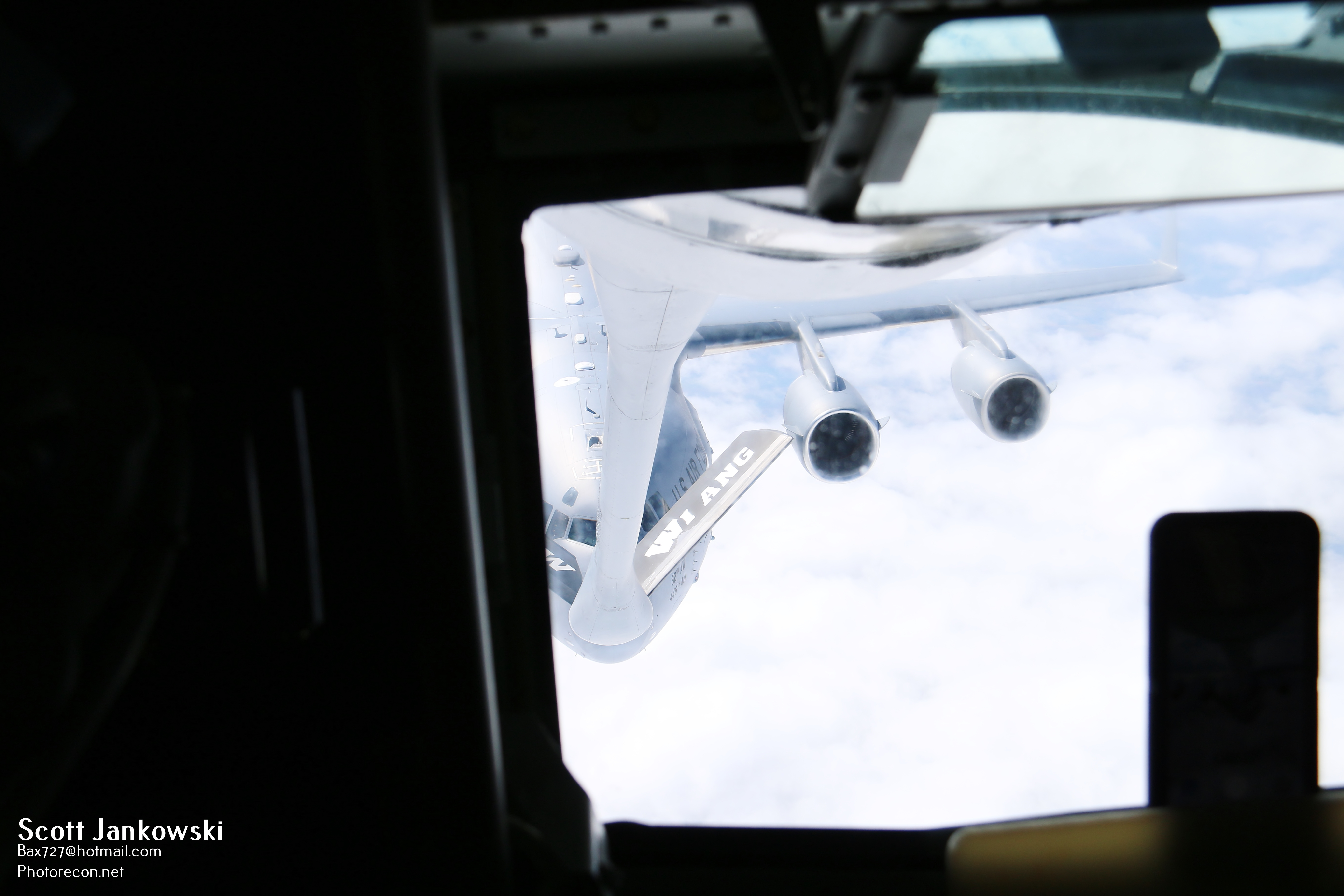
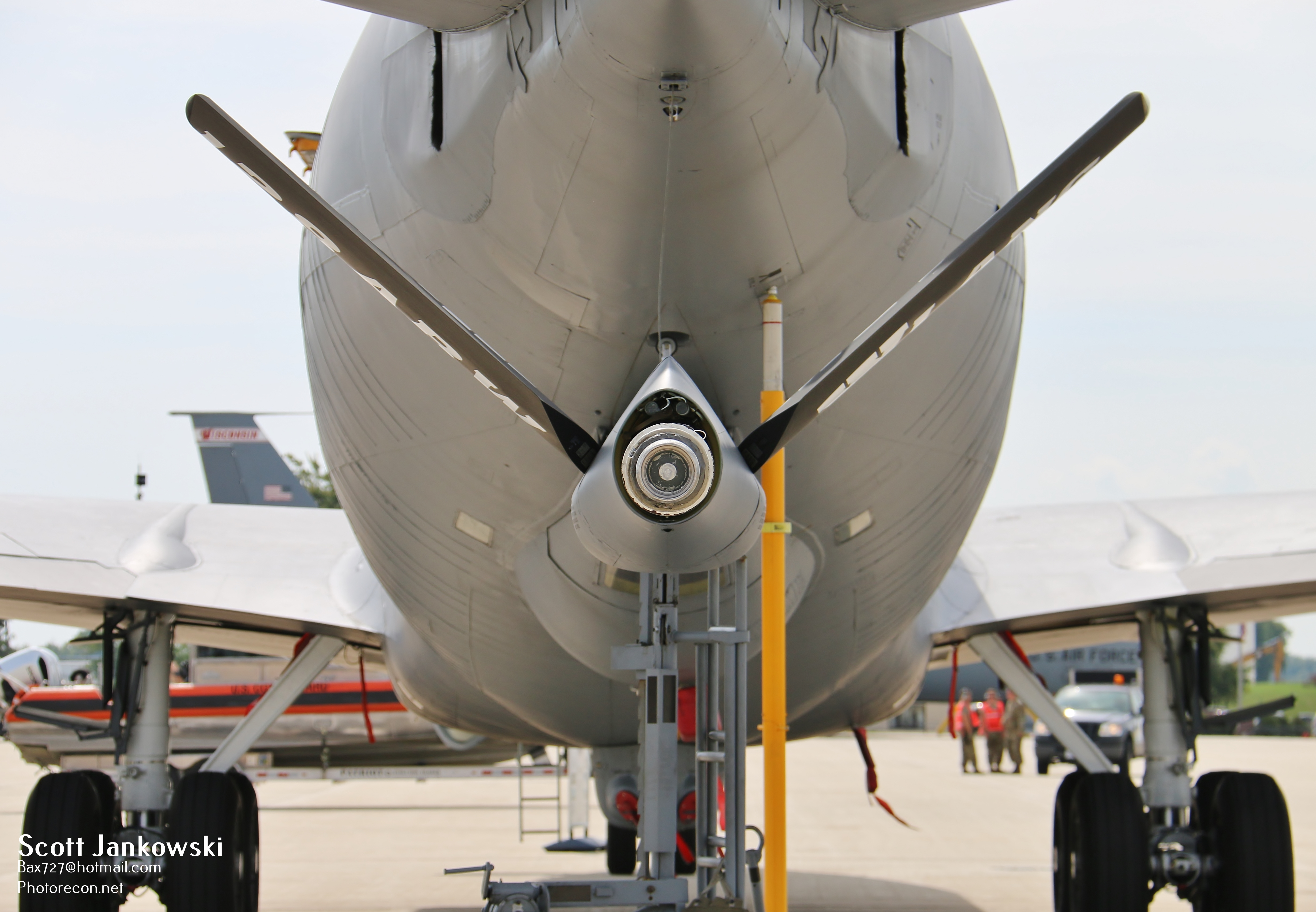
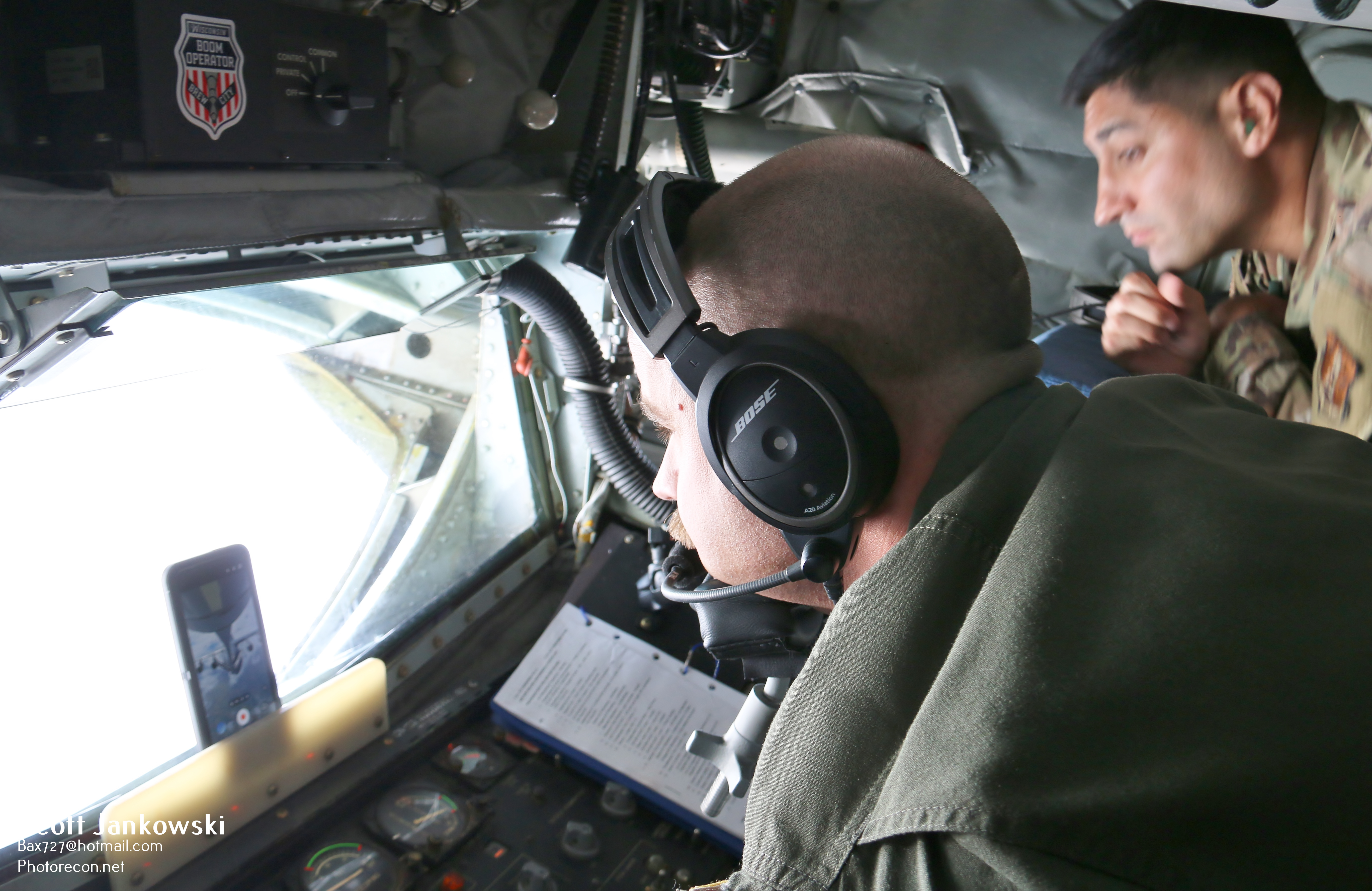
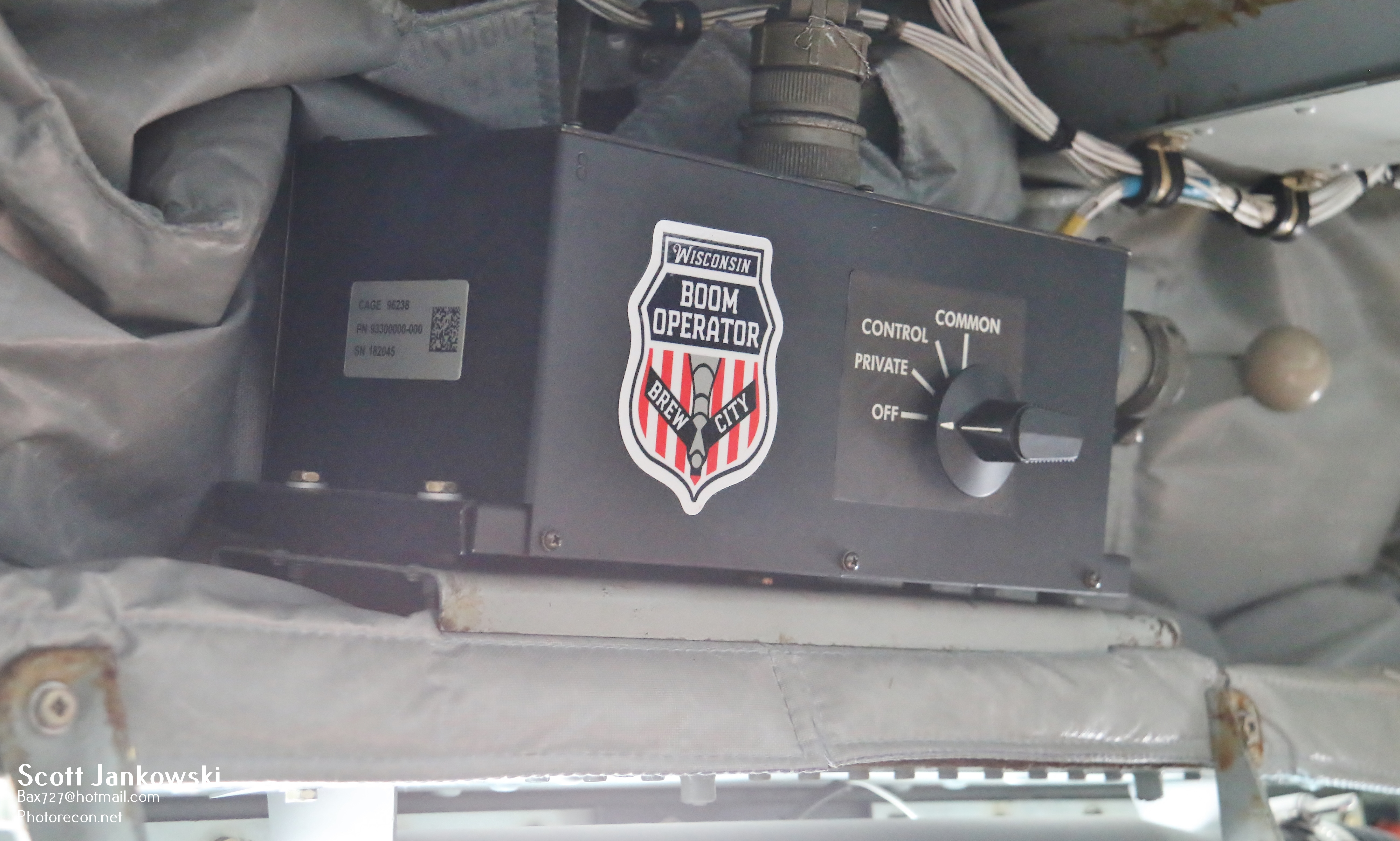
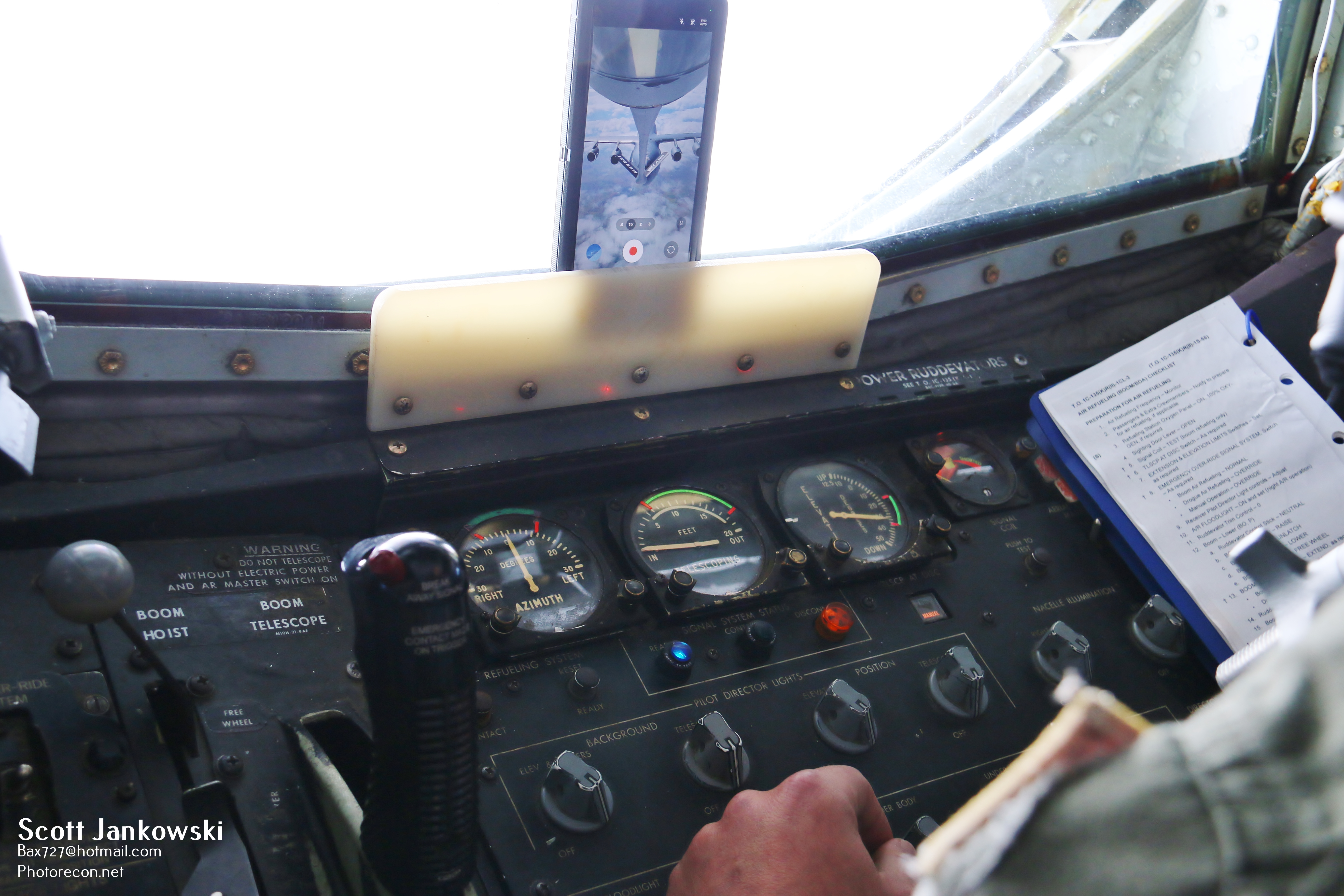
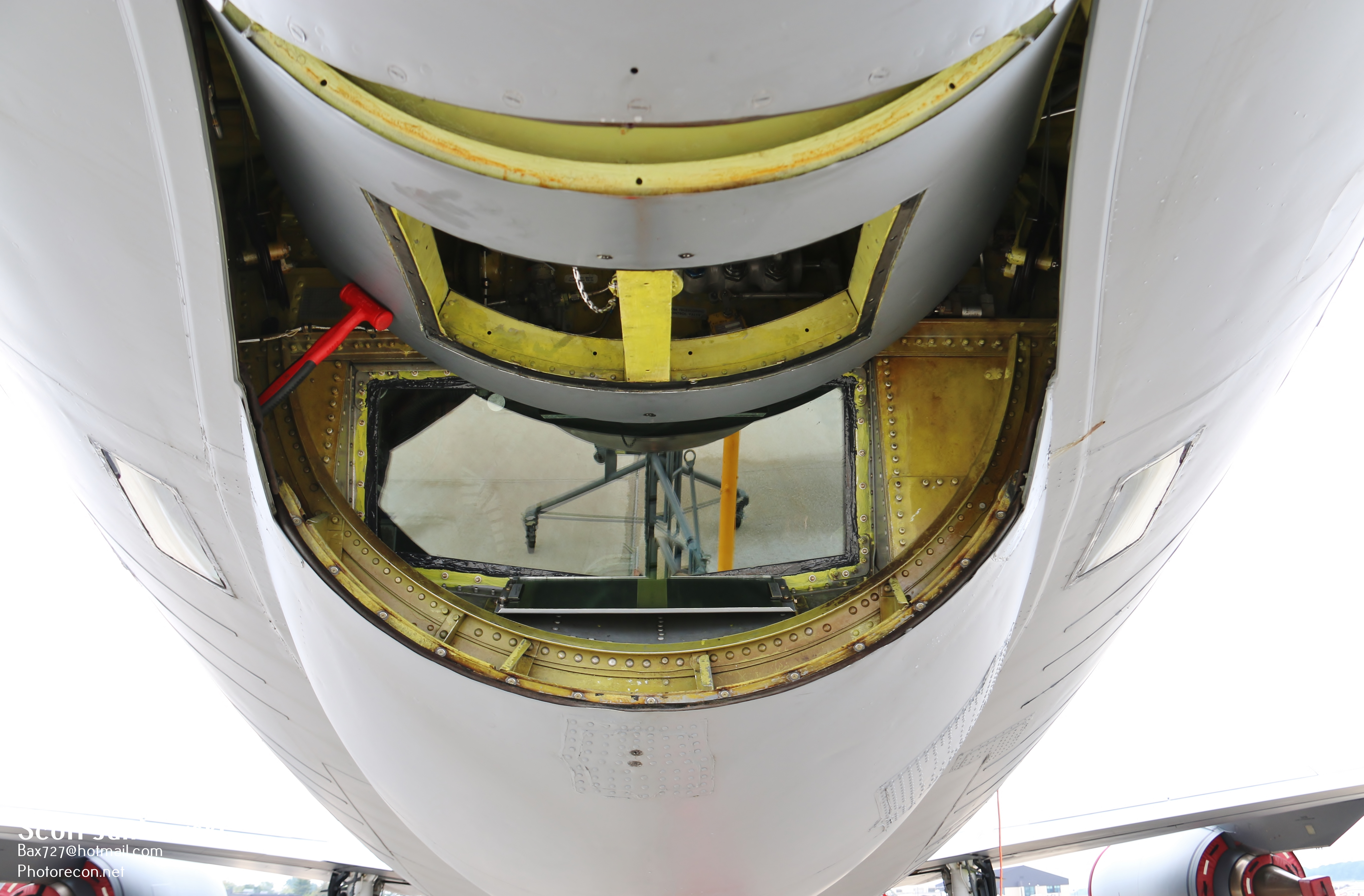
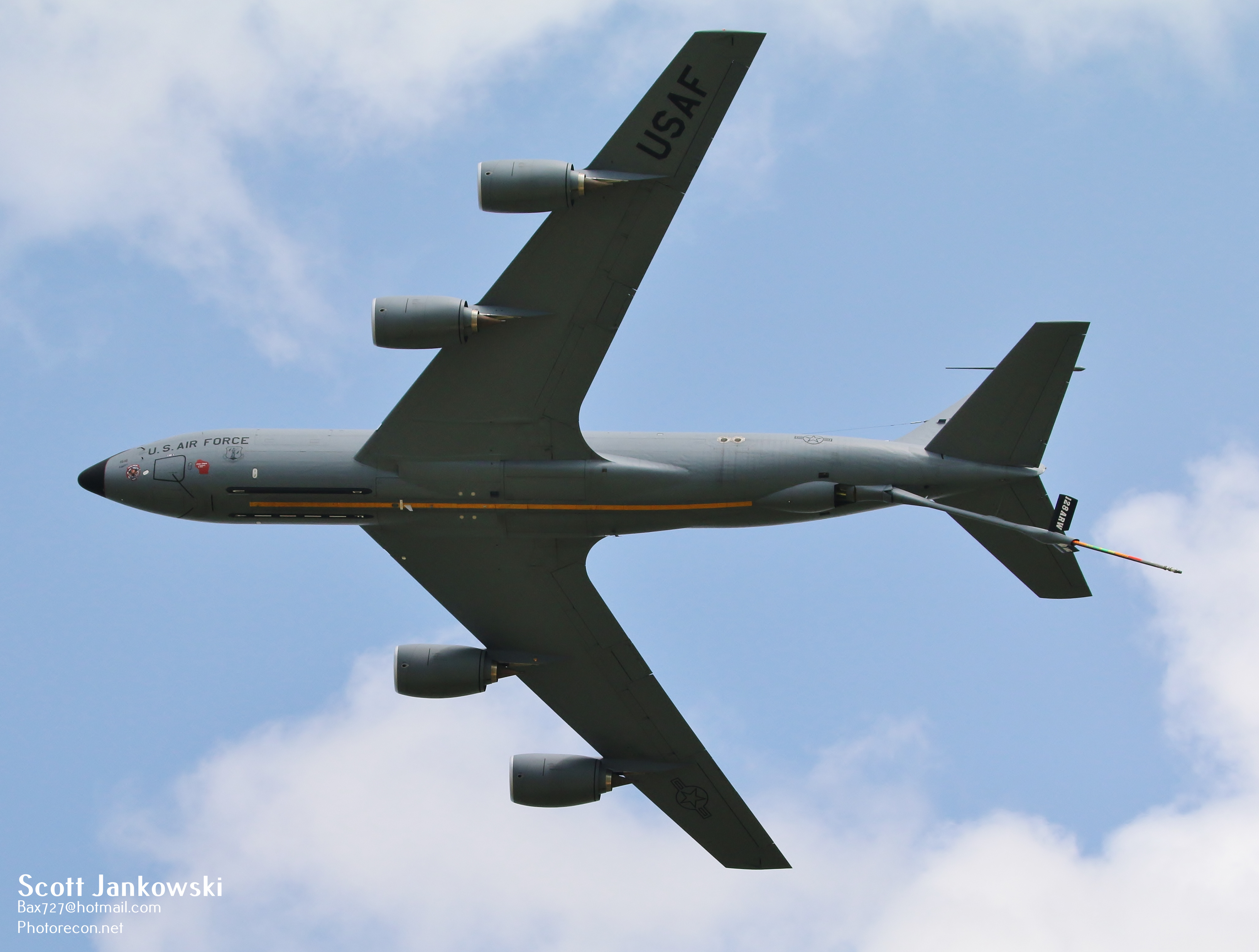
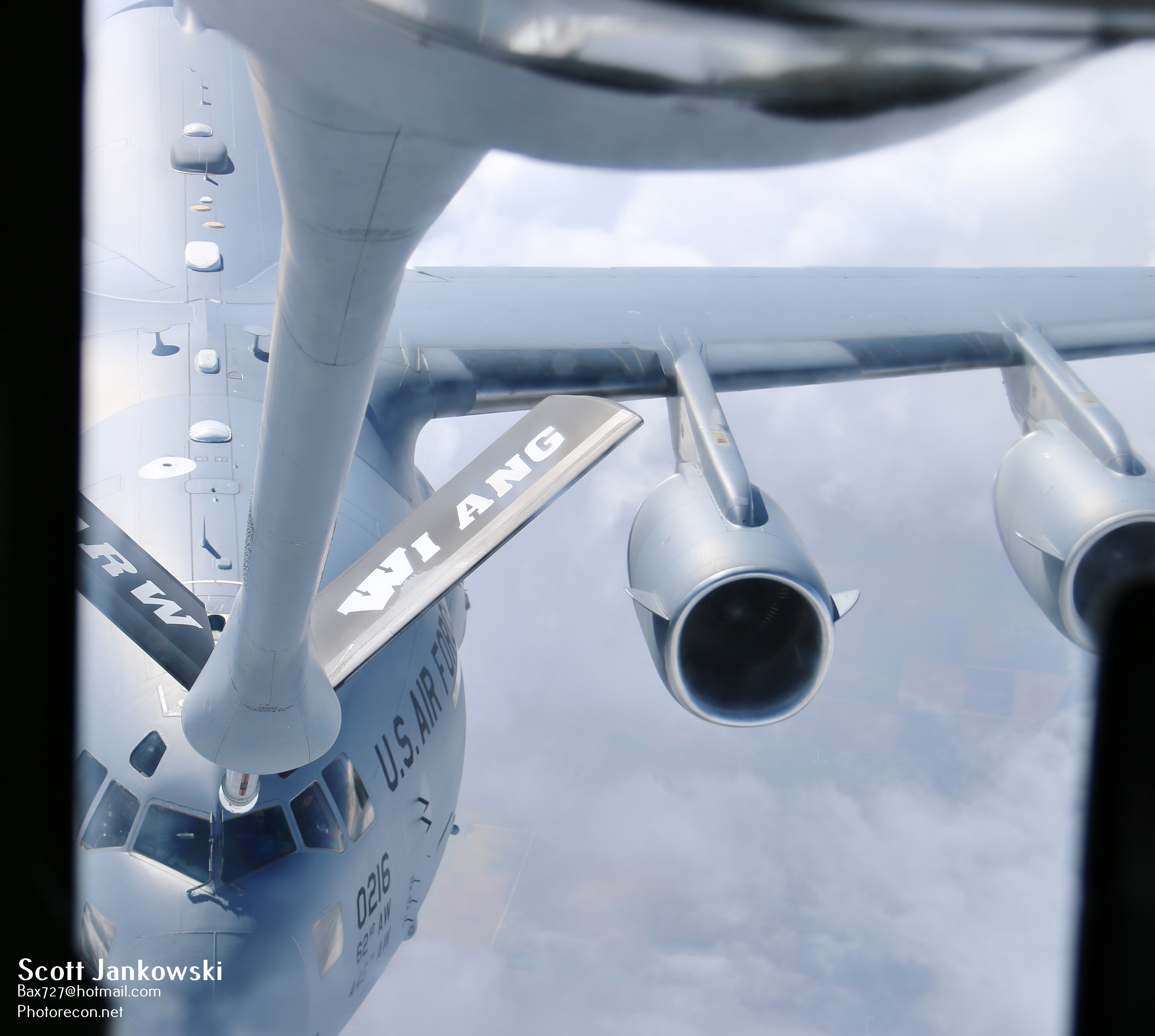
The 5 of us took turns in the Boom Pod lying next to the Boom Operator, one on either side. We had approximately 7 minutes each to get a true appreciation for the sheer size of the C-17A and just how close the two aircraft are to each other during an aerial refueling. The boom on the KC-135R is 20 feet long and extends to a length of 48 feet. The KC-135 can transfer a maximum of 6,000 #’s of fuel a minute, with fighters taking 1,000# a minute with larger aircraft, like the C-17A, taking 2,000#’s a minute. The C-17A would be using this mission as a training exercise for the crew onboard, the Commanding Officer of the 446TH Airlift Wing would be the Pilot taking the actual fuel transfer. The Boom Pod consists of three couches with the Boom Operator occupying the middle couch. The Boom Operator controls the boom with a control stick or ruddervator which is similar to a control stick. The Boom Operator flies the boom with a pair of hydraulically operated ruddervators, the “V” arrangement of the ruddervators allows the boom to be maneuvered side to side as well as up and down.
The flying boom’s ruddervators are emblazoned with 128 ARW titles on one side and WI ANG on the other side, the “W” is stylized to resemble the W in the University of Wisconsin logo. There is a sighting door on the bottom of the boom pod which needs to be opened for the boom operator to move the boom and get a better view of the receiver. The Boom operator flies the boom to the receiver aircraft’s receptacle and extends the boom to make contact. Locking toggles in the receptacle hold the boom nozzle in contact. Providing the receiver remains within the refueling envelope contact is maintained. To make normal disconnect, the receiver pilot or boom operator releases the receptacle toggles. If the receiver moves beyond the limits of the boom, a disconnect will automatically occur. A poppet valve immediately shuts off the fuel flow when there is a disconnect. On the bottom of the fuselage of the KC-135 you will find a pair of PDL’s or Pilot Director Lights. These provide position information to the receiver pilots during aerial refueling operations. They consist of two panels of lights, the left panel gives boom elevation information and the right panel provides boom extension information. The lights are controlled by movement of the boom in elevation and the extensions and retraction of the telescoping section of the boom. These lights indicate the position of the boom in relation to the boom operating envelope and command the direction of receiver movement to bring the boom to the ideal position. The ends of elevation PDL have the illuminated letters “U” for up and “D” for down, if the receiver aircraft is in contact with the boom near a limit, the red arrowhead next to the U or D will be illuminated to guide the receiver aircraft towards the ideal elevation. An illuminated green arrowhead indicates the boom is approaching the ideal elevation. At the ideal elevation a pair of green bars are illuminated. The ends of the boom extension PDL Panel have the letters “F” for fore and “A” for aft. The position information and movement commands are given by illuminated horizontal bars with red leading into green lights with the ideal position shown by two illuminated green bars. The telescoping part of the boom has colored segments that duplicate PDL indications.
The C-17A would proceed to make 4 dry contacts with no fuel being transferred between aircraft and was guided into position for each contact either by director lights located on the bottom of the fuselage or via radio directions from our boom operator. On the final contact we would transfer 5,000#’s of JP-8 jet fuel to the C-17A. After each contact the C-17A would disconnect and drop down and away from the boom. Once the C-17A swapped pilots they would approach the KC-135R once again and under the guidance of the boom operator. By the time the C-17A crew had been recertified in aerial refueling we had already progressed back towards Milwaukee and had covered a good portion of the state of Iowa. The C-17A would join us in trail, maintaining an altitude of 25,000 feet for the return to Milwaukee at an average speed between 390-420 miles per hour.
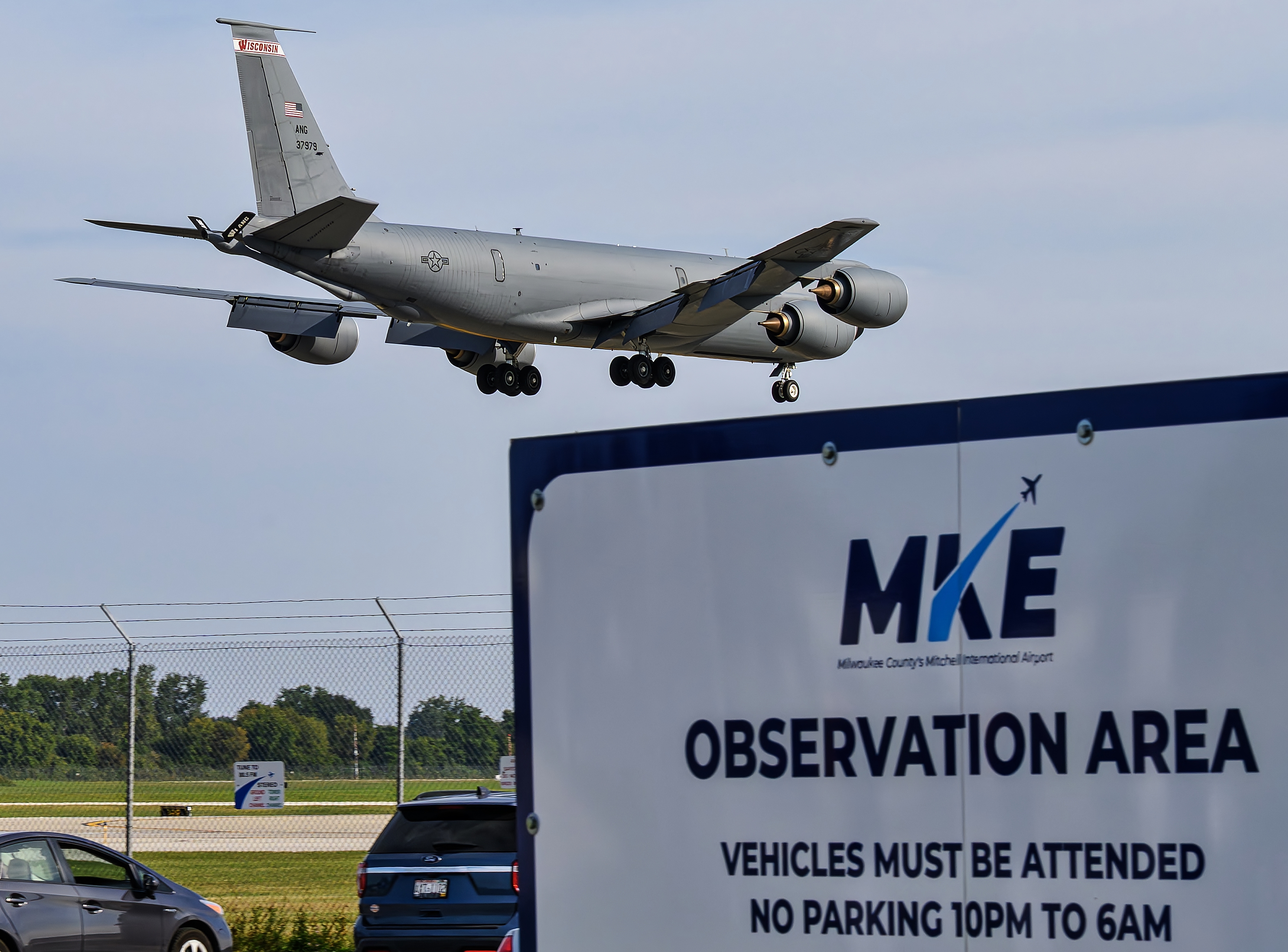
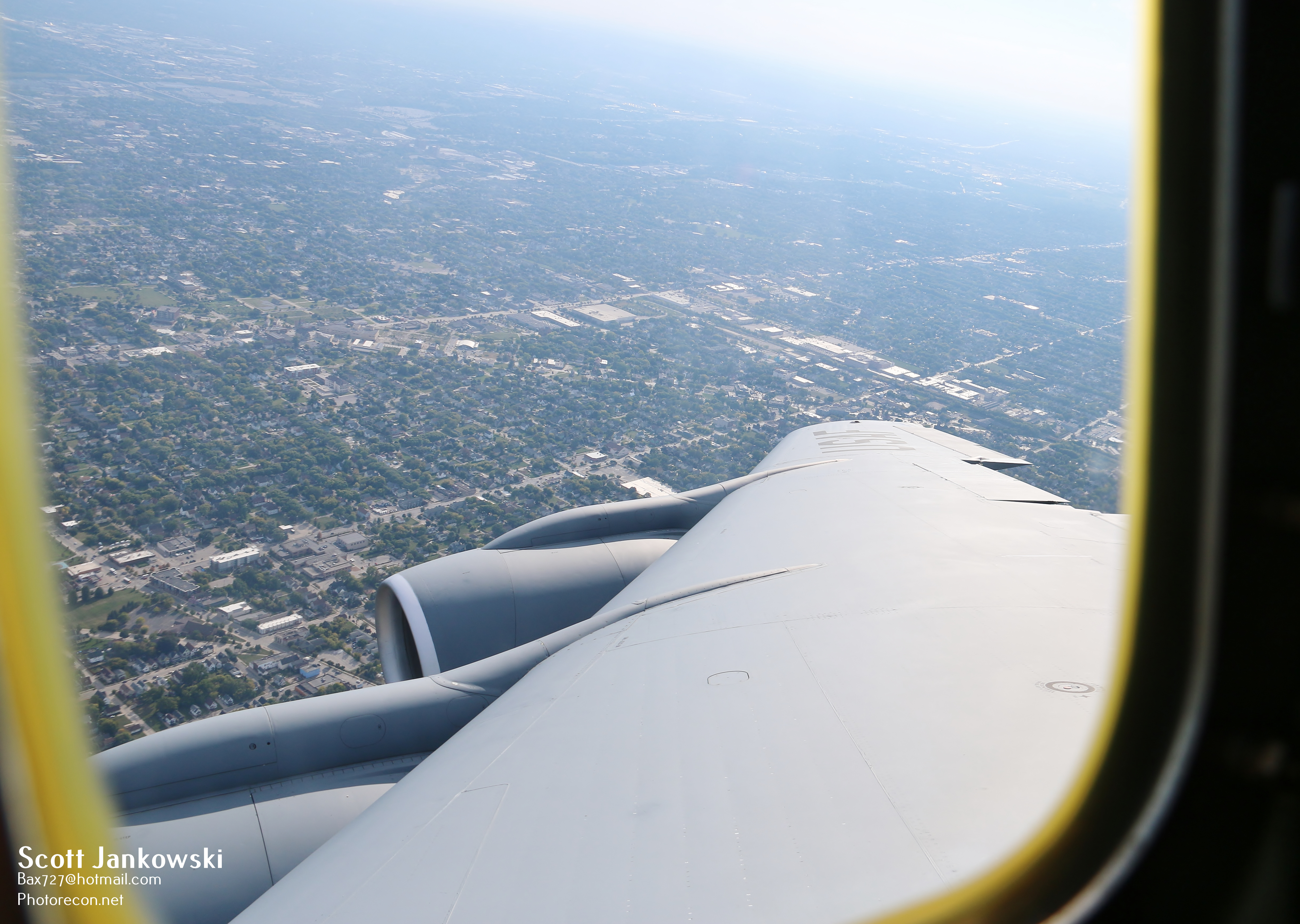
We had roughly 45 minutes of flying left, which did not long at all before we in the descent for Runway 19 Right at Milwaukee. We would make our approach from the west overflying the state capitol, Madison Wisconsin along the way as we approached Milwaukee from the North side of the airport slowing down and descending with the spoilers and flaps deployed to slow down. We would continue to fly Eastbound until we reached the downtown area in which we made a left-hand turn to line up with Runway 19 Right. We passed over downtown, the Port of Milwaukee and over the City of Bay View before landing at 1519 some 2 hours and 52 minutes after departure. We had planned to do an overhead approach with a break to land, however ATC (Air Traffic Control) advised they were unable to grant our request with the C-17 behind us and several aircraft waiting to depart. We touched down at approximately 2,000 feet down the runway with heavy braking as the KC-135’s engines do not have thrust reversers which reduce maintenance costs and saves weight. We made a left turn onto taxiway Sierra with a left turn down Runway 1 Right/19 Left followed by a right turn onto taxiway Whiskey and back to our parking spot. The cargo door was opened once again and with the mobile stairs once again in place we deplaned the aircraft after a successful mission. The C-17A landed as planned behind us and was taxiing in the 128th ramp via Runway 25 Left and taxiway November.
** Arrival photos of 63-7979 and 10-0216 courtesy of Mr. T.J. Van Haag **
Here are a few video clips of the mission… click on the mp4 link below the bold title, then click on the link to the video which appears:
Enroute to the refueling track video:
145543.mp4
Cockpit views:
140937.mp4
Air refueling clip #1
Video Project 32.mp4
Air refuel clip #2
Video Project 3.mp4
Landing and rollout clip #1:
Video Project 11.mp4
Landing and rollout clip #2
Video Project 12.mp4
This ended our day with the men and women of the Wisconsin Air National Guard’s 128th Air Refueling Wing and another successful mission. This was an opportunity that I will never forget and am very grateful to have been able to be part of this mission. I would like to send a very big thank you to everyone who made this day possible including Colonel Charles Merkel (128th Air Refueling Wing Commander), Captain Luke Cofax (128th Air Refueling Wing Public Affairs), the crew of Upset 51 and Java 31, and all of the men and women that serve with the 128th Air Refueling Wing.
Until next time, “Blue Skies To All!”.