Story and photos by Scott Jankowski
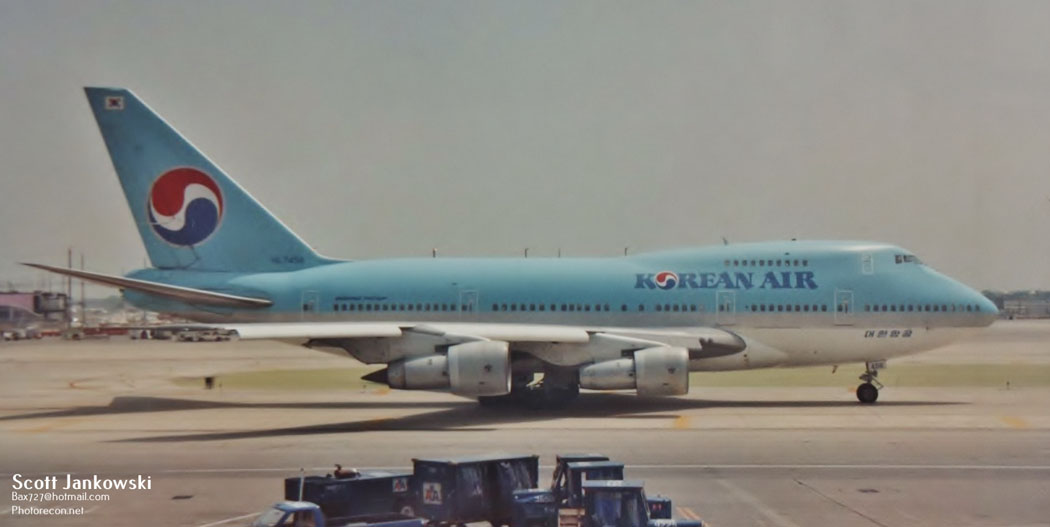
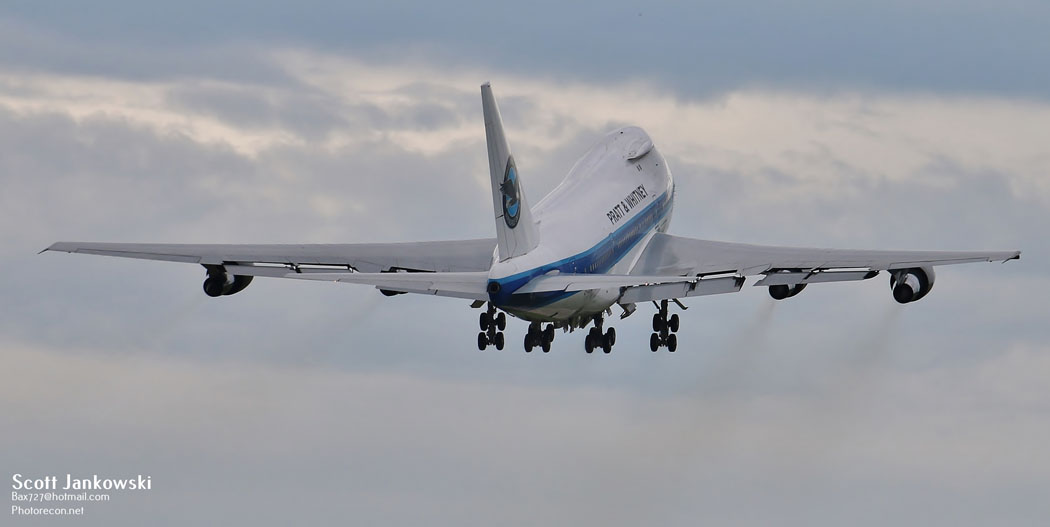
AirVenture always brings together some very unique and rare aircraft, this year in conjunction with their 100th Anniversary Pratt & Whitney brought C-GTFF, a 1981 manufactured Boeing 747SP (Special Performance) test bed aircraft to Oshkosh, serial number 22484. This almost 45-year-old Everett Washington Manufactured 747 was initially delivered to Korean Airlines as HL7457 in 1981. Korean Airlines would operate a pair of these aircraft from 1981 to 1998 at which time they were replaced by another Boeing product, the 777-200ER. Boeing would take possession of the aircraft in 1998 and would reregister it N708BA, Wings Worldwide would operate the aircraft from 2001 to 2004, they would pass it on to TransAtlantic International Airlines in 2004. Pratt & Whitney would take delivery of the aircraft in 2007 with Pratt & Whitney Canada taking possession of the aircraft in 2010 and registered it C-GTFF and has operated it since. I was fortunate to be able to tour this unique aircraft at a special media event organized by EAA and Pratt & Whitney.
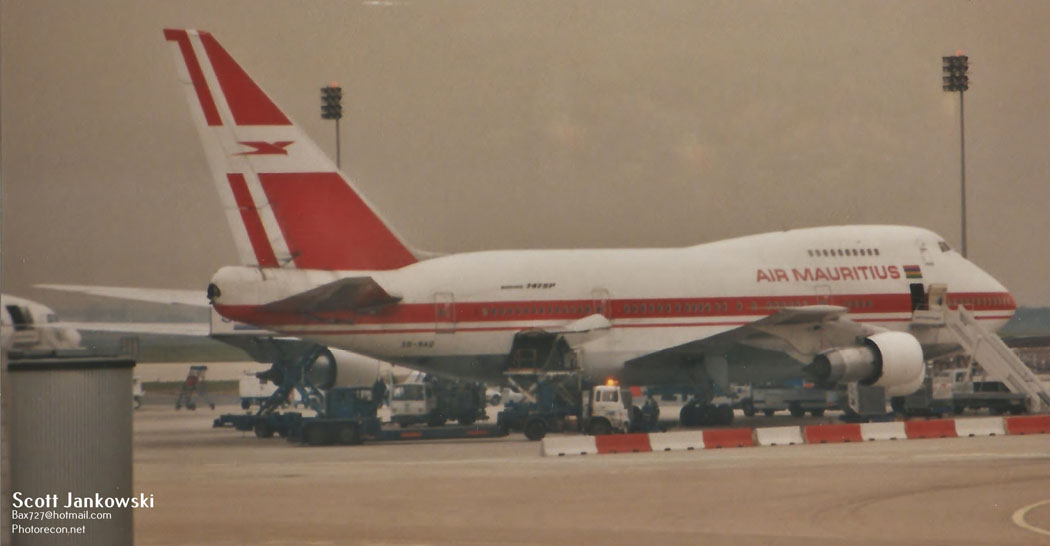
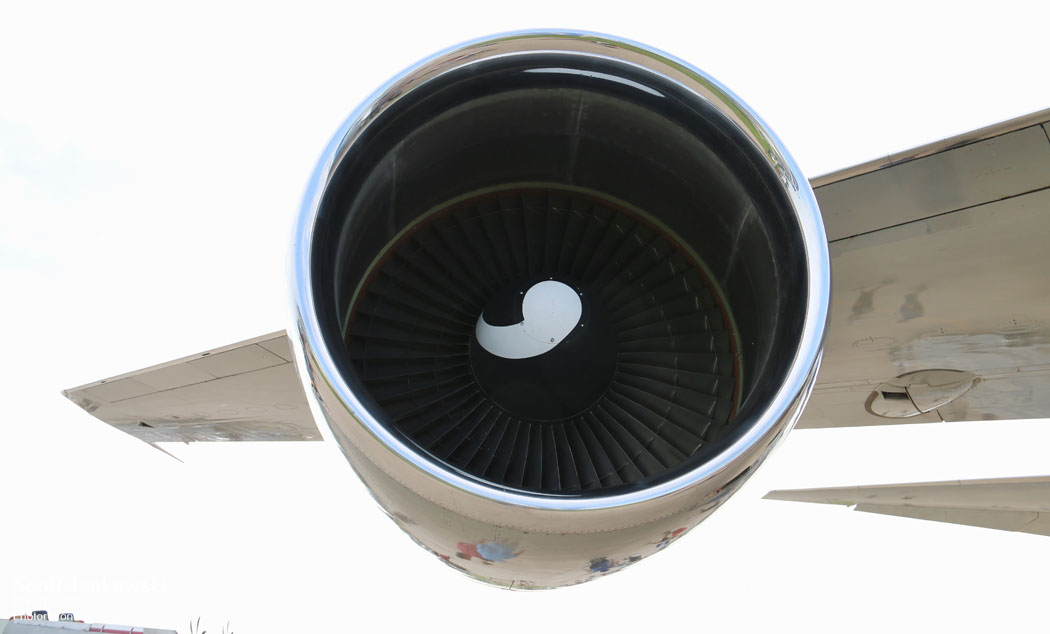
Boeing only built forty-five of these shortened versions of the iconic 747 which was designed as a longer-range version of the early models of 747 at the request of Pan American Airlines and Iran Air. At the time they were looking for an aircraft that could carry a full payload on its longest route from New York’s John F. Kennedy International Airport to Tehran Iran. The aircraft was launched in 1973 with the first example delivered in 1976. The 747SP is forty-seven feet shorter than the original 747 variants, the vertical and horizontal tailplanes are also larger and has simplified wing flaps. The 747SP could carry 276 passengers in a three-class layout and has a range of over 6,000 miles. These aircraft are powered by four Pratt and Whitney JT9D-7 Turbofan Engines each generating 48,650#’s of thrust. The 747SP is the highest-flying subsonic passenger airliner with a service ceiling of 45,100 feet. Despite all its technical achievements the aircraft never sold as well as Boeing had hoped. This is a result of increased jet fuel prices, the aircraft’s heavier wings, its reduced capacity, excessive cost, and increased range of forthcoming airlines all contributed to its low sales and ultimate cancellation.
Pratt & Whitney was founded in 1925, with their invention of the R1340 Wasp Engine it revolutionized military and commercial aviation. Pratt & Whitney would design and develop several other engines for the United States and its Allies during World War II, these engines powered such iconic aircraft as the Douglas C-47 Skytrain, Republic P-47 Thunderbolt, and the Vought F4U Corsair. Pratt & Whitney also designed and currently manufactures the 60-year-old PT6A engine which has logged over 500 million flying hours and powers such aircraft as the Cessna 208 Caravan, Beechcraft King Air’s (military and civilian), Beechcraft 99, Beechcraft 1900, Shorts 360, among many others. Pratt & Whitney also manufactures engines that power more than 25% of the world’s passenger aircraft with over 16,000 engines installed for 500 customers in 160 countries. These engines such as the PW1500G, PW110G-JM, (IAE) V2500, PW4000, JT8D, and JT9D engines are installed aircraft such as the Airbus A220/A320neo&ceo/A300/A310, Boeing 727/747-400 and the McDonnell Douglas DC9/ DC10/MD80/MD90 aircraft. Pratt & Whitney also produces engines that are used by 27 Air Forces around the world with 11,000 engines such as the F135, F119, F117 and the TF33 powering aircraft like the Lockheed Martin F-35/F-22 and the Boeing C-17/E-3.
Naturally, Pratt & Whitney needed some sort of mechanism to test the engines they design and manufacture, ground-based testing could not be the only means as engines became more advanced. The original aircraft they used as C-FETB, a 1961 manufactured Boeing 720-023B manufacturers serial number 18024 and was originally delivered to American Airlines as N7538A. Pratt & Whitney bought the aircraft in 1985 and modified it to test a variety of different engines from a large turbofan on the inner/inside pylon on the right starboard wing, they could mount a smaller turbofan engine on the right starboard side of the fuselage on a fifth pylon. The aircraft was also modified to carry a fifth engine in the nose as well. Pratt & Whitney would operate this aircraft until 2012, after that it would be retired to the National Air Force Museum of Canada.
(Photo of C-FETB courtesy of Pratt & Whitney)
The Boeing 747SP was chosen as the successor to the 720, due to its range and endurance. There are two airframes in the fleet currently, the second being C-FPAW. This aircraft, manufacturers serial number 21934 was delivered to CAAC Airlines (Civil Aviation Administration of China) later renamed Air China, Pratt & Whitney would acquire this airframe in 2002. Both airframes that Pratt & Whitney operate are specially modified to allow testing of conceptual engines in real world flight conditions in all types of weather. These engines need to be thoroughly tested under uncontrollable conditions such as temperature variation while providing thrust at cruising speed, these sorts of tests need to be done for certification purposes. There are tests that are extremely difficult to conduct or even impossible to perform in a ground test environment, thus you need to test the engine under actual operating conditions. In order to determine true engine performance, you need to do it in flight at different altitudes and speeds. Pratt & Whitney also uses the Dornier 328 and the DeHavilland Dash 8 -100 as flying test beds.
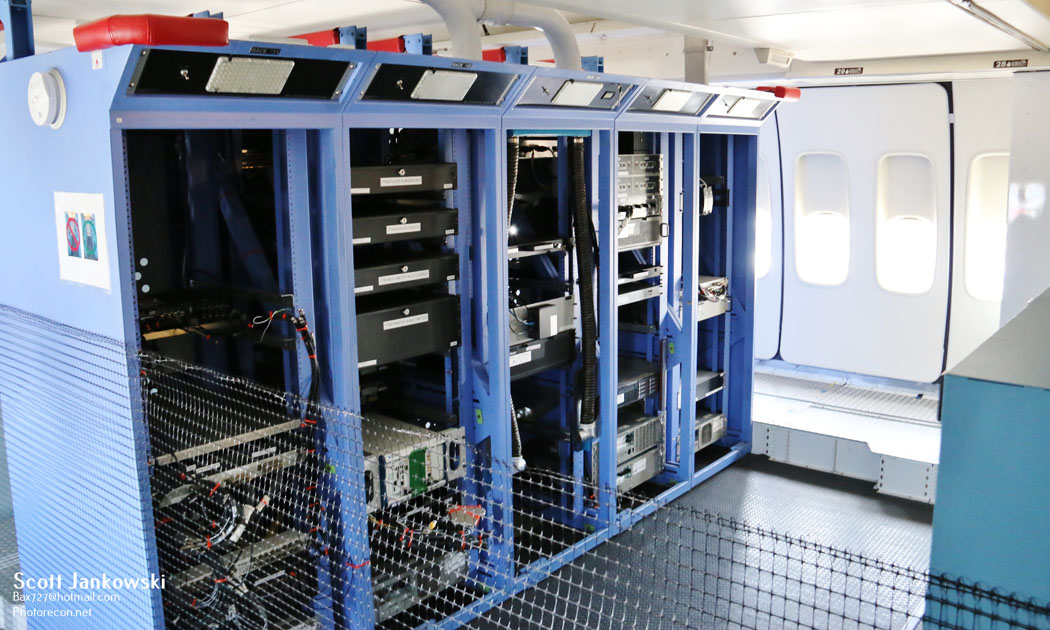
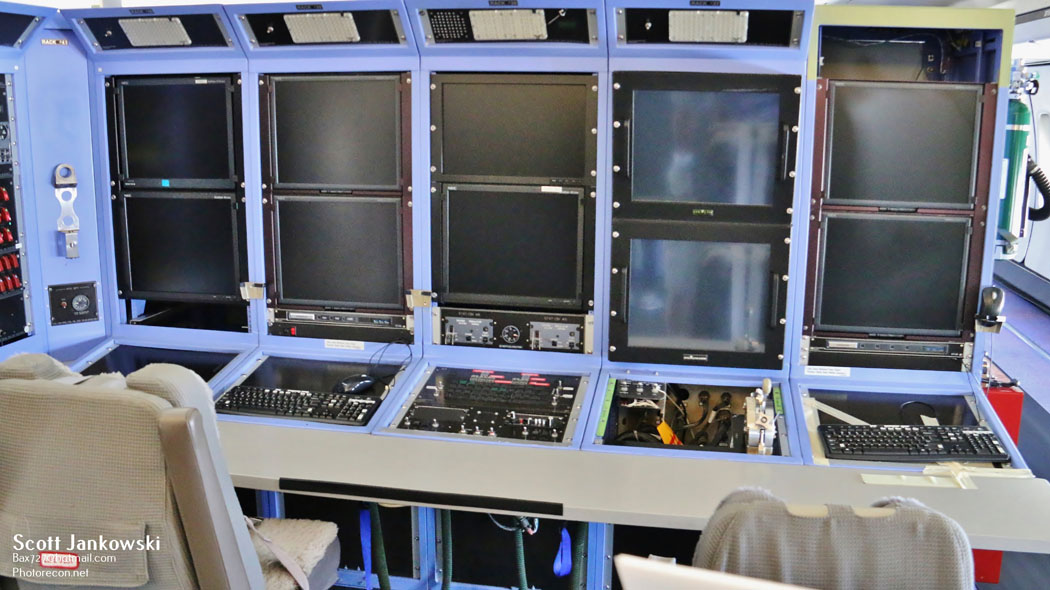
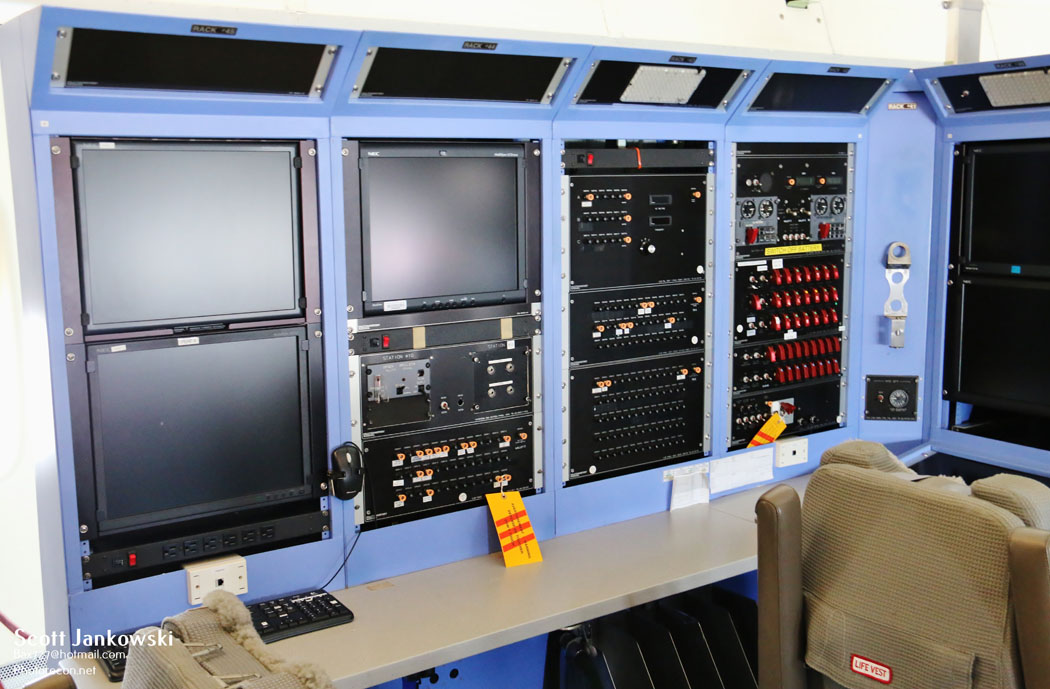
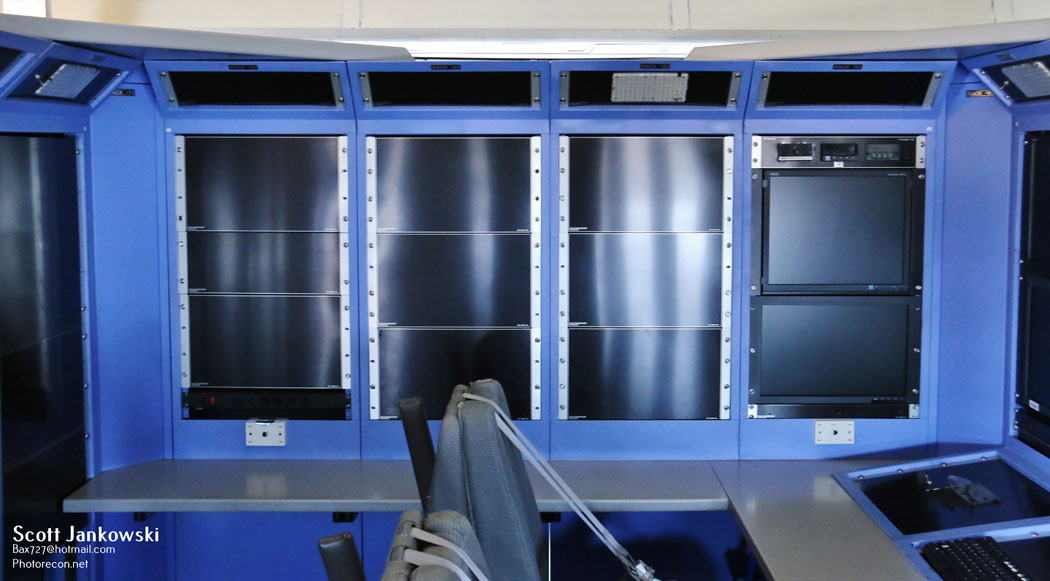
The engines (up to 20,000#’s of thrust) that Pratt & Whitney tests are mounted on a fifth pylon located on the first officers’ side of the aircraft adjacent to the upper deck fuselage hump. Inside the aircraft the majority of the seats have been removed to make room for computer servers and workstations for their flight test engineers. Each of these workstations monitor different test results and can update settings in real time to configure the engine for optimum performance.
The aircraft carries a twelve-person crew with most missions lasting approximately six to eight hours. The interior of the aircraft is separated into 4 sections which contain a bank of computer servers and 3 sections of flight test engineer workstations. Upon entering the aircraft through the L1 door (due to its shortened fuselage the 747SP only has 4 entry doors) if you turn left, you will find a few rows of the original seats and the original Korean Airlines artwork on the forward bulkhead. You will also find the stairs to the upper deck and also the flight deck, which is located in the 747SP’s distinctive hump a feature found on all versions of the 747. The flight deck contains five seats, with the flight crew coordinating and collaborating with all the other crew members to evaluate and make decisions related to feasibility, sequence, and choice of engine tests to be conducted.
Turning right you will find the forward lavatories, and several rows of computer data servers or the DAS (Data Acquisition System). These banks of servers’ store data for analysis and also formats this data into a readable and useable format. These servers will also filter data to remove non pertinent data and information. These servers are the heart and soul of the operation as they monitor and record a multitude of test parameters critical to new engine certification.
The second section which contains workstations are used by the Flight Test Instrumentation Specialists. Two specialists record and monitor flight test information from these stations. These specialists ensure all planning, coordination, and execution of instrumentation activities is done correctly. They also ensure that all equipment is calibrated to the proper settings depending on the test parameters. They record and monitor test parameters such as temperature, speed, vibration, and flutter. They also monitor altitude, air speed, pitch, and electrical current and voltage.
The Flight Test Specialists use the next four specialist stations; they are responsible for testing the engines operation or the experimental aircraft system. These specialists oversee the flight test program and coordination of the installation of the text engine on the aircraft. These specialists have full authority of the test engine, and the operation of the test engine. They are also responsible for flight testing of engine performance at altitude, engine handling, oil, and fuel systems, along with watching engine vibration and strain.
The final six specialist stations are used to monitor performance operability and control of various engine modules under their control. The back of the aircraft also contains the galley and the R4 door where we exited the aircraft.
These aircraft are based at Montreal’s Mirabel International Airport with the primary test area in Northern Quebec, although they will flight test wherever they can find the appropriate weather and test conditions. C-GTFF departed back to Montreal on Thursday morning ending its very rare airshow visit.
The mission of these very specialized aircraft is to provide world class data from experimental engines during flight to Pratt & Whitney Canada and Pratt & Whitney Engine Programs. Since 2001 Pratt & Whitney’s test beds have completed more than 1,400 flight hours and tested 71 different experimental engines, with the constant advancements in engine technology the need for these 747SP flying test beds will continue. Until next time, “Blue Skies To All!”
I would like to thank the entire Public Relations staff of Pratt & Whitney and EAA for the opportunity to tour this very rare and iconic aircraft.