Story and photos by Scott Jankowski, except where noted
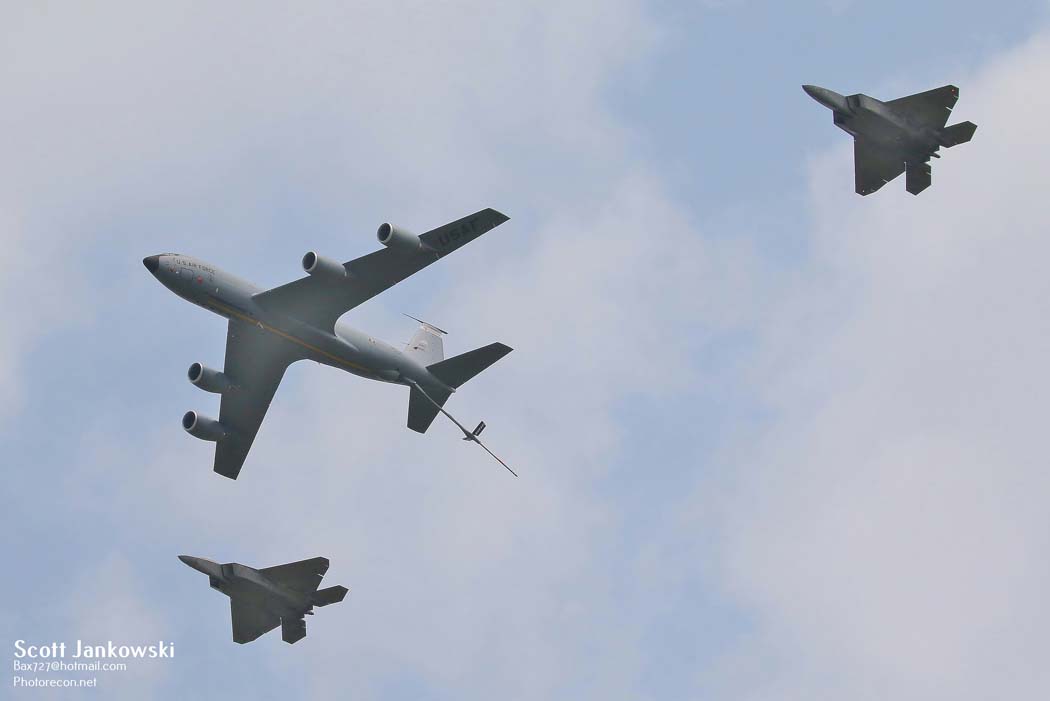
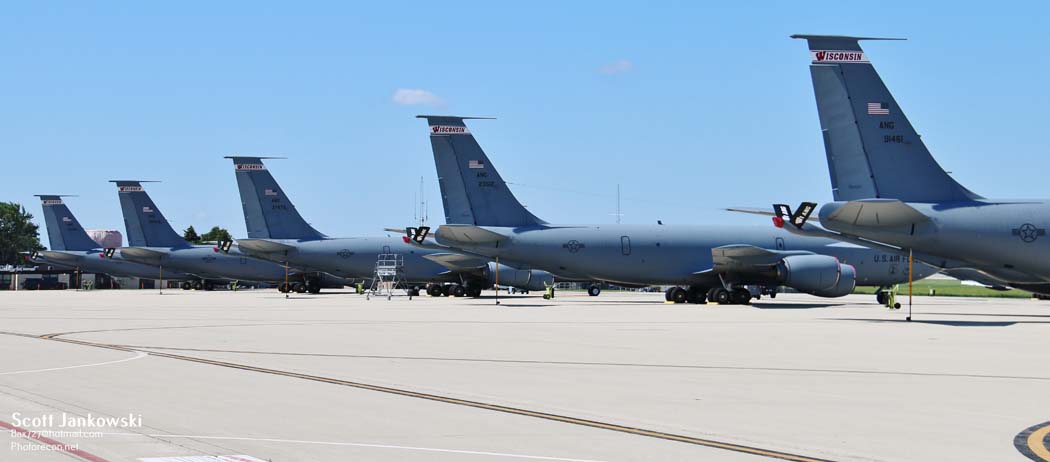
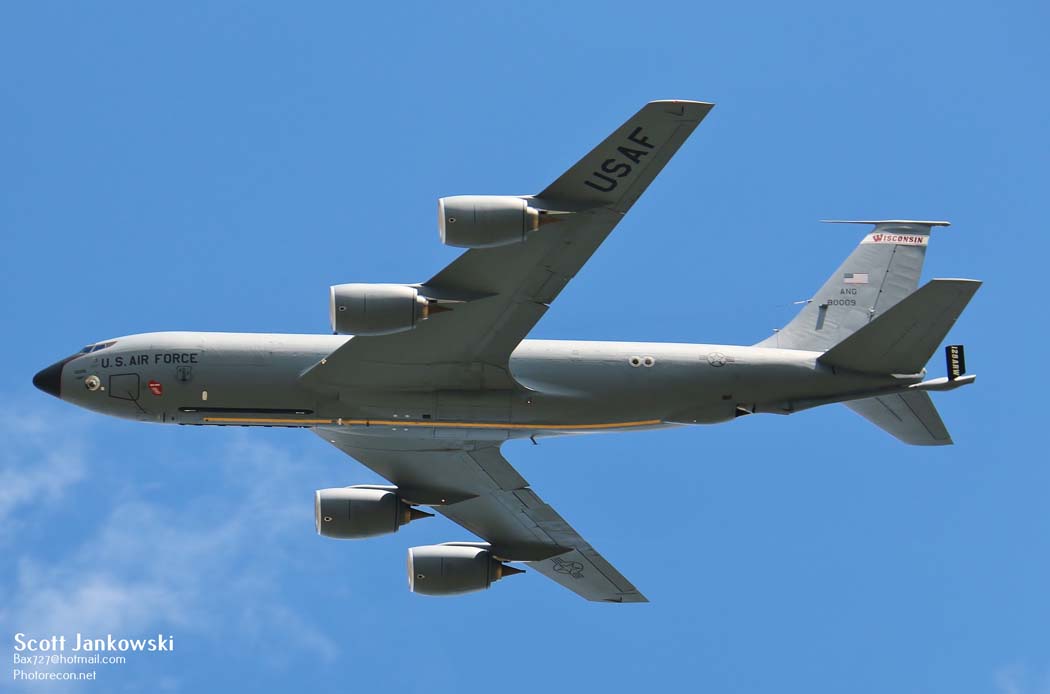
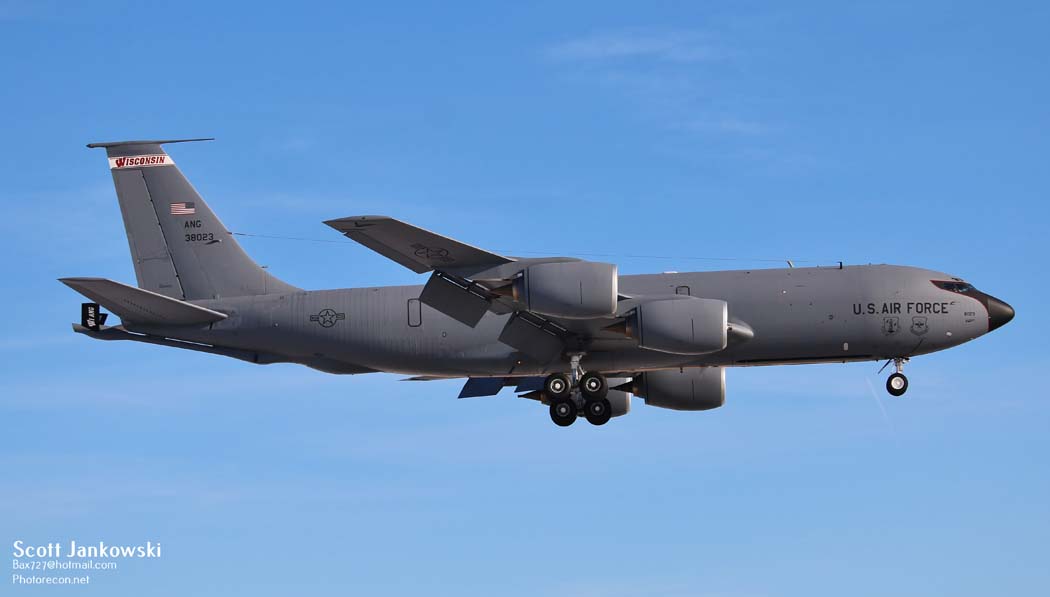
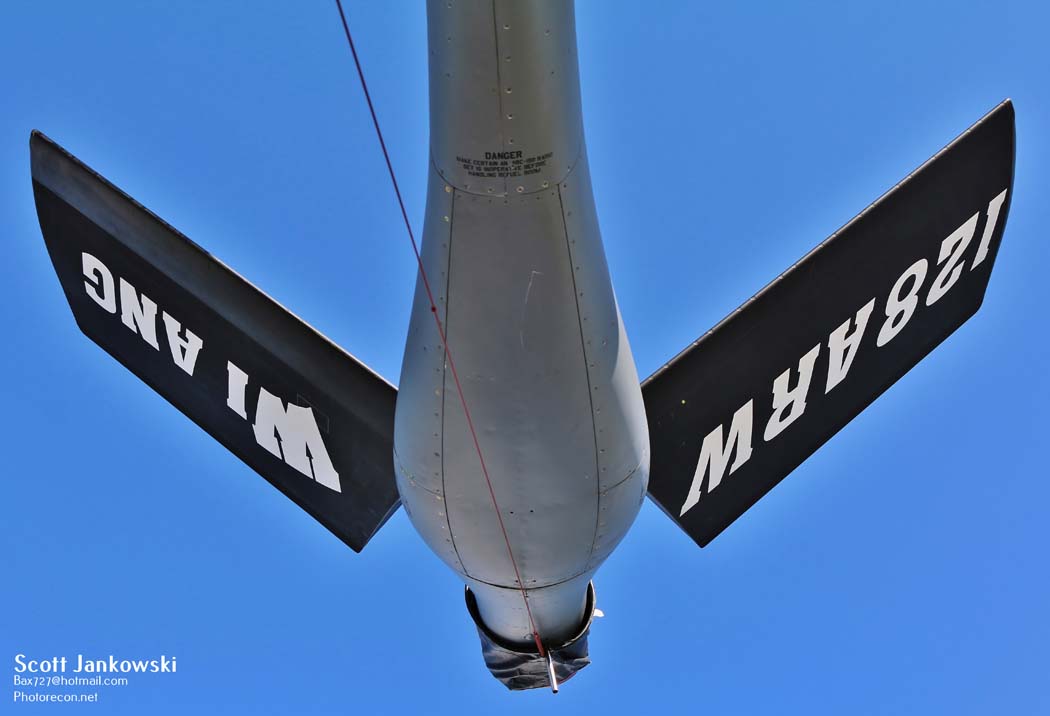
On Friday September 12th, 2025 I had the incredible opportunity to join four other Photojournalists to join the Wisconsin Air National Guard’s 128th Air Refueling Wing based at Mitchell International Airport Milwaukee, on an actual aerial refueling mission. For me this was a lifelong dream and bucket list item to fly an actual mission in one of the Wing’s Boeing KC-135R Stratotankers. That chance finally came as part of the 128th Air Refueling Wing’s open house weekend, the first open house in 12 years. In part one of this two-part article, we will take a look at the events leading up to our rendezvous with our receiver aircraft.
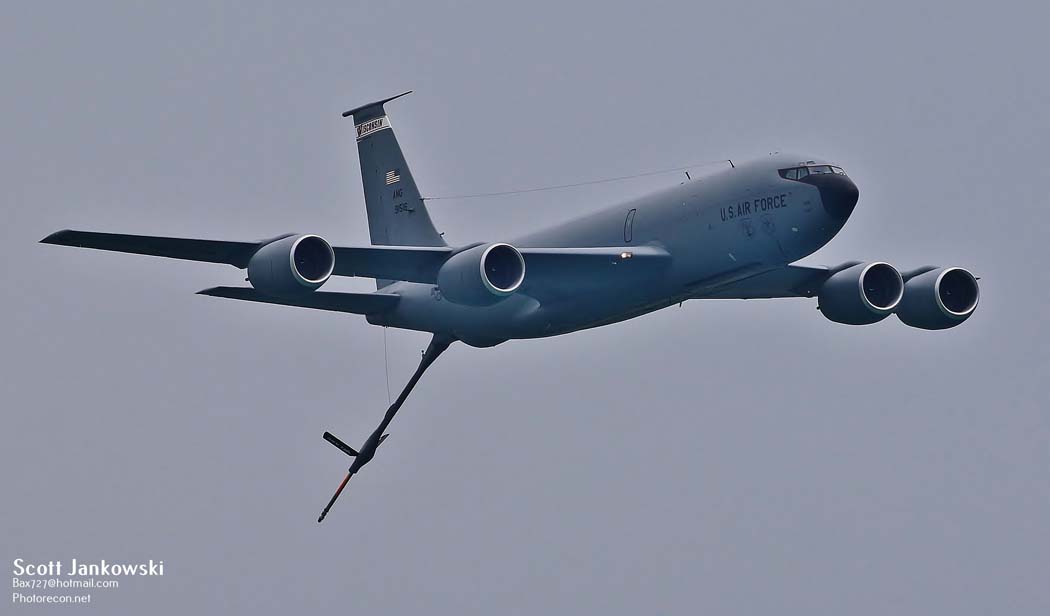
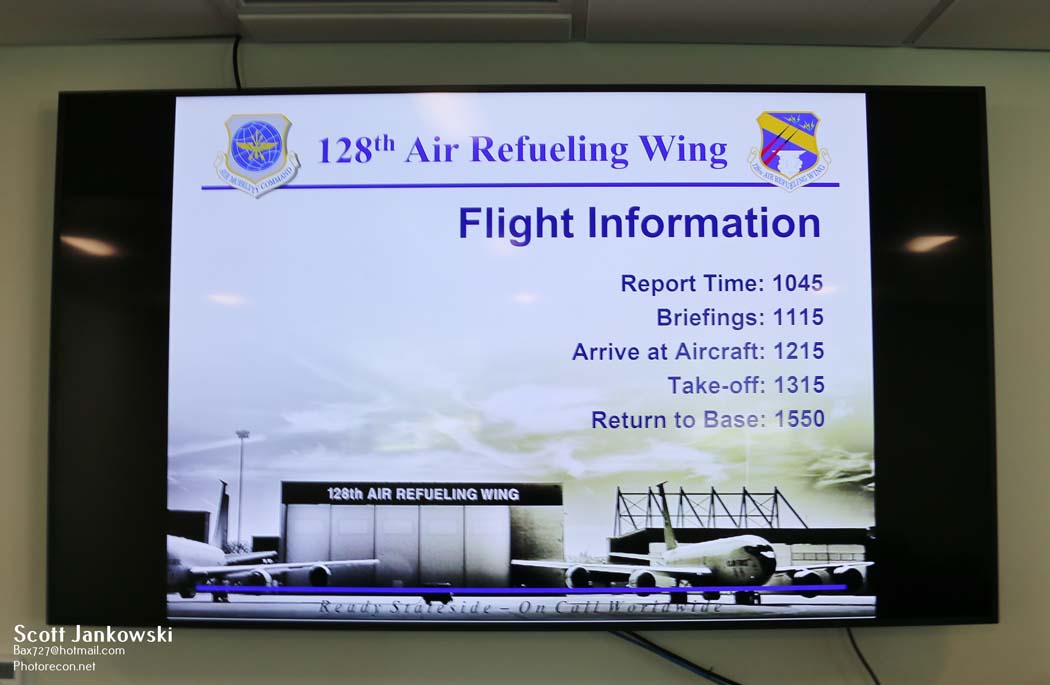
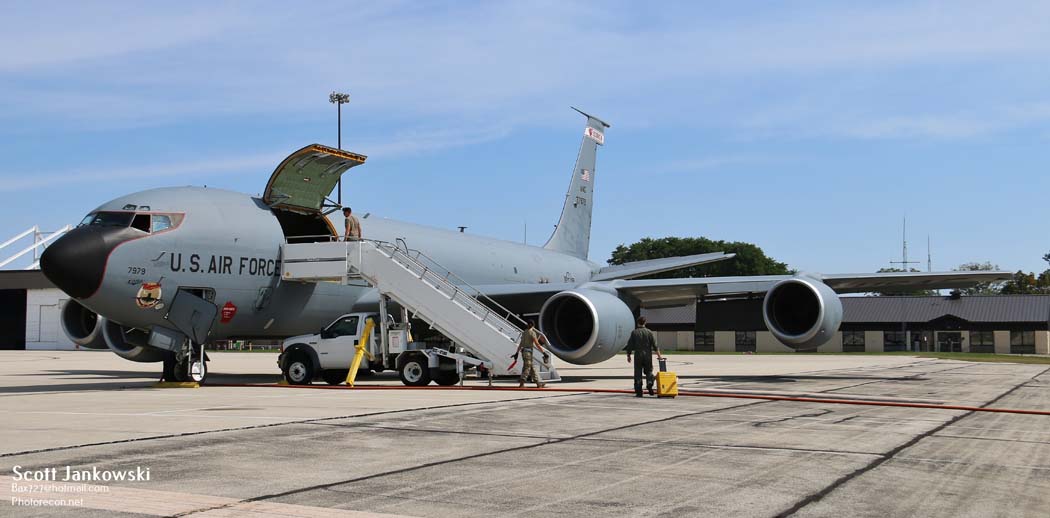
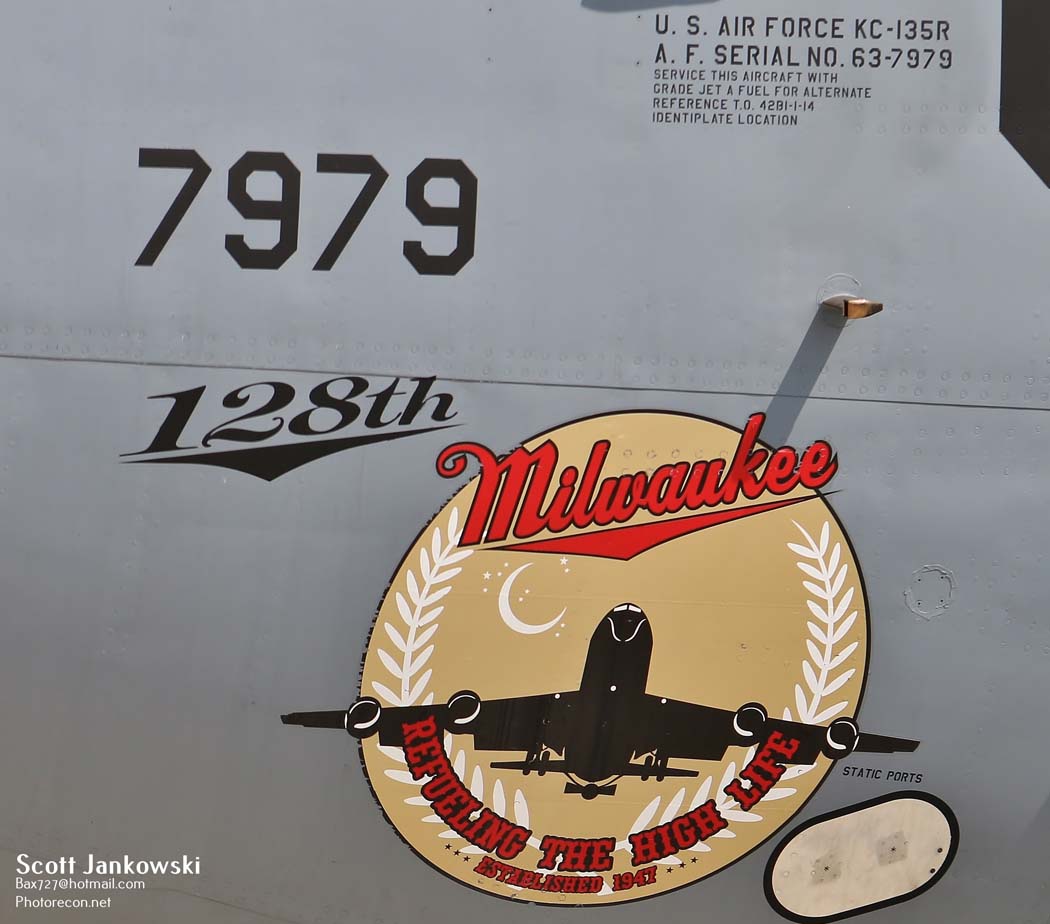
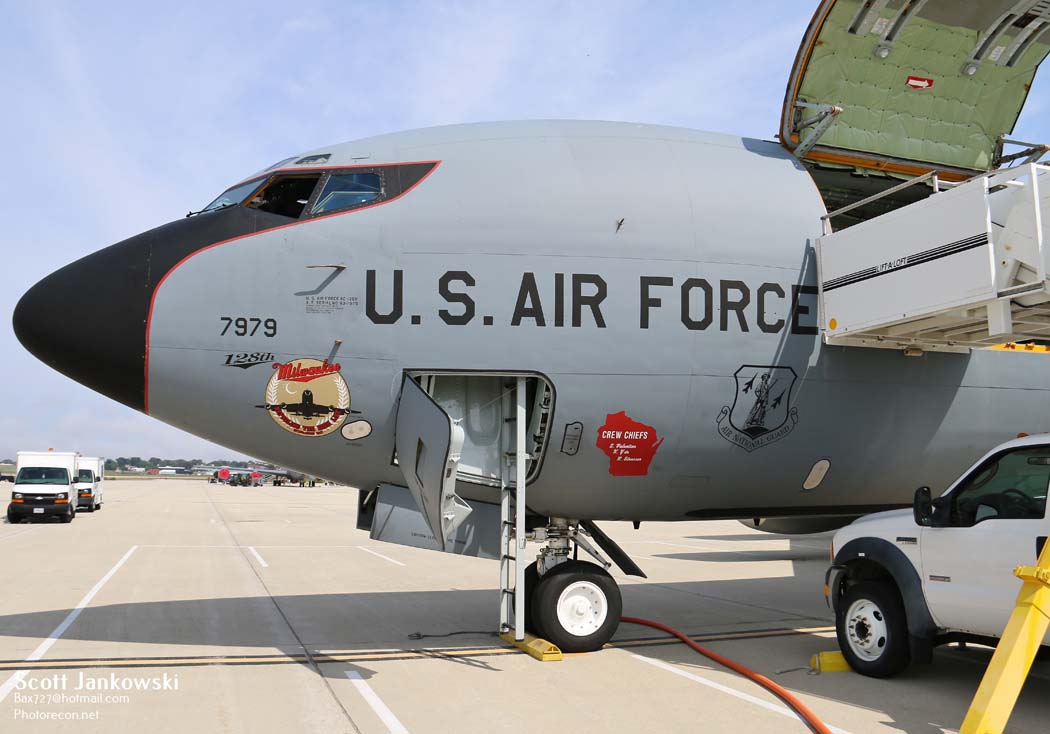
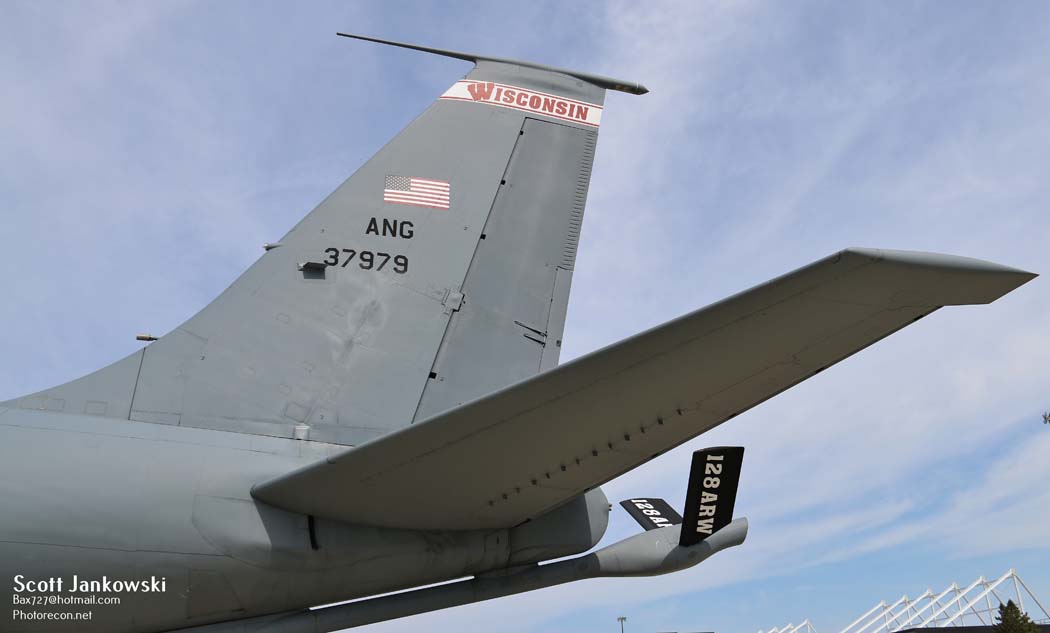
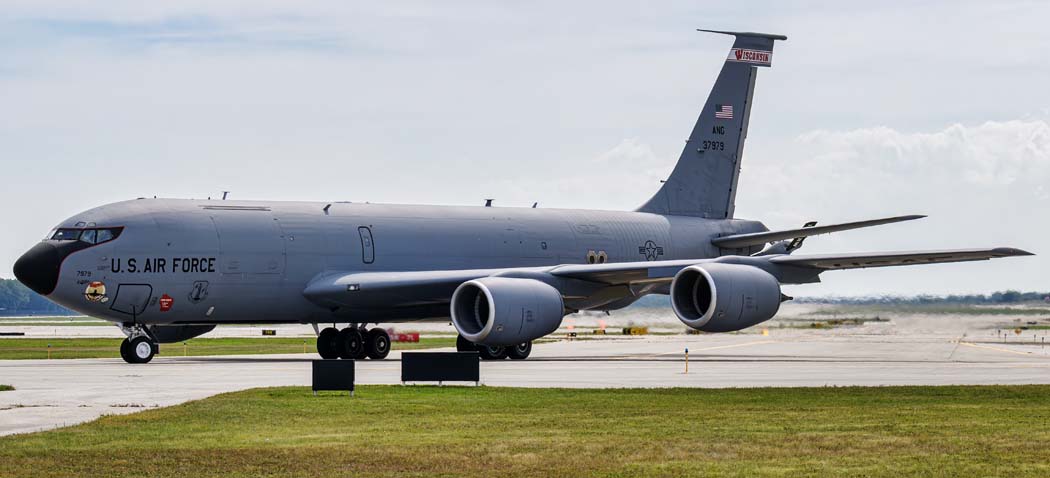
We checked in at the 128th passenger terminal, where we were processed for our flight which would be on Boeing KC-135R Stratotanker serial number, 63-7979, construction number 18596. This KC-135 was manufactured at the Boeing Plant located at Renton Washington and originally built as a KC-135A and later modified and upgraded to an “R” model on 10-1-87. This aircraft was rolled out on 7-11-63 and took its first flight on 8-15-63 with the United States Air Force taking possession of the aircraft on 9-10-63. This particular KC-135R was formerly operated by the 100th Air Refueling Wing based at RAF (Royal Air Force) Mildenhall England before joining the 128th. Once all the paperwork, security screening and formalities were completed we received our security and safety briefing from one of the members of the 128th Logistics Readiness Squadron (LRS). This team manages, distributes, and deploys personnel and equipment for worldwide missions and local needs. This unit handles material management, logistics planning and cargo movement in support of air refueling operations.
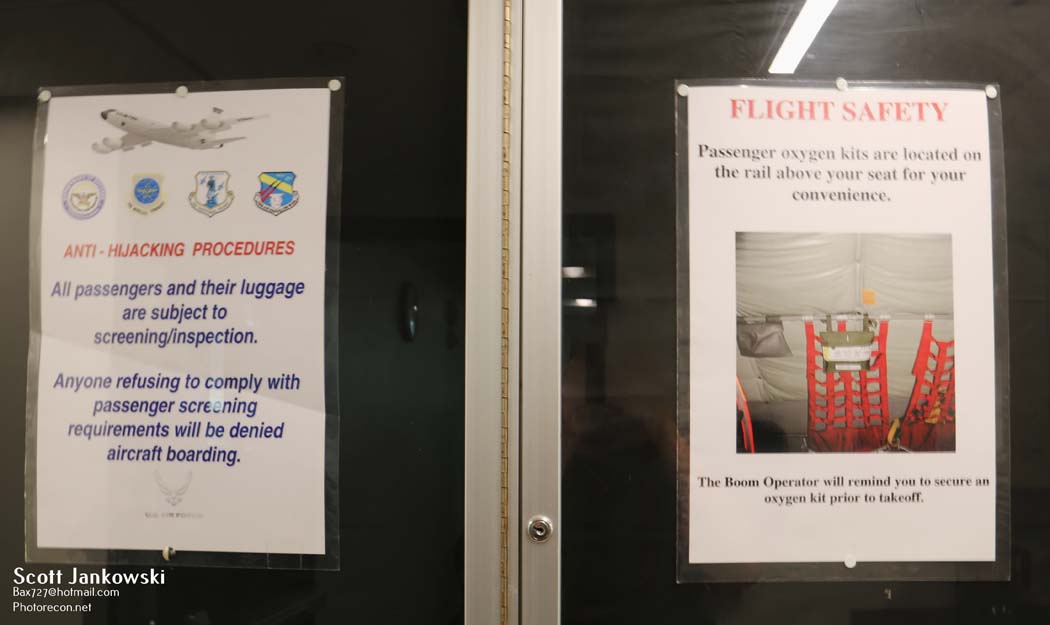
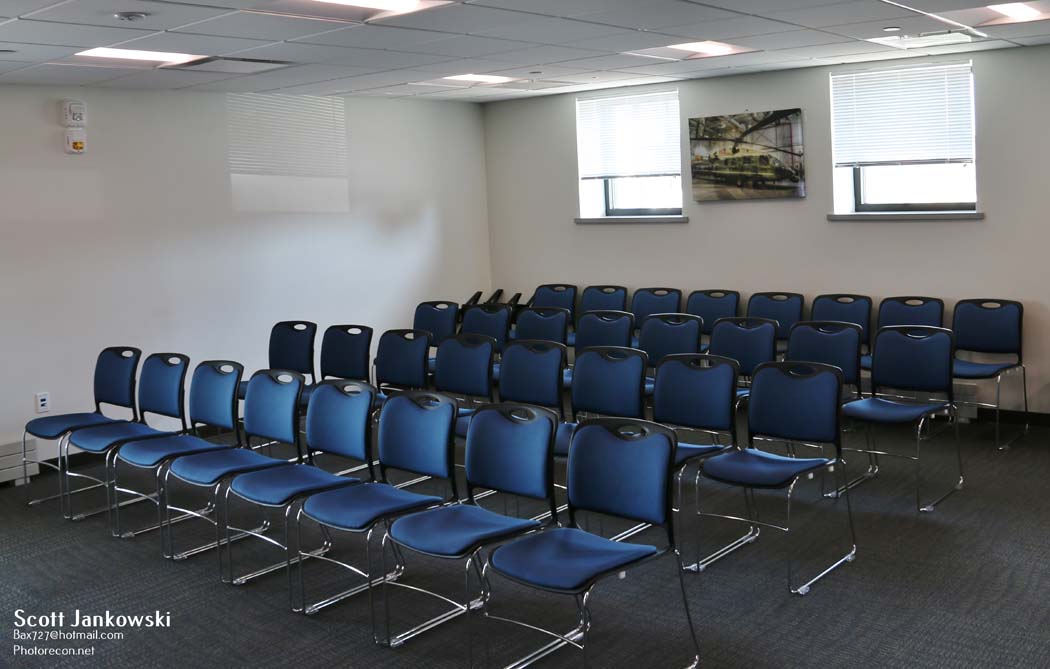
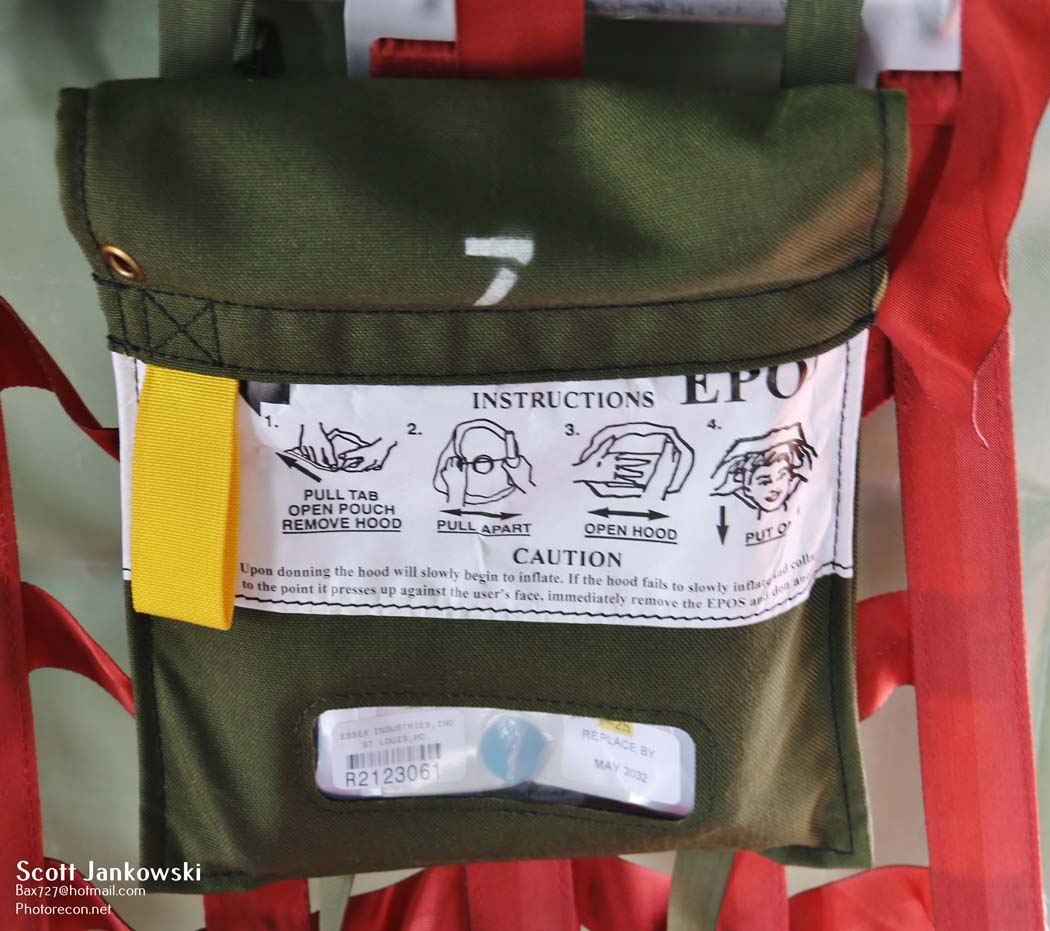
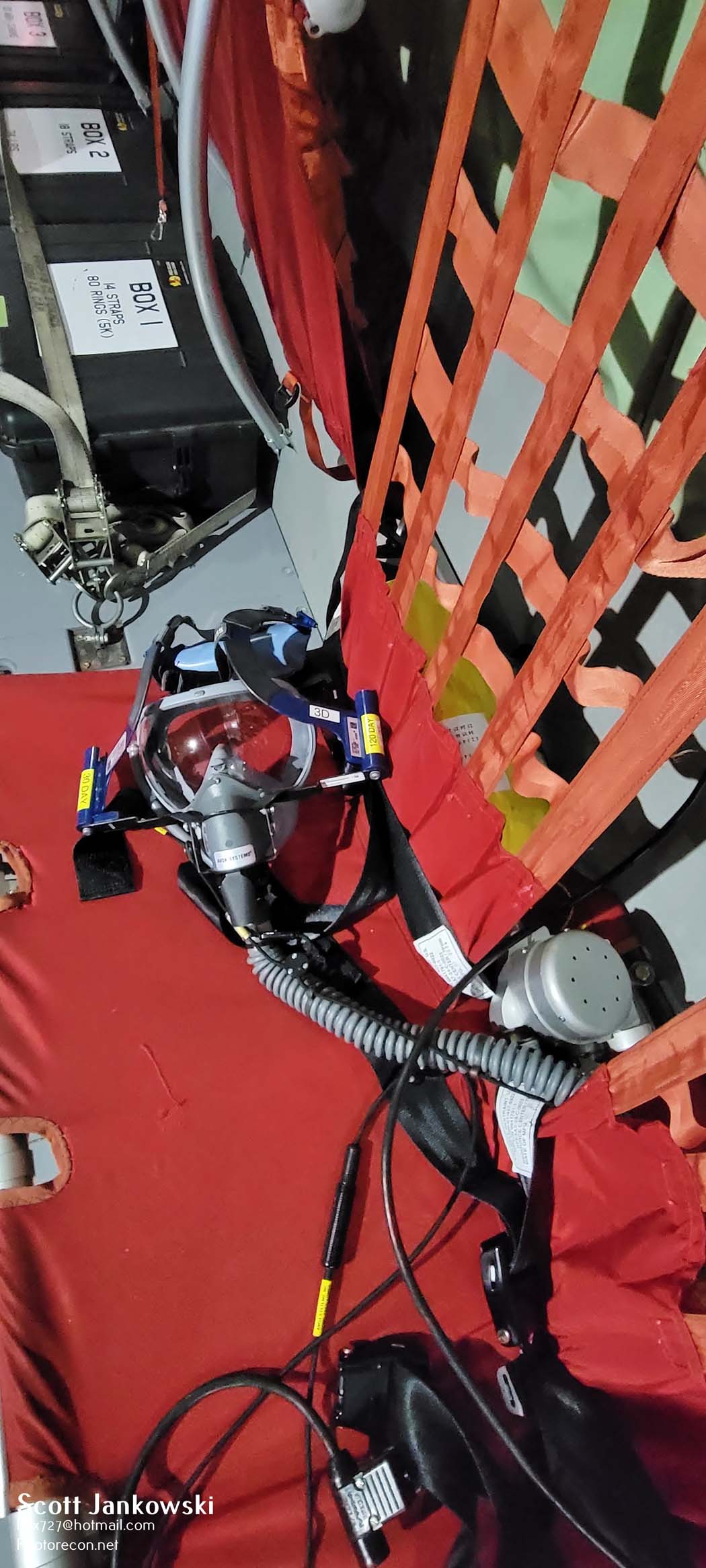
This briefing was very unique as it was conducting in the passenger terminal prior to boarding the aircraft. This briefing included a run down and overview of the mission and what to expect once we were in the air. This briefing included a rundown of the safety features on the KC-135R including where the emergency exits are located and emergency procedures such as how to use the Emergency Passenger Oxygen System (EPOS). This system is a lightweight self-contained protective breathing device for use in emergency egress and escape situations. The EPOS smoke hood is designed to protect the user from fire, toxic fumes, and hazardous chemical spills. The remainder of the safety briefing was played from a VHS Tape which must have been filmed in the late 80’s or early 90’s. This tape must have been played thousands of times as the quality of the picture showed it. We were advised that it would get chilly in flight especially at altitude and it would be rather noisy, we were provided with ear plugs as a result.
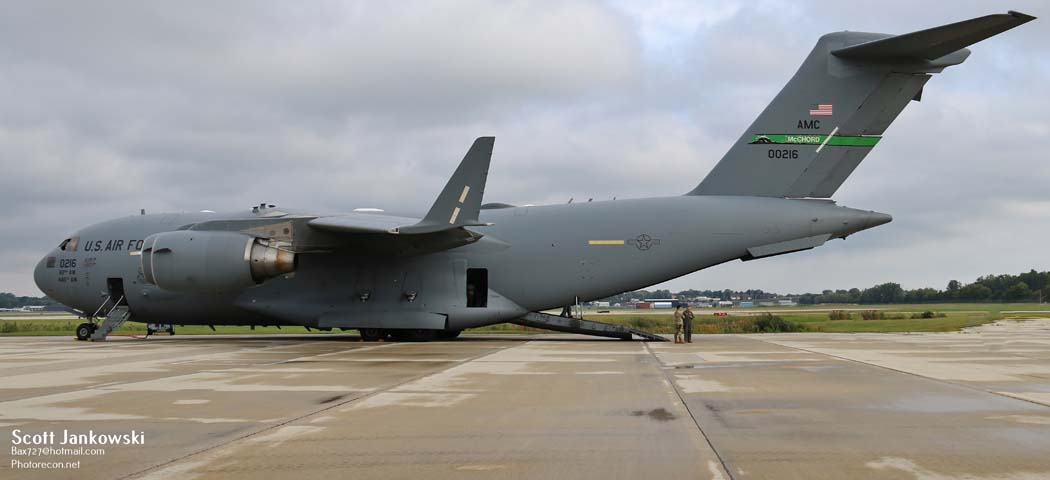
The Boom Operator for our flight took over the briefing at that point to provide more detailed mission information. We would be proceeding Westbound to Eastern Nebraska to rendezvous with “Java 31” a 13-year-old Boeing C-17A Globemaster III, serial number 10-0216, which is based at Joint Base McChord Washington. This C-17 is assigned to the 446th Airlift Wing, which is an associate unit of the 62d Airlift Wind and is part of the United States Air Force Reserve command. The 446th has flown the C-17 since 1999 with its mission statement being “To provide Citizen Warriors and maintain equipment to meet America’s global airlift requirements.” Once we rendezvoused the crew of the C-17 would take turns getting recertified in aerial refueling by performing a series of 3 to 4 dry contacts, meaning no fuel is transferred, and 1 connect where we would transfer 6,000 pounds of JP-8 Jet Fuel.
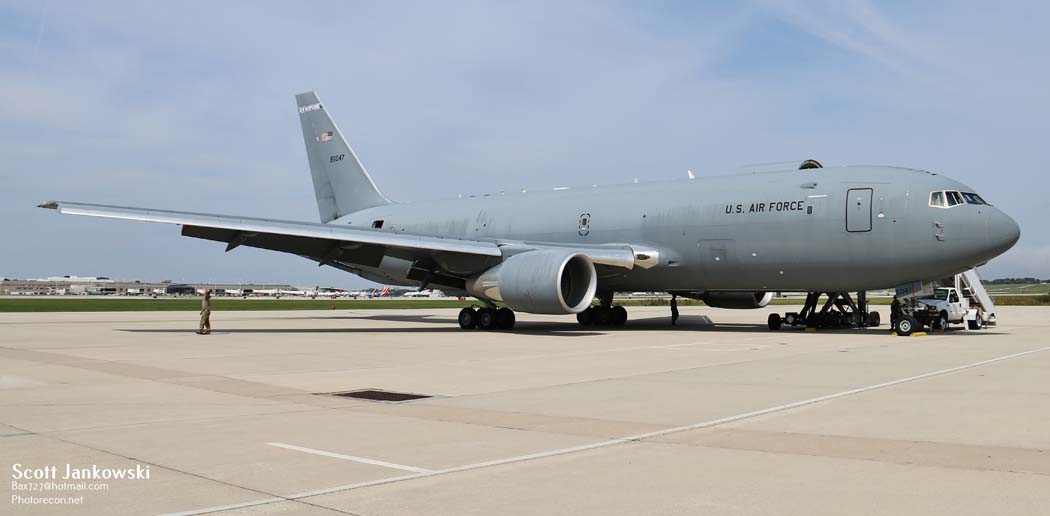
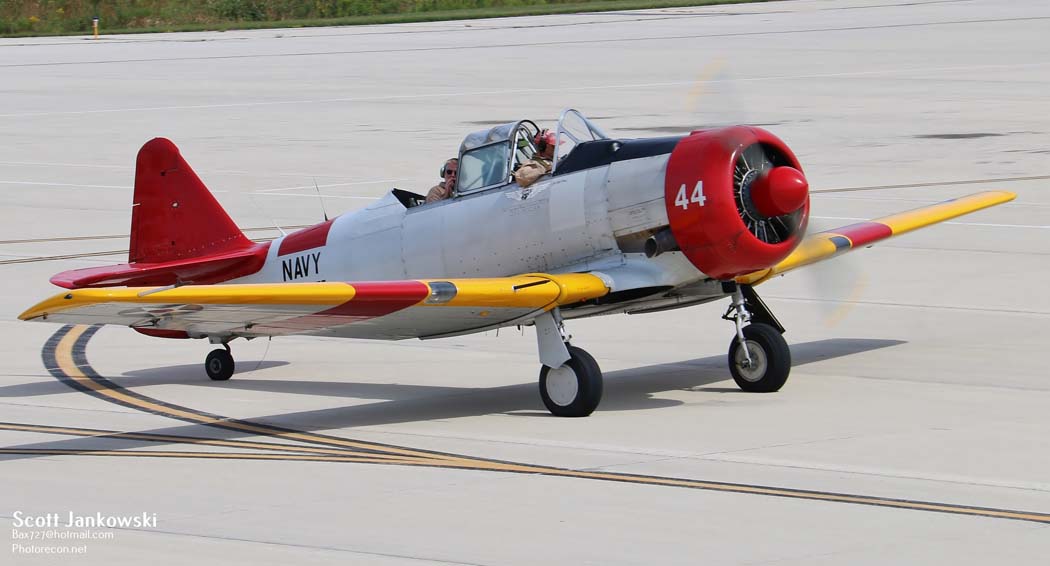
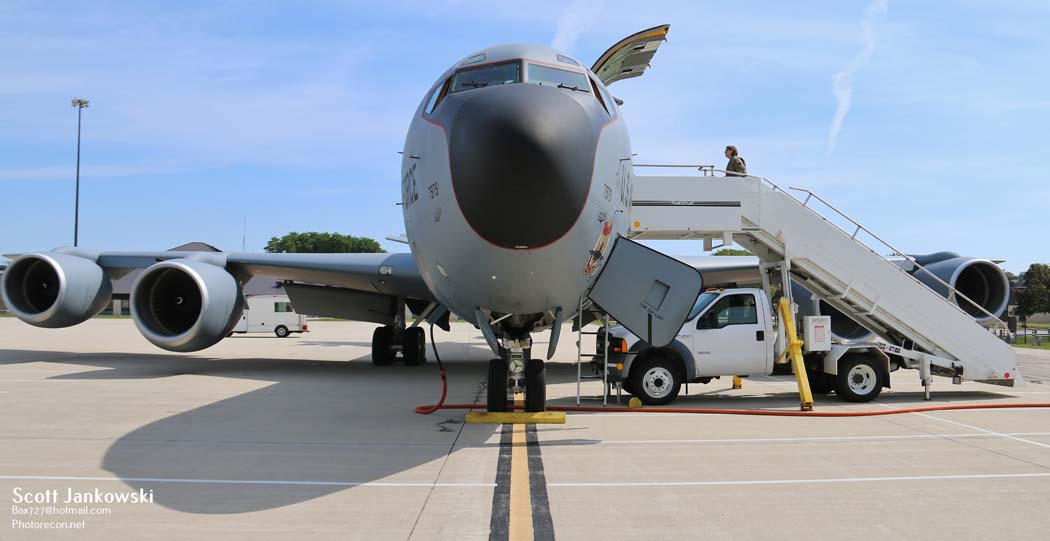
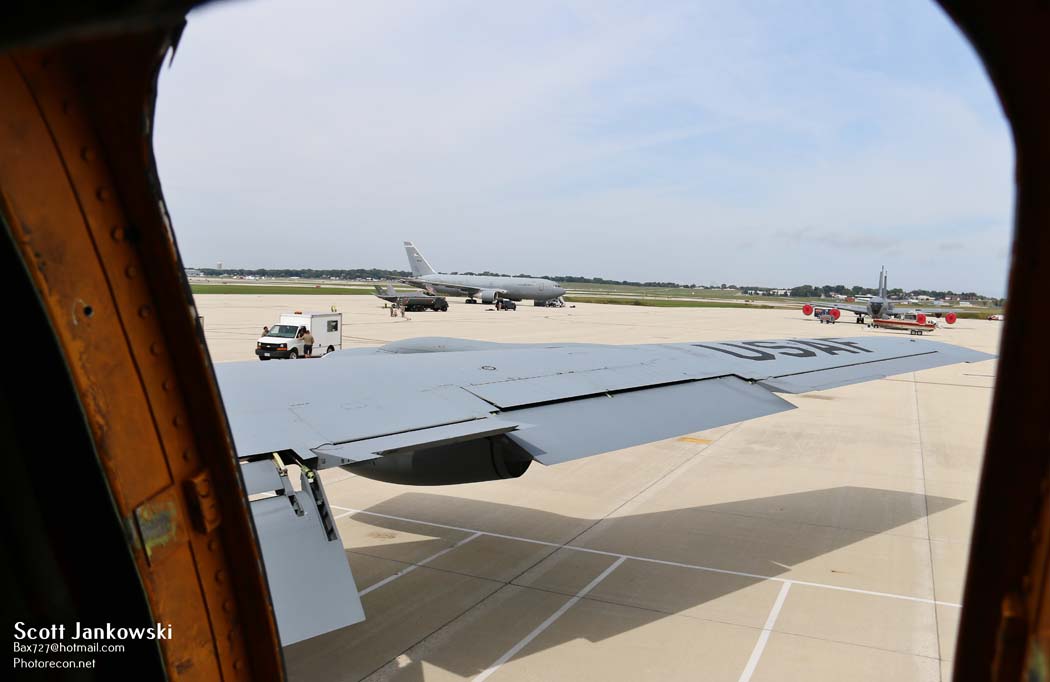
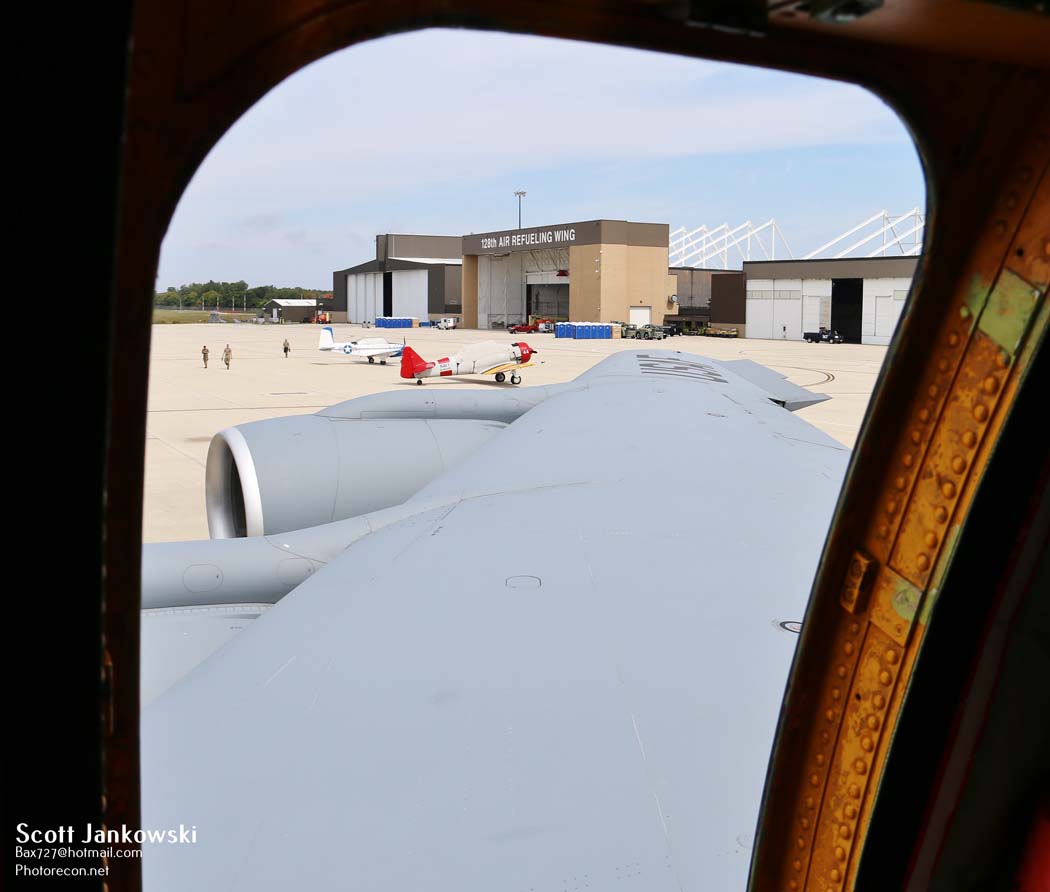
With our briefing concluded we still had plenty of time prior to boarding our KC-135. We headed out to the ramp to get a closer look at the aircraft that we would be flying on today. This particular KC-135 wears special nose art which is very similar to the Miller Coors Brewing Company High Life logo. This nose art has been altered however and features a front view of the KC-135R and the titles changed to read “Milwaukee refuels the high life”. Our departure time was slated for 1300; to pass the time we were escorted to the Northern end of the ramp where a Boeing KC-46A Pegasus just landed as part of the static display for the weekend open house. This aircraft is part of the New Hampshire Air National Guard and is assigned to the 157th Air Refueling Wing based at Pease International Airport in New Hampshire. The KC-46A has been replacing the KC-135 as the primary aerial refueler. We were allowed to visit the inside of the aircraft and spent some time in the cargo hold and were able to photograph 3 more aircraft arriving for the Open House. The first was a Lockheed Martin F-35A Lightning II taxing in after its very short flight from its base at Truax Air National Guard Base, Madison Wisconsin. This F-35A is assigned to the 115th Fighter Wing after previously flying the Lockheed Martin F-16. The Wisconsin Wing of the Commemorative Air Force also arrived with their Beechcraft T-34A Mentor and North American SNJ-5 Texan.
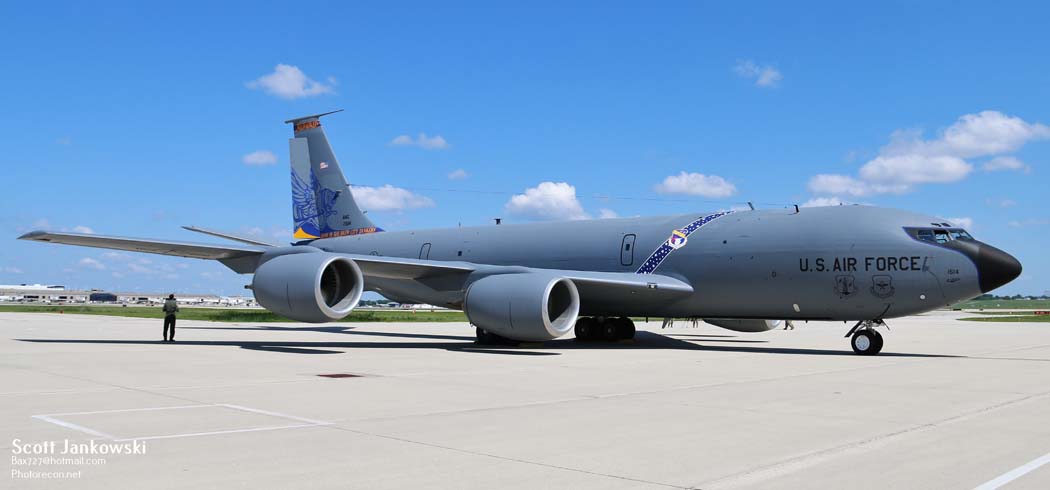
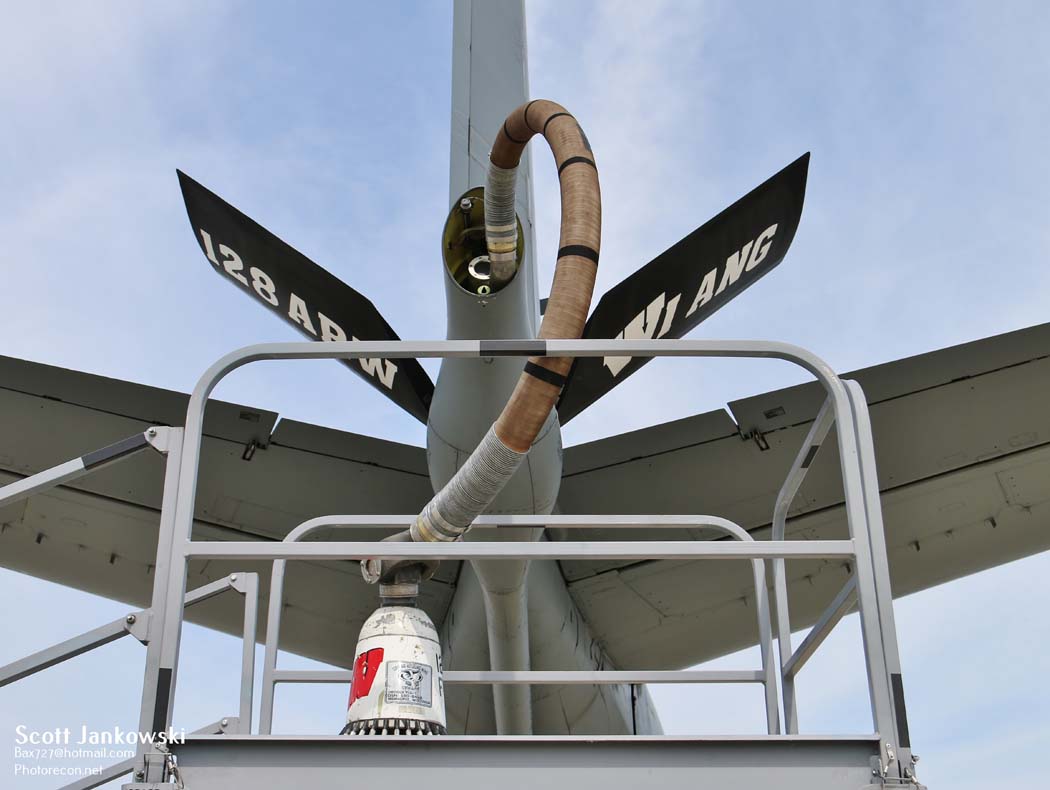
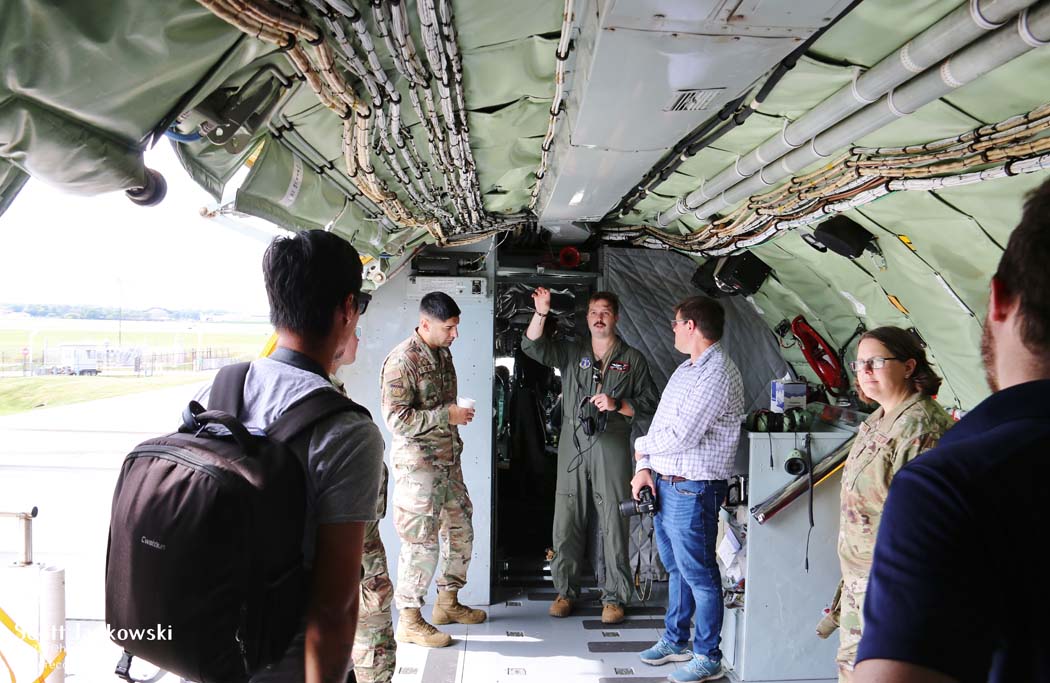
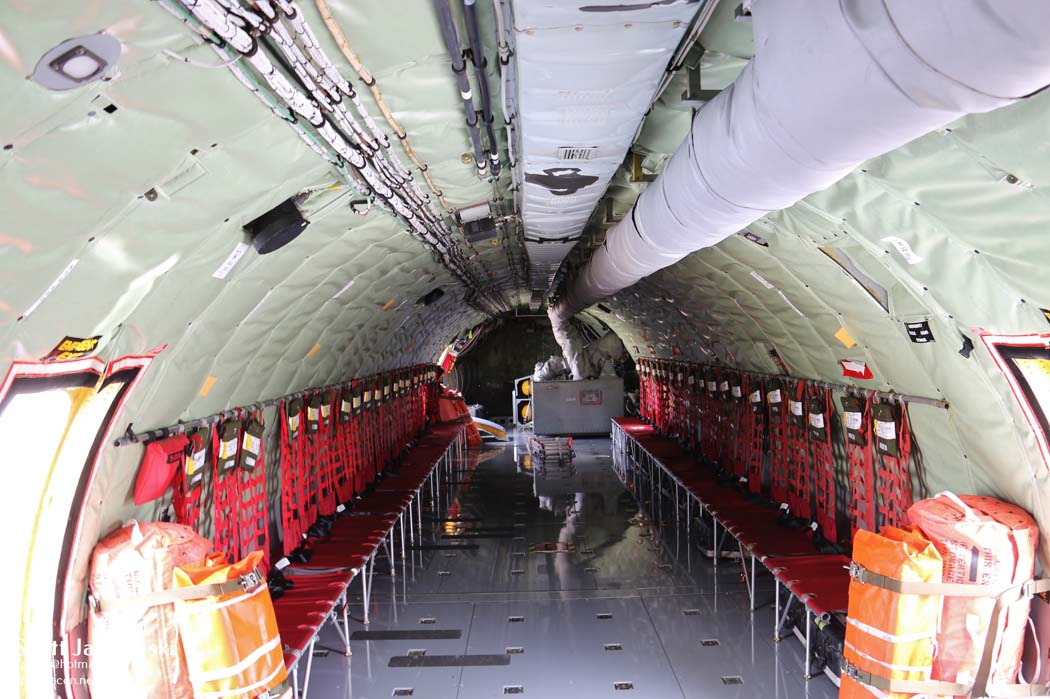
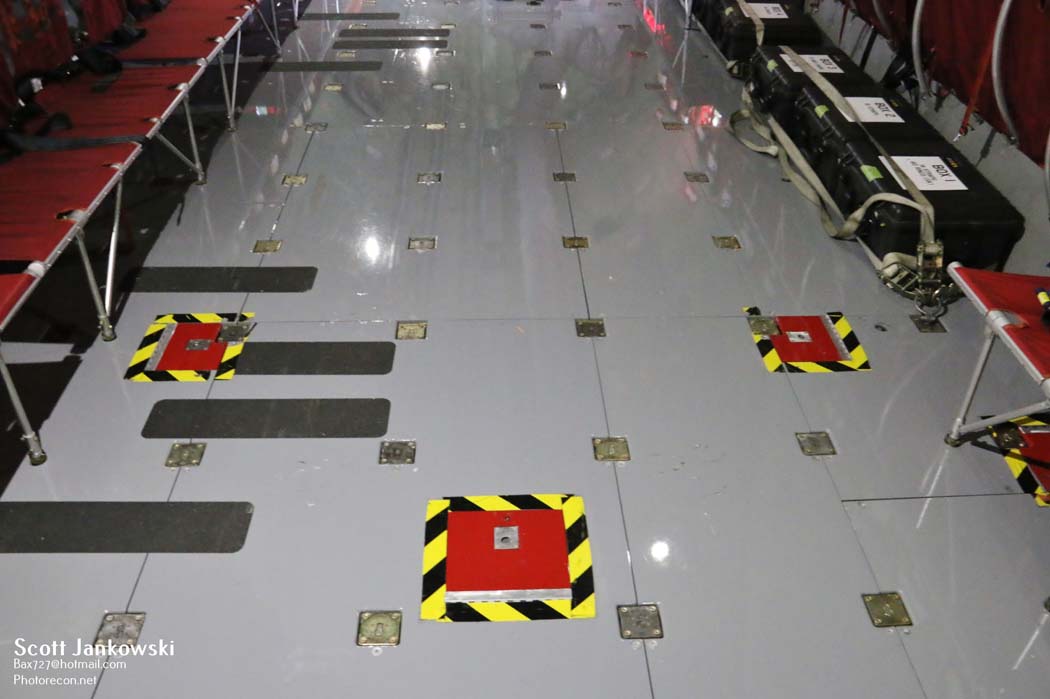
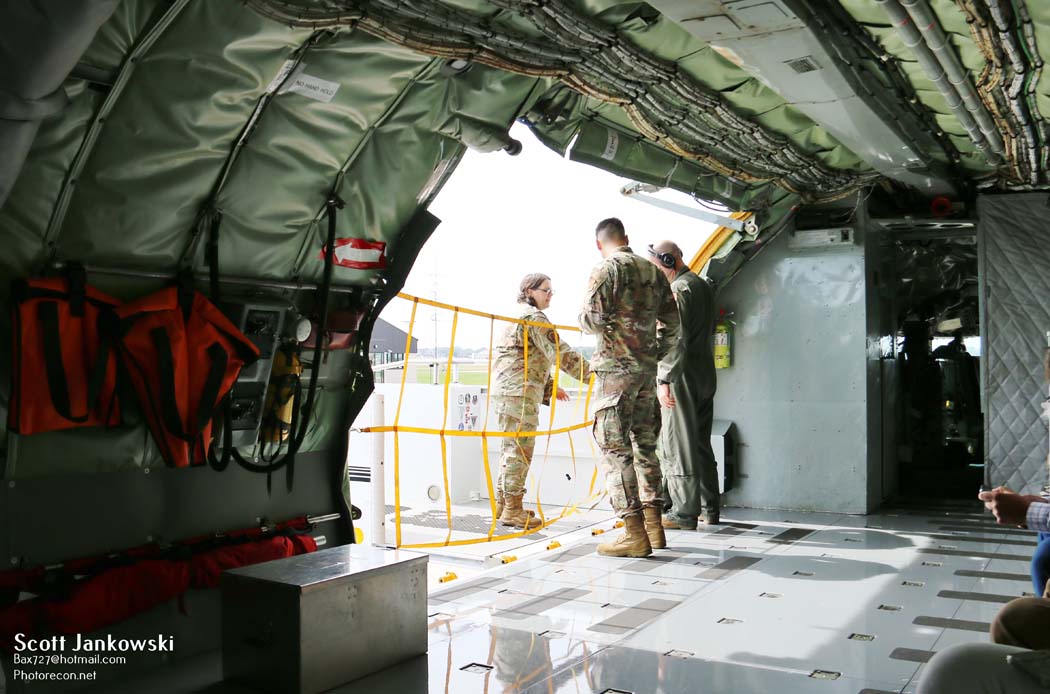
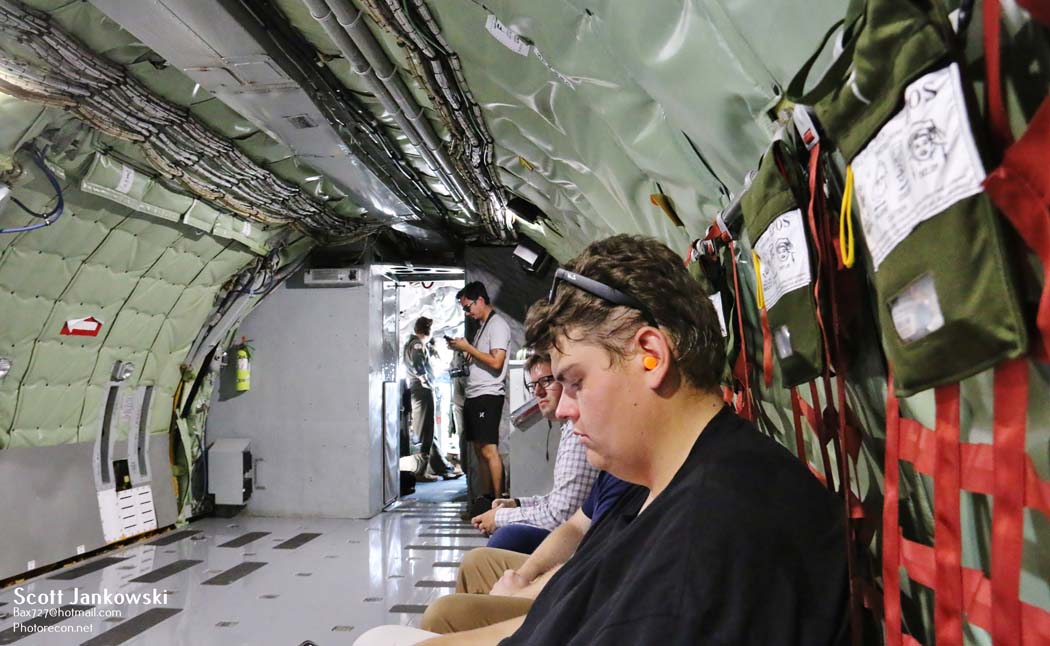
It was time to make our way back to the South end of the ramp after passing two more KC-135R’s set up for display as well. The first aircraft being 65-3512 which had the drogue adapter attached to the boom to allow the KC-135 to refuel aircraft with a refueling probe as opposed to the receptacle. The United States Navy, United States Marine Corps and our NATO allies use this method. Parked behind this aircraft was the 128th Heritage Jet 57-1514 which is painted in the 128th Heritage paint scheme with full color artwork on the tail and fuselage honoring the wing’s past and connection to the City of Milwaukee. We were back at our aircraft where we climbed the portable stair truck and entered the aircraft through the 117×78 inch cargo door on the left side of the aircraft. We were told in our pre-flight briefing that “you could eat off the floor of the wing’s aircraft, as we take some much pride in what we do.” For an aircraft that was manufactured in 1963 the floor was spotless, freshly painted, clean and immaculate. Our seats for the next 2 hours and 52 minutes were as basic as you can get, they are your typical military transport aircraft. They are nothing more than red canvas benches that fold down from the fuselage of the aircraft and fold back up when not in use. These seats were surprisingly comfortable despite their basic construction.
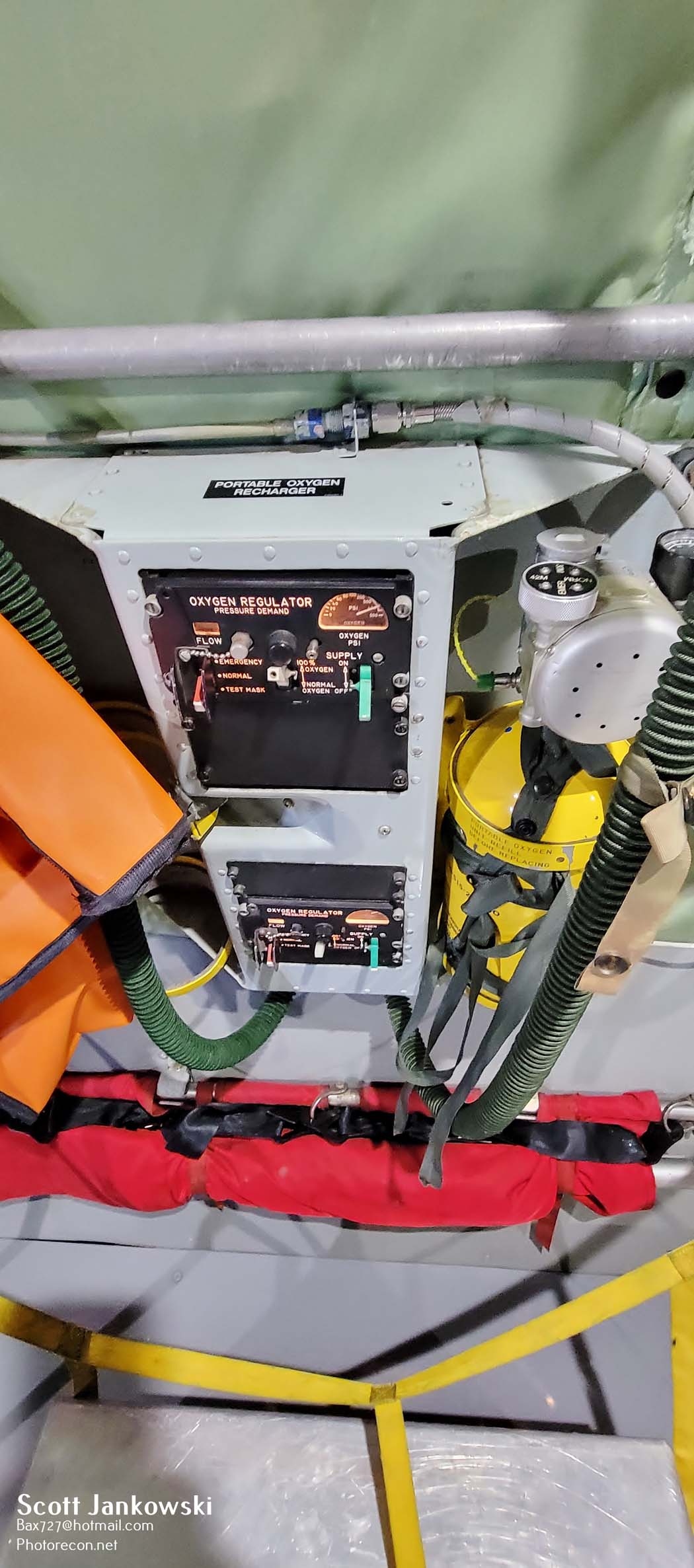
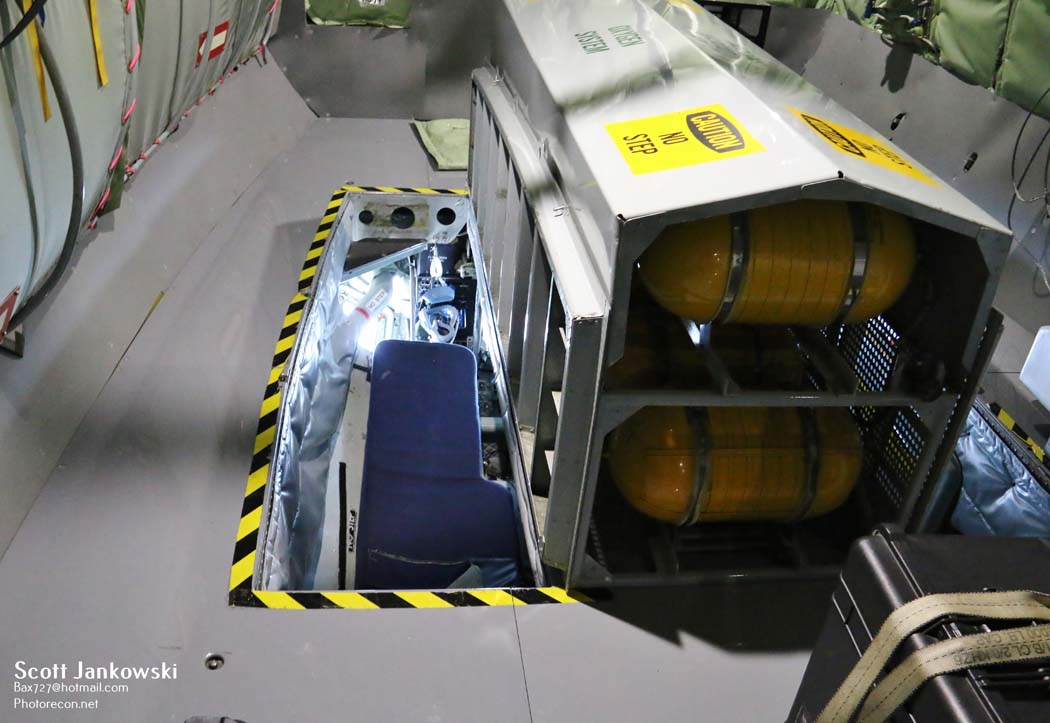
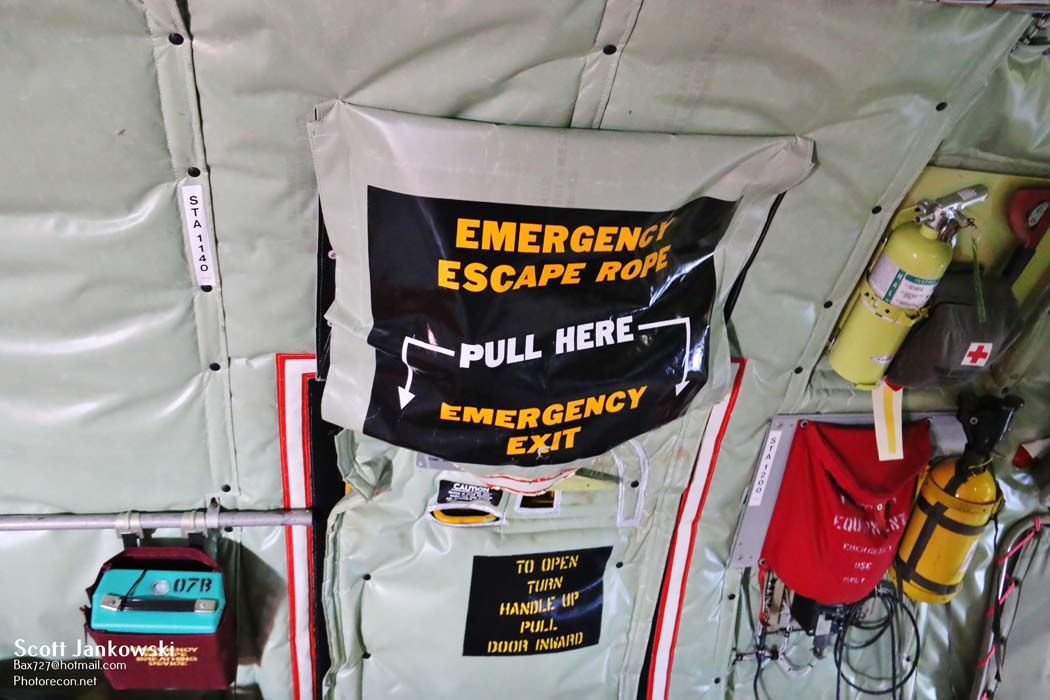
The interior of the aircraft itself is nothing like a commercial airliner, green thermal insulation blankets cover the fuselage in order to keep the cabin a comfortable temperature and minimize noise somewhat. There is electrical wiring, piping, and ductwork run the length of the fuselage. The ELT (Emergency Locator Transmitter) is located on the left side of the fuselage. The floor contains several cargo tie down points with inflatable life rafts located at the emergency overwing exits in orange canvas bags, emergency escape ropes are located above the doors. The center part of the floor contains the view ports in which to confirm the main landing gear is down and locked in case of an unsafe gear indication in the cockpit. Underneath the seats can be found several boxes containing various equipment including straps for cargo tie down. Working your way towards the tail you will find the racks containing the oxygen bottles located directly above the boom pod. The dual APU’s (Auxiliary Power Unit) which are used to provide electrical and pneumatic for starting the aircraft without the need of ground support equipment. The walls above the boom pod contain bunks used for crew rest during long range missions. The boom pod is located in the bottom of the fuselage with entrances on both the left and right side of the oxygen bottle rack.
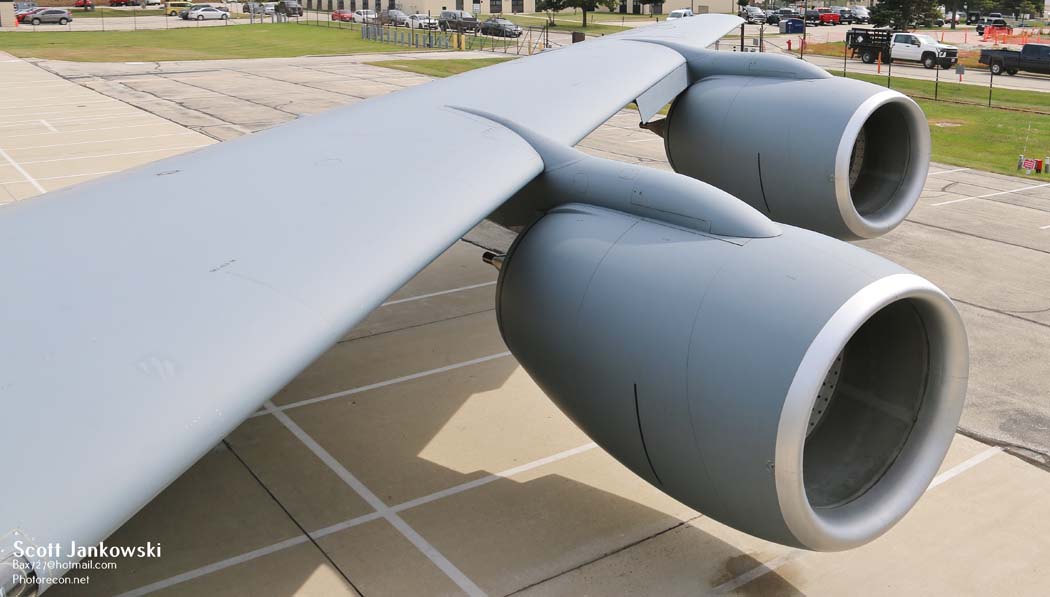
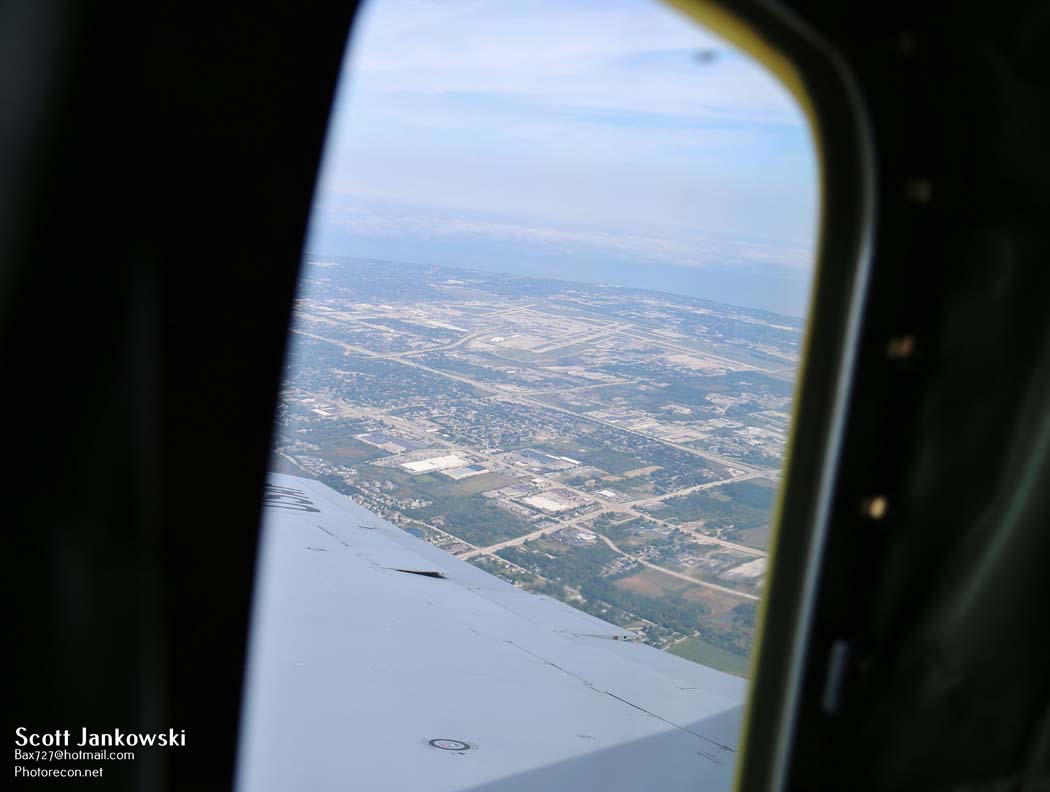
With the 5 of us onboard and buckled in, the stair truck was pulled away from the aircraft, once the stairs were clear, our boom operator closed the cargo door as well as the emergency overwing exits. The KC-135R is powered by 4 CFM International F108-CF-100 turbofan engines each generating 21,000 pounds of thrust were started, we began our taxi. Exiting the 128th ramp on the South end via Taxiway “Whiskey” with a right turn onto Runway 19 Left with a left turn on to taxiway “Sierra” crossing Runway 19 Right which would be our departure runway today. With a right turn onto taxiway “Tango” which turns into taxiway “Echo” after we crossed runway 25L/7R. We taxied in front of a 148th Fighter Wing Lockheed Martin F-16D Fighting Falcon from the 148th Fighter Wing that just arrived for the static display during Open House weekend. Our taxi took us to the end of the 9,990-foot-long Runway 19 Right, at 1327 our Boeing KC-135R which is 136 feet long, a maximum takeoff weight of 322,500 pounds, with a fuel capacity of 200,000 pounds, and a cargo capacity of 83,000 pounds or 6 pallet positions launched out of Milwaukee. We were lightly loaded and rotated after using approximately 5,000 feet of runway to get airborne, after climbing to 2,500 feet we started our right turn Westbound, climbed to 30,000 feet and headed for AR-105, the refueling track that runs from Nebraska to Iowa.
** Taxi and departure photos of 63-7979 courtesy of Mr. T.J. Van Haag**
Video #1 – Pre-departure:
Video Project 4.mp4 – OneDrive
In part 2 of this article, we will pick up with the events once we are at cruising altitude. Until next time, “Blue Skies To All!”