Minnesota Military & Veterans Museum Grand Opening
Story and photos by Del Laughery
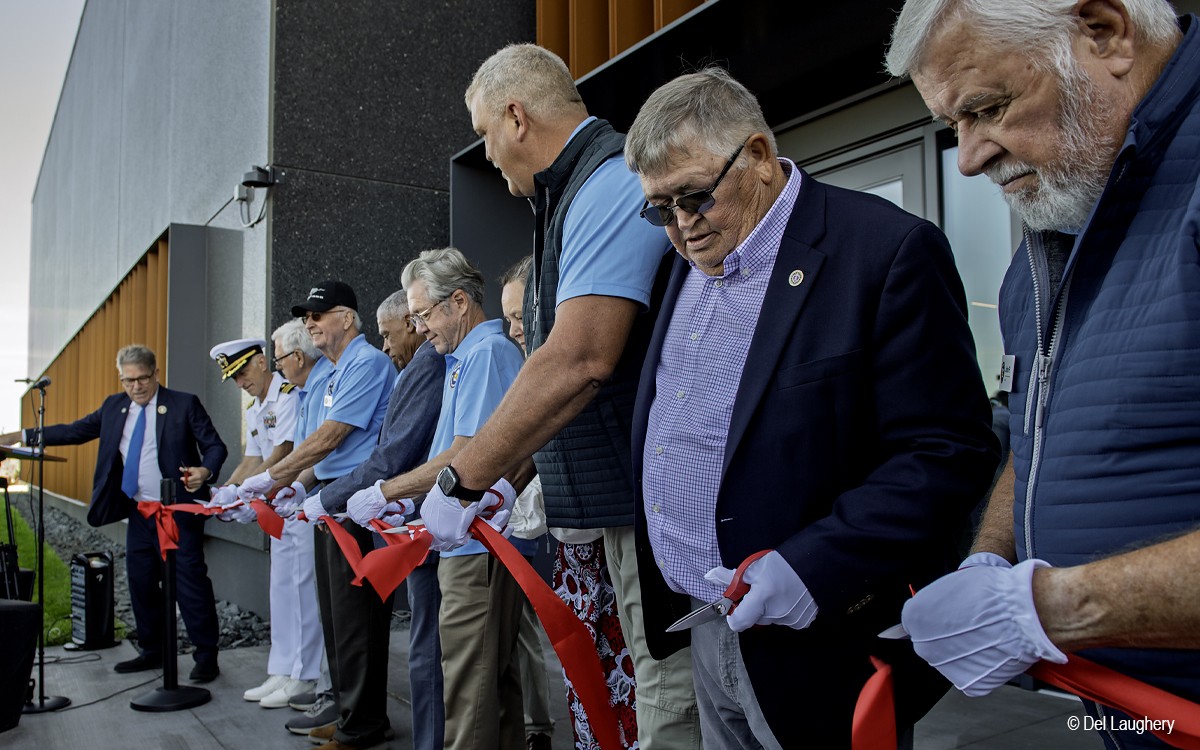
When you envision an organization’s grand opening, you would appropriately think of an event that invites the public to experience the location on its first day of business. For instance, picture a somewhat larger than normal crowd, perhaps some balloons, some colorful signage, and a ribbon cutting. Now I want you to disregard that initial mental image and realign your thinking to how the new location for the long-established Minnesota Military & Veterans Museum (MM&VM) did it this past September 11 – 13, 2026.
The multiday affair wasn’t just an opening as much as it was a series of well thought out and expertly accomplished experiences designed to announce its presence and kick off a new era for this world-class national treasure of artifacts and their connection to nine notable conflicts:
– Civil War – Spanish American War – World War I – World War II – Korean War – Vietnam War – Post-Cold War Era including Gulf War 1 – Global War on Terror – Iraq & Afghanistan
At least as important is the museum’s unique focus on veterans generally, Minnesota veterans specifically, and the key roles the state’s population played in all of the struggles. More about that in a moment.
Before getting into specifics about the opening, let’s look at a bit of history as it pertains to the museum itself. The original location, inside Camp Ripley, just north of Little Falls, MN, opened in 1977 after three organizations, the Minnesota Department of Military Affairs, the Minnesota National Guard Association, and the Minnesota Historical Society agreed to pool resources to establish a state military museum. Originally housed in a former enlisted men’s club on Camp Ripley, the small but growing collection of artifacts moved to a very small second facility – an early 1930’s-era regimental headquarters building, again on Camp Ripley – in 1987, where it remained until 2026. The small physical footprint of this second building forced museum staff to store most of their collection of artifacts in buildings that were largely not open to visitors.
The obvious down-side to locating a museum on a military installation is the actual, or perceived, lack of access opportunities by the public. Even though civilians could, in fact, present themselves at the base main gate and drive the short distance to the museum, most people likely felt uncomfortable doing so. Another issue that the museum had to contend with was the fact that the museum was not visible to passing civilian traffic. Both of these issues resulted in a terrific, though diminutive, museum with very little foot traffic.
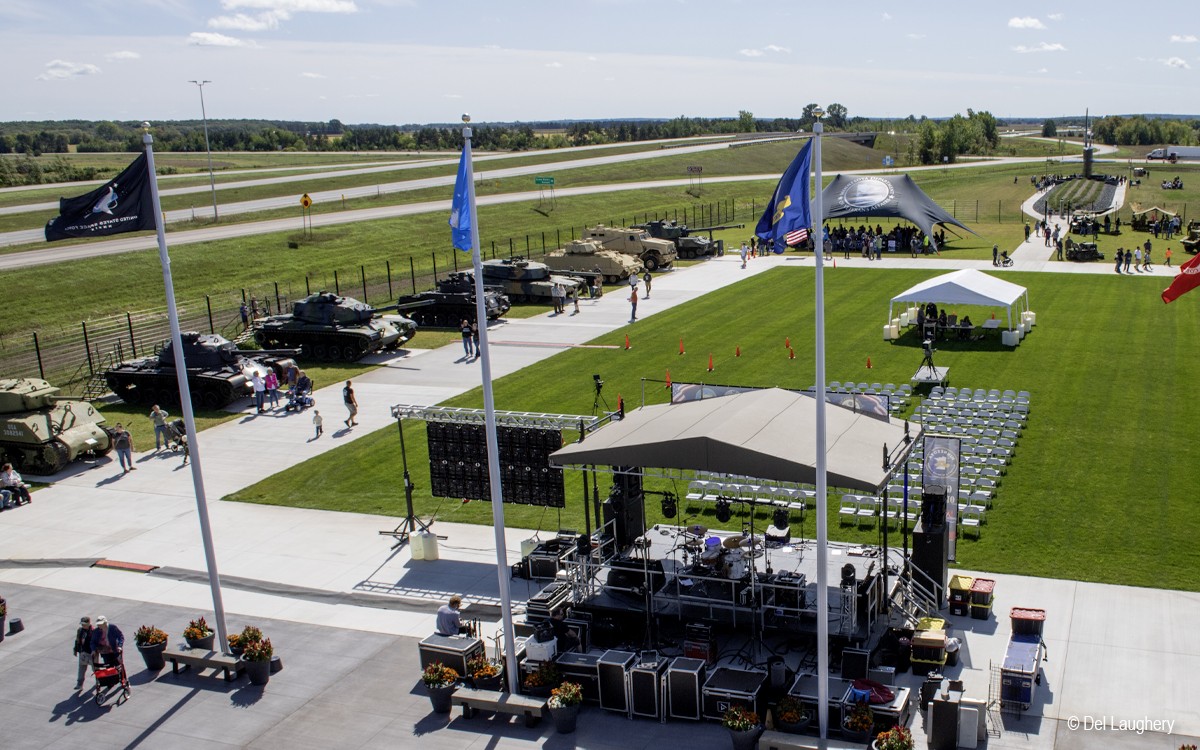
With the opening of the new, much larger, facility now off base along state highway 371, much of the previously stored artifacts are displayed for visitors to visually experience and come away with a new perspective on not just military hardware but also the men and women who served.
In addition to their long-standing collection of significant hardware, the museum recently received three notable artifacts.
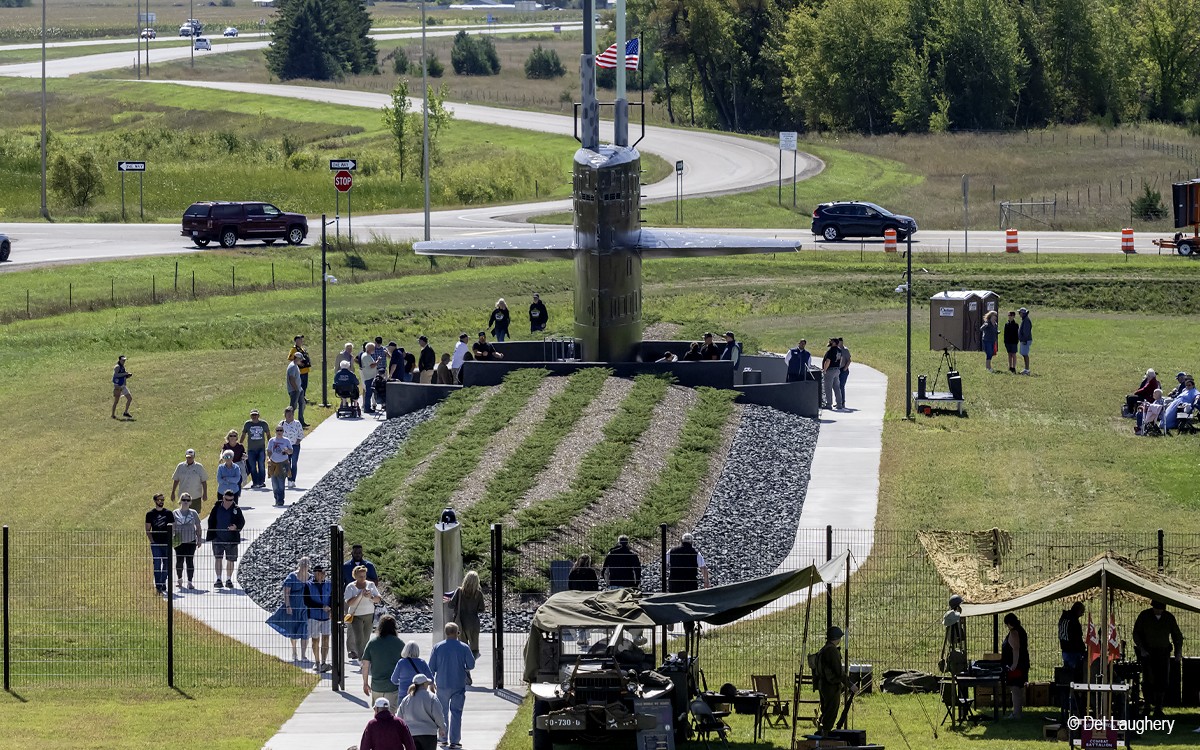
– The sail and rudder of the USS Minneapolis-St Paul, SSN-708, a Cold War-era Los Angeles class attack submarine that served from 1983 through 2008.
– The #3 main gun from USS Ward, DD-139, an almost entirely Minnesota Naval Reserve-manned WW I-era destroyer that fired the first American shots of WW II when it engaged and sank a Japanese mini-sub attempting to enter Pearl Harbor on the morning of December 7, 1941, in the hours prior to the infamous aerial attack.
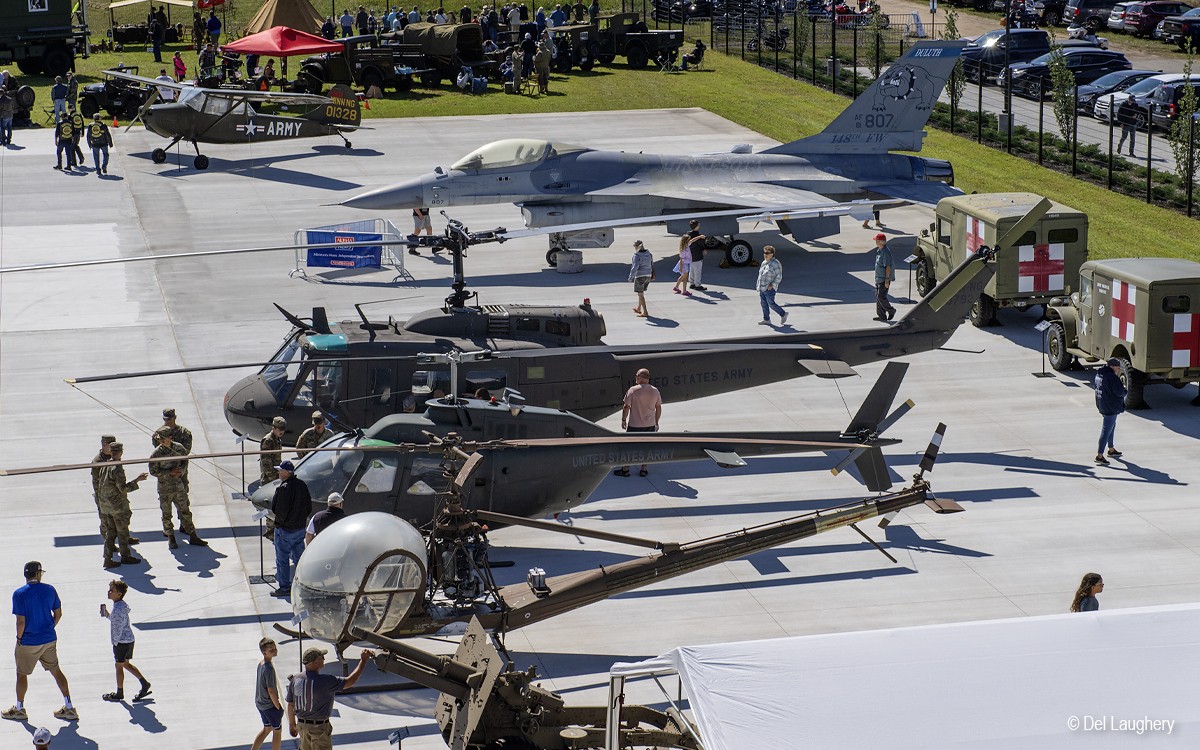
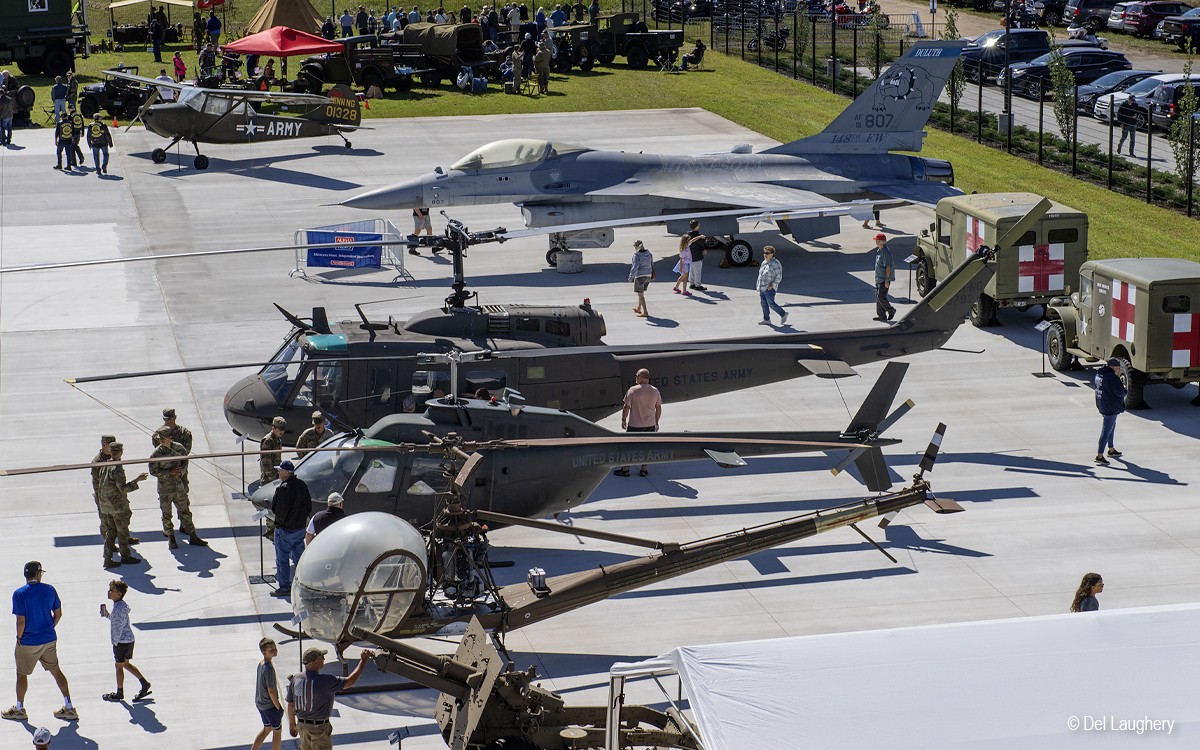
– An F-16A Fighting Falcon, serial 81-0807, that flew from Duluth, MN, for the Minnesota Air National Guard.
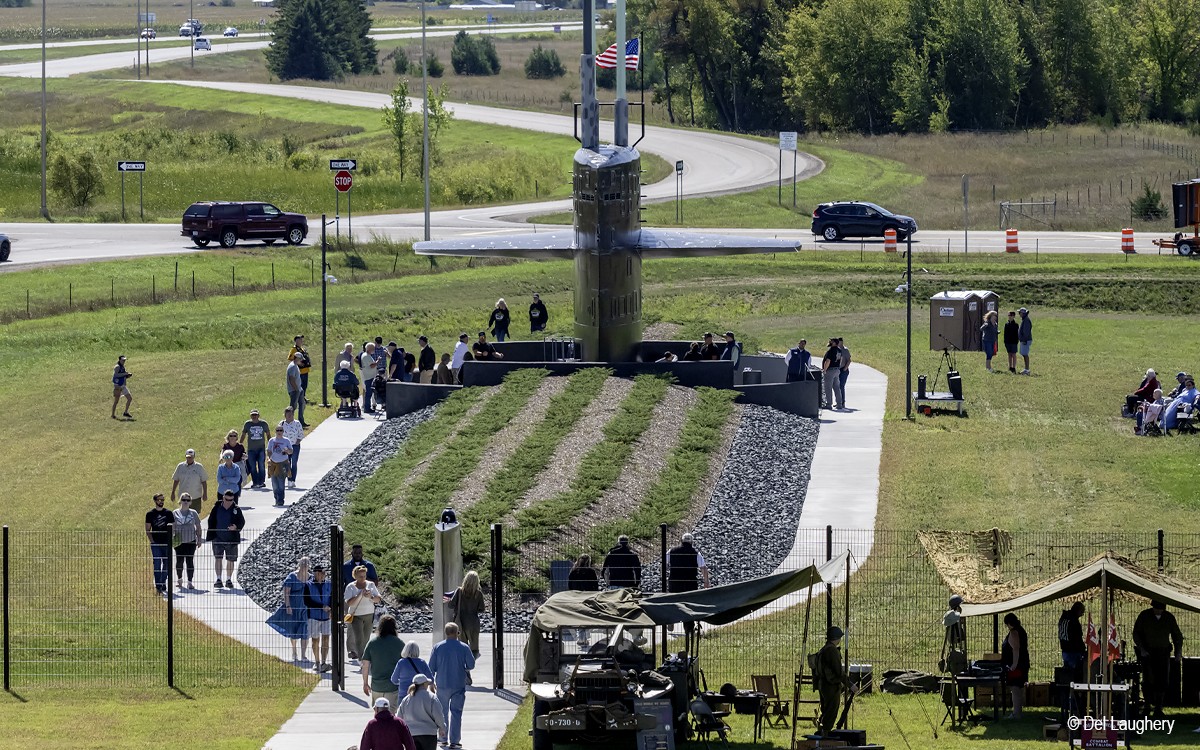
If those additions aren’t impressive enough, the museum expects to receive a North American P-51D, which will be hung inside the building, a McDonnel-Douglas F-4 Phantom (either a D-model or an RF-4C, I’m not certain which) that will sit alongside the F-16 outdoors, and a C-130H, anticipated to be placed next to the museum’s impressive armor lineup. All of these aircraft flew for the MN ANG, thus maintaining the Minnesota veteran connection that this museum strives for each and every day.
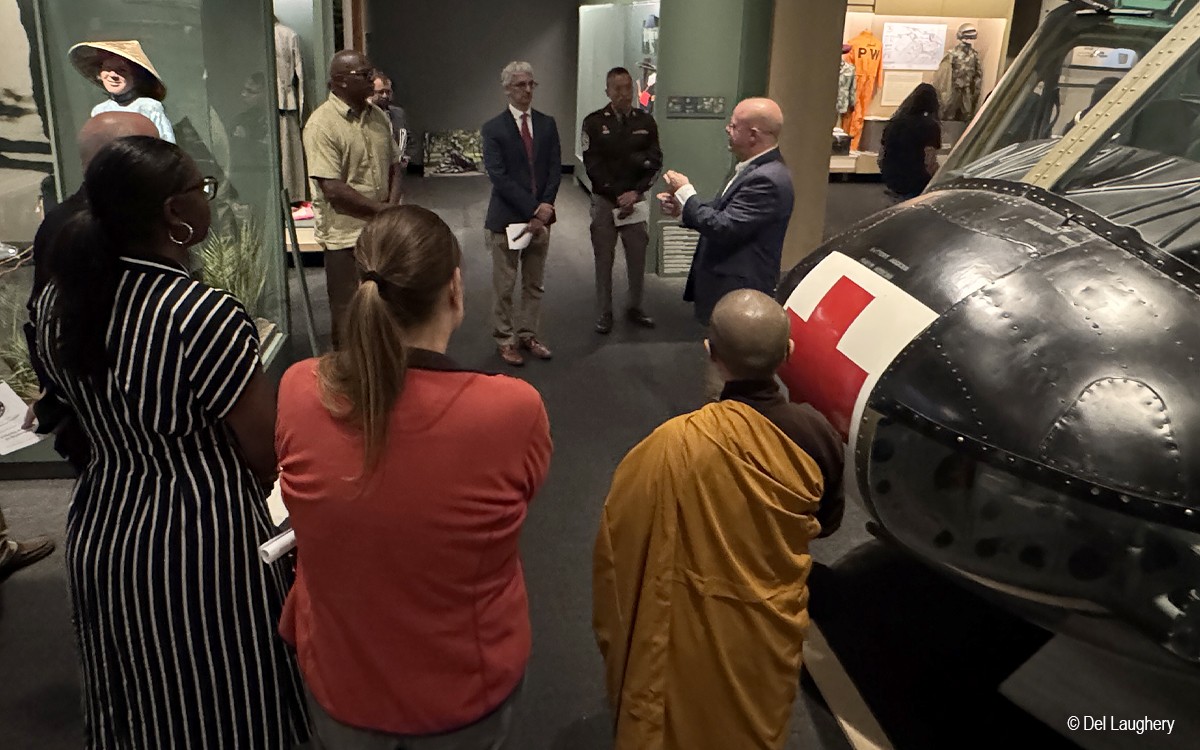
Every one of the museum’s conflict galleries highlights one or more specific Minnesotans and their contribution to the national crisis. Visitors can learn about a 16-year-old who earned the Medal of Honor during the Civil War, a Marine who helped raise the first flag on Mt. Suribachi over Iwo Jima during World War II, or more recently a M1A1 Abrams tank commander’s experience during the 100-hour battle to free Kuwait in 1991. So, it was with quite a bit of excitement, reverence, respect, and a thoughtful eye to the past that the museum staff, as well as docent volunteers, marked the occasion of the new building’s opening.
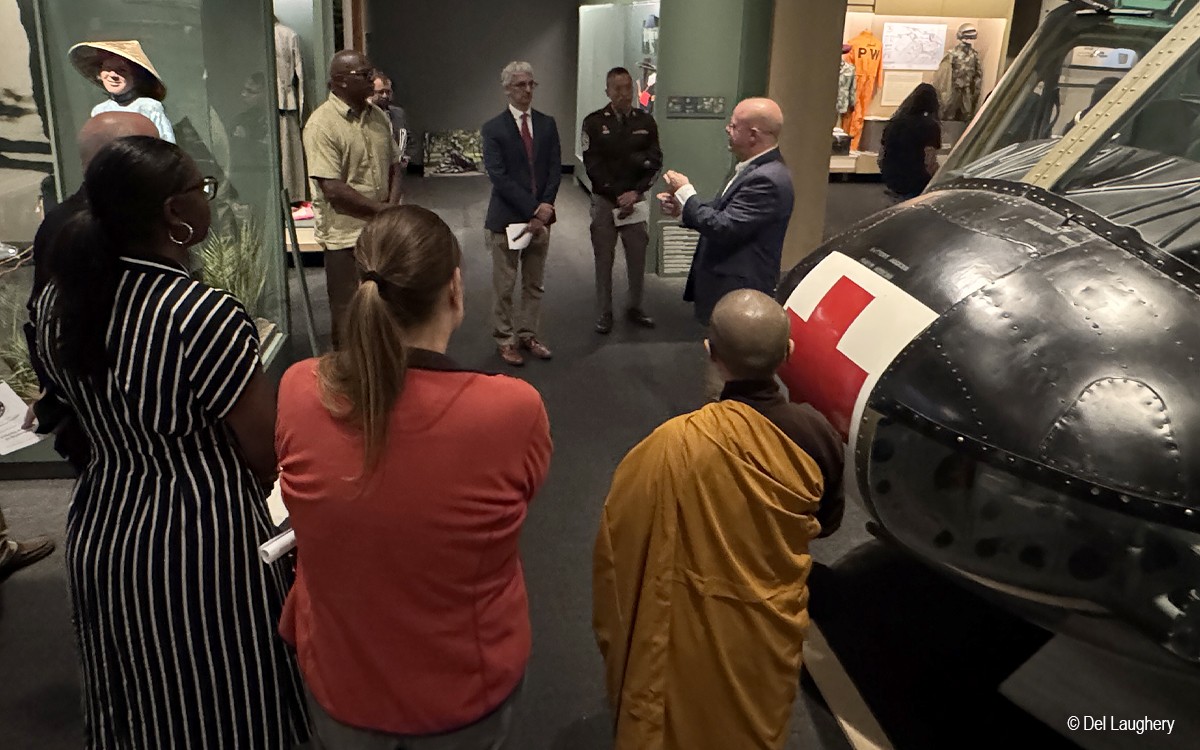
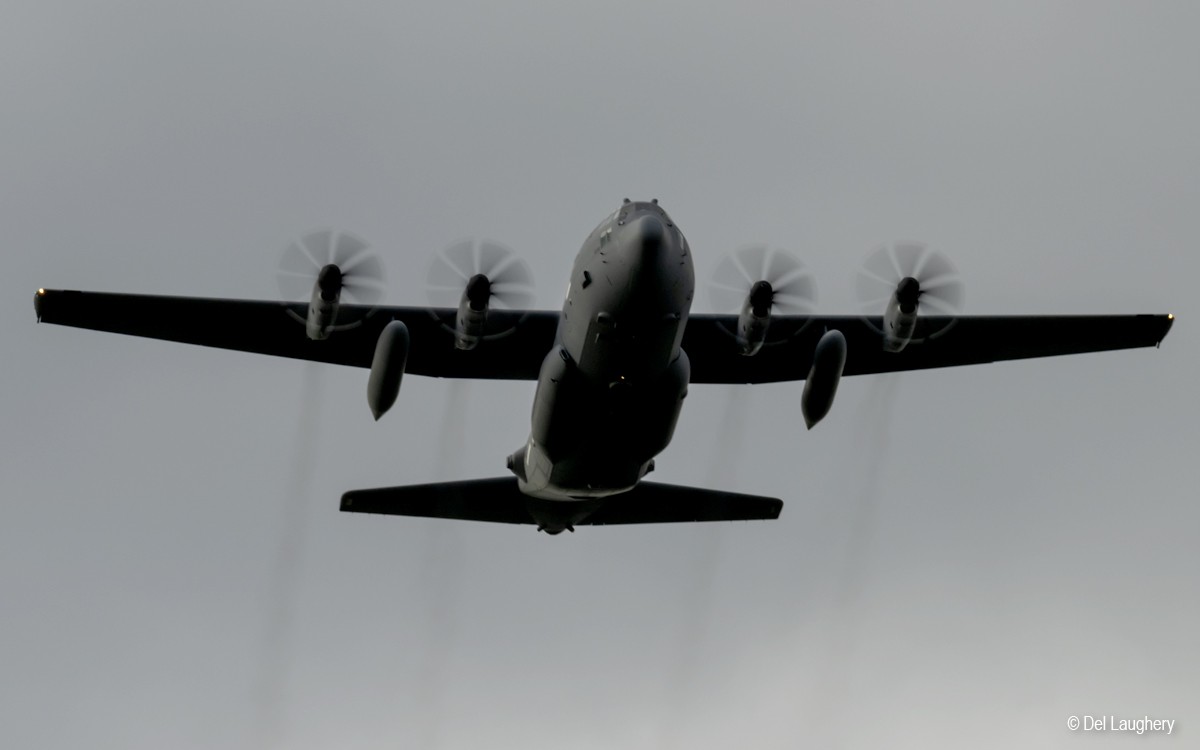
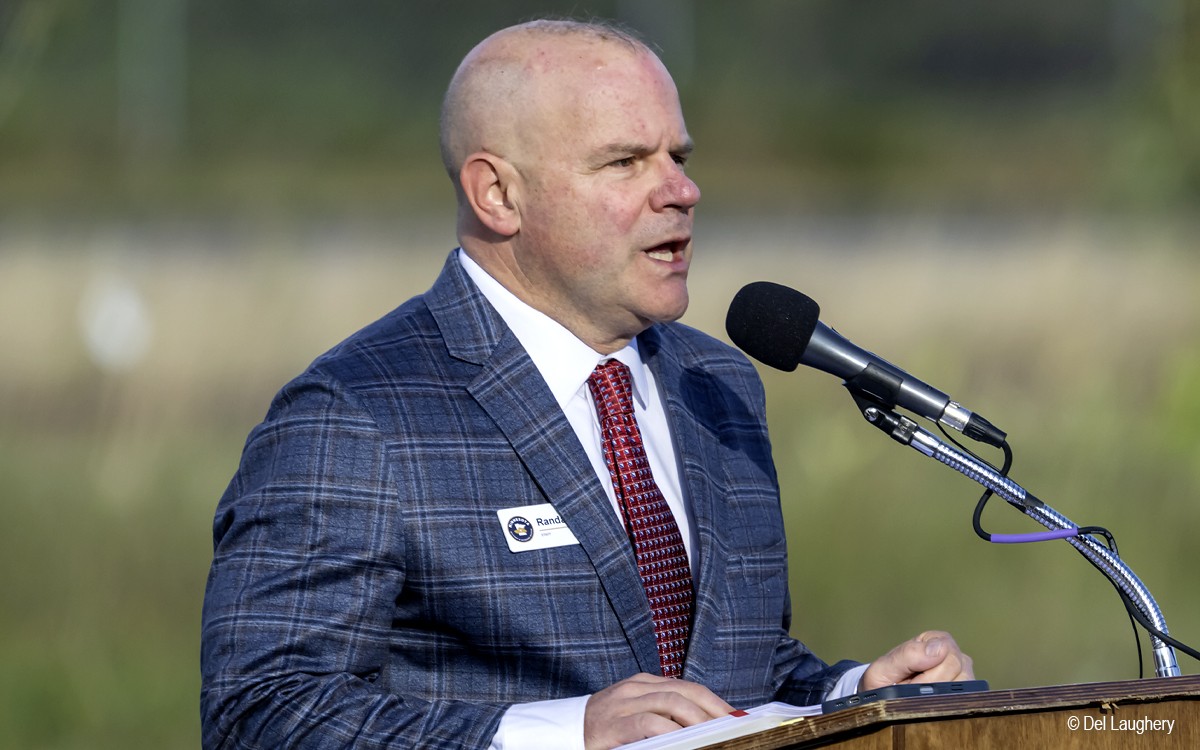
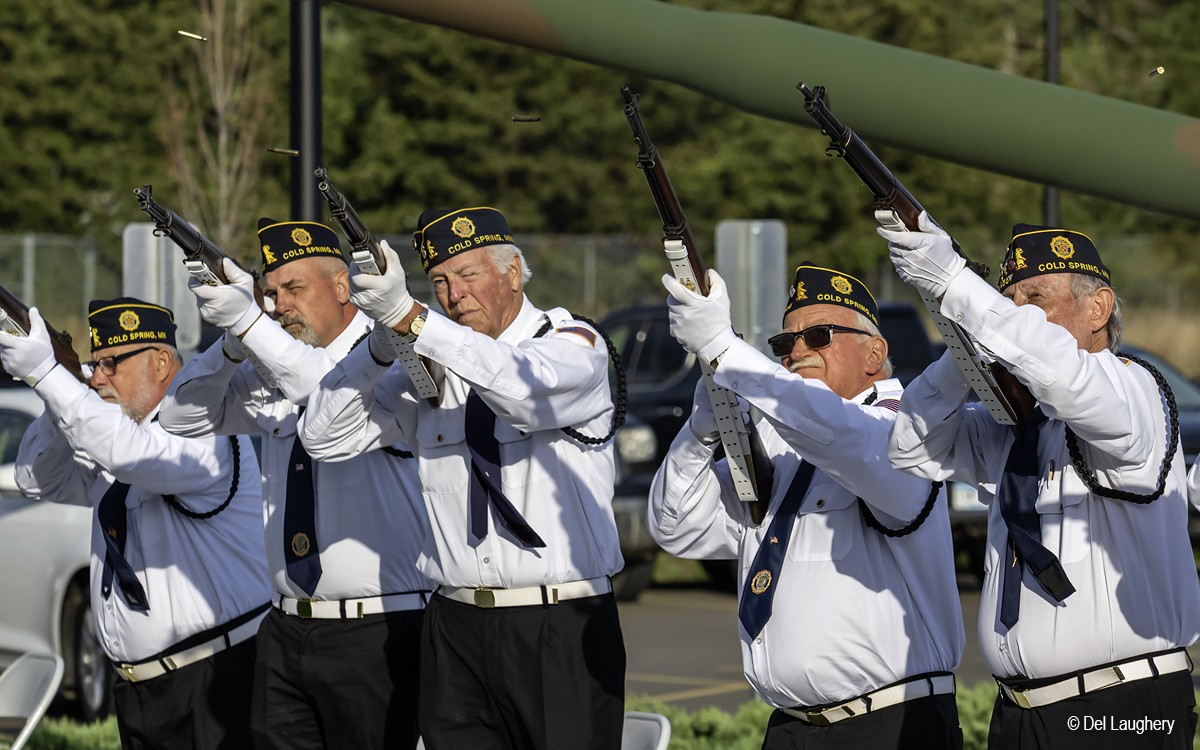
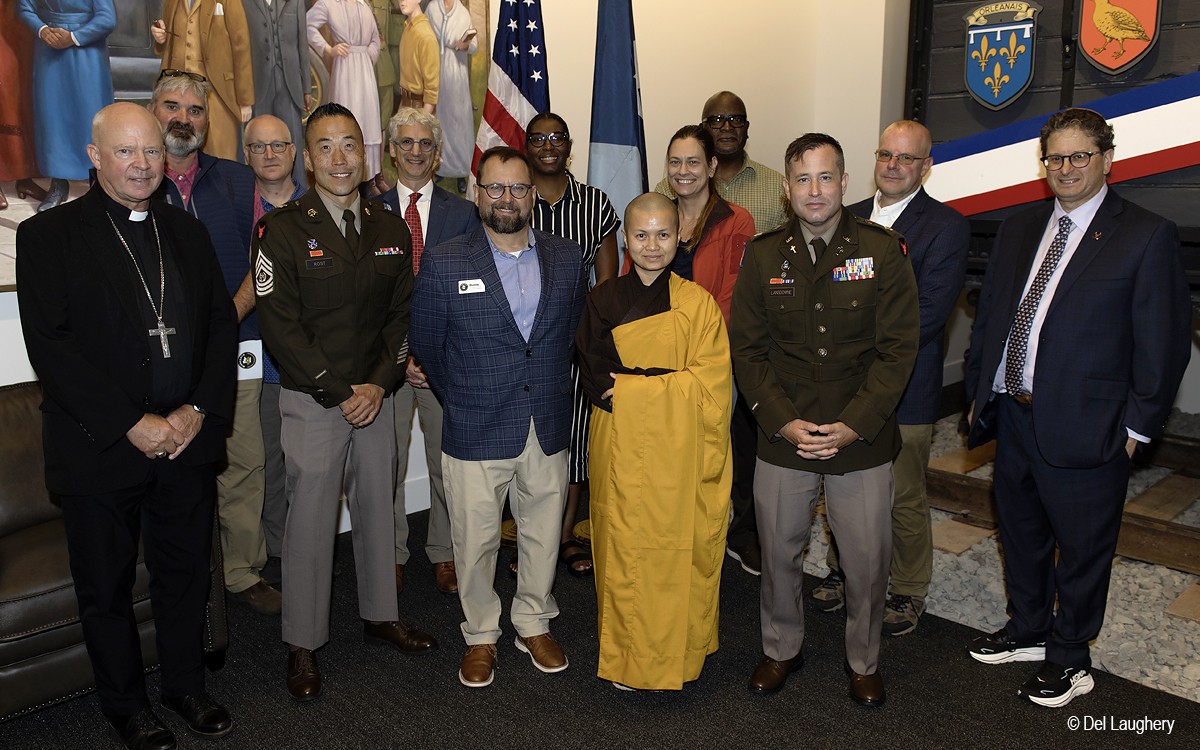
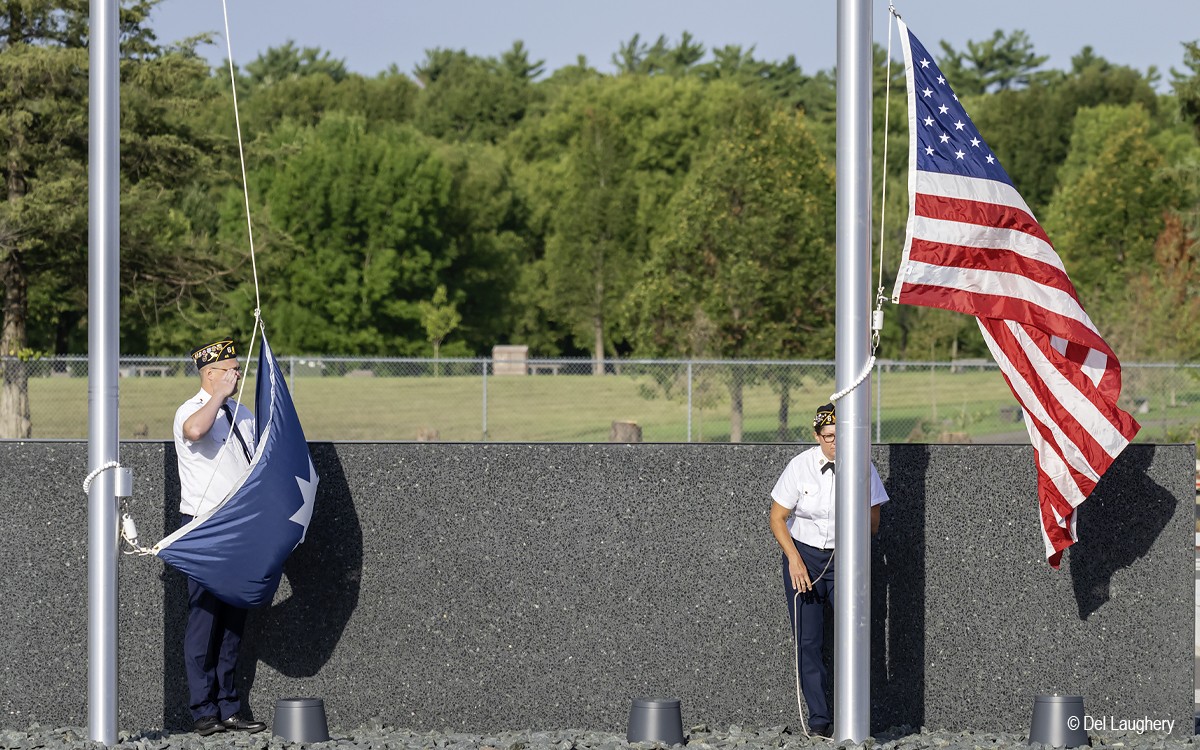
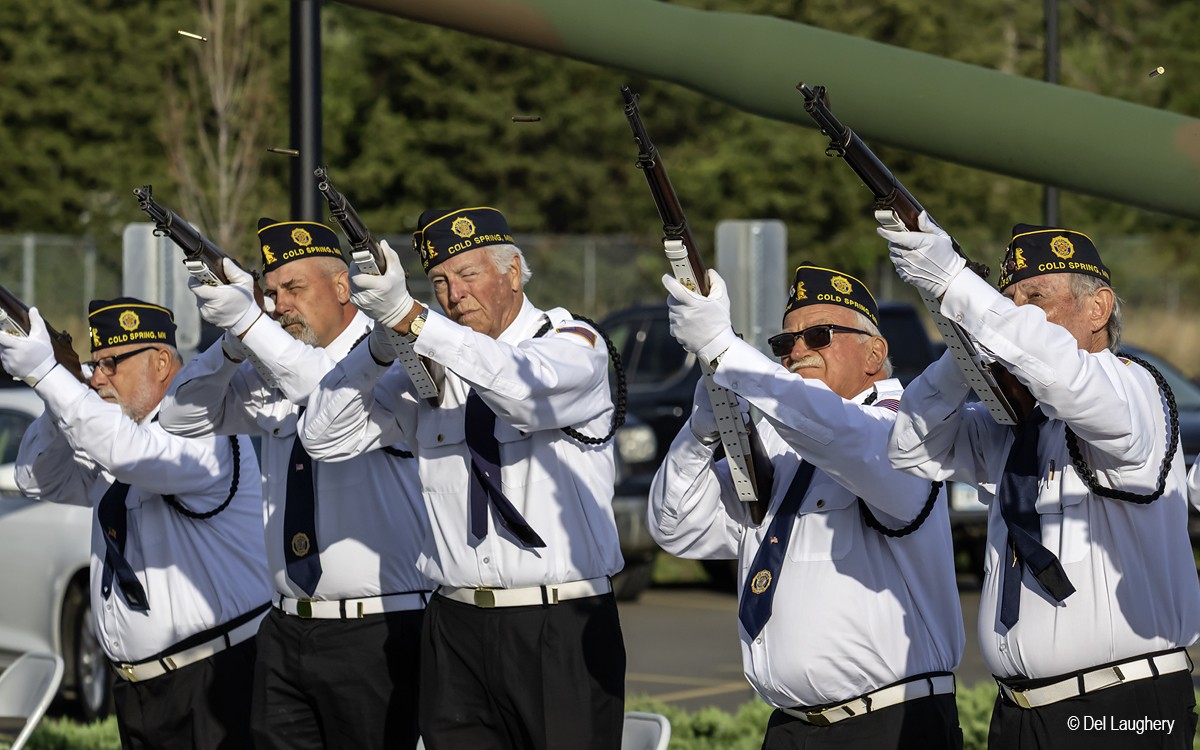
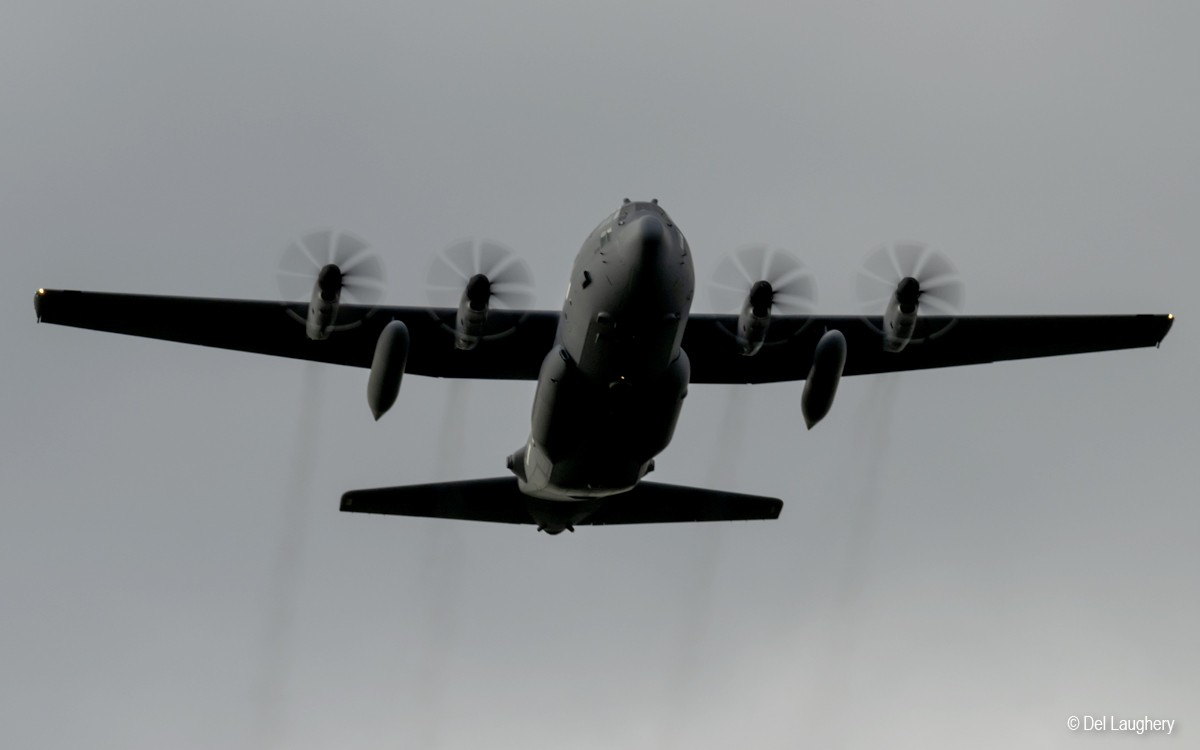
In the days leading up to the opening, blessings were bestowed upon the facility and its staff by Native American, Buddhist, Christian, and Jewish spiritual leaders. Then, on Friday, September 11, an observance of the 25th anniversary of the attack on the World Trade Center and the Pentagon was conducted with speeches by museum staff, an attack survivor, as well as political and military figures. This was accompanied by a rifle salute provided by members of the Cold Spring, MN, American Legion followed by a flyover by a Minnesota Air National Guard C-130. The somber ceremony connected all staff and guests to the serious nature of protecting the homeland and set the stage for the next two days when the museum unlocked its new facility’s doors during the Saturday and Sunday opening.
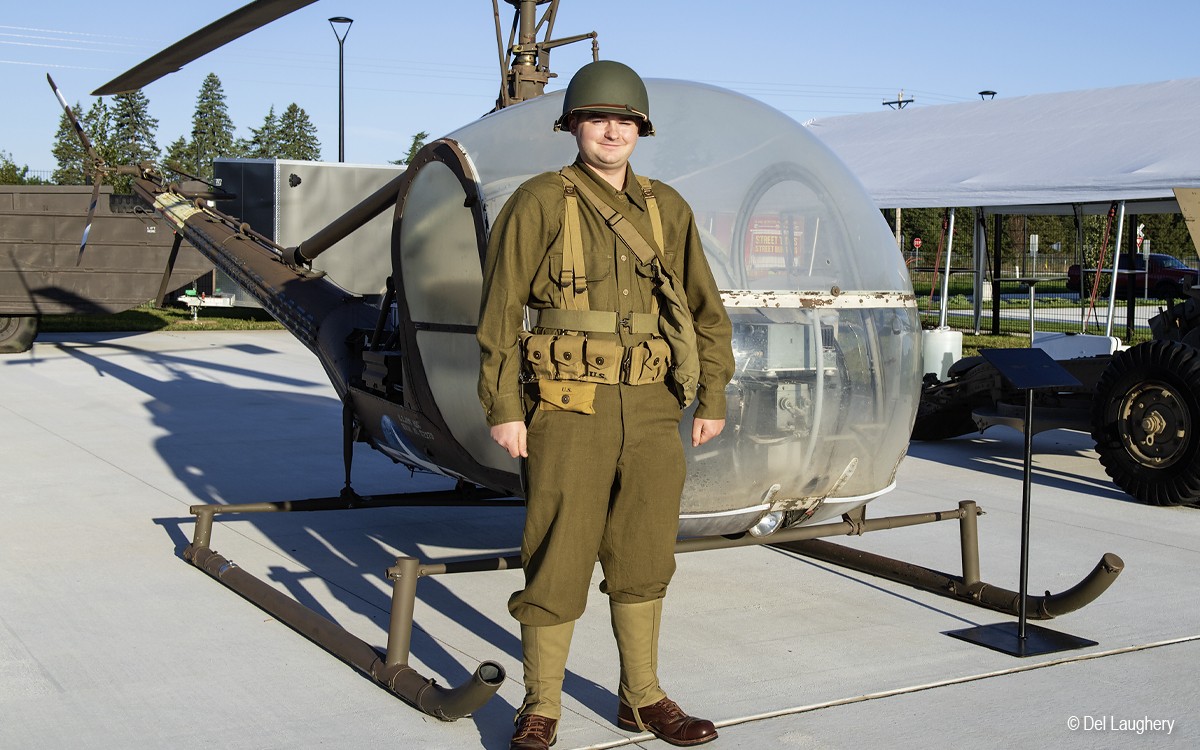
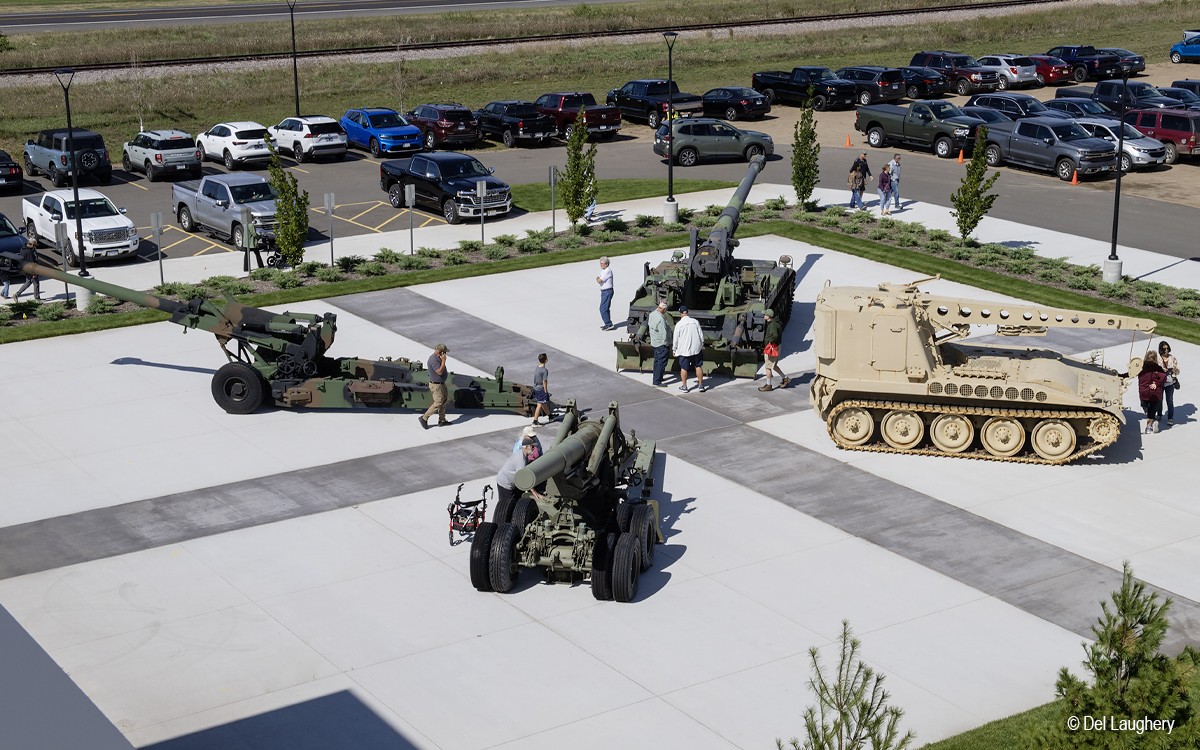
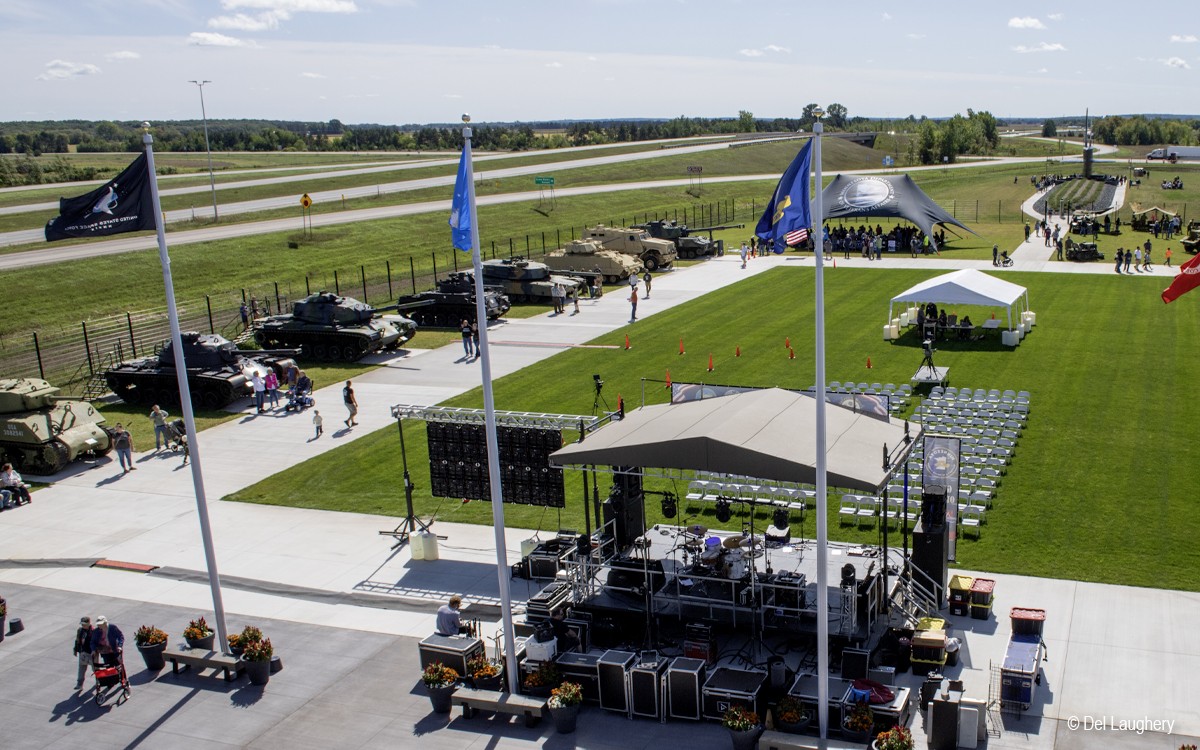
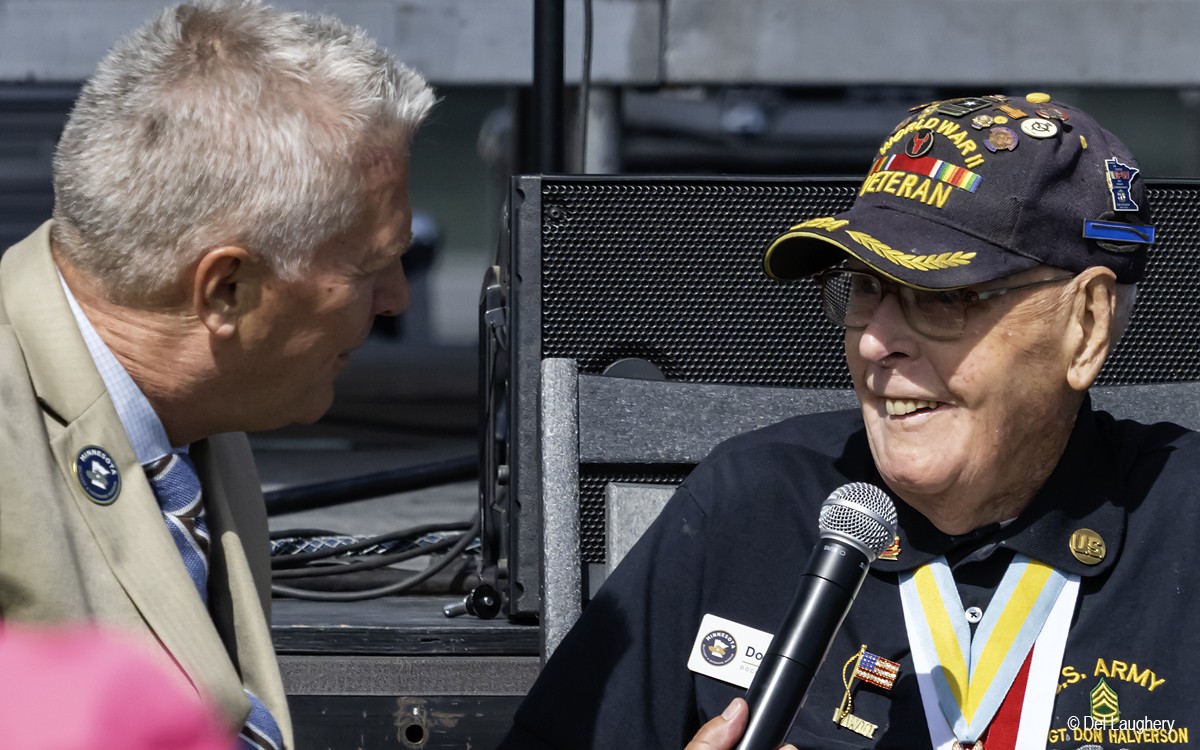
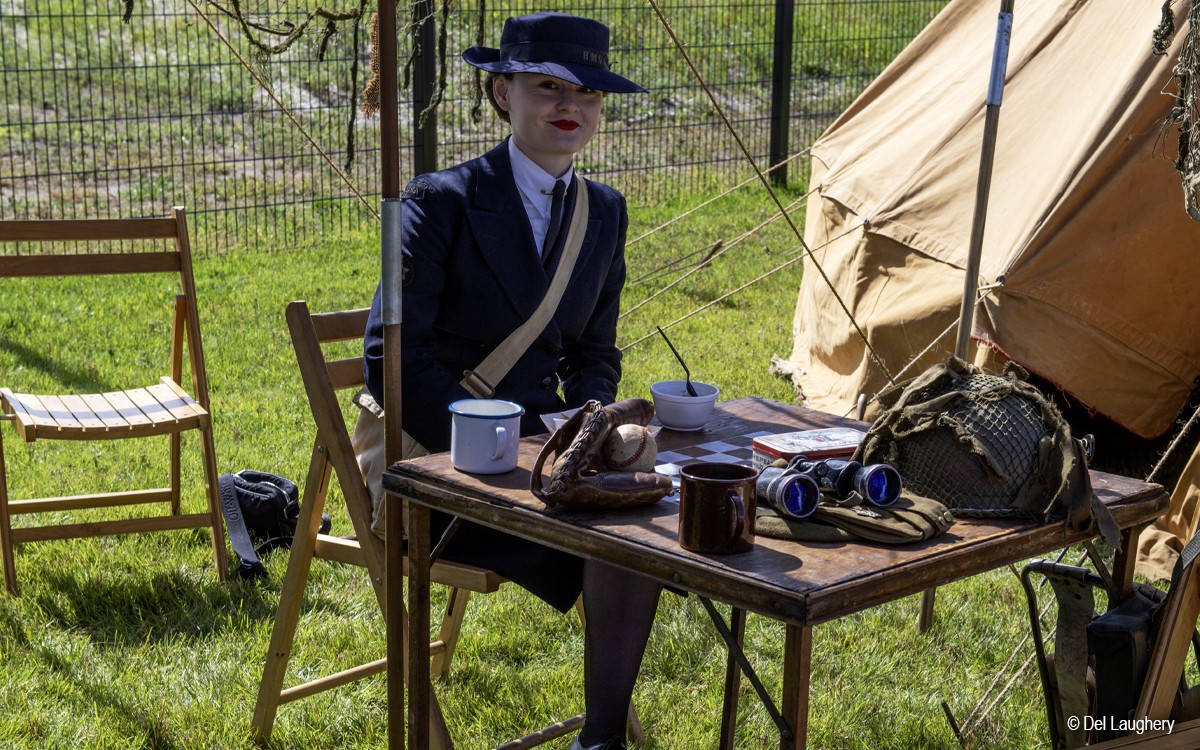
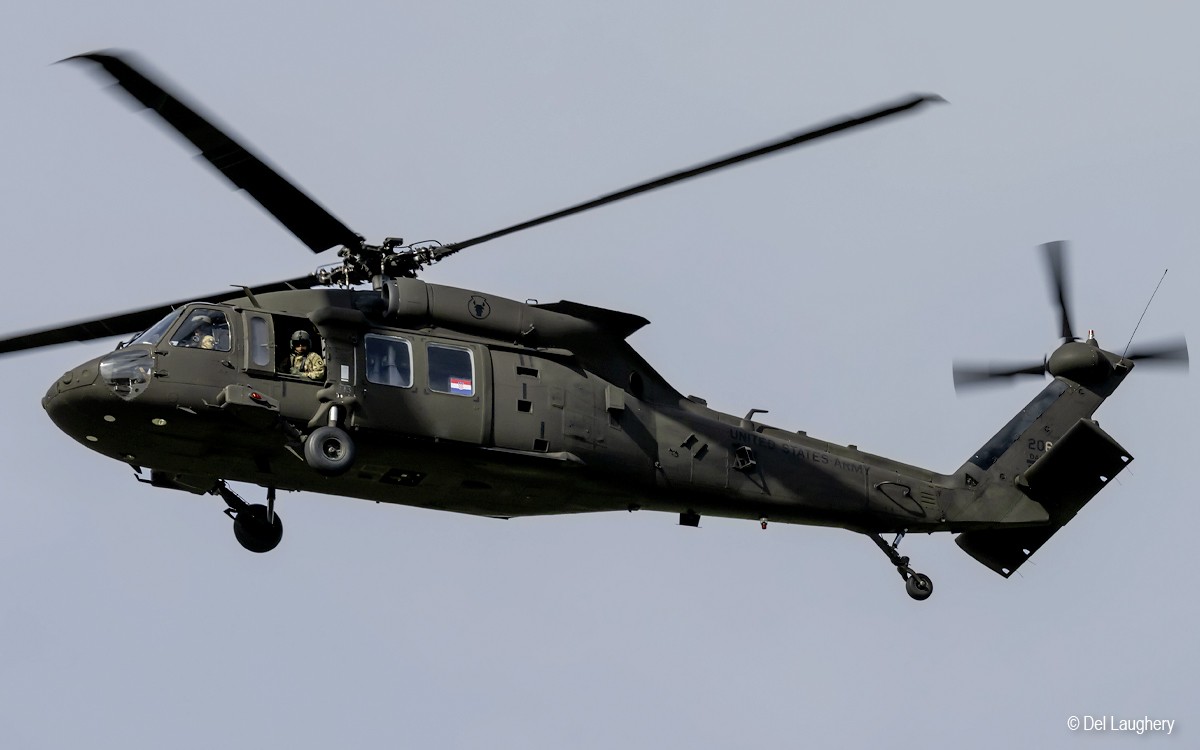
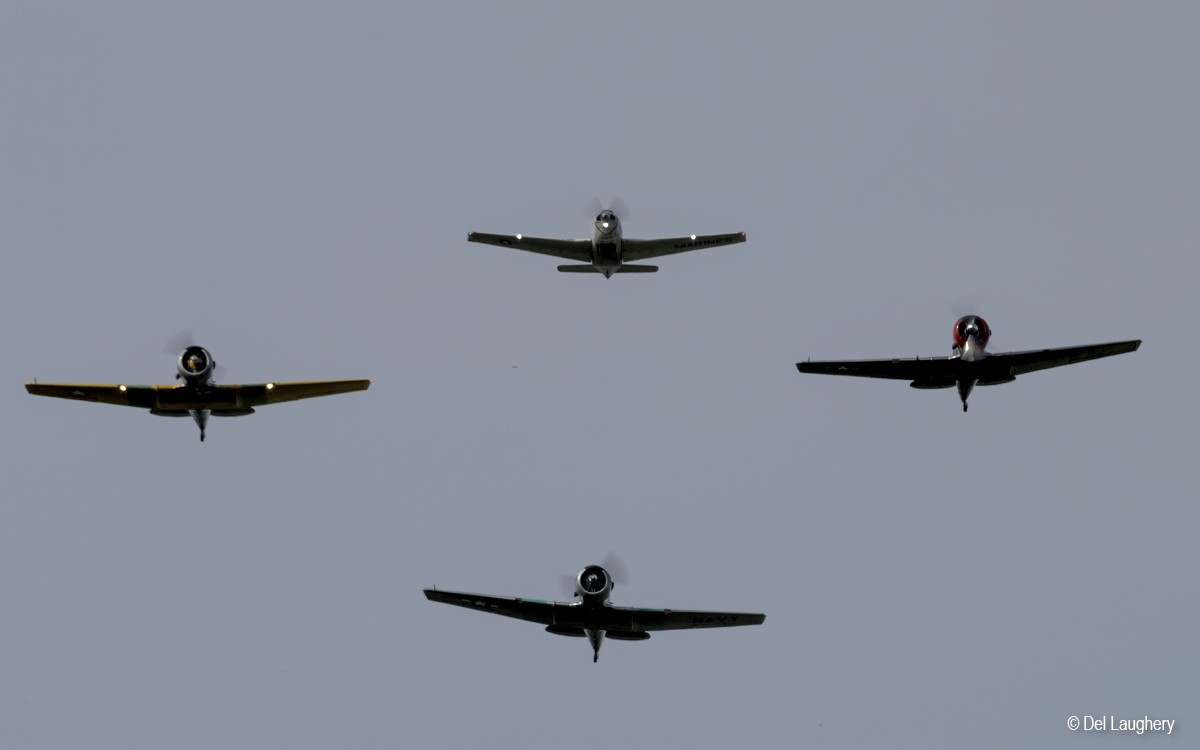
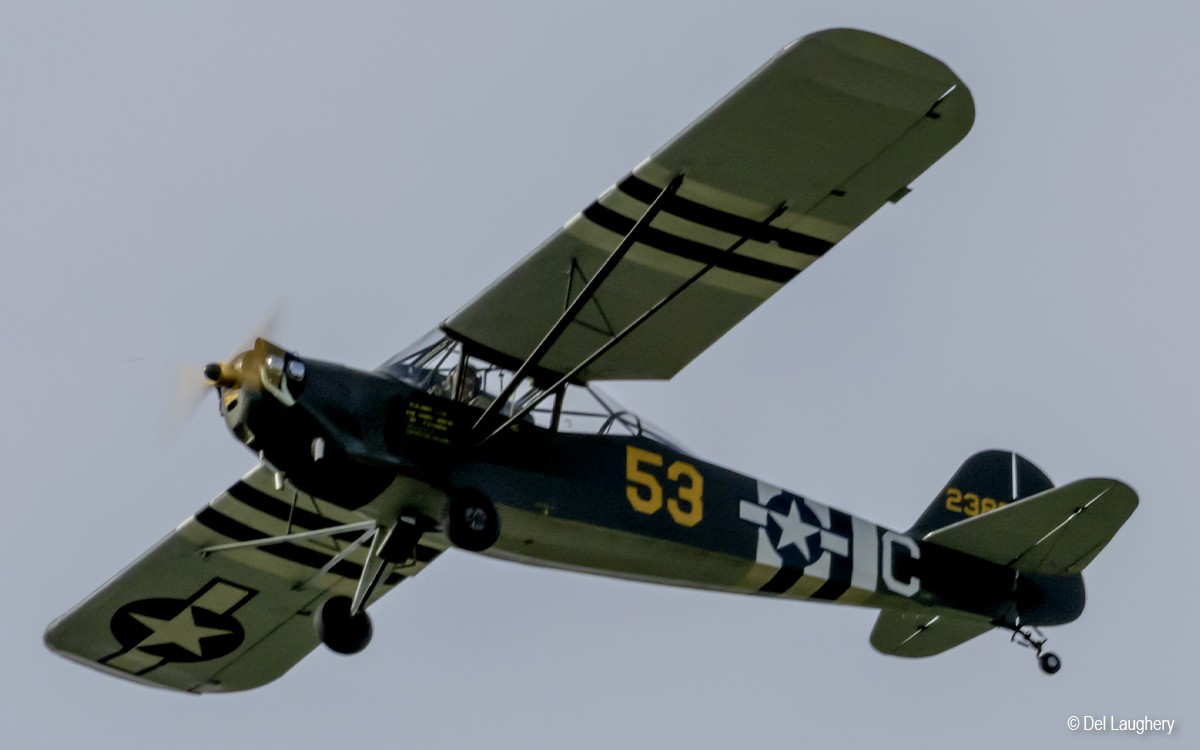
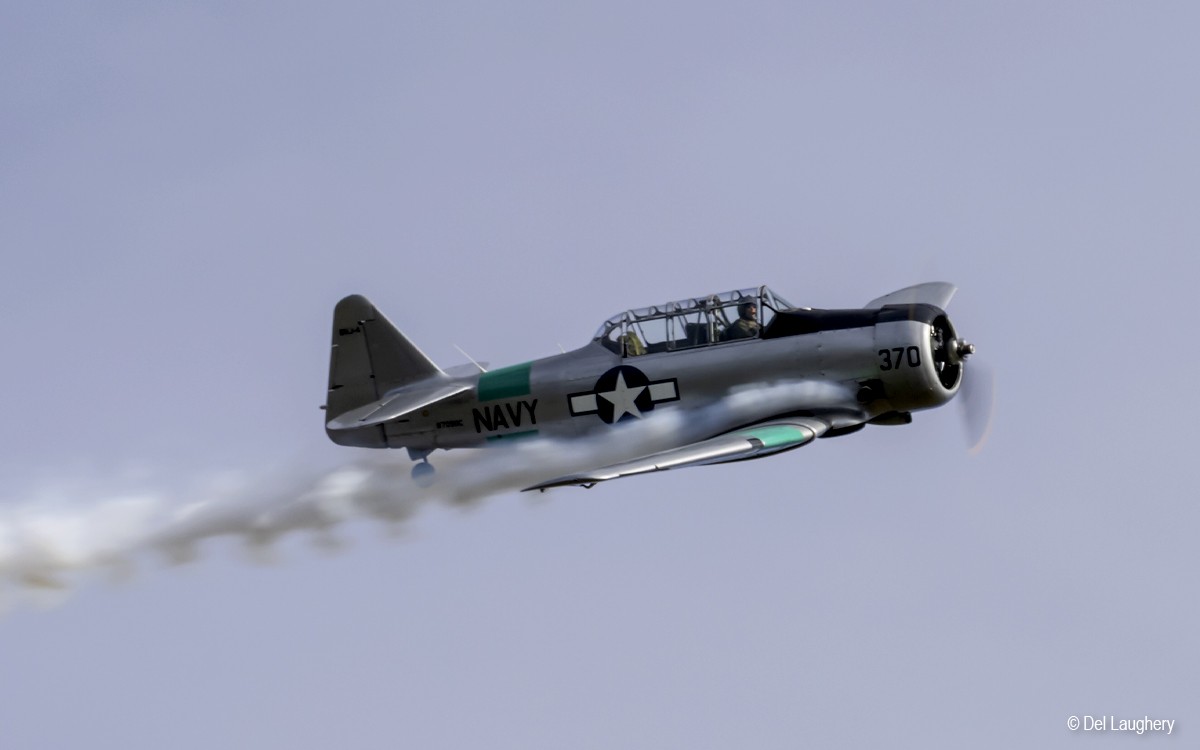
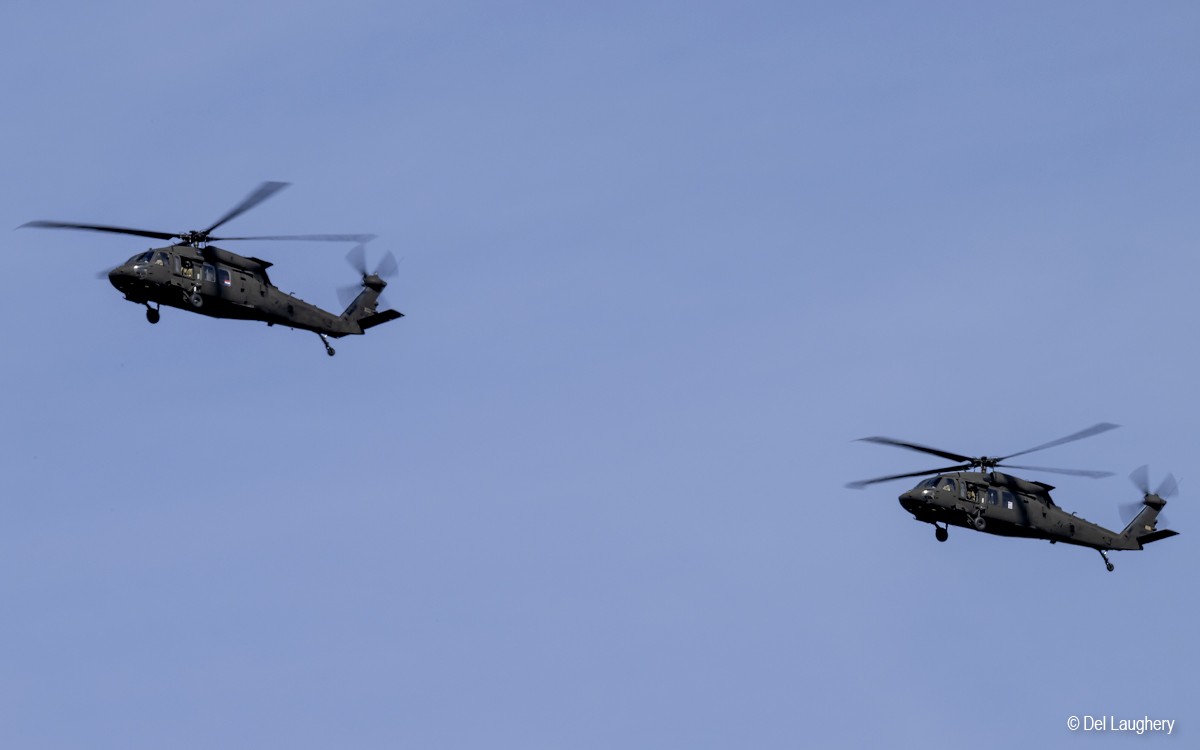
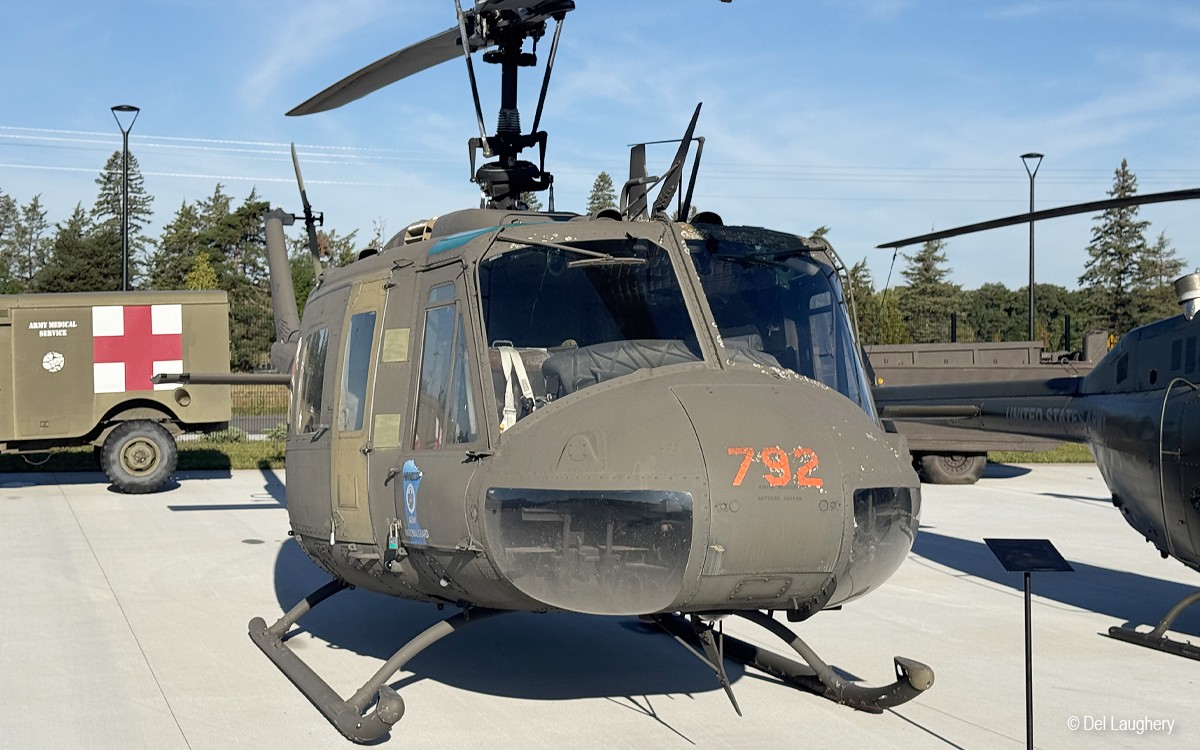
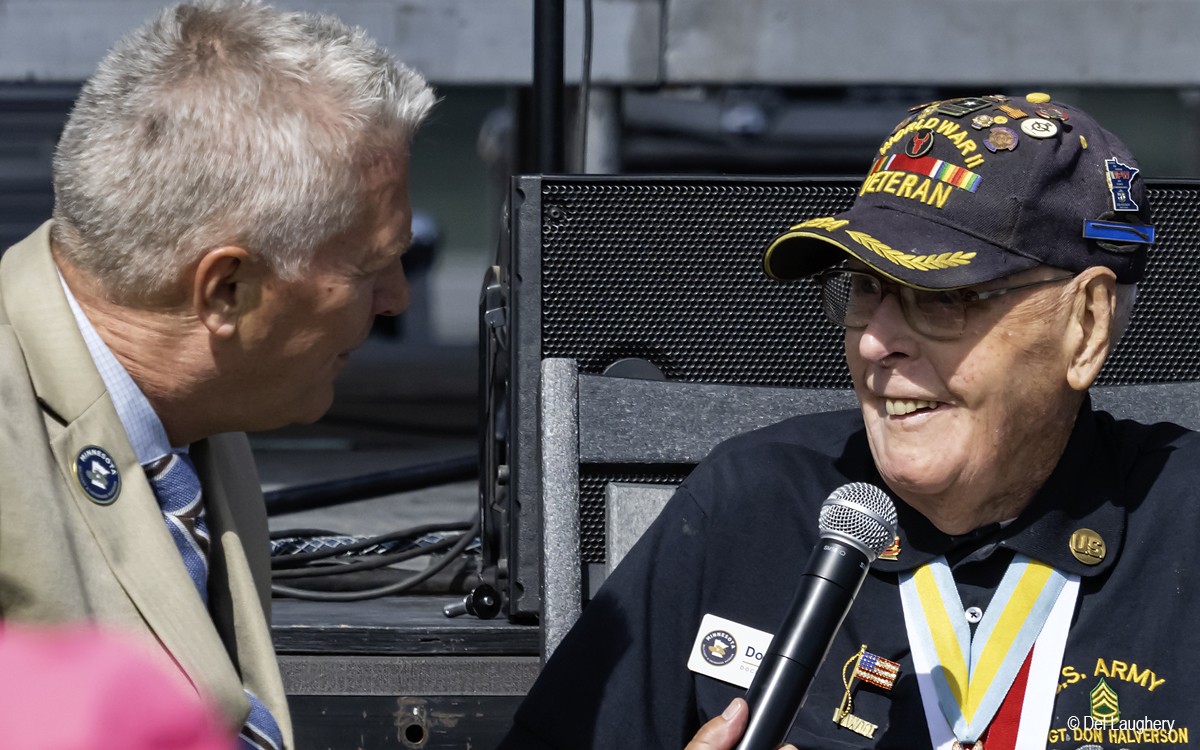
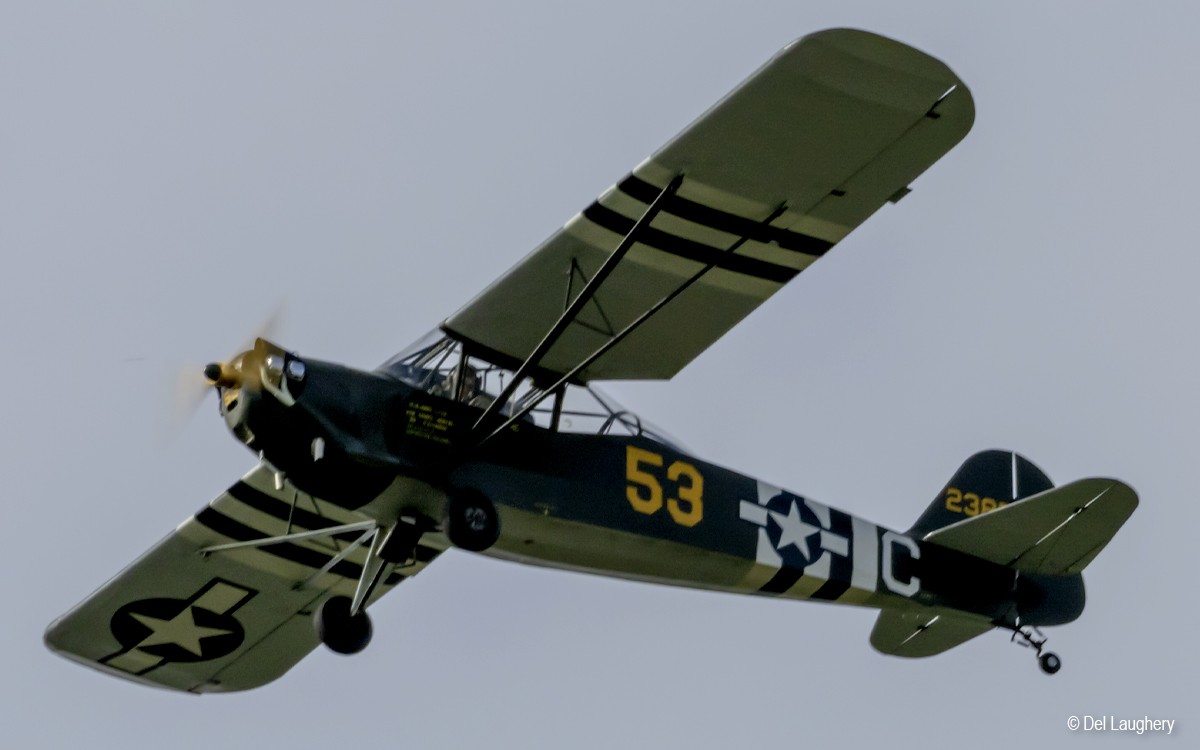
Saturday, the day the ribbon was cut in front of the main entrance, included VIP access to the interior galleries, access to the outside areas featuring tanks from the M4 Sherman to the M1 Abrams and Bradley Fighting Vehicle, aircraft that include a Cessna O-1 as well as a General Dynamics F-16A and three Army helicopters, the sail and rudder from the attack submarine USS Minneapolis-St Paul, SSN-708, and numerous military reenactors representing several conflicts. Also occurring on Saturday were interviews of Minnesota veterans including an exceptional World War II vet who told his story before a hyper-focused crowd of grateful onlookers, flyovers by World War II-era aircraft, a concert by a local band, and food trucks to keep everybody’s bellies happy. During both Saturday and Sunday, docents, many of which are veterans themselves, provided perspective on the artifact displays and spoke of their time at sea or while deployed to distant lands, their service within the tank corps, or as aircraft maintainers to the more than 7,000 people who attended.
Now that the museum is fully open to the public, consider setting your GPS destination to 21702 Haven Rd, Little Falls, MN 56345. Set aside at least half a day for your visit. The museum is opened Thursday through Sunday from September to April, and seven days a week during May through August. Tickets to access the inside galleries are a very reasonable $5 for adults, $2.00 for children, or you can become a museum member for a very reasonable $30.00. These fees permit the museum to perform much needed preventive and restorative tasks on its collection, as well as maintain the building and grounds. Getting to the area is quite easy. Flights to MSP, 118 miles south, or BRD (Brainerd) about 30 miles north, are frequent and there’s an abundance of hotels in the Brainerd area, so come experience this majestic and impressive museum.